
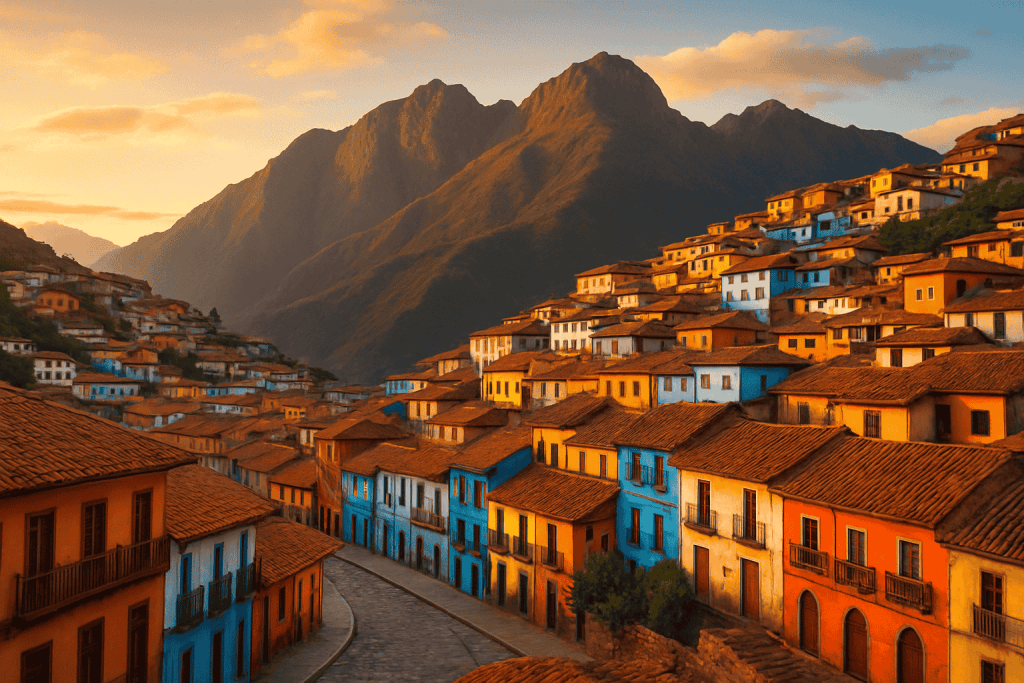
Discover hidden gems across Argentina that offer better value, lower costs, and unique advantages for your residency journey. While Buenos Aires attracts most attention, these alternative cities provide compelling options for your new life in South America.
Why Consider Alternatives to Buenos Aires?
While Buenos Aires remains Argentina's capital and largest city, many residency applicants are discovering that smaller cities offer significant advantages for establishing their new life in Argentina.
- Lower cost of living – stretch your budget further
- Stronger expat communities and easier integration
- Better quality of life with less urban stress
- Unique cultural experiences and natural beauty
Important Note
Regardless of which city you choose, the legal requirements for Argentina residency remain the same. Our specialized legal services ensure compliance with all immigration requirements while you focus on choosing your ideal location.
Top Alternative Cities for Argentina Residency
Mendoza
The heart of Argentina's wine country, Mendoza offers a perfect blend of urban amenities and natural beauty. With the Andes Mountains as a backdrop and world-class wineries, it's becoming increasingly popular among expats seeking a relaxed lifestyle.
Advantages
- • World-renowned wine culture
- • Stunning mountain scenery
- • Growing expat community
- • Excellent outdoor activities
- • Relatively affordable housing
Considerations
- • Limited flight connections
- • Dry climate may not suit everyone
- • Fewer job opportunities
- • Spanish essential for integration
Sample Monthly Budget*
*Theoretical example for planning purposes
Córdoba
Argentina's second-largest city, Córdoba combines historical charm with modern amenities. Home to several universities, it offers a vibrant cultural scene and excellent infrastructure while maintaining a more manageable pace than Buenos Aires.
Advantages
- • Rich cultural and academic life
- • Excellent healthcare system
- • Good transportation infrastructure
- • Diverse job market
- • Pleasant climate year-round
Considerations
- • Can be crowded and noisy
- • Summer heat can be intense
- • Higher crime rates in some areas
- • Traffic congestion during peak hours
Sample Monthly Budget*
*Theoretical example for planning purposes
Rosario
Situated on the Paraná River, Rosario is famous as the birthplace of Lionel Messi and offers a vibrant arts scene. This port city provides urban amenities at a fraction of Buenos Aires' cost, making it attractive for budget-conscious expats.
Advantages
- • Very affordable cost of living
- • Beautiful riverside location
- • Active arts and culture scene
- • Growing expat community
- • Easy access to Buenos Aires
Considerations
- • Limited international flights
- • Fewer English-speaking services
- • Industrial areas can be unappealing
- • Less developed expat infrastructure
Sample Monthly Budget*
*Theoretical example for planning purposes
Bariloche
Nestled in the Patagonian foothills, Bariloche is Argentina's adventure capital. With its Alpine architecture, lake views, and outdoor activities, it's paradise for nature lovers and outdoor enthusiasts despite higher living costs.
Advantages
- • Spectacular natural scenery
- • Excellent outdoor activities
- • Strong expat community
- • Clean, safe environment
- • Great for families
Considerations
- • Higher cost of living
- • Limited job opportunities
- • Seasonal tourism impact
- • Harsh winter weather
Sample Monthly Budget*
*Theoretical example for planning purposes
Emerging Cities Worth Considering
Salta
The colonial gem of northwest Argentina, known for its stunning architecture and proximity to dramatic landscapes.
- • UNESCO World Heritage sites nearby
- • Growing digital nomad community
- • Excellent regional cuisine
- • Perfect for cultural enthusiasts
Villa Carlos Paz
A charming lakeside resort town near Córdoba, popular with families and retirees seeking a peaceful lifestyle.
- • Beautiful lake setting
- • Family-friendly environment
- • Growing expat community
- • Close to Córdoba amenities
Tucumán
A historical city with significant cultural importance, known as the "Cradle of Independence" of Argentina.
- • Rich historical significance
- • Very affordable living costs
- • University town atmosphere
- • Traditional Argentine culture
How to Choose Your Ideal City
Key Factors to Consider
Cost of Living
Evaluate your budget against local housing, food, and transportation costs
Expat Community
Consider the size and activity level of existing expat networks
Lifestyle Preferences
Match city characteristics to your desired lifestyle (urban, nature, cultural)
Infrastructure & Services
Healthcare, internet, transportation, and other essential services
Practical Decision Strategy
- 1. Short-term visits: Spend 2-4 weeks in your top 3 cities during different seasons
- 2. Budget testing: Live on your planned monthly budget during visits
- 3. Community engagement: Attend local expat meetups and activities
- 4. Professional consultation: Get legal guidance on residency requirements specific to your chosen location
- 5. Trial period: Consider a 6-month trial before making permanent decisions

Frequently Asked Questions
Do I need to apply for residency in the specific city where I plan to live?
No, Argentina residency is national, not city-specific. You can apply for residency from any location within Argentina and move freely between cities while maintaining your legal status. Our legal services handle the paperwork regardless of your chosen city.
How do living costs compare between these cities and Buenos Aires?
Generally, alternative cities offer 30-60% lower living costs compared to Buenos Aires. For example, a theoretical expat spending $1,500/month in Buenos Aires might live comfortably on $800-1,000/month in Rosario or Salta, while still maintaining a good quality of life.
What about healthcare quality in smaller cities?
Major cities like Córdoba and Mendoza offer excellent healthcare systems comparable to Buenos Aires. Smaller cities like Salta and Tucumán have good basic healthcare but may require travel to larger cities for specialized treatments. All cities provide access to Argentina's universal healthcare system.
Are there established expat communities in these alternative cities?
Yes, most cities mentioned have growing expat communities. Mendoza and Bariloche have particularly strong international communities due to their appeal to retirees and lifestyle migrants. Córdoba attracts younger expats due to its university atmosphere and job opportunities.
Can I work remotely from these cities?
Most cities offer reliable internet infrastructure suitable for remote work. Córdoba and Mendoza have excellent connectivity, while Bariloche and Salta have good but sometimes variable internet speeds. It's advisable to test connectivity during your exploratory visits.
How important is Spanish fluency for living in these cities?
Spanish is more essential in alternative cities than in Buenos Aires. While you can begin with basic Spanish, developing conversational skills will significantly improve your experience and integration. Many expats find immersion in these cities actually helps them learn Spanish faster.
Ready to Start Your Argentina Residency Journey?
Whether you choose Buenos Aires or one of these fantastic alternative cities, the legal requirements remain the same. Don't let paperwork complexity delay your dreams of Argentine citizenship.
Complete roadmap to Argentina citizenship • Document checklists • Timeline optimization • Success stories
Beyond Buenos Aires: 7 Alternative Cities for Argentina Residency Applicants in 2026
Buenos Aires dominates the conversation when people think about moving to Argentina. But for residency applicants willing to look beyond the capital, seven alternative cities offer lower costs, stronger community ties, and lifestyles that many expats find more rewarding. This guide breaks down each option so you can make an informed decision about where to build your new life.
At a glance
- Cheapest option: Rosario and Salta — budget from around $540/month
- Best infrastructure: Córdoba — Argentina’s second-largest city with healthcare, transport, and connectivity
- Nature and adventure: Bariloche — Patagonian scenery with a strong expat community
- Wine country lifestyle: Mendoza — mountain views and growing international community
- Key fact: Argentina residency is national — you apply once and can live in any city
- Savings vs. Buenos Aires: Alternative cities can cost 30–60% less for comparable quality of life
Why look beyond Buenos Aires?
Buenos Aires is a world-class city, but it comes with world-class costs — at least by Argentine standards. Rent, dining, and transportation in the capital have been climbing steadily, and neighborhoods popular with expats often price out newcomers who could live comfortably elsewhere in the country.
Smaller cities offer tangible advantages: lower housing costs, less competition for rental apartments, tighter-knit expat networks, and a pace of life that many people find healthier long-term. Several of these cities also have excellent healthcare facilities, reliable internet for remote work, and direct domestic flights to Buenos Aires when you need the capital’s amenities.
Importantly, your Argentina residency and DNI are valid nationwide. You apply once through the national immigration authority (Dirección Nacional de Migraciones), and you are free to live in any province. There is no city-specific residency requirement.
Argentina’s economic context for expats
Argentina’s economy runs on different rules than most countries expats come from. Persistent inflation means that peso-denominated costs shift frequently — a budget that worked six months ago may need adjustment. At the same time, expats earning in USD, EUR, or other hard currencies often benefit from favorable exchange dynamics that make Argentina remarkably affordable.
For a deeper dive into how currency fluctuations affect your purchasing power, see our guide on living costs and currency dynamics in Argentina. If you plan to fund your stay through overseas income, the Rentista visa pathway may be relevant.
Note: All budget figures below are approximate USD estimates for planning purposes. Given Argentina’s inflation, confirm current costs during an exploratory visit before committing.
City comparison at a glance
| City | Cost level | Est. monthly budget | Expat community | Best for |
|---|---|---|---|---|
| Mendoza | Medium | $630–$1,000 | Growing | Wine, outdoors, retirees |
| Córdoba | Medium | $720–$1,190 | Established | Urban life, young professionals |
| Rosario | Low | $540–$860 | Growing | Budget-conscious, arts and culture |
| Bariloche | High | $980–$1,500 | Strong | Nature lovers, families |
| Salta | Low | $500–$800 | Small but growing | Culture, digital nomads |
| Villa Carlos Paz | Medium | $600–$950 | Small | Retirees, families |
| Tucumán | Low | $480–$750 | Minimal | Deep immersion, lowest costs |
Top alternative cities
Mendoza
The heart of Argentina’s wine country, Mendoza sits at the foot of the Andes and draws visitors year-round for its vineyards, mountain scenery, and outdoor activities. For residency applicants, it offers a genuine blend of small-city charm and modern amenities — good restaurants, cultural events, and a growing population of international residents.
Advantages
- World-renowned wine culture and gastronomy
- Stunning Andes mountain backdrop
- Growing international expat community
- Excellent outdoor activities (skiing, hiking, climbing)
- Relatively affordable housing compared to Buenos Aires
Considerations
- Limited international flight connections
- Dry, arid climate may not suit everyone
- Fewer formal job opportunities than larger cities
- Conversational Spanish is essential for daily life
Estimated monthly budget
Córdoba
Argentina’s second-largest city combines colonial architecture with a thriving university scene. Home to multiple major universities, Córdoba has the energy of a young, educated population alongside solid infrastructure — healthcare, public transport, and cultural venues that rival Buenos Aires in quality if not scale.
Advantages
- Rich cultural and academic life
- Excellent healthcare system
- Good transportation infrastructure
- Diverse job market and coworking spaces
- Pleasant climate for most of the year
Considerations
- Can feel crowded and noisy in the center
- Summer heat can be intense (Dec–Feb)
- Higher crime rates in certain neighborhoods
- Traffic congestion during peak hours
Estimated monthly budget
Rosario
Situated on the Paraná River, Rosario is Argentina’s third-largest city and a major cultural hub. It offers urban amenities at a fraction of Buenos Aires’ cost, with a vibrant arts scene, beautiful riverside parks, and easy access to the capital by bus or train (roughly 3–4 hours). For budget-conscious applicants, Rosario stands out as one of the best value propositions in the country.
Advantages
- Very affordable cost of living
- Beautiful riverside location and parks
- Active arts, music, and cultural scene
- Growing expat and digital nomad community
- Easy access to Buenos Aires by land
Considerations
- Limited international flight connections
- Fewer English-speaking services than Buenos Aires
- Some industrial areas on the city outskirts
- Less developed expat-specific infrastructure
Estimated monthly budget
Bariloche
Nestled in the Patagonian lake district, Bariloche is Argentina’s adventure capital. Alpine-style architecture, stunning lake views, world-class skiing in winter, and hiking trails in summer attract a strong international community. It is the most expensive option on this list, but for nature lovers and families seeking a safe, clean environment, many consider the premium worthwhile.
Advantages
- Spectacular natural scenery and outdoor activities
- Strong, established expat community
- Clean, safe environment — excellent for families
- Good domestic flight connections to Buenos Aires
- Thriving tourism economy with seasonal work options
Considerations
- Highest cost of living on this list
- Limited year-round job opportunities outside tourism
- Seasonal tourism can affect availability and pricing
- Cold, snowy winters (June–August)
Estimated monthly budget
Emerging cities worth considering
Salta
A colonial gem in northwest Argentina, Salta is known for its well-preserved Spanish architecture and proximity to dramatic Andean landscapes. The city has been attracting a growing number of digital nomads thanks to its low cost of living, reliable internet, and unique cultural character. UNESCO World Heritage sites are nearby, and the regional cuisine — empanadas salteñas, locro, and tamales — is considered among Argentina’s best.
- UNESCO World Heritage sites within day-trip distance
- Growing digital nomad and remote worker community
- Excellent regional cuisine and food culture
- Among the lowest living costs in urban Argentina
- Domestic flights connect to Buenos Aires and other major cities
Villa Carlos Paz
A charming lakeside resort town just 36 km from Córdoba, Villa Carlos Paz offers a peaceful lifestyle with easy access to a major city’s amenities. It is popular with Argentine retirees and families, and a small but growing number of foreign residents are discovering its appeal — scenic lake views, a relaxed pace, and housing costs lower than Córdoba proper.
- Beautiful lake setting with mountain views
- Family-friendly, safe environment
- Close to Córdoba’s healthcare, shopping, and airport
- Active cultural calendar, especially in summer theater season
Tucumán
Known as the “Cradle of Independence” — Argentina’s independence was declared here in 1816 — Tucumán is a university city with deep historical roots. It offers some of the lowest living costs of any major Argentine city. The expat community is minimal, which means deep cultural immersion for those willing to embrace it. Spanish fluency is a near-requirement for comfortable daily life.
- Rich historical significance and authentic Argentine culture
- Among the most affordable major cities in the country
- University-town atmosphere with youthful energy
- Gateway to the Yungas cloudforest and Tafí del Valle
How to choose your ideal city
Choosing where to live is as important as deciding to move. Consider these factors when narrowing your shortlist:
Cost of living. If you are earning in foreign currency, most cities on this list will feel affordable. But within Argentina, the gap between Tucumán and Bariloche is significant. Match your city choice to your realistic monthly budget.
Healthcare access. Córdoba and Mendoza have medical facilities on par with Buenos Aires. Smaller cities like Salta and Tucumán offer good general care but may require travel for specialized treatments. All cities give you access to Argentina’s public healthcare system, though many expats also take out private coverage. Read more in our guide on healthcare for new residents.
Internet and remote work. Córdoba and Mendoza offer strong, reliable internet suitable for video calls and remote work. Bariloche and Salta have good connectivity in urban areas but can be less consistent in surrounding neighborhoods. Test connectivity during an exploratory visit before committing.
Expat community. If having an English-speaking social network matters to you, Bariloche and Mendoza have the strongest international communities. Córdoba skews younger. Rosario and Salta are growing. Tucumán and Villa Carlos Paz offer true immersion with minimal English-speaking support.
Safety. All cities on this list are generally safe for foreign residents who take normal precautions. As in any country, certain neighborhoods in larger cities (Córdoba, Rosario) require more awareness. Bariloche and smaller cities like Villa Carlos Paz tend to feel very safe by comparison.
A practical decision strategy
- Short-term visits. Spend 2–4 weeks in your top 2–3 cities during different seasons.
- Budget testing. Live on your planned monthly budget during visits to see if it holds up.
- Community engagement. Attend local expat meetups, coworking spaces, and social events.
- Professional consultation. Work with an immigration attorney to confirm your residency path and tax residency obligations.
- Trial period. Consider a 6-month trial before making permanent decisions — you can relocate within Argentina without affecting your residency status.
Remember: you can always change cities while maintaining your residency status. Argentina’s national residency system means your legal status travels with you. If you are also considering the fast-track citizenship timeline, your city choice does not affect your eligibility or processing speed.
