

近年来,东欧在全球流动领域中意外崛起,吸引了各行各业的投资者、企业家和国际专业人士,他们希望在欧盟内找到新的机会。从历史悠久的波罗的海港口到充满活力的中欧科技中心,拉脱维亚、保加利亚和爱沙尼亚等国家正在彻底改变全球公民对待居留投资计划的方式。
其吸引力显而易见:东欧国家提供了独特的组合,包括有竞争力的投资门槛、简化的申请流程,以及进入欧盟超过 440 亿消费者的庞大市场的渠道。
对于投资者和企业主来说,这些计划不仅仅是获得欧洲居留权的途径。它们为投资者和企业主提供了进入欧洲最具活力的经济体的机会,这些经济体中数字创新与传统行业交相辉映,创业文化与成熟商业部门共同蓬勃发展。无论是爱沙尼亚举世闻名的数字基础设施、波兰强大的制造业基础,还是克罗地亚的旅游业,每个国家都为企业发展和投资增长提供了独特的机会。
投资居留项目概述
投资居留计划为个人通过提供符合条件的财务捐助获得一个国家的合法居留权提供了一条简化的途径。这些计划通常允许投资者及其家庭成员(包括配偶和未成年子女)获得居留许可。这些计划通常涉及房地产、商业投资、政府债券或其他指定途径的投资,赋予投资者及其家人在东道国居住、工作和旅行的权利。
了解东欧投资居留计划的细微差别至关重要。拉脱维亚和保加利亚等国家提供直接的投资选择,而波兰和立陶宛等其他国家则侧重于企业成立和创造就业机会。
欧洲黄金签证计划的优势
欧洲黄金签证计划为投资者提供了一系列好处,使其成为那些希望在欧洲立足的人的一个有吸引力的选择。这些计划不仅提供了获得永久居留权的途径,还具有其他一些优势。
主要投资选择比较
标准 | 拉脱维亚 | 保加利亚 | 波兰 | 立陶宛 | 罗马尼亚 | 克罗地亚 | 爱沙尼亚 |
|---|---|---|---|---|---|---|---|
主要资格途径 | 商业投资 | 商业投资(TRO 或 LLC) | 业务设置 | 业务设置 | 商业设立(有限责任公司或股份公司) | 商业投资 | 商业投资 |
语言要求 | 50,000万欧元商业投资 | LLC 路线需要就业 | 24,000 美元收入、就业或商业计划 | 投资 14,000 欧元,股权价值 28,000 欧元 | 有限责任公司 50,000 欧元 / 股份公司 70,000 欧元 + 就业和商业计划 | 27,000 欧元股本,就业 | TRP 投资 65,000 欧元 |
应用时间表 | 2-3个月 | 4-6个月 | 3-6个月 | 2-3个月 | 3-5个月 | 3-6个月 | 2-4个月 |
公民之路 | 在10年之后 | 在5年之后 | 在8年之后 | 在10年之后 | 在8年之后 | 在8年之后 | 在8年之后 |
投资居留的房地产投资选择
对于那些希望通过投资获得东欧居留权的人来说,房地产投资是一种很受欢迎的选择。这条路线不仅能提供有形资产,而且还能提供获得居留许可或永久居留权的直接途径。
商业和企业投资选择
商业和企业投资是另一种通过投资获得东欧居住权的可行选择。这条路线不仅有助于获得居住权,而且还能通过促进业务增长和创造就业机会为当地经济做出贡献。
国家特定比较
拉脱维亚

拉脱维亚投资居留计划(通常称为拉脱维亚黄金签证)为外国投资者提供了获得欧洲居留权的简化途径以及多种投资选择。
居留途径:
商业投资:
向拉脱维亚公司的股本投资至少 50,000 欧元。
该公司每年必须缴纳至少 40,000 欧元的税款。
需缴纳一次性10,000欧元的政府费用。
房地产购买:
获得价值至少 250,000 欧元的财产。
需根据房产价值缴纳额外 5% 的州费。
政府债券:
投资 250,000 欧元购买无息政府债券。
需缴纳 38,000 欧元的州费。
银行存款:
在拉脱维亚银行存入 280,000 欧元,持有五年。
需缴纳25,000欧元的州费。
永久居留:
居住五年后,投资者可以申请永久居留权。
公民身份要求:
维持居住权至少十年。
展现拉脱维亚语能力
如果不是欧盟国家,则放弃任何以前的公民身份。
保加利亚

保加利亚自 2024 年起成为欧盟和申根成员国,为非欧盟公民提供具有吸引力的黄金签证,集低成本、税收优惠和进入欧洲市场的机会于一体。
居留途径:
贸易代表办公室(TRO):
代表一家在保加利亚没有商业活动的外国公司。
无需雇用保加利亚国民。
有限责任公司(LLC):
建立一个至少拥有 10 名当地雇员的企业。
允许进行充分的商业活动。
房地产投资:
投资 312,000 欧元购买房产即可获得临时居留资格。
可续签最长五年,并可获得永久居留权。
高资本投资:
向私人公司投资 3 万欧元可立即获得永久居留权。
D 类签证要求: 所有申请人必须首先获得 D 类签证才能完成其在保加利亚的居留申请。
永久居留:
申请人必须持有有效的临时居留许可至少五年且无重大间隔。
持续的财务稳定和健康保险覆盖证明。
公民身份要求:
永久居留权满 5 年(共计 10 年)后即可获得资格。
基本语言能力和融入保加利亚社会。
波兰

波兰是发展迅速的欧盟经济体之一,通过临时居留许可 (TRP) 提供商业居留权。该计划专为管理活跃波兰公司的企业家和企业主量身定制。
居留途径:
资格要求:- 管理或拥有符合经济活动标准的波兰公司。
雇用至少两名符合条件的工人或达到最低收入门槛(每年 100,000 波兰兹罗提/23700 欧元)。
永久居留:
连续居住五年后提出申请。
要求包括稳定的收入、健康保险和积极的商业运营。
公民身份要求:
永久居留三年后(总共八年)有资格。
必须证明其具有波兰语能力(B1 级)和社会融合能力。
立陶宛
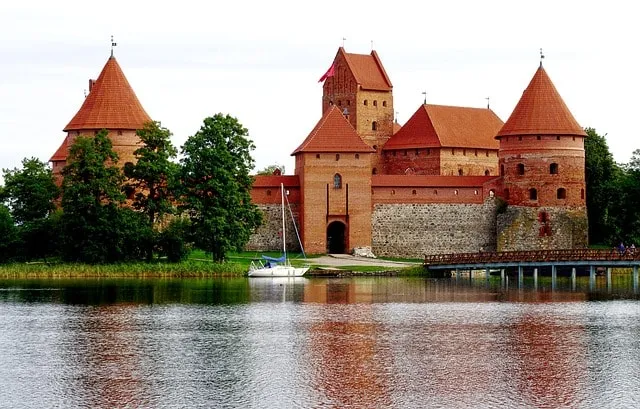
概述: 立陶宛位于波罗的海地区,地理位置优越,为企业家和投资者提供量身定制的黄金签证计划。立陶宛的投资门槛低,流程简化,是通往欧盟的极具吸引力的门户。
居留途径:
资格要求:
建立或投资一家立陶宛公司,最低股权价值为 28,000 欧元,个人出资至少 14,000 欧元。
雇用当地工人,其收入至少为全国平均工资(2,238 欧元)两倍。
永久居留:
连续临时居留五年后提出申请。
要求包括持续的商业活动、稳定的收入和有效的健康保险。
公民身份要求:
居住十年后(永久居留权为五年)有资格。
必须通过立陶宛语测试(B1级)和宪法考试。
罗马尼亚
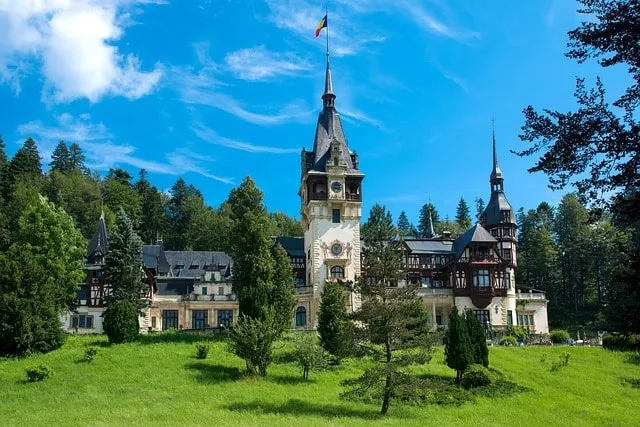
罗马尼亚是东欧地区一个快速崛起的投资者目的地,通过企业所有权或投资获得居留权,提供居留途径。罗马尼亚拥有投资者友好型环境、简化流程和战略位置,是希望在欧盟内建立或扩展业务的投资者的理想选择。
居住要求:
向有限责任公司(LLC)的最低投资额为 50,000 欧元,或向股份公司(JSC)的最低投资额为 70,000 欧元。
承诺为有限责任公司创造至少 10 个全职工作岗位,或为股份公司创造至少 15 个全职工作岗位。
提供罗马尼亚当局批准的详细商业计划。
永久居留:
之后可用 5年 的临时居留权。
申请人必须证明其遵守商业义务、有稳定的收入和健康保险。
公民身份要求:
符合条件后 3年 永久居留权(共八年)。
需要熟练掌握罗马尼亚语(B1 级)、了解宪法并融入罗马尼亚社会。
克罗地亚
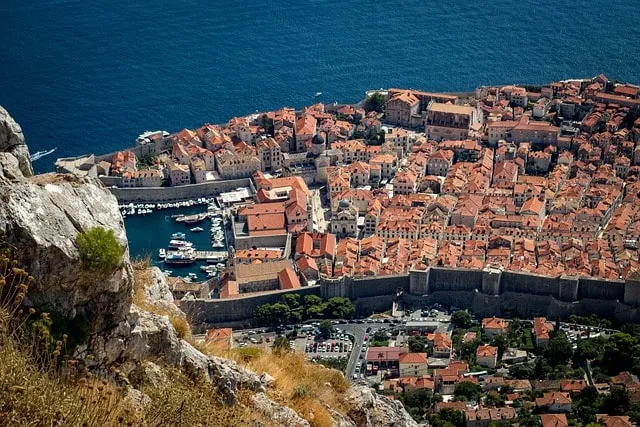
克罗地亚以其壮丽的亚得里亚海海岸线和高品质生活而闻名,为寻求在欧盟内居住并最终获得公民身份的投资者提供了极具吸引力的机会。凭借其商业友好的环境、申根区准入以及获得长期合法居留权的途径,克罗地亚正成为企业家、远程工作者和希望在欧洲建立业务的个人的热门目的地。
居住要求:
投资门槛:建立一个最低股本为 27,000 欧元的企业。
雇佣义务:无限期全职雇用至少三名克罗地亚公民。
自主就业:保持工资等于或大于全国平均工资总额的1.5倍。
其他要求:健康保险证明、无犯罪记录证明、以及本人和家属的足够经济能力。
永久居留:
连续持有临时居留权五年后可获得。
申请人必须证明财务稳定、遵守商业义务并保持有效的健康保险。
公民身份要求:
永久居留三年后即可获得资格(合法居留总计八年)。
必须证明其熟练掌握克罗地亚语(B1 级)、了解克罗地亚文化并融入克罗地亚社会。
数字游牧计划:克罗地亚还提供数字游民签证,允许非欧盟公民在克罗地亚远程生活和工作长达 12 个月。该计划为远程工作者提供了灵活性,没有续签选项。数字游民免征克罗地亚外国收入所得税。
爱沙尼亚
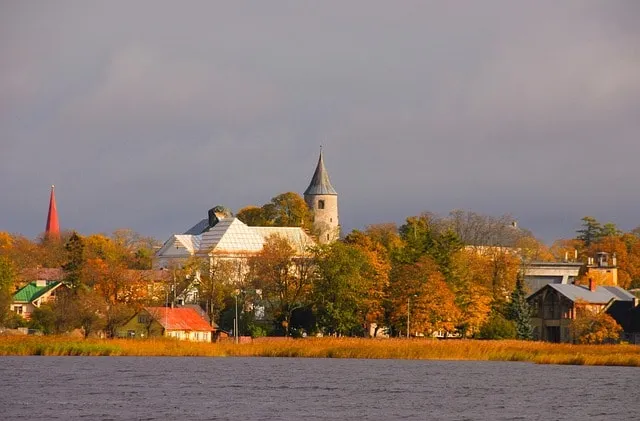
爱沙尼亚以其数字创新和商业友好环境而闻名,提供适合企业家和投资者的黄金签证计划。凭借其高度发达的电子政务基础设施和进入欧盟的战略通道,爱沙尼亚是希望建立或发展业务的人士的理想目的地。
居留要求(商业投资临时居留许可):
投资最低 €65,000 在爱沙尼亚公司或 €16,000 用于自主创业。
提交一份详细的商业计划,其中包括两年的财务预测和发展计划。
出示爱沙尼亚居住地址和健康保险证明。
每月合法收入至少 €1,200.
电子居留权:
爱沙尼亚的 电子居留计划 为寻求完全在线管理和发展业务的全球企业家提供数字身份。借助电子居留权,个人可以在爱沙尼亚成立公司、访问安全的数字服务并远程利用爱沙尼亚的商业基础设施,而无需在该国实际存在。
永久居留:
临时居留五年后可获得。
申请人必须证明其具备爱沙尼亚语基本能力、有效的健康保险和稳定的收入。
必须在爱沙尼亚官方人口登记册上登记。
公民身份要求:
永久居留五年后(总共十年)有资格。
演示 B1 级熟练程度 学习爱沙尼亚语并通过爱沙尼亚宪法和公民法的政府考试。
放弃现有公民身份,因为爱沙尼亚不允许双重国籍。
选择正确的计划

注意事项:
在选择最合适的东欧投资居留计划时,应考虑以下几个因素:
投资预算:
不同国家/地区的投资门槛各不相同,从克罗地亚的 27,000 欧元到保加利亚的 312,000 欧元不等。选择符合您的财务能力和业务目标的计划。
长期居留或公民身份目标:
有些国家(如立陶宛和爱沙尼亚)的计划规定,合法居住 10 年后即可获得公民身份,而其他国家(如罗马尼亚和波兰)的计划规定,居住 8 年后即可获得公民身份。确定您的重点是短期居住权还是长期融入和潜在的欧盟公民身份。
商业和个人偏好:
爱沙尼亚的电子居留权等计划非常适合寻求远程业务运营的数字企业家,而克罗地亚的数字游牧签证则专门针对远程工作者。考虑一下您的个人生活方式,无论您是喜欢亲自到场还是数字化管理您的投资。
针对不同类型投资者的建议:
数字游牧民:
克罗地亚 提供数字游民签证,对外国收入不征所得税,非常适合寻求灵活性和进入申根区的远程工作者。
爱沙尼亚 提供电子居留权,允许企业家以数字化方式管理企业,无需在该国实际存在。
小型企业家:
罗马尼亚 提供一种平衡的方法,具有合理的投资门槛(有限责任公司 50,000 欧元)和 8 年后获得公民身份的明确途径,适合那些寻求稳定业务扩展的人。
大型投资者:
保加利亚 提供高资本投资机会,例如向私营公司投资 3 万欧元即可获得永久居留权,满足那些寻求大幅业务扩展和经济贡献的人的需求。
住院医师培训项目比较:
拉脱维亚和立陶宛等国家提供经济高效的商业设置,并提供获得永久居留权的简单途径。另一方面,克罗地亚和爱沙尼亚提供的途径侧重于数字创新和技术驱动的创业,吸引了精通技术的投资者。
总结
东欧居留项目为在欧盟内寻求个人和职业发展的个人提供了一个极具吸引力的机会。
探索东欧居住项目的优势:
竞争性投资门槛:
与传统的西欧计划相比,东欧国家提供的投资要求较低,因此更容易吸引更广泛的投资者。
通过黄金签证计划获得欧盟居留权和公民身份的途径

大多数国家都提供了明确的临时和永久居留途径,其中几个国家在经过一段规定的合法居住期后,还提供了获得欧盟公民身份的途径。这确保了欧盟和申根区内的长期稳定和流动机会。
多样化的商业和生活方式机会:

从爱沙尼亚蓬勃发展的科技中心到克罗地亚蓬勃发展的旅游业,东欧提供了多种多样的行业供企业扩张。投资者可以根据自己的特定商业兴趣或生活方式偏好探索各种选择,例如远程工作或实体业务运营。
流程简便、审批快速:
拉脱维亚和爱沙尼亚等一些国家拥有简化的申请流程和相对较短的居留审批时间,确保投资者能够迅速建立合法身份。
进入发展中的经济体:
东欧提供了与快速发展的经济体接触的机会,使企业能够进入创新市场并建立跨行业合作伙伴关系。
通过探索这些计划,个人可以找到与他们的财务、职业和个人目标理想匹配的项目,同时享受生活在一个继续塑造全球流动性未来的地区的好处。

露西娜·萨尔基相
法律服务
一目了然
- 匈牙利 offers two active routes: a €250,000 real estate fund or a €1,000,000 donation, granting up to 10 years of residence with no minimum stay.
- 保加利亚 grants direct permanent residence for a €512,000 investment in regulated funds — processing takes roughly 6 to 8 months.
- 拉脱维亚 maintains its €250,000 property route (plus a 5% government fee) for five-year temporary residence.
- 黑山 requires €150,000 in property for one-year renewable residence, with EU accession expected around 2027 to 2028.
- 塞尔维亚 has no minimum investment threshold — company formation or property purchase leads to permanent residence after three years.
- 罗马尼亚 abandoned its proposed €400,000 golden visa in late 2025 after security concerns were raised by its defense council.
最后更新于2026年5月
Eastern Europe’s residency-by-investment landscape has shifted significantly since 2025. Schengen now includes 29 members after Bulgaria and Romania joined, the EU Court of Justice effectively ended citizenship-by-investment across the bloc, and several countries have adjusted their investor programs. If you are evaluating European residency through investment, 2026 demands a fresh comparison of what is actually available, what has changed, and what is coming next.
For background on residence planning and long-term strategy, see our guides to 居留证, 国籍和 签证. If your plan involves business ownership or property, review 商业登记 和 房地产 尽职调查,并提前做好计划 税务 implications. Armenia’s own investment residency program is covered in our 投资居留 指南。
Eastern Europe residency-by-investment landscape in 2026
Three developments from the past year define the current environment for investor residence in Eastern Europe.
Schengen now has 29 members. Bulgaria and Romania completed their full accession — including land borders — on 1 January 2025. Residence permits issued by any Schengen member state now grant visa-free travel across the entire zone, making these newer members substantially more attractive for mobility-focused investors.
The CJEU ended citizenship-by-investment in the EU. In April 2025, the EU Court of Justice ruled that Malta’s golden passport program was incompatible with EU law, describing it as an impermissible commercialization of nationality. This ruling effectively prevents any EU member state from operating a citizenship-by-investment scheme going forward. Residency-by-investment programs remain legal but face heightened scrutiny.
Several countries have tightened or closed programs. Spain abolished its golden visa on 3 April 2025. Greece sharply increased investment thresholds with zoning-based minimums. Italy raised its flat-tax regime for new residents to approximately €300,000 per year. Portugal removed real estate as an eligible investment category but continues to accept fund investments and job creation. Against this backdrop, Eastern European programs — particularly in non-EU candidate states — offer comparatively accessible entry points.
Country-by-country programs
Hungary — Guest Investor residence
Hungary launched the Guest Investor Residence Permit in mid-2024 under its new Aliens Act. The program originally offered three investment routes, but the €500,000 direct property purchase option was abolished on 15 January 2025 due to housing market concerns. Two routes remain active.
Investment options (mid-2026):
- €250,000 in a government-approved Real Estate Investment Fund (REIF). The fund must have at least 40% of assets in Hungarian residential real estate, be AIFM-authorized, and have AUM exceeding €100 million.
- €1,000,000 non-refundable donation to a higher education institution maintained by a public trust.
Permit details: The residence permit is valid for up to 10 years and renewable once for an additional 10 years, yielding a potential 20-year total. There is no minimum physical stay requirement, and the permit includes work rights without an additional work permit. Spouses, minor children, and dependent parents qualify for dependent permits with work rights. Processing takes approximately 4 to 6 months. Applications are submitted through Hungary’s Enter Hungary electronic system.
Bulgaria — Golden Visa and investor routes
Bulgaria offers multiple investor residence pathways, anchored by a golden visa that leads directly to permanent residence — not temporary residence first. Bulgaria fully joined the Schengen area in January 2025 (including land borders) and adopted the euro in January 2026, eliminating currency risk for fund-based investments.
Golden Visa (capital market route): Invest €512,000 in regulated instruments — shares listed on the Bulgarian Stock Exchange, private equity, venture capital, hedge funds, or regulated real estate investment companies. This grants direct permanent residence with processing of approximately 6 to 8 months. The investment must be maintained for five years to retain PR status and qualify for citizenship by naturalization.
Investment Promotion Act routes:
- €256,000 in a Bulgarian company in an economically disadvantaged region plus 10 full-time jobs leads to permanent residence.
- €1,023,000 in shares or bonds of a Bulgarian company leads to permanent residence.
- €3,070,000 in shares or capital of a joint-stock company leads to permanent residence.
房地产路线: A property purchase of approximately €307,000 to €316,000 (BGN 600,000) grants a one-year renewable long-term residence permit. Permanent residence follows after five continuous years.
Business-based routes: Company owners or managers employing 10 or more full-time Bulgarian employees qualify for one-year renewable residence. Foreign companies with annual turnover of at least €52,000 can register a trade representative office for up to three representatives. Regional investment of €128,000 with five full-time jobs also qualifies.
国籍: Bulgaria abolished its citizenship-by-investment program. The only path to citizenship is through naturalization after maintaining permanent residence and investment for five years, along with meeting language and integration requirements.
Latvia — investor residence
Latvia’s investor residence program remains active in 2026, having historically issued over 19,300 permits to investors and family members between 2010 and 2021.
投资选择:
- €250,000 in real estate plus a 5% government fee — the most popular route.
- €50,000 in a Latvian company.
- €280,000 银行存款。
Permit details: Five-year temporary residence permit with no physical stay requirement. Permanent residence follows after five years. Latvia is an EU and Schengen member state. Parliament is considering reducing the company investment permit validity from five years to two years, though this reform has not yet been enacted.
Montenegro — investor residence
Montenegro terminated its citizenship-by-investment program on 31 December 2022 under EU pressure, having issued approximately 484 citizenships. There has been no relaunch. However, Montenegro continues to offer residency through investment, and its EU candidacy — with accession expected around 2027 to 2028 — makes it an interesting forward-looking option.
Investment options (formalized 17 January 2026):
- €150,000 in real estate (minimum taxable value) — grants a one-year renewable temporary residence permit.
- 公司注册 with at least €5,000 per year in combined tax and social contributions — also grants one-year renewable temporary residence.
获得永久居留权的途径: Five years of continuous temporary residence. Montenegrin residence does not currently grant EU free movement or Schengen travel — that changes only upon EU accession, which is not yet legally fixed.
公司税: Progressive — 9% on profits up to €100,000, 12% on profits between €100,000 and €1.5 million, and 15% on profits above €1.5 million.
Serbia — investor residence
Serbia does not have a branded golden visa program, but it offers accessible investor residence with no statutory minimum investment requirement — the lowest barrier to entry in the region.
投资选择:
- 公司注册 — no statutory minimum capital. Must demonstrate genuine business activity. Estimated operating costs of approximately €3,900 per year.
- 建筑地产 — no legal minimum. Advisors generally recommend at least €250,000, though entry-level properties start around €50,000 outside major cities and €80,000 in Belgrade.
Permit details: One-year renewable temporary residence. Permanent residence follows after three continuous years — the fastest PR timeline in the region. Processing typically takes 1 to 3 months. Serbia is an EU candidate country but not a member, and accession remains a longer-term prospect. Serbian residence does not currently confer Schengen travel rights.
公司税: 持平 15%。
Romania — golden visa proposal abandoned
Romania published a golden visa bill in October 2025 proposing a €400,000 investment threshold for a five-year renewable residence permit with a citizenship pathway. However, the proposal was withdrawn from Parliament in November 2025 after Romania’s Supreme Council of National Defense (CSAT) raised concerns about threats to Schengen membership, potential real estate speculation, and security gaps that could arise from granting Schengen travel rights through investment-based permits.
As of May 2026, there has been no revival of the proposal. Plans reportedly exist to reintroduce it in revised form, but no timeline has been confirmed. Romania remains a Schengen member state (full accession including land borders since January 2025), and its existing company formation route for residence remains available.
并排比较
| 国家 | 状态 | 最小化的投资 | 许可证类型 | 的解决方案 | 通往 PR 的道路 | 申根 | 公司税 |
|---|---|---|---|---|---|---|---|
| 匈牙利 | 有效 | 250,000 欧元(基金) | 10年居住 | 4-6个月 | Renewable for 10 more years | Yes (member) | 9% |
| 保加利亚 | 有效 | €512,000 (funds) or ~€307,000 (property) | Direct PR (funds) or 1-year temp (property) | 6-8个月 | Immediate (fund route) or 5 years (property) | Yes (since Jan 2025) | 10% |
| 拉脱维亚 | 有效 | €250,000 (property + 5% fee) | 5-year temp residence | 可变 | 在5年之后 | Yes (member) | 20% |
| 黑山 | 有效 | €150,000 (property) | 1-year renewable temp | 可变 | 在5年之后 | 否(欧盟候选人) | 9-15% |
| 塞尔维亚 | 有效 | 无法定最低限额 | 1-year renewable temp | 1-3个月 | 在3年之后 | 否(欧盟候选人) | 15% |
| 罗马尼亚 | 弃 | €400,000 (proposed) | 5-year renewable (proposed) | 无 | 无 | Yes (since Jan 2025) | 10-16% |
Key factors for investors
Mobility and Schengen access
For investors prioritizing travel freedom, Schengen membership is the critical differentiator. Hungary, Bulgaria, Latvia, and Romania are all Schengen members — a residence permit from any of these countries allows visa-free movement across the 29-member zone. Montenegro and Serbia are not Schengen members and will not be until their respective EU accession processes are complete. If near-term European mobility is your primary goal, an EU/Schengen member state is the clear choice.
公民身份途径
Citizenship-by-investment is no longer available in any EU member state following the CJEU Malta ruling. All paths to EU citizenship now require a period of legal residence, language proficiency, and integration — typically five to eight years depending on the country. Bulgaria requires five years of maintained investment plus naturalization conditions. Hungary’s Guest Investor permit does not have a minimum stay requirement, which complicates the practical path to citizenship since most naturalization rules require physical presence.
Montenegro’s potential EU accession (expected 2027 to 2028, though not legally guaranteed) makes it an interesting pre-accession play: investors who establish residence now could hold an EU-qualifying status if and when Montenegro joins. Serbia’s accession timeline is longer and less certain.
税务环境
Corporate tax rates vary significantly across the region. Hungary offers the lowest rate in the EU at 9%. Bulgaria follows at 10% — and has the added advantage of having adopted the euro in January 2026, which eliminates currency conversion costs and exchange rate risk. Serbia’s flat 15% rate is competitive by global standards. Montenegro’s progressive structure (9% to 15%) favors smaller businesses.
Tax planning should account for personal income tax, capital gains treatment, double tax treaty networks, and any special regimes. Model your outcomes across jurisdictions before committing to an investment. Our 税务指南 covers how cross-border residence affects reporting obligations.
EU regulatory risk
The EU’s direction of travel is clear: eliminate CBI, fold RBI intermediaries into anti-money-laundering compliance frameworks, and pressure member states toward stricter oversight. RBI operators are now classified as obliged entities under the EU’s AML single rulebook, meaning enhanced due diligence, reporting requirements, and compliance costs. No new EU-wide harmonization of RBI rules has been proposed, but the regulatory environment is tightening incrementally. Investors should structure for substance and compliance to future-proof their residence strategy.
如何选择合适的课程
Your choice depends on your priorities. If Schengen mobility is essential, focus on Hungary (lowest entry at €250,000 fund investment), Bulgaria (direct PR for €512,000), or Latvia (€250,000 property). If you want the lowest capital outlay with a fast path to permanent residence, Serbia offers no minimum investment and PR after just three years. If you are willing to take a calculated bet on EU accession, Montenegro provides property-based residence at €150,000 with potential EU membership on the horizon.
Consider combining strategies: establish residence in a Schengen state for immediate mobility while maintaining business interests in a lower-cost jurisdiction for tax efficiency. Armenia’s own 投资居留计划 can complement a European strategy for investors seeking an additional base of operations.
Action items before committing:
- Choose your investment instrument (property, fund, company, donation) based on your risk tolerance, liquidity needs, and holding period.
- Model tax outcomes across jurisdictions, including personal income tax, corporate tax, capital gains, and treaty coverage.
- Document genuine economic ties and substance. In the current EU environment, compliance and real presence are essential for long-term security.
- Engage local counsel in the target jurisdiction and confirm current program requirements — rules change frequently.
