
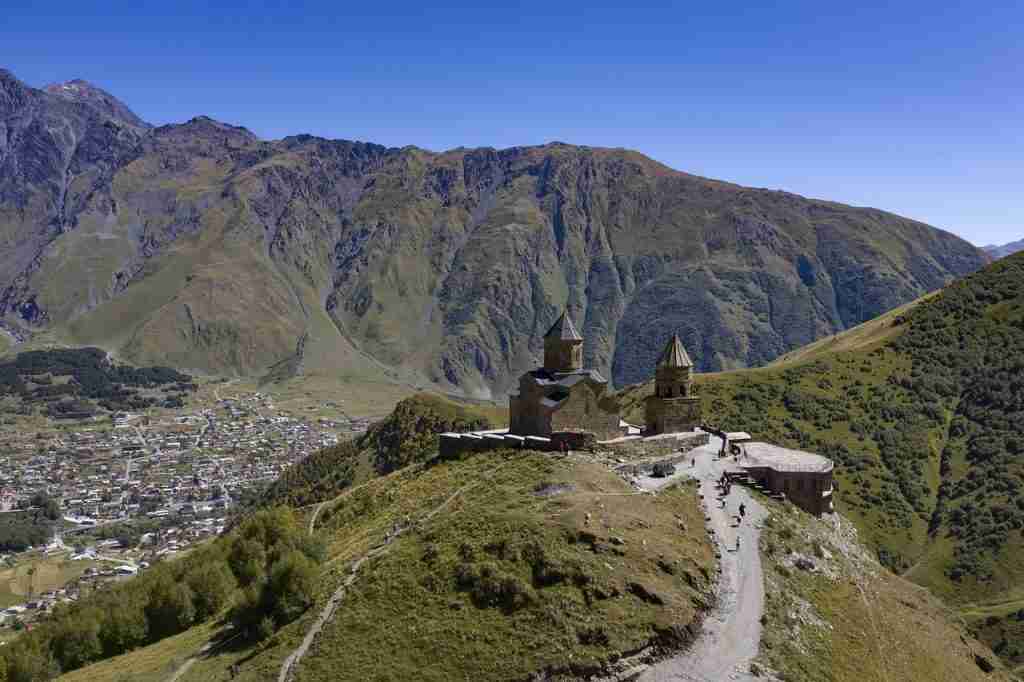
La Repubblica di Armenia, un paese senza sbocco sul mare ricco di storia e tradizione, detiene la distinzione di essere stato il primo paese ad adottare il cristianesimo come religione ufficiale nel 301 d.C. Questo evento monumentale, sotto la guida di Gregorio l'Illuminatore e del re Tiridate III, ha stabilito l'Armenia come il primo Nazione cristiana, un'eredità che continua a plasmare l' Identità armena oggi. La Chiesa apostolica armena, pilastro della fede, rimane centrale nella vita spirituale e culturale del popolo armeno. Nonostante le sue radici cristiane, l'Armenia sostiene il pluralismo religioso, con la sua Costituzione che garantisce la libertà di religione, creando un ambiente armonioso per gli individui di tutte le fedi.
La Chiesa Apostolica Armena: un pilastro della fede
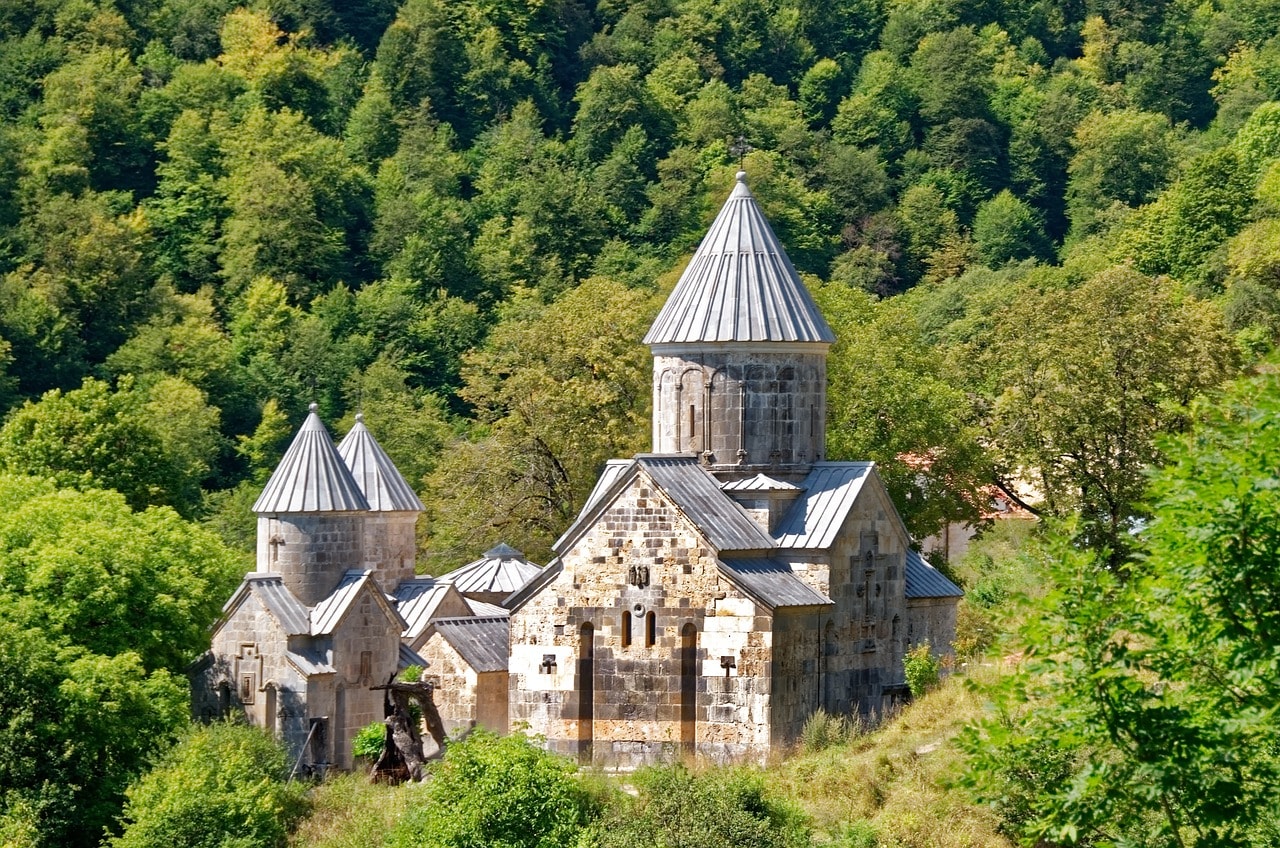
La Chiesa Apostolica Armena è la chiesa nazionale dell'Armenia ed è profondamente intrecciata all'identità nazionale armena. Come membro delle Chiese Ortodosse Orientali, aderisce al miafisismo, una dottrina che afferma l'unica natura incarnata di Gesù Cristo.
La Chiesa armena, fondata durante l'era paleocristiana, gode anche di uno status costituzionale unico. La Costituzione dell'Armenia la riconosce esplicitamente come custode dell'eredità culturale e spirituale armena, evidenziandone l'influenza sulla letteratura, l'istruzione e le arti armene.
La divina liturgia della Chiesa armena è una testimonianza della sua ricca tradizione, caratterizzata da elaborati rituali e inni sacri. Le principali celebrazioni religiose come Pasqua, Natale e le feste commemorative degli apostoli Bartolomeo e Taddeo, che portarono il cristianesimo in Armenia, riflettono la fede duratura del popolo armeno.
Oltre la fede apostolica: il pluralismo religioso in Armenia
Mentre la Chiesa apostolica armena rimane dominante, l'Armenia ospita un variegato arazzo spirituale. Tra le altre denominazioni ci sono la Chiesa cattolica armena, varie denominazioni protestanti e l'antica comunità yazida, il più grande gruppo non cristiano del paese.
La Moschea Blu di Yerevan è il simbolo della tolleranza religiosa dell'Armenia e del suo riconoscimento dell'eredità islamica. Nonostante l'influenza dell'Unione Sovietica, che ha cercato di sopprimere le pratiche religiose, l'Armenia indipendente ha riabbracciato la sua fede cristiana, promuovendo al contempo l'inclusività.
Pellegrinaggio e luoghi sacri per i cristiani armeni
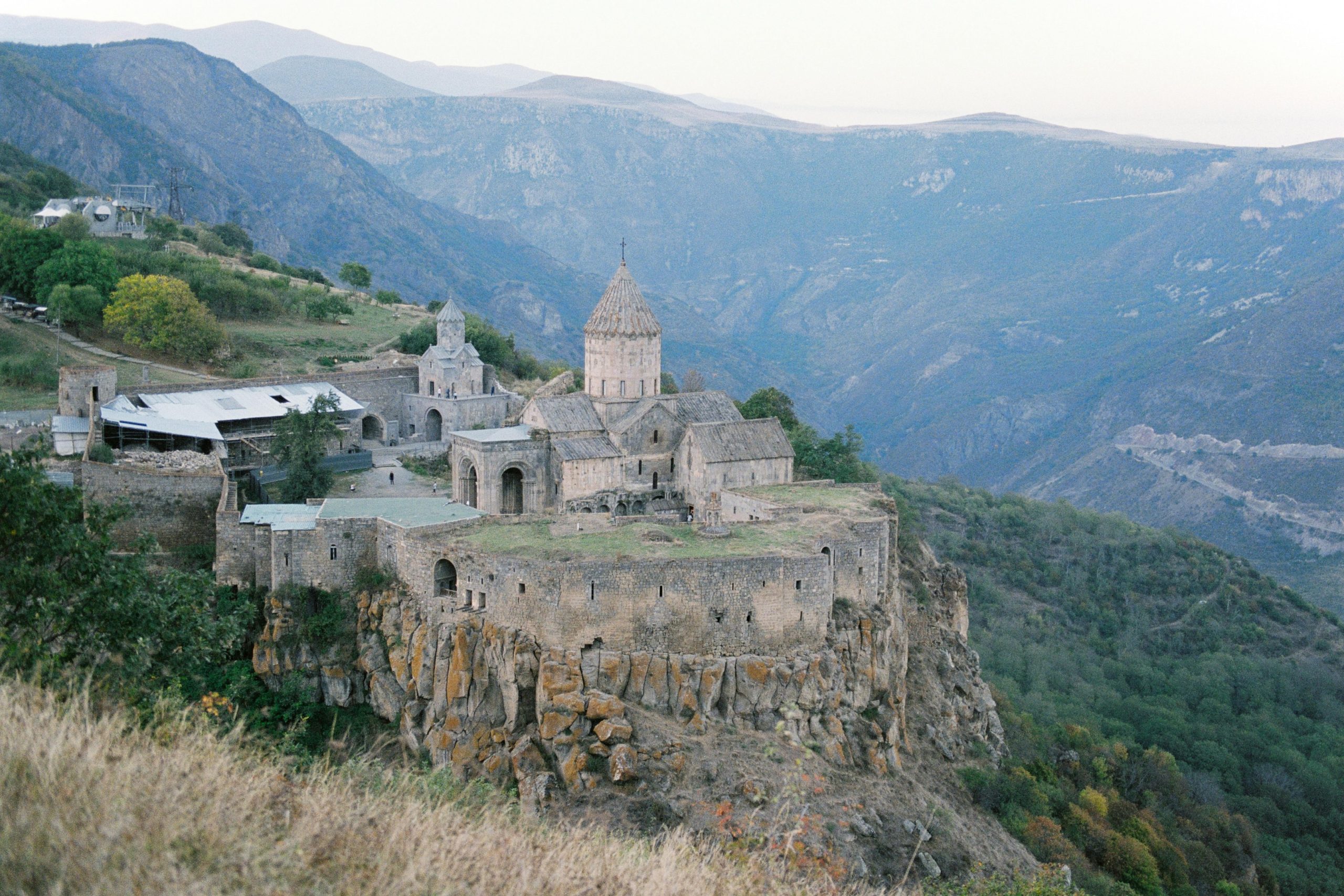
L'Armenia vanta una ricchezza di luoghi sacri che attraggono pellegrini e turisti. La Cattedrale di Santa Etchmiadzin, il centro spirituale della Chiesa Apostolica Armena, è venerata come la prima cattedrale costruita nell'antica Armenia. Allo stesso modo, il Monastero di Geghard, un sito patrimonio Mondiale dell'UNESCO, scavata in parte nella roccia di una montagna, esemplifica l'eredità architettonica e spirituale della Chiesa armena.
Altri siti degni di nota includono il monastero di Khor Virap, dove fu imprigionato Gregorio l'Illuminatore, e il monastero di Tatev, un gioiello dell'architettura armena medievale. Il pellegrinaggio in questi siti consente ai fedeli di entrare in contatto profondo con le proprie radici spirituali e con la storia del cristianesimo armeno.
Feste religiose: una sinfonia di fede e cultura
Le feste religiose in Armenia fondono perfettamente tradizioni cristiane, patrimonio culturale e celebrazioni comunitarie. Vardavar, una festa radicata nelle tradizioni precristiane ma ora celebrata come parte del calendario della Chiesa apostolica armena, prevede di bagnare gli altri con acqua, a simboleggiare purificazione e rinnovamento.

La Festa dei Santi Traduttori (Targmanchats) onora gli studiosi che hanno tradotto la Bibbia in armeno, preservando la lingua e la cultura armena. Un altro evento caro, il Giorno della Benedizione dell'Uva (Khaghoghorhnek), è una cerimonia vibrante in cui vengono benedetti i primi frutti del raccolto, mostrando l'intreccio di fede e tradizioni agrarie. Queste feste riflettono l'identità unica dei cristiani armeni e garantiscono la continuazione della sua ricca eredità culturale.
Disposizioni speciali per la cittadinanza armena
Riconoscendo il ruolo fondamentale della religione nel patrimonio armeno, il paese offre percorsi per gli individui di origine armena per acquisire cittadinanza. Tra coloro che possono richiedere la cittadinanza ci sono gli armeni cattolici e gli armeni evangelici, entrambi con un distinto patrimonio storico e culturale all'interno della più ampia comunità cristiana armena. Coloro che possono fornire un certificato di battesimo che indichi le loro radici armene possono richiedere la cittadinanza armena, rafforzando i legami tra la diaspora armena e la loro patria ancestrale.
Questa disposizione riflette l'impegno dell'Armenia nel preservare la sua identità nazionale cristiana, abbracciando al contempo la sua comunità globale. Molti discendenti degli armeni dell'Impero ottomano e dell'Impero russo trovano questo processo un mezzo accessibile per riconnettersi con le loro radici culturali e spirituali.
Registrazione delle organizzazioni religiose in Armenia
Per coloro che desiderano stabilire un'organizzazione religiosa in Armenia, è richiesta la certificazione del Council of Religious Affairs. Le organizzazioni devono dimostrare il loro status tradizionale, supportato da scritture canoniche e continuità storica. È inoltre necessaria una membership minima di 200 individui, esclusi i minori.
Questo quadro, radicato sia nei precedenti storici che legali, assicura che i gruppi religiosi registrati contribuiscano in modo significativo al tessuto spirituale e sociale dell'Armenia. Per ulteriori indicazioni sulla registrazione di una comunità religiosa, visitate il nostro sito.
Conclusione: la fede come pietra angolare dell’identità nazionale armena
La religione in Armenia non è semplicemente un sistema di credenze, ma il cuore pulsante della sua identità nazionale. Anche il rapporto della Chiesa armena con la Chiesa cattolica romana ha avuto un ruolo nel plasmare la sua identità unica. Dall'adozione del cristianesimo come religione di stato alla conservazione delle tradizioni ortodosse orientali e ortodosse orientali, l'interazione tra fede e cultura continua a plasmare la comunità cristiana armena.
Mentre l'Armenia naviga nel suo futuro, la Chiesa apostolica armena e i suoi contributi storici, come l'alfabeto armeno e le ricche tradizioni liturgiche, rimarranno fondamentali. Le vivaci feste religiose, gli spazi sacri e l'eredità cristiana dell'Armenia assicurano la resistenza della sua identità unica, che risuona sia all'interno del paese che nella sua diaspora globale.
Se sei interessato a saperne di più sull'immigrazione armena e sui servizi aziendali, sentiti libero di visitare nella nostra pagina internet.

Anzhelika Hakobyan
Procuratore
A colpo d'occhio
- Armenia is overwhelmingly Christian: about 97.5% of declared believers identify with the Armenian Apostolic Church, with Yazidi, Armenian Catholic, Jewish, Protestant, and Muslim communities making up the remainder.
- The Constitution guarantees freedom of religion (Article 41) while recognizing the Armenian Apostolic Church’s “exceptional mission” in national identity (Article 18).
- Population is approximately 3.097 million (January 2026), with a far larger diaspora of 5–9 million globally.
- The Yazidi community is Armenia’s largest non-Christian minority, numbering over 32,000 people concentrated in Armavir and Aragatsotn provinces.
- Religious organizations seeking official registration must meet a minimum membership threshold, though ethnic minority groups are exempt.
- UNESCO recognizes several Armenian faith-linked traditions, including the pilgrimage to the Saint Thaddeus Monastery and the Kochari dance.
Ultimo aggiornamento giugno 2026
Armenian religion is central to the country’s history and nationhood. Understanding the belief systems of Armenia helps explain how faith shapes identity at home and across a vast diaspora, and how today’s legal framework protects pluralism while honoring the Armenian Apostolic Church’s cultural role.
Contenuti
- Religious landscape and demographics
- Armenian Apostolic Church: faith, history, and national role
- Sacred sites and pilgrimage
- Religious festivals and celebrations
- Church–state relations and education
- Religious minorities in Armenia
- Legal framework for religious organizations
- Citizenship and the diaspora
- Domande frequenti
Religious landscape and demographics
Armenia’s population stands at approximately 3.097 million as of January 2026 (Armstat), while the Armenian diaspora is estimated at 5–9 million worldwide, underscoring the global reach of Armenian identity and traditions.
Religiously, Armenia is highly homogeneous: an estimated 97.5% of declared believers identify as Armenian Apostolic Christians according to the 2022 national census, as cited in the U.S. State Department’s 2023 International Religious Freedom report. Several minority communities contribute to the country’s pluralism, including over 32,000 Yazidis, approximately 17,884 Armenian Catholics, a Jewish community of 500–1,000 people, and various Protestant and Muslim congregations.
| Comunità | Dimensioni approssimative | Note |
|---|---|---|
| Chiesa Apostolica Armena | 97.5% of declared believers | 2022 census, cited in 2023 IRF report |
| comunità yazida | Nel corso 32,000 | 2022 census; primarily in Armavir and Aragatsotn provinces |
| Chiesa cattolica armena | 17,884 (% 0.61) | 2022 census figure; corrects older 14,000 estimate |
| Comunità ebraica | 500-1,000 | Primarily in Yerevan; one synagogue |
| Denominazioni protestanti | Small congregations | Evangelical, Pentecostal, and other groups |
| Comunità musulmana | ~800–1,000 in Yerevan | Blue Mosque is the only active mosque in Armenia |
Fondamento giuridico
Freedom of religion is guaranteed by the Constitution (Article 41). The Armenian Apostolic Church’s cultural “exceptional mission” is explicitly recognized in Article 18. Both provisions remain in force under the 2015 Constitution as of June 2026.
If you are exploring long-term stays in Armenia for study, community work, or ministry, see our guides on visti and residenza.
Armenian Apostolic Church: faith, history, and national role
The Armenian Apostolic Church is the national church and a central component of Armenian identity. Armenia adopted Christianity as its state religion in 301 AD, making it the first nation to do so. The Constitution explicitly acknowledges the Church’s “exceptional mission” in preserving national culture and values (Article 18), while affirming freedom of religion (Article 41) for all communities.
The Church is headed by the Catholicos of All Armenians, whose seat is at the Mother See of Holy Etchmiadzin near Yerevan. The Church belongs to the Oriental Orthodox family of churches and maintains its own distinct liturgical traditions, calendar, and theological heritage. Its influence extends well beyond Armenia’s borders through dioceses serving the global diaspora.
Sacred sites and pilgrimage
Armenia’s faith life is expressed through centuries-old sacred sites and traditions, several of which hold international recognition.
Patrimonio mondiale dell'UNESCO
Cattedrale di Etchmiadzin is the spiritual headquarters of the Armenian Apostolic Church and part of the UNESCO World Heritage inscription “Cathedral and Churches of Echmiatsin and the Archaeological Site of Zvartnots.” It is the primary pilgrimage center for Armenians worldwide and the seat of the Catholicos.
Monastero di Geghard, inscribed as “Monastery of Geghard and the Upper Azat Valley,” features remarkable rock-cut churches dating to the medieval period. It remains a major pilgrimage and tourist destination.
Principali mete di pellegrinaggio
Khor Virap is among the most visited pilgrimage shrines in Armenia, associated with Saint Gregory the Illuminator’s imprisonment and the subsequent Christianization of the country. Its location near the Turkish border with views of Mount Ararat adds to its spiritual significance.
Monastero di Tatev is a large medieval monastery complex in southern Armenia, accessible via the Wings of Tatev aerial tramway. It is a flagship site in Armenia’s religious tourism strategy.
UNESCO also inscribed the annual pilgrimage to the Saint Thaddeus Apostle Monastery on the Representative List of the Intangible Cultural Heritage of Humanity. Note that this is a three-day pilgrimage held annually in northwestern Iran, carried out mainly by Armenian communities in Iran. The Kochari dance, performed at religious and community celebrations, is also recognized by UNESCO for its role in social cohesion and identity.
La Moschea Blu
The Blue Mosque (Goy Masjid) in central Yerevan is the only active mosque in Armenia. Restored and reopened in 1999, it serves as both a functioning religious mosque for the city’s small Muslim community and a cultural visitor site. The mosque is open daily and stands as a reminder of the historical Muslim presence in the region.
Religious festivals and celebrations
Armenian religious festivals follow the Armenian Apostolic Church calendar and differ in some dates from Western Christian traditions. Key celebrations for 2026 include:
| Festival | Data 2026 | Significato |
|---|---|---|
| Christmas and Theophany | Gennaio 6 | The AAC celebrates Nativity and Baptism of Christ together; a public holiday |
| Easter (Zatik) | Aprile 5 | Feast of the Glorious Resurrection |
| Vardavar (Transfiguration) | Luglio 12 | Official Transfiguration feast with traditional water-splashing; one of the most popular celebrations |
| Assumption and Grape Blessing | agosto 16 | Grapes and fruits are blessed after Divine Liturgy; widely observed |
| Feast of Holy Translators | Ottobre 10 | Honors Saints Sahak and Mesrop, creators of the Armenian alphabet |
Vardavar is particularly distinctive. Rooted in pre-Christian tradition, it is celebrated 14 weeks after Easter with people of all ages splashing water on each other in public spaces. It has become one of Armenia’s most joyful and widely participated celebrations, blending ancient custom with Christian meaning.
Church–state relations and education
The relationship between the Armenian Apostolic Church and the state is constitutionally defined. The 2015 Constitution guarantees freedom of religion and equal legal protections for all denominations (Article 41), while acknowledging the Armenian Apostolic Church’s special cultural role (Article 18). Both provisions remain in force as of mid-2026.
Developments in 2025–2026
The institutional relationship between the government and the Armenian Apostolic Church has come under significant strain in 2025–2026. Reports indicate that the Head of the Penitentiary Service banned AAC clergy from prisons and hired state-approved clergy directly, and that the National Security Service issued directives relating to Church restructuring. These developments have drawn international attention, including concern expressed by the UK All-Party Parliamentary Group on Freedom of Religion or Belief.
While the constitutional text protecting religious freedom remains unchanged, these events highlight the evolving dynamics between church and state in Armenia. A new constitutional referendum is planned for 2026 and is expected to retain recognition of the Armenian Apostolic Church.
Educazione religiosa
During the 2023 school year, Armenia removed the standalone mandatory “History of the Armenian Church” course from the national curriculum, integrating its content into broader Armenian studies. This change was made partly in response to concerns raised by minority religious groups about the mandatory nature of church-specific instruction.
Religious minorities in Armenia
While the Armenian Apostolic Church constitutes the vast majority, several minority communities contribute to Armenia’s evolving religious life.
comunità yazida
The Yazidi community is Armenia’s largest non-Christian minority, with over 32,000 members recorded in the 2022 census. Yazidis are concentrated primarily in Armavir province (approximately 17,665 people, or 43.5% of all Yazidis in Armenia), Aragatsotn province (6,405), and Ararat province (5,940). Their villages cluster around Mount Aragats and the Ararat plain. The Yazidi faith is a distinct monotheistic religion with ancient roots, and the community maintains its own traditions, language (Kurmanji), and social structures.
Armenian Catholics
The Armenian Catholic Church has deep historical roots and maintains communion with the Holy See. The 2022 national census recorded 17,884 Catholics in Armenia, representing 0.61% of the population. This figure updates older estimates of approximately 14,000 that were based on the 2011 census. The community maintains cultural and liturgical traditions in the Armenian rite.
Comunità ebraica
Armenia’s Jewish community numbers between 500 and 1,000 people, primarily in Yerevan, with a small presence in Vanadzor. The community operates one synagogue in the capital and provides opportunities for community education. The World Jewish Congress (late 2024) estimates approximately 500 members, while U.S. State Department reporting suggests the figure may be as high as 1,000.
Denominazioni protestanti
Protestant communities, including Evangelical and Pentecostal congregations, are present in Armenia as part of the country’s religious mosaic. They benefit from the same constitutional protections enjoyed by all faiths, though they have historically faced social pressure in some communities.
Comunità musulmana
Armenia’s Muslim community is small, with an estimated 800–1,000 people in Yerevan. The Blue Mosque (Goy Masjid), located in central Yerevan, is the only active mosque in the country. Restored and reopened in 1999, it serves as both a place of worship and a cultural site open to visitors.
Legal framework for religious organizations
Armenia’s legal framework for religion rests on two constitutional pillars: Article 41 guarantees freedom of religion for all individuals and communities, and Article 18 acknowledges the Armenian Apostolic Church’s “exceptional mission” in preserving national culture. These provisions coexist with specific legislation governing the registration and operation of religious organizations.
Requisiti per la registrazione
Under Armenian law, religious organizations seeking official registration must meet a minimum membership threshold of 200 members. Registration is required for organizations that wish to own property, employ staff, or operate officially. Ethnic minority religious organizations — including Yazidi, Jewish, and Assyrian communities — are exempt from this threshold. The Venice Commission has noted concerns about the impact of this requirement on smaller, non-traditional religious groups.
Citizenship and the diaspora
For members of the Armenian diaspora considering a legal connection to the Republic, citizenship by descent hinges on proving Armenian ancestry — not religious denomination. Government-recognized church baptismal certificates and other family records can serve as evidence in a descent-based application.
- Confirm eligibility for citizenship by descent and gather proof of Armenian ancestry (government-recognized baptismal or parish records, civil registry certificates). See our guide to proving Armenian ancestry.
- Obtain certified copies and, where required, apostille/legalize and translate documents.
- Submit your application via Armenian diplomatic missions or in Armenia, following the latest procedural instructions. See our Panoramica sulla cittadinanza.
If you plan to relocate after citizenship or before it is granted, review pathways for residenza temporanea o permanente e il diritto Visa per il tuo soggiorno
Conclusione
Armenian religion remains a cornerstone of national identity. The Armenian Apostolic Church encompasses the great majority of believers, while the constitutional framework protects pluralism and supports minority communities — from the Yazidi villages of Armavir to the Jewish congregation in Yerevan and the Blue Mosque’s small Muslim community. UNESCO-recognized traditions and a vast diaspora keep the belief systems of Armenia vibrant and global. If you are exploring ties to Armenia through study, service, residence, or citizenship by descent, our team can guide your next steps. Contattaci per iniziare.
Domande frequenti
What is the dominant religion in Armenia?
Approximately 97.5% of declared believers in Armenia identify with the Armenian Apostolic Church, according to the 2022 national census as cited in the U.S. State Department’s 2023 International Religious Freedom report.
Does the Constitution protect freedom of religion?
Yes. Article 41 of the Constitution guarantees freedom of religion for all individuals and communities, and Article 18 recognizes the Armenian Apostolic Church’s cultural mission. Both provisions remain in force under the 2015 Constitution.
Who are the Yazidis in Armenia?
The Yazidi community is Armenia’s largest non-Christian minority, with over 32,000 members recorded in the 2022 census. They follow a distinct monotheistic faith and are concentrated primarily in Armavir and Aragatsotn provinces, with villages around Mount Aragats and the Ararat plain.
How large are the Armenian Catholic and Jewish communities?
The 2022 census recorded 17,884 Armenian Catholics (0.61% of the population). The Jewish community numbers between 500 and 1,000 people, primarily in Yerevan, with one active synagogue.
What are the main religious festivals in Armenia?
Key Armenian religious festivals include Christmas and Theophany (January 6), Easter (Zatik), Vardavar or Transfiguration (a summer celebration with traditional water-splashing), the Assumption and Grape Blessing, and the Feast of Holy Translators honoring the creators of the Armenian alphabet.
Can baptismal certificates help with Armenian citizenship by descent?
Yes. Government-recognized church baptismal certificates can be used to prove Armenian ancestry in descent-based citizenship applications. Other family records such as civil registry certificates are also accepted.
