
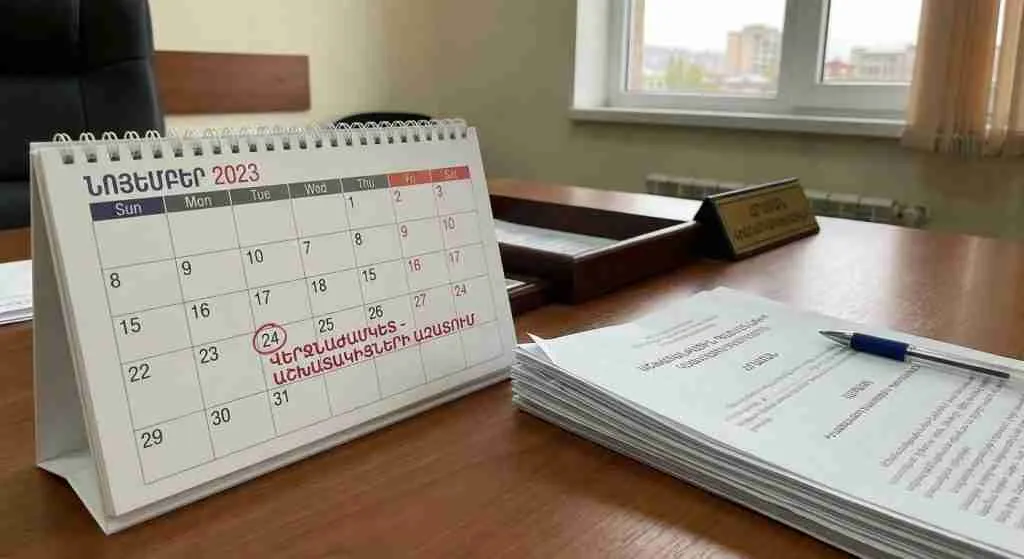
يجب أن تتوافق عمليات الفصل في أرمينيا مع أساس قانوني مدرج في المادة 113 من قانون العمل وأن تتبع قواعد صارمة للإخطار والإنهاء والأوراق الرسمية؛ وإلا فإنها تعتبر غير قانونية.
تشمل الأسباب القانونية النموذجية التصفية، وتقليص عدد الموظفين، وعدم الملاءمة، وسوء السلوك المتكرر، وفقدان الثقة، والعجز طويل الأمد؛ ولا يمكن فصل الفئات المحمية (مثل الحمل، والنشاط النقابي) على هذه الأسباب.
تتراوح متطلبات الإخطار من فوري (سوء السلوك الجسيم) إلى شهرين (التصفية / التسريح الجماعي)، مع إخطار قائم على مدة الخدمة من 14 إلى 60 يومًا لعدة أسباب لا تتعلق بالخطأ؛ ويمكن لأصحاب العمل الدفع بدلاً من ذلك إذا كان مسموحًا به.
ينطبق التعويض في حالة الفصل الذي لا يكون خطأ الموظف: متوسط أجر شهر واحد في حالة التسريح/التصفية؛ وإلا فإنه يتم صرف تعويض متدرج لمدة 10-44 يومًا حسب مدة الخدمة.
تُستحق الأجور النهائية والإجازات غير المستخدمة ومكافأة نهاية الخدمة وأي مدفوعات بديلة عن الإشعار في آخر يوم عمل، مع تقديم الأوامر والتسليمات المناسبة لتجنب إعادة التعيين والعقوبات.
تُعدّ الأخطاء الإجرائية في حالات الفصل من العمل مكلفة في أرمينيا. ولفصل موظف بشكل قانوني، يجب على أصحاب العمل اختيار الأساس القانوني الصحيح، وتطبيق الإشعار والتعويض المناسبين، واستكمال الأوراق المطلوبة في الوقت المحدد. يُلخّص هذا الدليل قواعد إنهاء الخدمة في قانون العمل الأرميني - فترات الإشعار، والتعويضات، والوثائق المطلوبة - لتمكينكم من فصل موظف في أرمينيا بشكل قانوني.
هل تحتاج إلى استشارة قانونية متخصصة بشأن قانون العمل الأرميني؟
يختص محامونا المرخصون بالامتثال لقانون العمل الأرميني ويمكنهم المساعدة في ضمان أن تكون إجراءات إنهاء الخدمة الخاصة بك سليمة قانونيًا.
احصل على الدعم القانوني المهنيجدول المحتويات
الأسس القانونية لإنهاء الخدمة بموجب قانون العمل الأرميني
تُعتبر أرمينيا دولة ذات "قائمة مغلقة": لا يجوز لصاحب العمل فصل أي موظف إلا للأسباب القانونية المنصوص عليها في المادة 113 من قانون العمل. ومن أمثلة هذه الأسباب: تصفية الشركة، وتقليص/إعادة هيكلة القوى العاملة، وعدم ملاءمة الموظف للوظيفة، والتقصير المتكرر في أداء الواجبات (إجراء تأديبي)، وفقدان الثقة، والعجز طويل الأمد، وحالات أخرى محددة مثل انتهاء عقد محدد المدة أو فشل فترة التجربة. ويُعدّ الفصل خارج هذه الأسباب مخالفًا للقانون.
من هم المشمولون بالحماية: الأسباب المحظورة وفئات الموظفين المشمولين بالحماية
تُعتبر حالات الفصل لأسباب محظورة باطلة. يحظر قانون العمل الفصل بسبب النشاط النقابي أو لأسباب أخرى محمية، كما يحظر الفصل أثناء الحمل وإجازة الأمومة/الأبوة، بالإضافة إلى بنود حماية أخرى. عادةً ما تعيد المحاكم الموظفين المفصولين تعسفياً إلى وظائفهم مع صرف رواتبهم المتأخرة؛ وفي حال تعذر إعادة التوظيف، يُمكن منح تعويض يتراوح بين شهر واحد واثني عشر شهراً من متوسط الراتب.
فترات الإشعار، ومتطلبات الشكل الكتابي، والفصل الفوري
تعتمد مدة الإشعار على سبب إنهاء الخدمة ومدة خدمة الموظف:
- التسريح الجماعي أو التصفية: إشعار كتابي قبل شهرين على الأقل.
- عدم الملاءمة، والعجز طويل الأمد، وأسباب مماثلة لا تتطلب إثبات خطأ: تتراوح فترة الإشعار القائمة على مدة الخدمة عمومًا من 14 إلى 60 يومًا؛ ويحق للموظفين الذين لديهم أكثر من 15 عامًا من الخدمة الحصول على 60 يومًا.
- القضايا القانونية العاجلة (على سبيل المثال، فقدان تصريح مطلوب): إشعار قبل ثلاثة أيام.
- سوء سلوك خطير (انتهاك جسيم): قد يكون الإنهاء فوريًا - لا يلزم إشعار.
يجب أن تكون الإشعارات مكتوبة وأن توضح الأساس القانوني والحقائق؛ يجب على أصحاب العمل الذين يقصرون فترة الإشعار دفع تعويض عن كل يوم من أيام النقص (أي "الدفع بدلاً من الإشعار").
متطلبات كتابية وحالات فصل فورية
الشكل مهم. ينص قانون العمل على ضرورة تقديم إشعار كتابي يحدد الأساس القانوني بدقة والحقائق الداعمة له. من أفضل الممارسات تسليم الإشعار شخصيًا مقابل التوقيع أو عن طريق البريد المسجل/شركة الشحن مع تأكيد التسليم، والاحتفاظ بسجلات الخدمة.
يُعد الفصل الفوري قانونيًا لأسباب خطيرة محددة (مثل الفشل المتكرر في أداء الواجبات، أو سوء السلوك الجسيم، أو غيرها من الأسس المسموح بها بموجب المادة 113)، ولكن يجب على صاحب العمل توثيق المخالفة (المخالفات)، والإجراءات التأديبية السابقة (إذا لزم الأمر)، وسجل التحقيق لتحمل التدقيق.
ضمان إنهاء خدمات الموظفين وفقًا للقوانين
تجنب الأخطاء القانونية المكلفة. يمكن لفريقنا القانوني مراجعة إجراءات إنهاء الخدمة والوثائق الخاصة بك قبل المضي قدماً.
جدولة التشاوركيفية فصل موظف بشكل قانوني: خطوة بخطوة
- تأكيد الأساس القانوني بموجب المادة 113 وجمع الأدلة الموضوعية (مثل قرار إعادة التنظيم، وسجلات الأداء، والرأي الطبي).
- تحقق من وجود أي محظورات (الحمل، إجازة الأمومة/الأبوة، النشاط النقابي) وأي سياسات داخلية/اتفاقيات جماعية تضيف ضمانات.
- احسب الإشعار الصحيح وقرر ما إذا كنت ستقدمه أو تدفع بدلاً منه؛ وثّق الحساب حسب الحيازة والسبب.
- قم بإعداد وتقديم إشعار كتابي يوضح البند القانوني والحقائق؛ سجل عملية التسليم وابدأ عداد الإشعار.
- قم بصياغة أمر الإنهاء (المرسوم) مع الإشارة إلى المادة 113، وتاريخ النفاذ، والمبالغ المستحقة (الأجور النهائية، والإجازات غير المستخدمة، ومكافأة نهاية الخدمة، وأي أجر بدلاً من الإشعار).
- في آخر يوم عمل، قم بتسوية جميع المدفوعات بالكامل وتسليم سجلات التوظيف (بما في ذلك تحديث وتسليم دفتر/سجل العمل إن وجد).
- إذا كان ذلك جزءًا من تسريح جماعي، فيجب إخطار دائرة التوظيف الحكومية وممثلي الموظفين قبل شهرين على الأقل من سريان قرارات الفصل.
- جمع ممتلكات الشركة، وإلغاء الوصول، وتنفيذ إجراءات التسليم، وأرشفة الملف (الإشعار، والأمر، وإثباتات التسليم، والحسابات) للتفتيش المحتمل أو التقاضي.
- التسوية النهائية: يجب دفع جميع المبالغ - الأجور النهائية، والعمل الإضافي، وأجور الإجازة السنوية غير المستخدمة، ومكافأة نهاية الخدمة، وأي تعويض بدلاً من الإشعار - في آخر يوم عمل؛ ويمكن أن يؤدي حجب المستندات أو تأخير الدفع إلى غرامات ومطالبات.
مكافأة نهاية الخدمة: الاستحقاقات، وحسابها حسب مدة الخدمة، والاستثناءات
يُستحق تعويض نهاية الخدمة عندما لا يكون إنهاء الخدمة خطأً من الموظف. ويحصل الموظفون المفصولون بسبب الاستغناء عنهم أو تصفية الشركة على ما لا يقل عن متوسط راتب شهر واحد كتعويض نهاية خدمة. أما في حالات الفصل الأخرى التي لا يكون فيها خطأ من الموظف (مثل العجز طويل الأمد أو عدم الكفاءة)، فينص قانون العمل على تعويض نهاية خدمة متدرج حسب مدة الخدمة.
لا تُدفع أي تعويضات عن إنهاء الخدمة في حالة الاستقالة الطوعية أو في حالة الفصل بسبب سوء سلوك جسيم يكون الموظف مخطئاً فيه.
الحساب حسب مدة الخدمة والاستثناءات
في الحالات التي ينطبق فيها نظام التعويض عن الفصل التدريجي (بدون خطأ أو بسبب الاستغناء عن الخدمة)، ترتبط المبالغ الدنيا باستمرار الخدمة لدى صاحب العمل:
- أقل من 1 سنة: متوسط الراتب لمدة 10 يومًا
- 1-5 سنة: متوسط الراتب لمدة 25 يومًا
- 5-10 سنة: متوسط الراتب لمدة 30 يومًا
- 10-15 سنة: متوسط الراتب لمدة 35 يومًا
- أكثر من 15 سنوات: متوسط الراتب لمدة 44 يومًا
استثناءات من إنهاء الخدمة:
- لا تُصرف أي تعويضات في حالات الفصل بسبب سوء السلوك الجسيم أو الاستقالة الطوعية.
- يتم تطبيق قاعدة "متوسط الراتب الشهري" على حالات التسريح/التصفية، وليس على الجدول المدرج أعلاه.
مصفوفة سريعة: الإشعار والفصل حسب الأساس النموذجي
| أرض | إشعار | قطع |
|---|---|---|
| تصفية / تقليص عدد الموظفين | لمدة 2 أشهر | متوسط الراتب الشهري |
| عدم الملاءمة / العجز طويل الأمد | من 14 إلى 60 يومًا حسب مدة الخدمة (60 يومًا إذا كانت مدة الخدمة أكثر من 15 عامًا) | من 10 إلى 44 يومًا حسب مدة التعيين |
| سوء سلوك خطير | فوري (بدون إشعار) | لا شيء (مبني على الأعطال) |
التسريح الجماعي وإجراءات التسريح الجماعي
يعتبر القانون الأرميني تسريح ما لا يقل عن 10 موظفين، أو أكثر من 10٪ من القوى العاملة، على مدى شهرين بمثابة تسريح جماعي، مما يستدعي واجبات إجرائية إضافية.
إشعار من دائرة التوظيف الحكومية
في حالات التسريح الجماعي، يجب على صاحب العمل إخطار دائرة التوظيف الحكومية وممثلي الموظفين قبل شهرين على الأقل من سريان عمليات الفصل، مع تقديم الأسباب والأعداد والفئات المتأثرة والجدول الزمني، لتمكين جهود التخفيف وإعادة التوزيع.
هل تخطط لإعادة هيكلة القوى العاملة؟
تتطلب عمليات التسريح الجماعي تخطيطًا قانونيًا دقيقًا. يمكن لمحامينا إرشادكم خلال العملية بأكملها لضمان الامتثال الكامل.
اتصل بفريقنا القانونيقائمة التحقق من الأوراق المطلوبة (قبل تسليم الإشعار)
- مسودة أمر الإنهاء مع ذكر الأساس والوقائع المحددة للمادة 113.
- إشعار كتابي يوضح الأساس والوقائع وتاريخ السريان؛ خطة الخدمة (التسليم باليد أو البريد المسجل).
- ملف الأدلة: المخططات التنظيمية/خطة التخفيض؛ سجلات الأداء؛ الاستنتاجات الطبية؛ الإجراءات التأديبية السابقة (إن وجدت).
- الحسابات: استحقاق الإشعار أو الدفع بدلاً منه؛ إنهاء الخدمة (شهر واحد أو 10-44 يومًا حسب مدة الخدمة)؛ الإجازة غير المستخدمة والأجور النهائية.
- إجراءات التسليم وقائمة إعادة الأصول؛ خطة إزالة الوصول؛ تحديث سجل العمل وتسليمه في اليوم الأخير.
- في حالة التسريح الجماعي: قم بإعداد مسودات الإخطارات لدائرة التوظيف الحكومية وممثلي الموظفين (قبل شهرين).
اعتبارات القالب (ما يجب تضمينه)
- رأسية تتضمن تفاصيل الموظف، ومنصبه، وتواريخ توظيفه.
- الأساس القانوني: اذكر البند الدقيق من المادة 113 ولخص الحقائق.
- شروط الإشعار: مدة الخدمة أو دفع مبلغ بديل مع حساب المبلغ.
- المدفوعات المستحقة: الأجور النهائية، والإجازات غير المستخدمة، ومستحقات نهاية الخدمة ومبالغها.
- تاريخ السريان؛ تعليمات إعادة الممتلكات وتسليمها؛ بنود التسليم والإقرار.
موارد ذات صلة للمساعدة في تنظيم شؤون الموارد البشرية والرواتب في أرمينيا: قم بتأسيس مشروعك التجاري، وخطط لضرائب الرواتب، وقم بإدارة التأشيرات والإقامة للموظفين الأجانب..
خاتمة
لفصل موظف في أرمينيا بشكل قانوني، يجب أن يستند القرار إلى المادة 113، وأن يلتزم بقواعد فترة الإشعار في أرمينيا، وأن يحسب تعويض نهاية الخدمة بدقة، وأن يُكمل إجراءات الدفع النهائية والسجلات في الوقت المحدد. يُقلل إجراء مراجعة قانونية مسبقة للأسباب والأدلة والجداول الزمنية والمبالغ من مخاطر إعادة الموظف إلى وظيفته وفرض العقوبات.
هل أنت مستعد لضمان الامتثال القانوني؟
للحصول على دعم مصمم خصيصًا أو مراجعة للمستندات قبل تقديم الإشعار، فإن محامينا المرخصين موجودون هنا للمساعدة.
احصل على مساعدة قانونية من الخبراءالأسئلة الشائعة
هل تحتاج إلى دعم شامل لعملياتك التجارية في أرمينيا؟
من قانون العمل إلى تأسيس الشركات، يقدم فريقنا القانوني ذو الخبرة دعماً كاملاً للشركات العاملة في أرمينيا.
اكتشف خدماتناDismissals in Armenia must fit a legal ground listed in Article 113 of the Labour Code and follow strict notice, severance, and paperwork rules — otherwise they are unlawful and can result in reinstatement with back pay.
Procedural mistakes in dismissals are costly. To dismiss an employee lawfully, employers must select the correct legal ground, apply the right notice and severance, and complete mandatory paperwork on time. This guide covers the full process under Armenian labour law — termination grounds, notice periods, severance entitlements, protected categories, and the paperwork checklist — so you can handle الامتثال لقوانين العمل في أرمينيا بكل ثقة.
في لمحة
- الأساس القانوني: Only grounds listed in Article 113 of the Labour Code are lawful — the list is exhaustive
- ملاحظة: 2 months (liquidation/redundancy), 14–60 days graduated by tenure (no-fault grounds), 3 business days (permit revocation), immediate (serious misconduct)
- قطع: 1 month average salary (liquidation/redundancy) or 10–44 days average salary by tenure (other no-fault grounds). No severance for misconduct or resignation
- الفئات المحمية: Pregnant employees, employees on leave or sick leave, employees caring for a child under 1 year, trade union representatives
- التسوية النهائية: All payments due on the last working day — late penalty of 0.15% per day (capped at total amount owed)
- Mass layoff: Dismissal of 10%+ of workforce (minimum 10 employees) within 2 months triggers additional notification duties
في هذا الدليل
- الأسس القانونية لإنهاء الخدمة بموجب قانون العمل الأرميني
- Who is protected: prohibited reasons and safeguarded categories
- فترات الإشعار، ومتطلبات الشكل الكتابي، والفصل الفوري
- How to lawfully dismiss an employee: step by step
- Severance pay: entitlements, calculation and exceptions
- إجراءات التسريح الجماعي والتسريح الجماعي
- Wrongful termination: remedies and penalties
- Paperwork checklist
- الأسئلة المتكررة
الأسس القانونية لإنهاء الخدمة بموجب قانون العمل الأرميني
Armenia is an exhaustive-list jurisdiction: an employer may dismiss only on the statutory grounds set out in Article 113 of the Labour Code. Dismissing outside these grounds is unlawful and can lead to reinstatement with back pay.
The recognised grounds include company liquidation or cessation of activity, workforce reduction or reorganisation, permanent change of employment conditions (refused by the employee), loss or change of required qualification, unsuitability for the position, health-based inability to perform duties (requires a medical-social expertise conclusion), material damage combined with loss of trust in financial or custodial roles, systematic failure to perform duties (requires two prior unexpired disciplinary penalties), serious misconduct or gross violation, unjustified absence, mutual agreement at the employer’s initiative, loss of a required license or work authorisation, force majeure, and other cases specifically provided by law.
Reaching retirement age is no longer a standalone termination ground — age-based termination is now treated as discriminatory under Armenian law.
تلميح: Match your draft termination order to the exact clause of Article 113 (for example, Article 113(1)(2) for staff reduction) and assemble objective evidence — organisational charts, selection criteria, performance evaluations, or medical conclusions — before serving notice.
Who is protected: prohibited reasons and safeguarded categories
Dismissals for prohibited reasons are void. Under Armenian labour law, the following categories have special protection against termination:
- الموظفات الحوامل — protected from the date of the medical certificate until one month after the end of maternity leave. Exceptions: liquidation, gross misconduct, loss of trust
- الموظفات في إجازة الأمومة — same protection window and exceptions as pregnancy
- Employees caring for a child under 1 year — applies to any employee (not just mothers). Exceptions: liquidation, bankruptcy or death of the employer, and probation failure
- Employees on sick leave or temporary disability — except in cases of liquidation and gross misconduct
- Employees on any type of leave — general prohibition during the leave period, including childcare leave up to age 3
- ممثلي النقابات العمالية — require prior consent of the state labour inspectorate before dismissal. Exception: liquidation
Courts typically reinstate unlawfully dismissed employees with back pay. Where reinstatement is not feasible, compensation of roughly 1 to 12 months’ average salary can be awarded.
المسؤولية الجنائية: Under the Armenian Criminal Code, ungrounded refusal to hire or dismissal of a pregnant woman (due to pregnancy) or a person with a child under 3 (for that reason) is a criminal offence. Penalties include fines, public works up to 100 hours, or disqualification for up to 3 years.
فترات الإشعار، ومتطلبات الشكل الكتابي، والفصل الفوري
The required notice period depends on the termination ground and the employee’s length of service:
Liquidation or redundancy: at least two months’ written notice, regardless of tenure.
No-fault, non-redundancy grounds (unsuitability, long-term incapacity, change of conditions, loss of qualification): graduated notice by tenure:
| مدة الخدمة | فترة إشعار |
|---|---|
| أقل من 1 العام | 14 يوم |
| 1-5 سنوات | 35 يوم |
| 5-10 سنوات | 42 يوم |
| 10-15 سنوات | 49 يوم |
| أكثر من 15 سنوات | 60 يوم |
القضايا القانونية العاجلة (revocation of work authorisation or residence permit, failure to submit required documents): three business days’ notice.
سوء سلوك خطير (gross breach, intoxication, unjustified absence, loss of trust): termination may be immediate — no notice is required.
فترة التجربة: three days’ notice by either party.
استقالة الموظف: 30 days’ written notice (5 days if illness or employer breach). The employee has a 3-day withdrawal right.
Notices must be in writing and state the legal ground and supporting facts. Employers who shorten notice must pay compensation for each day of the shortfall — this pay in lieu of notice is in addition to (not a substitute for) severance. During the notice period, the employee is entitled to at least 10% of daily working hours (paid at average salary) to seek new employment.
Best practice is to deliver the notice personally against signature or by registered mail with delivery confirmation, and to maintain service logs. Immediate dismissal is lawful for specified serious grounds, but the employer should document the violation, any prior disciplinary measures, and the investigation record.
How to lawfully dismiss an employee: step by step
- Confirm a statutory ground under Article 113 and collect objective evidence — an organisational decision, performance records, a medical opinion, or other supporting documentation.
- Check for prohibitions. Verify whether the employee falls into a protected category (pregnancy, maternity or parental leave, child under 1 year, sick leave, trade union activity) and review any internal policies or collective agreements that add safeguards.
- Calculate the correct notice period and decide whether to serve it in full or pay in lieu. Document the calculation by tenure and ground.
- Prepare and serve written notice stating the legal clause and the facts supporting it. Log service and start the notice clock.
- Draft the termination order (decree) citing the specific Article 113 clause, the effective date, and the amounts due — final wages, unused annual leave payout, severance, and any pay in lieu of notice.
- Settle all payments on the last working day. This includes salary, overtime, bonuses, unused annual leave compensation (standard entitlement is 20 working days per year, or 24 days for certain categories), severance, and any pay in lieu of notice. Late payment triggers a penalty of 0.15% per day, capped at the total amount owed.
- If part of a mass layoff, notify the State Employment Service and employee representatives at least two months before dismissals take effect.
- Collect company property, revoke access, execute handover acts, update and deliver the employee’s labour record, and archive the file (notice, order, delivery proofs, calculations) for potential inspection or litigation.
Severance pay: entitlements, calculation and exceptions
Severance is owed when termination is not the employee’s fault. Armenian law provides two severance regimes:
Regime 1 — flat amount: One month’s average salary. Applies to dismissals due to liquidation, redundancy, and reinstatement of a previously dismissed employee.
Regime 2 — graduated by tenure: Applies to dismissals for unsuitability, long-term incapacity, change of material conditions, and military service. Minimum amounts are tied to continuous service:
| مدة الخدمة | Minimum severance |
|---|---|
| أقل من 1 العام | 10 days’ average salary |
| 1-5 سنوات | 25 days’ average salary |
| 5-10 سنوات | 30 days’ average salary |
| 10-15 سنوات | 35 days’ average salary |
| أكثر من 15 سنوات | 44 days’ average salary |
No severance is payable for voluntary resignation or for dismissals based on serious misconduct where the employee is at fault. Collective agreements may provide higher amounts than the statutory minimums.
مصفوفة سريعة: الإشعار والفصل حسب الأساس النموذجي
| أرض | إشعار | قطع |
|---|---|---|
| تصفية / تقليص عدد الموظفين | لمدة 2 أشهر | متوسط الراتب الشهري |
| عدم الملاءمة / العجز طويل الأمد | من 14 إلى 60 يومًا حسب مدة التعيين | من 10 إلى 44 يومًا حسب مدة التعيين |
| Permit revocation / loss of licence | أيام عمل 3 | يعتمد على الظروف |
| سوء سلوك خطير | فوري (بدون إشعار) | لا شيء (مبني على الأعطال) |
| استقالة موظف | 30 days (5 if illness) | بدون سلوفان |
إجراءات التسريح الجماعي والتسريح الجماعي
Armenian law treats as a mass layoff the dismissal of at least 10 employees, or more than 10% of the workforce, over a two-month period. This triggers additional procedural duties beyond the standard termination process.
The employer must notify the State Employment Service and employee representatives at least two months before the dismissals take effect. The notification must include the reasons for the layoff, the number and categories of employees affected (broken down by profession, gender, and age), and the planned timeline. This enables the state to organise mitigation and redeployment efforts.
During redundancy, certain categories have preferential rights to remain — including employees with military or disability-related status and families of fallen or missing servicemembers. Collective agreements may add further categories entitled to priority retention.
Wrongful termination: remedies and penalties
An employee who believes their dismissal was unlawful has two months from the date they received the dismissal order to file a claim with the Court of First Instance of General Jurisdiction. The employer effectively bears the burden of proving that the grounds were lawful and the procedure was followed correctly.
Available remedies include:
- Reinstatement with back pay for the entire forced-idleness period
- Non-reinstatement compensation of 1 to 12 months’ average salary if reinstatement is impossible
- If the employee worked elsewhere during forced idleness, compensation is capped at nine months’ previous salary plus any positive salary difference
Courts must account for the employee’s alternative employment when calculating forced-idleness compensation. Wage claims have no statute of limitations. For employers hiring foreign staff, proper تصريح العمل and termination procedures are especially critical to avoid compounding compliance risks.
تنبيه المخاطر: If you give less notice than required and fail to pay for the missing days, you must compensate for each day short of notice. Defective grounds or procedure can result in reinstatement with back pay — a far more costly outcome than doing it right the first time.
Paperwork checklist
Before you deliver a termination notice, confirm that the following documents and calculations are prepared:
- Termination order (decree) — citing the exact Article 113 ground, supporting facts, and the effective date
- إشعار مكتوب — stating the ground, facts, and effective date, with a service plan (hand delivery against signature or registered mail)
- ملف الأدلة — organisational charts or reduction plan, performance records, medical conclusions, prior disciplinary acts (if applicable)
- الحسابات المالية — notice entitlement or pay in lieu, severance (one month or 10–44 days by tenure), unused annual leave (20 or 24 working days), and final wages including overtime and bonuses
- وثائق التسليم — asset return list, access removal plan, labour record update and delivery on the last day
- إشعارات التسريح الجماعي (if applicable) — draft notices to the State Employment Service and employee representatives, to be delivered two months ahead
For companies considering an employer of record (EOR) arrangement, the EOR handles termination compliance on your behalf — but you should still understand the legal framework to make informed decisions.
إذا كنت تقوم بـ تسجيل شركة في أرمينيا, building compliant termination procedures into your employee handbook from the start will prevent issues down the line.
