
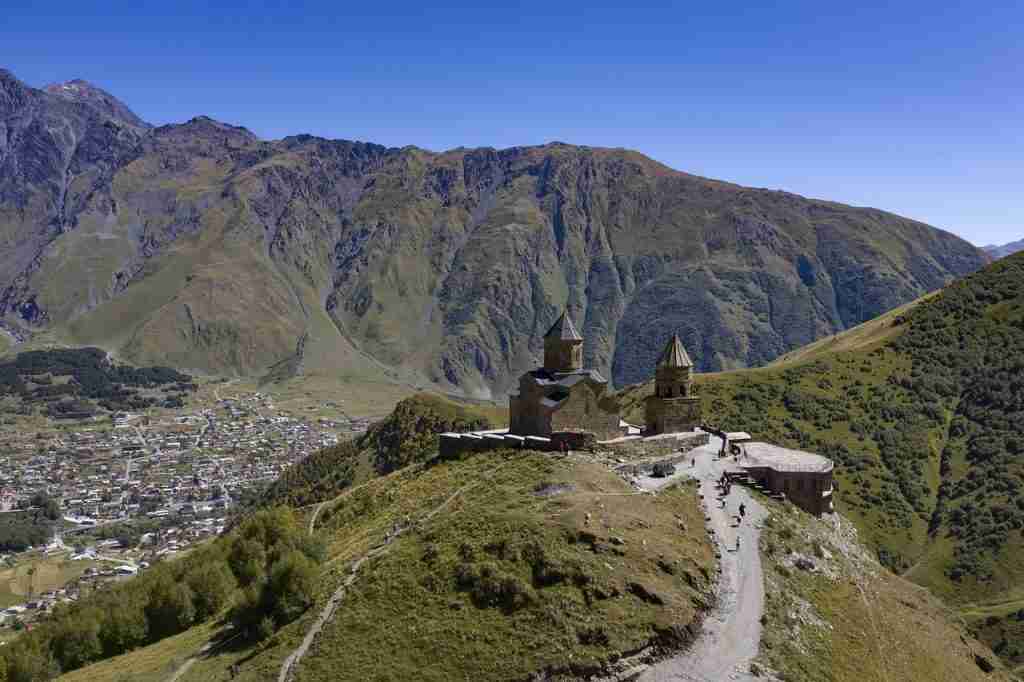
تتمتع جمهورية أرمينيا، وهي دولة غير ساحلية غنية بالتاريخ والتقاليد، بامتياز كونها أول دولة تتبنى المسيحية كدين رسمي لها في عام 301 م. وقد أدى هذا الحدث الضخم، تحت إشراف غريغوريوس المنور والملك تيريداتيس الثالث، إلى ترسيخ أرمينيا كأول دولة في العالم. الأمة المسيحية، إرث لا يزال يشكل الهوية الأرمنية اليوم. تظل الكنيسة الرسولية الأرمنية، التي تعد ركيزة من ركائز الإيمان، تشكل محوراً أساسياً في الحياة الروحية والثقافية للشعب الأرمني. وعلى الرغم من جذورها المسيحية، فإن أرمينيا تتمسك بالتعددية الدينية، حيث يضمن دستورها حرية الدين، مما يخلق بيئة متناغمة للأفراد من جميع الأديان.
الكنيسة الرسولية الأرمنية: عمود الإيمان
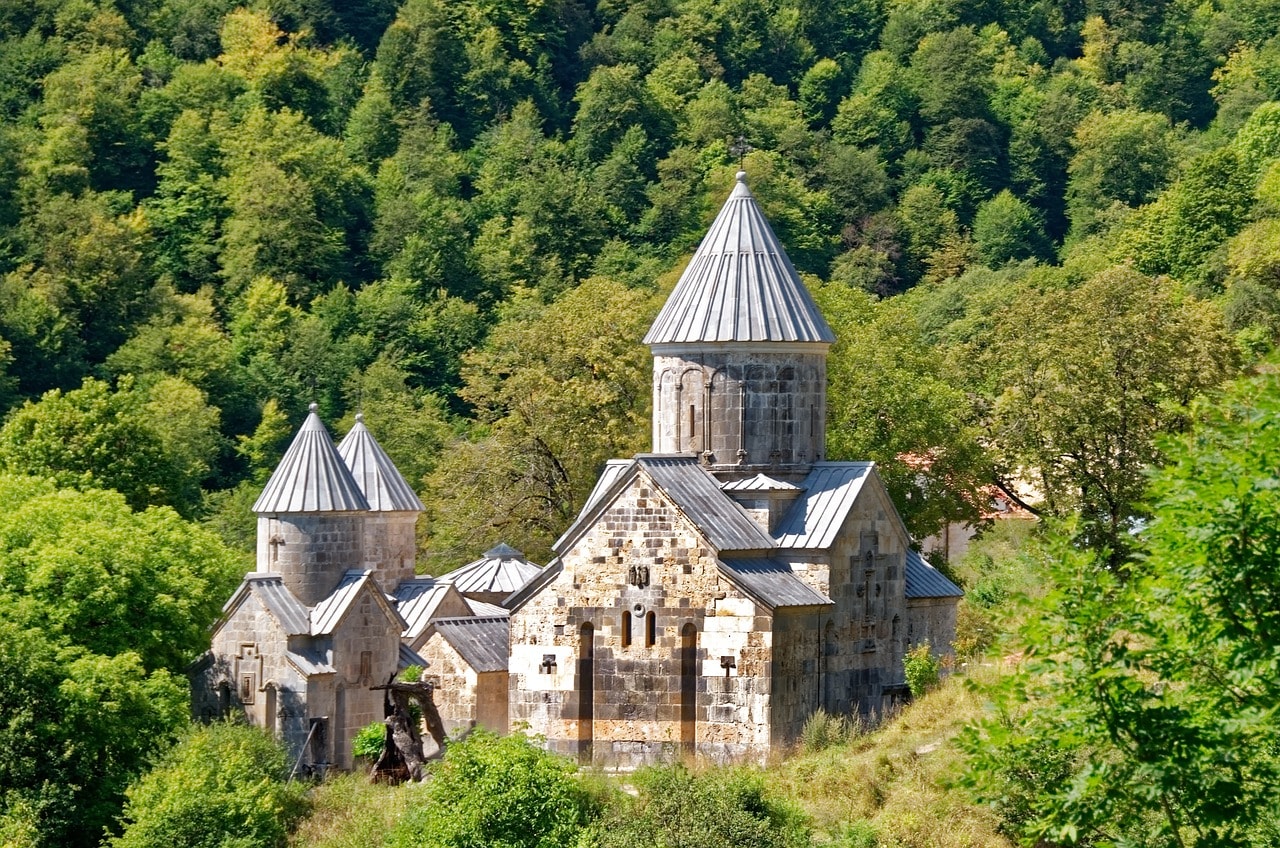
تعتبر الكنيسة الرسولية الأرمنية الكنيسة الوطنية لأرمينيا وهي جزء أصيل من الهوية الوطنية الأرمنية. وباعتبارها عضوًا في الكنائس الأرثوذكسية الشرقية، فإنها تلتزم بالميافيزيزم، وهو عقيدة تؤكد الطبيعة المتجسدة الواحدة ليسوع المسيح.
وتتمتع الكنيسة الأرمنية، التي تأسست في العصر المسيحي المبكر، بوضع دستوري فريد من نوعه. ويعترف دستور أرمينيا صراحةً بالكنيسة الأرمنية باعتبارها الوصي على التراث الثقافي والروحي الأرمني، ويسلط الضوء على تأثيرها على الأدب والتعليم والفنون الأرمنية.
إن القداس الإلهي في الكنيسة الأرمنية هو شهادة على تقاليدها الغنية، حيث يتضمن طقوسًا متقنة وترانيم مقدسة. وتعكس الاحتفالات الدينية الكبرى مثل عيد الفصح وعيد الميلاد والأعياد التي تحيي ذكرى الرسولين برثلماوس وتداوس، اللذين جلبا المسيحية إلى أرمينيا، الإيمان الراسخ للشعب الأرمني.
ما وراء الإيمان الرسولي: التعددية الدينية في أرمينيا
ورغم أن الكنيسة الأرمنية الرسولية لا تزال مهيمنة، فإن أرمينيا موطن لنسيج روحي متنوع. ومن بين الطوائف الأخرى الكنيسة الأرمنية الكاثوليكية، والطوائف البروتستانتية المختلفة، والمجتمع الأيزيدي القديم، وهو أكبر مجموعة غير مسيحية في البلاد.
يعتبر المسجد الأزرق في يريفان رمزًا للتسامح الديني في أرمينيا واعترافها بالتراث الإسلامي. وعلى الرغم من نفوذ الاتحاد السوفييتي، الذي سعى إلى قمع الممارسات الدينية، فقد أعادت أرمينيا المستقلة اعتناق عقيدتها المسيحية مع تعزيز الشمولية.
الحج والأماكن المقدسة للمسيحيين الأرمن
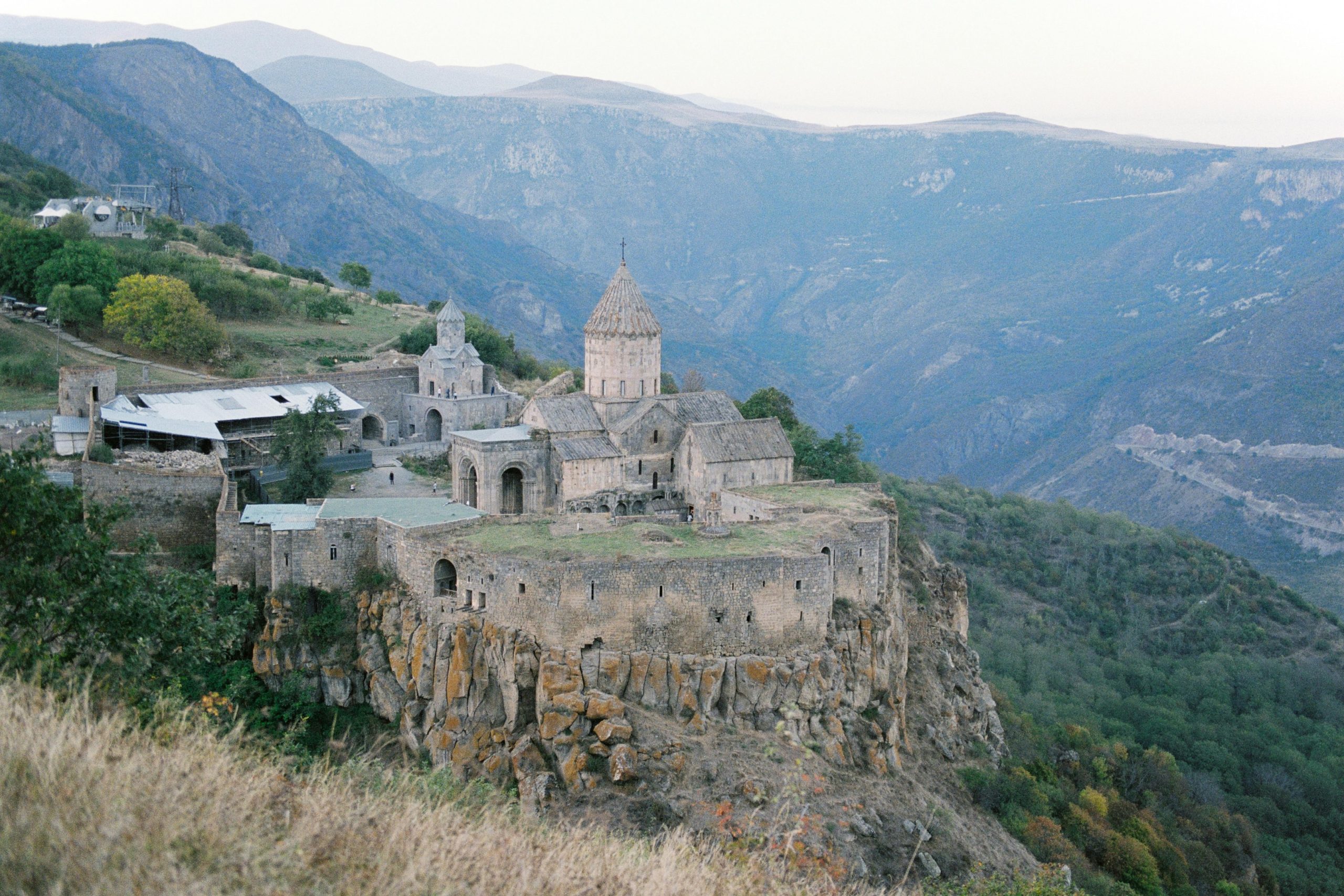
تتميز أرمينيا بوفرة من المواقع المقدسة التي تجذب الحجاج والسياح على حد سواء. تُعَد كاتدرائية إتشميادزين المقدسة، المركز الروحي للكنيسة الرسولية الأرمنية، أول كاتدرائية بُنيت في أرمينيا القديمة. وعلى نحو مماثل، يُعَد دير جيغارد، وهو أحد المعابد القديمة في أرمينيا، من الأماكن المقدسة التي تجذب الحجاج والسياح على حد سواء. اليونسكو للتراث العالمي الموقع، المنحوت جزئيًا في الجبل، يجسد الإرث المعماري والروحي للكنيسة الأرمنية.
ومن بين المواقع الأخرى الجديرة بالملاحظة دير خور فيراب، حيث سُجِن غريغوريوس المُنير، ودير تاتيف، جوهرة العمارة الأرمنية في العصور الوسطى. وتتيح الحج إلى هذه المواقع للمؤمنين التواصل بشكل عميق مع جذورهم الروحية وتاريخ المسيحية الأرمنية.
المهرجانات الدينية: سيمفونية الإيمان والثقافة
تمزج الأعياد الدينية في أرمينيا بين التقاليد المسيحية والتراث الثقافي والاحتفالات المجتمعية. ويُعد مهرجان فاردافار، الذي يعود جذوره إلى التقاليد ما قبل المسيحية ولكنه يُحتفل به الآن كجزء من تقويم الكنيسة الرسولية الأرمنية، بمثابة غمر الآخرين بالماء، وهو ما يرمز إلى التطهير والتجديد.
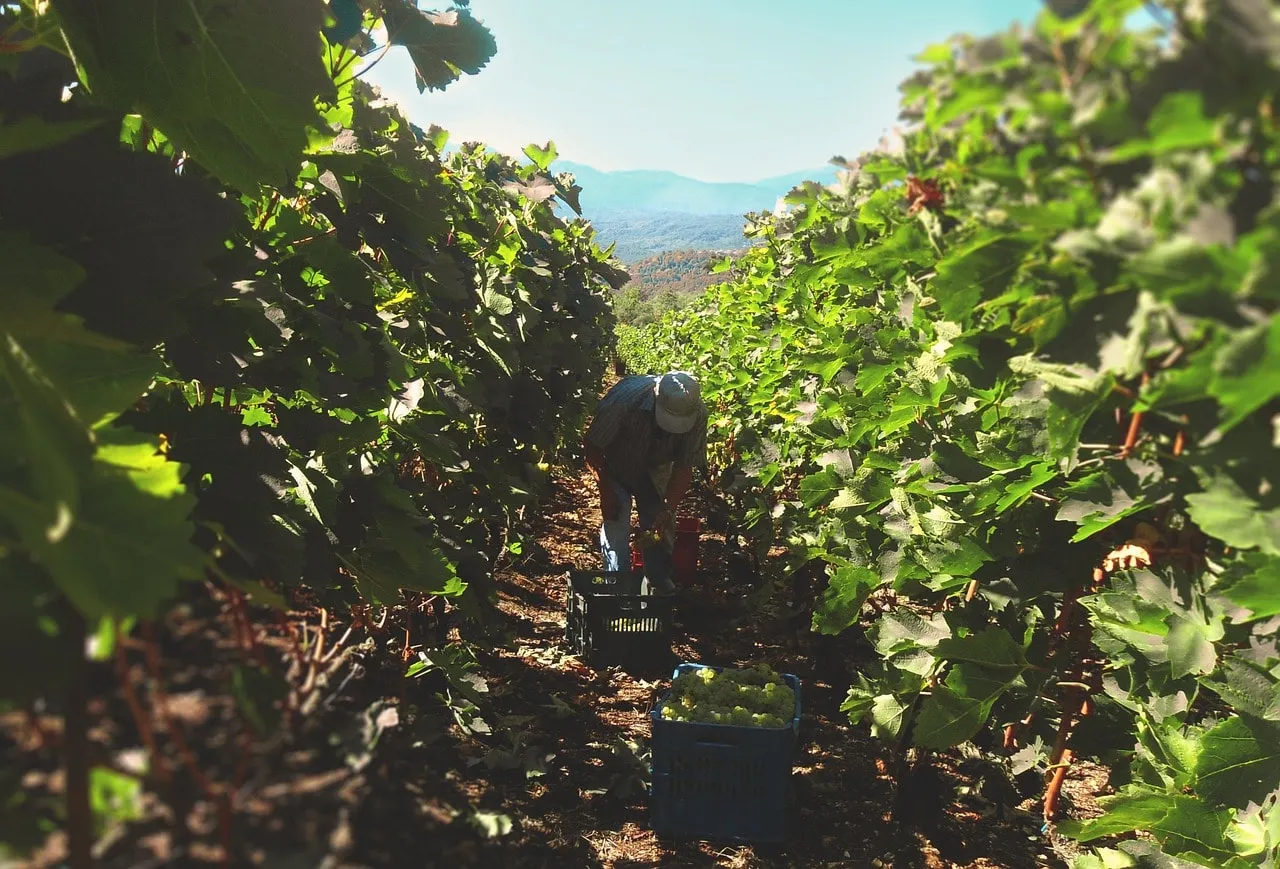
ويحتفل الأرمن بعيد المترجمين المقدسين (تارغمانتشاتس) تكريماً للعلماء الذين ترجموا الكتاب المقدس إلى الأرمنية، مما أدى إلى الحفاظ على اللغة والثقافة الأرمنية. ومن الأحداث العزيزة الأخرى، يوم مباركة العنب (خاغوغورنيك)، وهو احتفال نابض بالحياة يتم فيه مباركة أولى ثمار الحصاد، مما يبرز التشابك بين الإيمان والتقاليد الزراعية. وتعكس هذه المهرجانات الهوية الفريدة للمسيحيين الأرمن وتضمن استمرار تراثهم الثقافي الغني.
أحكام خاصة بالجنسية الأرمنية
إدراكًا للدور الأساسي للدين في التراث الأرمني، تقدم الدولة مسارات للأفراد من أصل أرمني لاكتساب مواطنيةومن بين أولئك الذين يمكنهم التقدم بطلب للحصول على الجنسية الأرمن الكاثوليك والأرمن الإنجيليون، وكلاهما يتمتع بتراث تاريخي وثقافي مميز داخل المجتمع المسيحي الأرمني الأوسع. ويمكن لأولئك الذين يمكنهم تقديم شهادة معمودية تشير إلى جذورهم الأرمنية التقدم بطلب للحصول على الجنسية الأرمنية، مما يعزز الروابط بين الشتات الأرمني ووطنهم الأصلي.
يعكس هذا البند التزام أرمينيا بالحفاظ على هويتها الوطنية المسيحية مع احتضان مجتمعها العالمي. ويرى العديد من أحفاد الأرمن من الإمبراطورية العثمانية والإمبراطورية الروسية أن هذه العملية وسيلة متاحة لإعادة الاتصال بجذورهم الثقافية والروحية.
تسجيل المنظمات الدينية في أرمينيا
بالنسبة لأولئك الذين يرغبون في إنشاء منظمة دينية في أرمينيا، يلزم الحصول على شهادة من مجلس الشؤون الدينية. يجب على المنظمات إثبات وضعها التقليدي، مدعومًا بالكتب المقدسة والاستمرارية التاريخية. كما يلزم أيضًا أن يكون عدد الأعضاء 200 فرد على الأقل، باستثناء القاصرين.
يضمن هذا الإطار، الذي يستند إلى سابقة تاريخية وقانونية، أن تساهم الجماعات الدينية المسجلة بشكل هادف في النسيج الروحي والاجتماعي لأرمينيا. لمزيد من الإرشادات حول تسجيل جماعة دينية، بزيارة موقعنا الإلكتروني.
الخاتمة: الإيمان هو حجر الزاوية للهوية الوطنية الأرمنية
إن الدين في أرمينيا ليس مجرد نظام عقائدي بل هو نبض هويتها الوطنية. كما لعبت علاقة الكنيسة الأرمنية بالكنيسة الرومانية الكاثوليكية دوراً في تشكيل هويتها الفريدة. فمن تبني المسيحية كدين للدولة إلى الحفاظ على التقاليد الأرثوذكسية الشرقية والأرثوذكسية الشرقية، لا يزال التفاعل بين الإيمان والثقافة يشكل المجتمع المسيحي الأرمني.
وبينما تشق أرمينيا طريقها نحو مستقبلها، فإن الكنيسة الرسولية الأرمنية ومساهماتها التاريخية، مثل الأبجدية الأرمنية والتقاليد الليتورجية الغنية، ستظل محورية. وتضمن المهرجانات الدينية النابضة بالحياة والأماكن المقدسة والتراث المسيحي في أرمينيا استمرار هويتها الفريدة، والتي تتردد صداها داخل البلاد وبين الشتات العالمي.
إذا كنت مهتمًا بمعرفة المزيد عن خدمات الهجرة والشركات الأرمينية، فلا تتردد في زيارة موقعنا الإلكتروني.

أنجيليكا هاكوبيان
محامي
في لمحة
- Armenia is overwhelmingly Christian: about 97.5% of declared believers identify with the Armenian Apostolic Church, with Yazidi, Armenian Catholic, Jewish, Protestant, and Muslim communities making up the remainder.
- The Constitution guarantees freedom of religion (Article 41) while recognizing the Armenian Apostolic Church’s “exceptional mission” in national identity (Article 18).
- Population is approximately 3.097 million (January 2026), with a far larger diaspora of 5–9 million globally.
- The Yazidi community is Armenia’s largest non-Christian minority, numbering over 32,000 people concentrated in Armavir and Aragatsotn provinces.
- Religious organizations seeking official registration must meet a minimum membership threshold, though ethnic minority groups are exempt.
- UNESCO recognizes several Armenian faith-linked traditions, including the pilgrimage to the Saint Thaddeus Monastery and the Kochari dance.
آخر تحديث يونيو 2026
Armenian religion is central to the country’s history and nationhood. Understanding the belief systems of Armenia helps explain how faith shapes identity at home and across a vast diaspora, and how today’s legal framework protects pluralism while honoring the Armenian Apostolic Church’s cultural role.
المحتويات
- Religious landscape and demographics
- Armenian Apostolic Church: faith, history, and national role
- Sacred sites and pilgrimage
- المهرجانات والاحتفالات الدينية
- Church–state relations and education
- Religious minorities in Armenia
- Legal framework for religious organizations
- Citizenship and the diaspora
- الأسئلة المتكررة
Religious landscape and demographics
Armenia’s population stands at approximately 3.097 million as of January 2026 (Armstat), while the Armenian diaspora is estimated at 5–9 million worldwide, underscoring the global reach of Armenian identity and traditions.
Religiously, Armenia is highly homogeneous: an estimated 97.5% of declared believers identify as Armenian Apostolic Christians according to the 2022 national census, as cited in the U.S. State Department’s 2023 International Religious Freedom report. Several minority communities contribute to the country’s pluralism, including over 32,000 Yazidis, approximately 17,884 Armenian Catholics, a Jewish community of 500–1,000 people, and various Protestant and Muslim congregations.
| المجتمع | حجم تقريبي | ملاحظة |
|---|---|---|
| الكنيسة الرسولية الأرمنية | 97.5% of declared believers | 2022 census, cited in 2023 IRF report |
| Yazidi community | أكثر من 32,000 | 2022 census; primarily in Armavir and Aragatsotn provinces |
| الكنيسة الكاثوليكية الأرمنية | 17,884 (0.61٪) | 2022 census figure; corrects older 14,000 estimate |
| الجالية اليهودية | 500-1,000 | Primarily in Yerevan; one synagogue |
| الطوائف البروتستانتية | Small congregations | Evangelical, Pentecostal, and other groups |
| الجالية المسلمة | ~800–1,000 in Yerevan | Blue Mosque is the only active mosque in Armenia |
الأساس القانوني
Freedom of religion is guaranteed by the Constitution (Article 41). The Armenian Apostolic Church’s cultural “exceptional mission” is explicitly recognized in Article 18. Both provisions remain in force under the 2015 Constitution as of June 2026.
If you are exploring long-term stays in Armenia for study, community work, or ministry, see our guides on تأشيرات و الإقامة.
Armenian Apostolic Church: faith, history, and national role
The Armenian Apostolic Church is the national church and a central component of Armenian identity. Armenia adopted Christianity as its state religion in 301 AD, making it the first nation to do so. The Constitution explicitly acknowledges the Church’s “exceptional mission” in preserving national culture and values (Article 18), while affirming freedom of religion (Article 41) for all communities.
The Church is headed by the Catholicos of All Armenians, whose seat is at the Mother See of Holy Etchmiadzin near Yerevan. The Church belongs to the Oriental Orthodox family of churches and maintains its own distinct liturgical traditions, calendar, and theological heritage. Its influence extends well beyond Armenia’s borders through dioceses serving the global diaspora.
Sacred sites and pilgrimage
Armenia’s faith life is expressed through centuries-old sacred sites and traditions, several of which hold international recognition.
مواقع التراث العالمي لليونسكو
كاتدرائية اتشماديشن is the spiritual headquarters of the Armenian Apostolic Church and part of the UNESCO World Heritage inscription “Cathedral and Churches of Echmiatsin and the Archaeological Site of Zvartnots.” It is the primary pilgrimage center for Armenians worldwide and the seat of the Catholicos.
دير جيجارد, inscribed as “Monastery of Geghard and the Upper Azat Valley,” features remarkable rock-cut churches dating to the medieval period. It remains a major pilgrimage and tourist destination.
أهم وجهات الحج
خور فيراب is among the most visited pilgrimage shrines in Armenia, associated with Saint Gregory the Illuminator’s imprisonment and the subsequent Christianization of the country. Its location near the Turkish border with views of Mount Ararat adds to its spiritual significance.
دير تاتيف is a large medieval monastery complex in southern Armenia, accessible via the Wings of Tatev aerial tramway. It is a flagship site in Armenia’s religious tourism strategy.
UNESCO also inscribed the annual pilgrimage to the Saint Thaddeus Apostle Monastery on the Representative List of the Intangible Cultural Heritage of Humanity. Note that this is a three-day pilgrimage held annually in northwestern Iran, carried out mainly by Armenian communities in Iran. The Kochari dance, performed at religious and community celebrations, is also recognized by UNESCO for its role in social cohesion and identity.
المسجد الازرق
The Blue Mosque (Goy Masjid) in central Yerevan is the only active mosque in Armenia. Restored and reopened in 1999, it serves as both a functioning religious mosque for the city’s small Muslim community and a cultural visitor site. The mosque is open daily and stands as a reminder of the historical Muslim presence in the region.
المهرجانات والاحتفالات الدينية
Armenian religious festivals follow the Armenian Apostolic Church calendar and differ in some dates from Western Christian traditions. Key celebrations for 2026 include:
| مهرجان | تاريخ 2026 | أهمية |
|---|---|---|
| Christmas and Theophany | يناير 6 | The AAC celebrates Nativity and Baptism of Christ together; a public holiday |
| Easter (Zatik) | أبريل 5 | Feast of the Glorious Resurrection |
| Vardavar (Transfiguration) | يوليو ٢٠٢٠ | Official Transfiguration feast with traditional water-splashing; one of the most popular celebrations |
| Assumption and Grape Blessing | أغسطس ٢٠١٥ | Grapes and fruits are blessed after Divine Liturgy; widely observed |
| Feast of Holy Translators | أكتوبر ٢٠٢٠ | Honors Saints Sahak and Mesrop, creators of the Armenian alphabet |
فاردافار is particularly distinctive. Rooted in pre-Christian tradition, it is celebrated 14 weeks after Easter with people of all ages splashing water on each other in public spaces. It has become one of Armenia’s most joyful and widely participated celebrations, blending ancient custom with Christian meaning.
Church–state relations and education
The relationship between the Armenian Apostolic Church and the state is constitutionally defined. The 2015 Constitution guarantees freedom of religion and equal legal protections for all denominations (Article 41), while acknowledging the Armenian Apostolic Church’s special cultural role (Article 18). Both provisions remain in force as of mid-2026.
Developments in 2025–2026
The institutional relationship between the government and the Armenian Apostolic Church has come under significant strain in 2025–2026. Reports indicate that the Head of the Penitentiary Service banned AAC clergy from prisons and hired state-approved clergy directly, and that the National Security Service issued directives relating to Church restructuring. These developments have drawn international attention, including concern expressed by the UK All-Party Parliamentary Group on Freedom of Religion or Belief.
While the constitutional text protecting religious freedom remains unchanged, these events highlight the evolving dynamics between church and state in Armenia. A new constitutional referendum is planned for 2026 and is expected to retain recognition of the Armenian Apostolic Church.
التعليم الديني
During the 2023 school year, Armenia removed the standalone mandatory “History of the Armenian Church” course from the national curriculum, integrating its content into broader Armenian studies. This change was made partly in response to concerns raised by minority religious groups about the mandatory nature of church-specific instruction.
Religious minorities in Armenia
While the Armenian Apostolic Church constitutes the vast majority, several minority communities contribute to Armenia’s evolving religious life.
Yazidi community
The Yazidi community is Armenia’s largest non-Christian minority, with over 32,000 members recorded in the 2022 census. Yazidis are concentrated primarily in Armavir province (approximately 17,665 people, or 43.5% of all Yazidis in Armenia), Aragatsotn province (6,405), and Ararat province (5,940). Their villages cluster around Mount Aragats and the Ararat plain. The Yazidi faith is a distinct monotheistic religion with ancient roots, and the community maintains its own traditions, language (Kurmanji), and social structures.
Armenian Catholics
The Armenian Catholic Church has deep historical roots and maintains communion with the Holy See. The 2022 national census recorded 17,884 Catholics in Armenia, representing 0.61% of the population. This figure updates older estimates of approximately 14,000 that were based on the 2011 census. The community maintains cultural and liturgical traditions in the Armenian rite.
الجالية اليهودية
Armenia’s Jewish community numbers between 500 and 1,000 people, primarily in Yerevan, with a small presence in Vanadzor. The community operates one synagogue in the capital and provides opportunities for community education. The World Jewish Congress (late 2024) estimates approximately 500 members, while U.S. State Department reporting suggests the figure may be as high as 1,000.
الطوائف البروتستانتية
Protestant communities, including Evangelical and Pentecostal congregations, are present in Armenia as part of the country’s religious mosaic. They benefit from the same constitutional protections enjoyed by all faiths, though they have historically faced social pressure in some communities.
الجالية المسلمة
Armenia’s Muslim community is small, with an estimated 800–1,000 people in Yerevan. The Blue Mosque (Goy Masjid), located in central Yerevan, is the only active mosque in the country. Restored and reopened in 1999, it serves as both a place of worship and a cultural site open to visitors.
Legal framework for religious organizations
Armenia’s legal framework for religion rests on two constitutional pillars: Article 41 guarantees freedom of religion for all individuals and communities, and Article 18 acknowledges the Armenian Apostolic Church’s “exceptional mission” in preserving national culture. These provisions coexist with specific legislation governing the registration and operation of religious organizations.
متطلبات التسجيل
Under Armenian law, religious organizations seeking official registration must meet a minimum membership threshold of 200 members. Registration is required for organizations that wish to own property, employ staff, or operate officially. Ethnic minority religious organizations — including Yazidi, Jewish, and Assyrian communities — are exempt from this threshold. The Venice Commission has noted concerns about the impact of this requirement on smaller, non-traditional religious groups.
Citizenship and the diaspora
For members of the Armenian diaspora considering a legal connection to the Republic, citizenship by descent hinges on proving Armenian ancestry — not religious denomination. Government-recognized church baptismal certificates and other family records can serve as evidence in a descent-based application.
- Confirm eligibility for citizenship by descent and gather proof of Armenian ancestry (government-recognized baptismal or parish records, civil registry certificates). See our guide to proving Armenian ancestry.
- Obtain certified copies and, where required, apostille/legalize and translate documents.
- Submit your application via Armenian diplomatic missions or in Armenia, following the latest procedural instructions. See our نظرة عامة على الجنسية.
If you plan to relocate after citizenship or before it is granted, review pathways for الإقامة المؤقتة أو الدائمة والحق تأشيرة لإقامتك.
خاتمة
Armenian religion remains a cornerstone of national identity. The Armenian Apostolic Church encompasses the great majority of believers, while the constitutional framework protects pluralism and supports minority communities — from the Yazidi villages of Armavir to the Jewish congregation in Yerevan and the Blue Mosque’s small Muslim community. UNESCO-recognized traditions and a vast diaspora keep the belief systems of Armenia vibrant and global. If you are exploring ties to Armenia through study, service, residence, or citizenship by descent, our team can guide your next steps. اتصل بنا للبدء.
الأسئلة المتكررة
What is the dominant religion in Armenia?
Approximately 97.5% of declared believers in Armenia identify with the Armenian Apostolic Church, according to the 2022 national census as cited in the U.S. State Department’s 2023 International Religious Freedom report.
Does the Constitution protect freedom of religion?
Yes. Article 41 of the Constitution guarantees freedom of religion for all individuals and communities, and Article 18 recognizes the Armenian Apostolic Church’s cultural mission. Both provisions remain in force under the 2015 Constitution.
Who are the Yazidis in Armenia?
The Yazidi community is Armenia’s largest non-Christian minority, with over 32,000 members recorded in the 2022 census. They follow a distinct monotheistic faith and are concentrated primarily in Armavir and Aragatsotn provinces, with villages around Mount Aragats and the Ararat plain.
How large are the Armenian Catholic and Jewish communities?
The 2022 census recorded 17,884 Armenian Catholics (0.61% of the population). The Jewish community numbers between 500 and 1,000 people, primarily in Yerevan, with one active synagogue.
What are the main religious festivals in Armenia?
Key Armenian religious festivals include Christmas and Theophany (January 6), Easter (Zatik), Vardavar or Transfiguration (a summer celebration with traditional water-splashing), the Assumption and Grape Blessing, and the Feast of Holy Translators honoring the creators of the Armenian alphabet.
Can baptismal certificates help with Armenian citizenship by descent?
Yes. Government-recognized church baptismal certificates can be used to prove Armenian ancestry in descent-based citizenship applications. Other family records such as civil registry certificates are also accepted.
