
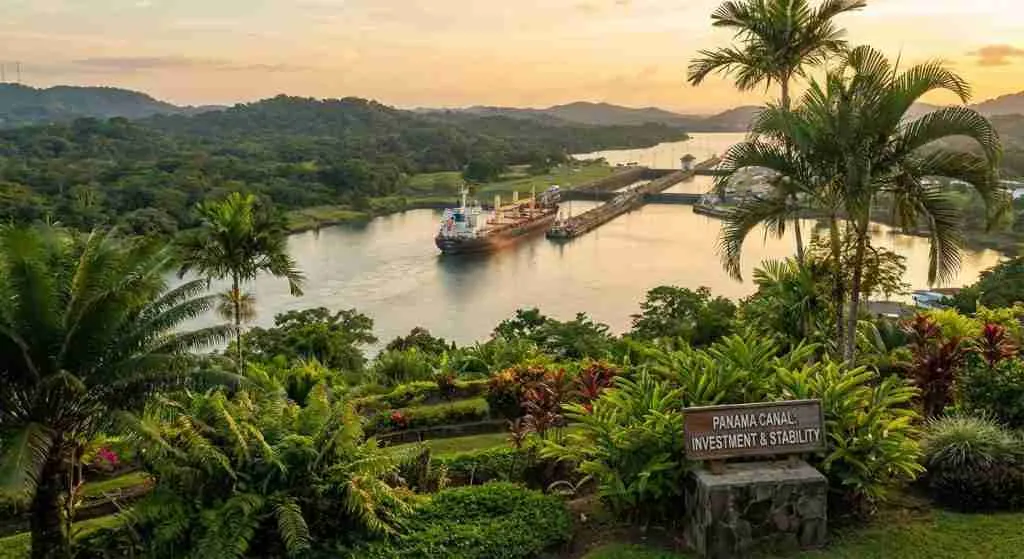
Մի հայացքով
- Ծրագիր. Որակավորված ներդրողի վիզա (QIV) — Գործադիր հրամանագիր 722 (2020), թարմացված 193 հրամանագրով (հոկտեմբեր 2024)
- Նվազագույն ներդրում՝ 300,000 ԱՄՆ դոլար անշարժ գույք (մինչև 2026 թվականի հոկտեմբերի 15-ը, այդ ամսաթվից հետո կվերադառնա 500,000 ԱՄՆ դոլարի, եթե չերկարաձգվի)
- Բնակության արդյունքը՝ Անհապաղ մշտական բնակություն՝ առանց ժամանակավոր փուլի
- Մշակման ժամանակը: 30–90 աշխատանքային օր (օրենքով սահմանված); գործնականում 45–60 օր
- Կառավարության վճարներ՝ 10,000 ԱՄՆ դոլար (հիմնական դիմորդ); 2,000 ԱՄՆ դոլար 12 տարեկանից բարձր յուրաքանչյուր կախյալի համար; 1,000 ԱՄՆ դոլար 12 տարեկանից փոքր յուրաքանչյուր կախյալի համար
- Ֆիզիկական ներկայություն։ Երկու տարին մեկ ցանկացած տևողությամբ առնվազն մեկ այցելություն Պանամա
- Տարածքային հարկ՝ Պանաման հարկում է միայն Պանամայում ստացված եկամուտը. օտարերկրյա ծագում ունեցող եկամուտը լիովին ազատված է հարկից։
- Տվյալների փոխանցման ցանց՝ 17 գործող կրկնակի հարկման համաձայնագրեր (2026 թվականի ապրիլի դրությամբ)
- Արժույթ: Բալբոան ԱՄՆ դոլարի նկատմամբ 1:1 հարաբերակցություն է հաստատել
Պանամայի որակավորված ներդրողի վիզան (QIV), որը սովորաբար կոչվում է Պանամայի ոսկե վիզա, համատեղում է անշարժ գույքի համեմատաբար մատչելի ներդրումային շեմը տարածքային հարկային համակարգի հետ, որը ազատում է օտարերկրյա աղբյուրից ստացված եկամուտը տեղական հարկումից: Բարձր եկամուտ ունեցող անձանց համար արժեքը կայանում է կառուցվածքի մեջ՝ համապատասխանեցնելով Պանամայի ազատումները ձեր երկրի կանոններին՝ անհամապատասխանություններից, կրկնակի հարկումից կամ հաշվետվությունների բացերից խուսափելու համար:
Այս ուղեցույցը ներառում է 193-րդ գործադիր հրամանագրի (2024 թվականի հոկտեմբեր) համաձայն ծրագրի ներկայիս պահանջները, բոլոր ներդրումային ուղիները, պետական վճարները, քաղաքացիություն ստանալու ուղին, Պանամայի տարածքային հարկային ռեժիմը և գործնական կառուցվածքային նկատառումները՝ թարմացված 2026 թվականի ապրիլի համար։
Բովանդակություն
- Ծրագրի ակնարկ
- Ներդրումային տարբերակներ և համապատասխանություն
- Պահանջվող փաստաթղթեր
- Կառավարության վճարներ և ծախսեր
- Մշակման ժամանակացույց
- Ֆիզիկական ներկայության պահանջներ
- Ճանապարհ դեպի քաղաքացիություն
- Պանամայի տարածքային հարկային ռեժիմը
- Միջազգային հարկում և հաշվետվություն
- Եկամտի բնութագրման ստուգաթերթիկ
- Անշարժ գույք և բանկային գործունեություն
- Կառուցվածքային խորհուրդներ բարձրակարգ աշխատողների համար
- Հաճախակի տրվող հարցեր
Ծրագրի ակնարկ
Պանամայի որակավորված ներդրողի վիզան սահմանվել է թիվ 722 գործադիր որոշմամբ (2020 թվականի հոկտեմբերի 15) և զգալիորեն թարմացվել է թիվ 193 գործադիր որոշմամբ (2024 թվականի հոկտեմբերի 15): Ծրագրի դրամաշնորհները անհապաղ մշտական բնակություն այն օտարերկրյա քաղաքացիներին, ովքեր Պանամայում կատարում են որակավորված ներդրում՝ առանց ժամանակավոր կամ նախնական փուլի։
Անշարժ գույքի ոլորտում ներդրումների նվազագույն չափը ներկայումս կազմում է ԱՄՆ դոլար 300,000 193-րդ որոշման երկարաձգման համաձայն, որը գործում է մինչև Հոկտեմբեր 15, 2026Այդ ամսաթվից հետո շեմը վերադառնում է 500,000 ԱՄՆ դոլարի, եթե այն հետագայում չերկարաձգվի: Դիմորդները պետք է դիմեն մինչև վերջնաժամկետը՝ ավելի ցածր դրույքաչափից օգտվելու համար:
Ծրագրի ձգողականությունը. QIV ծրագիրը 2023 թվականին հաստատել է ներդրողների 187 դիմում, իսկ 2024 թվականին՝ 327 հաստատում, ինչը տարեկան 75%-ով ավելի է, իսկ հաստատման մակարդակը՝ 99%: Հյուսիսային Ամերիկայի բնակիչները գերազանցել են կոլումբիացիներին՝ որպես դիմորդների հիմնական քաղաքացիություն: Կառավարության ներկայիս թիրախը մինչև 2026 թվականը ամսական 150 ներդրողների վիզա է:
Վերջին օրենսդրական զարգացումները. 493 օրենքը (2025 թվականի հոկտեմբերի 28) թույլատրեց հատուկ ճանապարհորդական անձնագիր Քուինթ Վիետնամի բնակիչների համար: Սա քաղաքացիություն չի շնորհում կամ չի փոխարինում տիրոջ ազգային անձնագրին. կիրարկող կանոնակարգերը դեռևս չեն ընդունվել 2026 թվականի ապրիլի դրությամբ:
Ներդրումային տարբերակներ և համապատասխանություն
QIV ծրագիրն առաջարկում է ներդրումային երեք ուղի։ Բոլորը պահանջում են, որ ներդրումային միջոցները ծագեն Պանամայի սահմաններից դուրս։
| Ուղի | Նվազագույն ներդրում | Պահման ժամանակահատված | Հիմնական պայմաններ |
|---|---|---|---|
| Անշարժ գույք (ուղղակի գնում) | 300,000 ԱՄՆ դոլար (մինչև 2026 թվականի հոկտեմբերի 15-ը, այնուհետև՝ 500,000 ԱՄՆ դոլար) | 5 տարի | Պետք է ազատ լինի գրավներից։ Կարող է գրանցվել դիմորդի անունով կամ պանամական կորպորացիայի կամ հիմնադրամի միջոցով։ |
| Անշարժ գույք (նախակառուցողական) | ԱՄՆ դոլար 300,000 | 5 տարի | Պանամայի լիցենզավորված բանկում վստահության ավանդի միջոցով կամ կառուցապատողին 100% ուղղակի վճարման միջոցով՝ բանկային երաշխիքային նամակով։ |
| Պանամայի ֆոնդային բորսայի արժեթղթեր | ԱՄՆ դոլար 500,000 | 5 տարի | Արժեթղթերի շուկայի վերահսկման մարմնի կողմից կարգավորվող լիցենզավորված միջնորդական կազմակերպության միջոցով։ |
| Ֆիքսված ժամկետով բանկային ավանդ | ԱՄՆ դոլար 750,000 | 5 տարի | Ընդհանուր լիցենզիա ունեցող պանամական բանկում։ Պահանջվում է հինգ տարվա նվազագույն ժամկետ։ |
Ամուսինների կամ կախյալների միջև համատեղ սեփականությունը թույլատրվում է 193-րդ որոշմամբ: Ներդրումը կարող է պահվել պանամական կորպորացիայի կամ հիմնադրամի միջոցով, եթե դիմորդը իրական սեփականատերն է:
Պահանջվող փաստաթղթեր
Հիմնական դիմորդ.
- Անձնագրի ամբողջական պատճեն (ապոստիլով)
- Ազգային քրեական անցյալի ստուգում (ապոստիլով, վավեր է վեց ամիս)
- Հինգ անձնագրի չափի լուսանկարներ
- Առողջության վկայական
- Անձնական տվյալների հայտարարագիր
- Բնակության դիմումի ձև
- Լիազորագիր (դիմումները կարող են ներկայացվել հեռակա կարգով)
- Արտասահմանյան բանկի կողմից միջոցների փոխանցման վկայագիր
- Բանկային քաղվածքներ և միջոցների աղբյուրը հաստատող փաստաթուղթ
- Առևտրի նախարարության (MICI) կողմից որակավորման վկայական
- Պետական տուրքերի վճարման անդորրագրեր
Ներդրումային փաստաթղթեր.
- Անշարժ գույք (ավարտված): Հանրային գրանցամատյանի սեփականության վկայական, գրավադրումից ազատ վկայական, ANATI գնահատման վկայական
- Անշարժ գույք (նախակառուցողական փուլ): Նոտարական կարգով վավերացված գնման պայմանագիր, վստահության հաշվի վկայագիր կամ բանկային երաշխիք
- Արժեթղթեր: Միջնորդական հայտարարություն և վերահսկողի վկայական
- Բանկային ավանդ՝ Բանկային վկայագիր ժամկետային ավանդի համար
Կախյալներ. Անձնագիր, լուսանկարներ, քրեական անցյալի ստուգում (ապոստիլով), ամուսնության կամ ծննդյան վկայականներ (ապոստիլով), առողջության վկայական և հիմնական դիմորդի ֆինանսական պատասխանատվության մասին նամակ։
Բոլոր օտարալեզու փաստաթղթերը պետք է թարգմանվեն իսպաներեն: Հաագայի կոնվենցիայի երկրներից ստացված փաստաթղթերի համար պահանջվում է ապոստիլ:
Կառավարության վճարներ և ծախսեր
| Վճարային կետ | Գումարը (ԱՄՆ դոլար) |
|---|---|
| Հիմնական դիմորդ՝ SNM վճար | $5,000 |
| Հիմնական դիմորդ՝ Ազգային գանձարանի վճար | $5,000 |
| Հիմնական դիմորդի ընդհանուր թիվը | $10,000 |
| Կախյալ անձ (12 տարեկանից բարձր) — SNM + Գանձապետարան | $ 2,000 մեկ անձի համար |
| Կախյալ (12 տարեկանից փոքր) — Միայն գանձապետարան | $ 1,000 մեկ երեխայի համար |
| Փաստաթղթերի ապոստիլի արժեքը (մոտավոր) | $ 2,000 + |
Example: Չորս հոգանոց ընտանիքը (երկու մեծահասակ և երկու երեխա՝ 12 տարեկանից բարձր) միայն պետական տուրքերի համար կվճարի մոտավորապես 16,000 ԱՄՆ դոլար, գումարած իրավաբանական և ապոստիլի ծախսերը։
Մշակման ժամանակացույց
Օրենսդրական մշակման պատուհանը հետևյալն է 30-ից 90 աշխատանքային օր ամբողջական դիմումի ներկայացումից։ Գործնականում մասնագետները հայտնում են, որ 45-ից 60 աշխատանքային օր որպես 2026 թվականի սկզբի բնորոշ միջակայք։
Դիմումի գնահատման ընթացքում տրամադրվում է ժամանակավոր անձնագիր։ Դիմումը կարող է ներկայացվել հեռակա կարգով՝ լիազորագրի միջոցով. դիմորդը պետք է այցելի Պանամա առնվազն մեկ անգամ՝ կենսաչափական գրանցման հաստատումից հետո երկու տարվա ընթացքում և E-Cédula-ն (մշտական բնակության անձնագիր) ստանալու համար։
Ֆիզիկական ներկայության պահանջներ
Պանամայի քառորդական անձնագրի համար անհրաժեշտ է նվազագույն ֆիզիկական ներկայություն. մեկ այցելություն ցանկացած տևողությամբ յուրաքանչյուր երկու տարին մեկՏարեկան նվազագույն օրերի քանակ չկա: Այս պահանջը գործում է ներդրումային պահպանման հնգամյա ժամանակահատվածի ընթացքում և դրանից հետո:
Հինգ տարվա ընթացքում բնակիչները պետք է ամեն տարի ներկայացնեն ապացույց, որ որակավորված ներդրումը դեռևս պահպանվում է: Հինգ տարի անց մշտական բնակության թույլտվությունը շարունակվում է անորոշ ժամանակով՝ E-Cédula-ն երկարաձգման կարիք չունի՝ երկամյա այցելության պահանջի համաձայն:
Ճանապարհ դեպի քաղաքացիություն
QIV-ի տերերը կարող են դիմել Պանամայի քաղաքացիություն ստանալու համար դրանից հետո հինգ տարվա անընդմեջ մշտական բնակության իրավունքՓոխադարձության պայմանագրերի միջոցով որոշակի քաղաքացիությունների համար գործում են ավելի կարճ ժամկետներ՝ մեկ տարի Կոլումբիայի և Սալվադորի քաղաքացիների համար, երկուսից երեք տարի Արգենտինայի, Էկվադորի, Իսպանիայի, Հոնդուրասի, Մեքսիկայի, Նիկարագուայի, Պերուի և Ուրուգվայի քաղաքացիների համար, և երեք տարի Պանամայի քաղաքացու հետ ամուսնացած կամ պանամացի երեխաների ծնողներ դիմորդների համար։
Քաղաքացիության պահանջները ներառում են.
- Իսպաներեն լեզվի իմացություն (գնահատվում է հարցազրույցի միջոցով)
- Պանամայի պատմության, աշխարհագրության և քաղաքացիական արժեքների իմացություն (պաշտոնական քննություն)
- Մաքուր քրեական գործ
- Ապացուցված կապեր Պանամայի հետ
- Նախագահական հաստատում. Պանամայում յուրաքանչյուր քաղաքացիություն ստանալու համար անհրաժեշտ է նախագահական հրամանագիր, որը սկզբնական դիմումից հետո սովորաբար մշակման համար լրացուցիչ ժամանակ է պահանջվում 12-ից 36 ամիս։
Իրատեսական ժամանակացույց՝ ներդրումից մինչև անձնագիր. մոտավորապես 4-ից 7+ տարի։ Պանամայի սահմանադրությունը պահանջում է նախկին քաղաքացիությունից հրաժարվելու երդում, սակայն օտարերկրյա կառավարությունների մեծ մասը չի ճանաչում այս հրաժարումը. փաստացի երկքաղաքացիությունը լայնորեն կիրառվում է։
Պանամայի տարածքային հարկային ռեժիմը
Պանաման գործում է ա տարածքային հարկային համակարգՊանամական եկամտային հարկի ենթակա է միայն Պանամայում տնտեսական գործունեությունից ստացված եկամուտը: Արտասահմանյան աղբյուրներից ստացված եկամուտը, ներառյալ արտասահմանյան պորտֆելի եկամուտները, արտասահմանյան դիվիդենտները և Պանամայից դուրս մատուցված ծառայություններից ստացված եկամուտը, լիովին ազատված է հարկից:
Կորպորատիվ եկամտահարկ
Կորպորատիվ եկամտահարկի (CIT) ստանդարտ դրույքաչափը կազմում է 25% Պանամայում գտնվող զուտ հարկվող եկամտի վրա: Բանկերն ու ֆինանսական հաստատությունները վճարում են 30%: Ավելի քան 1.5 միլիոն ԱՄՆ դոլար համախառն հարկվող եկամուտ ունեցող ընկերությունները ենթակա են CAIR-ի համախառն հարկվող եկամտի 4.67%-ի այլընտրանքային նվազագույնի (կիրառվում է CAIR-ի կամ ստանդարտ CIT-ի ամենաբարձրը): SEM ռեժիմի ներքո գործող բազմազգ գլխամասային գրասենյակները վճարում են նվազեցված 5% տոկոսադրույք որակավորվող եկամտի վրա:
Անհատական եկամտահարկ
Պրոգրեսիվ դրույքաչափերը կիրառվում են միայն Պանամայում ստացված եկամտի նկատմամբ: Արտասահմանյան ծագում ունեցող եկամուտը չի հարկվում:
| Հարկվող եկամուտ (ԱՄՆ դոլար) | Հարկերի դրույքաչափ |
|---|---|
| $ 0 - $ 11,000 | 0% |
| $ 11,001 - $ 50,000 | 15%՝ 11,000 դոլարից ավելի գումարի դեպքում |
| Ավելի քան $ 50,000 | $5,850 + 25% $50,000-ից ավելի գումարի դեպքում |
Ի՞նչ է նշանակում «Պանամա-աղբյուր»
- Պանամա-աղբյուր (հարկվող): Պանամայում իրականացված գործունեությունից ստացված եկամուտ՝ տեղական անշարժ գույքի վարձակալություն, Պանամայում կատարված աշխատանք, Պանամայում իրականացվող գործունեություն
- Արտասահմանյան աղբյուր (ազատված): ամբողջությամբ Պանամայի սահմաններից դուրս ստացված եկամուտ՝ օֆշորային պորտֆելի եկամուտներ, արտասահմանյան դիվիդենտներ, արտասահմանում մատուցված ծառայություններ
- Խառը աղբյուրներով իրավիճակներ (օրինակ՝ միջսահմանային ծառայություններ). պահանջում են անհատականացված խորհրդատվություն և փաստաթղթեր՝ աղբյուրի որոշումը հիմնավորելու համար։
Տնտեսական էության մասին օրենքի մշակման փուլում գտնվող տարբերակը
Տնտեսական նյութի մասին օրենքի նախագիծը նախատեսվում է ներկայացնել Պանամայի Ազգային ժողով մինչև 2026 թվականի հոկտեմբերը: Օրենքը պայմանականորեն կվերացնի հատուկ ռեժիմներով (SEM, EMMA) գործող բազմազգ խմբային կազմակերպությունների համար նախատեսված արտասահմանյան աղբյուրից ավտոմատ բացառությունը: Անհատ արտասահմանյան ներդրողները և սովորական QIV-ի տերերը կարող են... Նշում որոնք ներկայումս թիրախավորված են այս առաջարկվող օրենսդրական ակտով։
Միջազգային համապատասխանության կարգավիճակ
- FATF-ի մոխրագույն ցուցակը. հեռացված է (հոկտեմբեր 2023)
- ԵՄ փողերի լվացման դեմ պայքարի բարձր ռիսկի ցուցակը. հեռացված է (հուլիս 2025)
- ԵՄ հարկային ոչ համագործակցող իրավասությունների սև ցուցակ. դեռևս ցուցակված է 2026 թվականի փետրվարի դրությամբ՝ ԵՄ անդամները պետք է պաշտպանական միջոցներ կիրառեն Պանամայի կազմավորումների դեմ
- CRS/FATCA: Պանաման մասնակցում է Հաշվետվությունների Համընդհանուր Ստանդարտին: Պանամայում գործող ֆինանսական հաստատությունների համար թարմացված ուղեցույցը հրապարակվել է 2025 թվականի հոկտեմբերին: Պանաման նաև միջկառավարական համաձայնագիր (IGA) ունի Միացյալ Նահանգների հետ՝ FATCA-ի շրջանակներում:
Միջազգային հարկում և հաշվետվություն
Պանամայում բնակվելը չի փոխում, թե ինչպես է ձեր հայրենի երկիրը հարկում համաշխարհային եկամուտը, եթե դրա օրենքները հատուկ դա չեն նախատեսում: Պանամայի կրկնակի հարկման համաձայնագրերի (DTA) ցանցը սահմանափակ է. 17 գործող պայմանագրեր 2026 թվականի ապրիլի դրությամբ, ուստի կրկնակի հարկումից ազատումը կարող է կախված լինել ներպետական միակողմանի կանոններից, այլ ոչ թե պայմանագրային դրույթներից։
17 Առևտրային ազատ առևտրի գոտու իրավասություններ՝ Բարբադոսը, Չեխիան, Ֆրանսիան, Իռլանդիան, Իսրայելը, Իտալիան, Լյուքսեմբուրգը, Մեքսիկան, Նիդեռլանդները, Պորտուգալիան, Կատարը, Սինգապուրը, Հարավային Կորեան, Իսպանիան, Միացյալ Արաբական Էմիրությունները, Միացյալ Թագավորությունը և Վիետնամը: Պանաման հրապարակել է այս 17 պայմանագրերից 16-ի սինթեզված տեքստերը (փոփոխված BEPS բազմակողմ գործիքով) 2026 թվականի մարտի 30-ին՝ ներմուծելով Հիմնական նպատակի թեստ (PPT), որը կարող է մերժել պայմանագրային արտոնությունները, եթե այդ արտոնությունների ստացումը պայմանավորվածության հիմնական նպատակն է եղել:
Հիմնական պլանավորման նկատառումները
- Հաստատեք, թե արդյոք ձեր հայրենի երկիրը հարկում է ձեզ բնակության, բնակության կամ քաղաքացիության հիման վրա, և ինչպես է այն վերաբերվում Պանամայի բնակիչ և օտարերկրյա եկամուտ ունեցող անձանց։
- Գնահատել վերահսկվող օտարերկրյա կորպորացիաների (CFC) կամ հետաձգման դեմ պայքարի կանոնները, որոնք կարող են ուսումնասիրել օֆշորային կառույցները՝ անկախ Պանամայի բացառություններից։
- Գնահատեք ձեր տեղական ռեժիմի ներքո գտնվող արտասահմանյան հաշիվների, կազմակերպությունների և տրաստների հաշվետվողականության պարտավորությունները
- Համակարգել իրացման իրադարձությունների, բաշխումների և ակտիվների վաճառքի ժամկետները՝ չնախատեսված հարկային խնդիրներից խուսափելու համար։
- ԵՄ սև ցուցակի կարգավիճակի գործոնը. ԵՄ-ում գտնվող ներդրողները բախվում են պաշտպանական միջոցառումների (պատժիչ հարկեր, մերժված պահումներ, CFC կանոններ) Պանամական աղբյուրներից հոսքերի դեպքում։
Եկամտի բնութագրման ստուգաթերթիկ
Օգտագործեք այս ստուգաթերթիկը՝ Պանամայի տարածքային հարկային սկզբունքների համաձայն եկամուտը դասակարգելու համար.
- Հիմնական գործունեությունը Պանամայում իրականացվու՞մ է։ Եթե այո → հավանաբար Պանամայից (հարկվող): Եթե ոչ → հավանաբար օտարերկրյա աղբյուրից (ազատված):
- Անշարժ գույքի վարձակալություն Պանամայում գտնվող անշարժ գույքից → Պանամա-աղբյուր
- Պանամայում ֆիզիկապես կատարված աշխատանք կամ ծառայություններ → Պանամա-աղբյուր
- Արտասահմանում պահվող ոչ պանամական ընկերություններից և պորտֆելներից ստացված դիվիդենտներ և տոկոսներ → ընդհանուր առմամբ օտարերկրյա ծագում ունեցող (ազատված)
- Հեռակա թվային եկամուտ՝ Պանամայում ֆիզիկապես գտնվելիս → հնարավոր է՝ Պանամայում ծագող՝ կախված նրանից, թե արդյոք տնտեսական գործունեությունը համարվում է Պանամայում տեղի ունեցող. ստացեք անհատական խորհրդատվություն
- Խառը աղբյուրներով իրավիճակներ (միջսահմանային ծառայություններ, բաժանված գործունեություն) → պահպանել աղբյուրի որոշումը հիմնավորող փաստաթղթերը և ստանալ մասնագիտական ուղղորդում
Անշարժ գույք և բանկային գործունեություն
Գույքի սեփականություն
Օտարերկրացիները կարող են ազատորեն գնել և պահել Պանամայում սեփականության իրավունքով օժտված անշարժ գույք՝ քաղաքացիների հետ նույն մասնավոր իրավունքներով։ Գնման համար հատուկ վիզա անհրաժեշտ չէ, և օտարերկրացու սեփականության քանակի սահմանափակում չկա։ Գործում են երկու սահմանափակումներ. օտարերկրացիները չեն կարող սեփականություն ձեռք բերել սահմանադրական 10 կիլոմետրանոց սահմանային գոտում (Կոստա Ռիկայի և Կոլումբիայի սահմանների երկայնքով), իսկ որոշ ափամերձ և կղզային տարածքներ ենթակա են ծովային գոտու կանոններին, որտեղ օտարերկրացիները կարող են ստիպված լինել վարձակալել կամ ստանալ զիջումներ՝ սեփականության իրավունքի ամբողջական իրավունքը պահպանելու փոխարեն։
Փակման ծախսեր
300,000 ԱՄՆ դոլարի ներդրումային շեմին գտնվող անշարժ գույքի դեպքում գնորդի կողմից գործարքի փակման ծախսերը կազմում են գնման գնի մոտավորապես 2%-ից 5%-ը (6,000-ից 15,000 ԱՄՆ դոլար՝ կանխիկ գնորդի համար): Սա ներառում է փոխանցման հարկը (պայմանագրային գնի կամ կադաստրային արժեքի ամենաբարձրի 2%-ը, որը օրինականորեն վերագրվում է վաճառողին, բայց հաճախ հաշվի է առնվում գործարքի գնագոյացման մեջ), հանրային գրանցամատյանի վճարները՝ մոտավորապես 400-ից 500 ԱՄՆ դոլար, ինչպես նաև նոտարական և իրավաբանական վճարները: Եթե գնումը ֆինանսավորվում է, լրացուցիչ բանկային վճարները և գնահատման ծախսերը ընդհանուր գործարքի ծախսերը հասցնում են 3%-ից 7%-ի:
Բանկային գործ
Պանամայի բանկերը մեծապես նախընտրում են նոր բնակիչներին (բնակության թույլտվությունը մշակված է կամ հաստատված): Ոչ բնակիչները կարող են հաշիվներ բացել, բայց բախվում են ավելի խիստ ուսումնասիրության, ավելի բարձր նվազագույն պահանջների և հայեցողական մերժումների: Պահանջվող փաստաթղթերը սովորաբար ներառում են անձնագիր և երկրորդ անձը հաստատող փաստաթուղթ, բնակության քարտ կամ ներգաղթի նամակ, հասցեի ապացույց, եկամտի և միջոցների աղբյուրի ապացույց, մեկից երկու բանկային երաշխավորագիր (տրված 30-60 օրվա ընթացքում), Պանամայի հետ կապի ապացույց և 1,000-ից 10,000 ԱՄՆ դոլարի նախնական ավանդ՝ ստանդարտ անձնական հաշիվների համար: Բանկային ավանդի ուղին օգտագործող QIV ներդրողները արդեն իսկ կունենան 750,000 ԱՄՆ դոլարի ժամկետային ավանդ՝ որպես իրենց դիմումի մաս:
Կառուցվածքային խորհուրդներ բարձրակարգ աշխատողների համար
- Պահպանել օտար աղբյուրի նիշը. Խուսափեք Պանամայում ֆիզիկապես եկամուտ բերող գործունեություն իրականացնելուց, եթե նպատակը եկամուտը Պանամայի հարկային ցանցից դուրս պահելն է: Փաստաթղթավորեք գործունեության իրականացման վայրը:
- Համապատասխանեցեք հայրենի երկրի կանոններին. Ակտիվների կամ կառավարման գործառույթների տեղափոխումից առաջ քարտեզագրեք CFC-ները, հակահիբրիդային և հաշվետվողականության ռեժիմները: Սահմանափակ առևտրային գործարքների ցանցը (17 պայմանագիր) մեծացնում է ներքին օգնության մեխանիզմների կարևորությունը:
- Ուշադրություն դարձրեք ԵՄ սև ցուցակին. ԵՄ-ում գտնվող ներդրողները բախվում են պատժիչ հարկերի պահման, մերժված հարկային արտոնությունների և Պանամայից ստացված հոսքերի վերաբերյալ CFC կանոնների: Կառուցվածքը՝ համապատասխանաբար:
- Ժամանակացույց՝ $300 պատուհանի համար։ Անշարժ գույքի ներկայիս 300,000 ԱՄՆ դոլարի շեմը լրանում է 2026 թվականի հոկտեմբերի 15-ին: Այդ ամսաթվից հետո նվազագույնը վերադառնում է 500,000 ԱՄՆ դոլարի: Խորհուրդ է տրվում վաղ դիմում ներկայացնել:
- Լիկվիդայնության պլանավորում. Պանամայի դոլարիզացված կայունությունը նպաստում է ԱՄՆ դոլարով պորտֆելներին: Դիտարկեք բանկային և պահառության ռազմավարությունները, որոնք լրացնում են ռեզիդենտությունը, ներառյալ ժամկետային ավանդի ուղին այն ներդրողների համար, ովքեր պատրաստ են ներդնել 750,000 ԱՄՆ դոլար:
- Անշարժ գույքի ուսումնասիրություն. Գույքի որակավորման համար օգտագործելիս կարևոր են սեփականության վկայականը, գնահատումը, գրավից ազատ կարգավիճակը և ANATI պահանջներին համապատասխանությունը: Պահպանեք ամուր ֆայլեր՝ ակտիվի որակավորման բնույթը և շարունակական սեփականության իրավունքը ապացուցելու համար:
- Բազմազան շարժունակություն. շատ ընտանիքներ Ամերիկաների բազան (Պանամա) զուգակցում են ԵԱՏՄ բազայի հետ՝ աշխարհագրական դիվերսիֆիկացիայի համար։ Հայաստանն առաջարկում է իր սեփականը բնակության վայր ներդրումային ուղով, բարենպաստ հարկի դրույքաչափերը, և աճող անշարժ գույքի շուկան.
Մենք լիցենզավորված փաստաբաններ ենք, որոնք խորհրդատվություն են տրամադրում բարձրակարգ նորածինների (ԲՆԻ) ներկայացուցիչներին Ամերիկայում և ԵՏՄ-ում բազմաիրավասությունների պլանավորման հարցերով։
Պանամայում բնակության և հարկային կառուցվածքի անհատականացված պլանի համար՝ և տարբեր իրավասությունների համակարգված աջակցության համար՝ դիմեք մեզ.
