
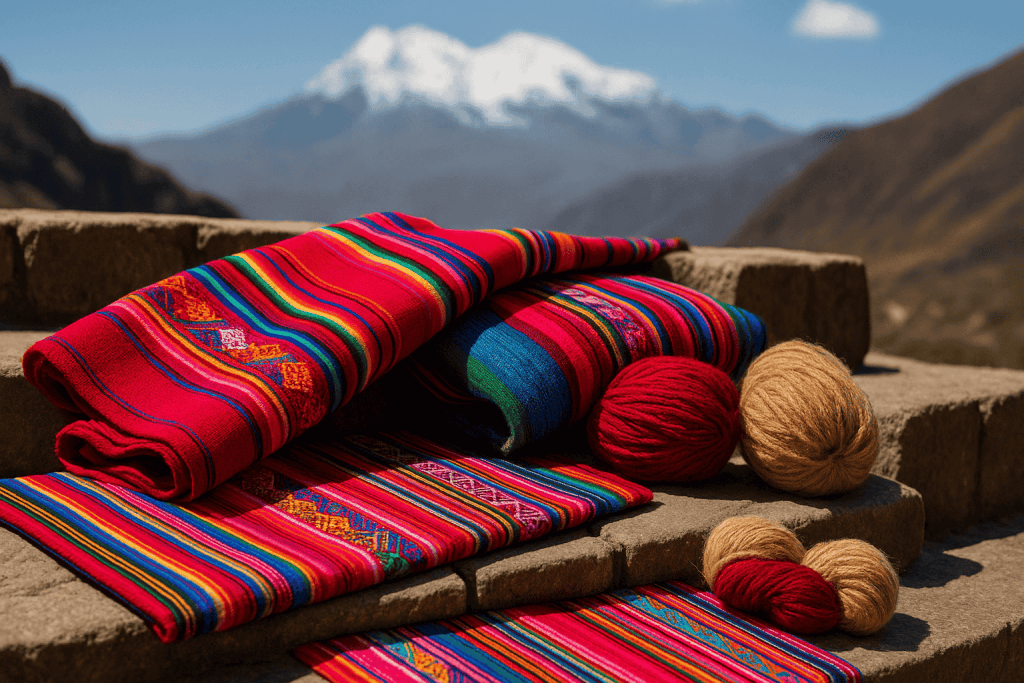
Navigate transportation, master shopping, stay secure, and integrate culturally in South America's most affordable destination
Explore Bolivia Residency OptionsLiving in Bolivia as an expat offers an extraordinary opportunity to experience authentic South American culture while enjoying one of the continent's most affordable cost of living. With monthly expenses as low as $410-830 for budget-conscious individuals and $1,180-2,170 for comfortable living, Bolivia presents unique advantages for international residents.
This comprehensive guide will help you navigate the practical aspects of daily life in Bolivia, from understanding the transportation system to finding the best shopping options, staying safe, and integrating into local communities. Whether you're considering a move or have already relocated, these insights will help you thrive in your new Bolivian home.
Transportation: Getting Around Bolivia
Urban Transportation
- Micros (Mini-buses): The backbone of urban transport, connecting all major areas at extremely low cost (typically $0.30-0.50 per ride)
- Teleférico (La Paz): Modern cable car system with 11 lines covering the metropolitan area at approximately $0.70 per ride
- Taxis: Abundant and affordable, though negotiate prices beforehand or use ride-sharing apps where available
- Trufis: Shared route taxis following fixed paths, popular in cities like Cochabamba
Inter-city Travel
- Long-distance buses: Extensive network connecting all major cities with comfortable overnight services
- Camiones (Trucks): Traditional transport to remote areas where buses don't operate
- Domestic flights: Limited but available for major routes, often more expensive than buses
- Trains: Scenic but limited services, mainly for tourism between specific routes
Transportation Reality Check
Example scenario: Maria, a theoretical expat living in La Paz, uses the teleférico daily to commute from her apartment in Zona Sur to downtown, spending about $1.40 per day on transportation. For weekend trips to Cochabamba, she takes comfortable overnight buses costing around $8-12, which include meals and entertainment.
Note: This is a theoretical example for illustration purposes.
Shopping: Markets, Malls, and Local Finds
Traditional Markets
- La Cancha (Cochabamba): One of South America's largest markets
- Mercado de las Brujas (La Paz): Famous witch market with traditional goods
- El Alto Market: Massive highland market with everything imaginable
- Fresh produce: Incredibly affordable fruits and vegetables
Shopping Centers
- Ventura Mall (Santa Cruz): Modern shopping center with international brands
- Megacenter: Large complex with entertainment options
- Las Brisas Centro Comercial: Mid-range shopping with local and international stores
- Supermarkets: Hipermaxi, IC Norte, and other chains
Specialty Shopping
- Electronics: Limited selection, often imported at higher prices
- Clothing: Mix of local and imported brands, custom tailoring available
- Pharmaceuties: Well-stocked, many medications available over-the-counter
- Import goods: Available but expensive in specialized stores
Shopping Budget Breakdown
Monthly Grocery Costs (Theoretical Example)
- Basic groceries (markets)$80-120
- Supermarket shopping$150-200
- Imported goods$50-100
- Dining out regularly$100-150
Price Comparison (USD)
- Bread (local)$0.20-0.30
- Rice (1kg)$0.80-1.20
- Chicken (1kg)$2.50-3.00
- Restaurant meal$3-8
Security: Staying Safe in Bolivia
Common Security Concerns
- Petty theft: Pickpocketing and bag snatching in tourist areas and markets
- Express kidnapping: Rare but reported incidents in major cities
- Scams: Overcharging tourists, fake police checks, distraction theft
- Civil unrest: Occasional protests and road blockades
Safety Best Practices
- Blend in: Dress modestly, avoid flashy jewelry and electronics
- Stay alert: Be aware of surroundings, especially in crowded areas
- Use official transport: Avoid unlicensed taxis and buses
- Emergency contacts: Keep important numbers readily available
Area-Specific Security Tips
La Paz
Extra caution in El Alto and on the teleférico at night. Avoid carrying valuables in crowded markets.
Santa Cruz
Generally safer but be cautious in certain neighborhoods. Use registered taxis, especially at night.
Cochabamba
Tourist areas are generally safe. Be mindful of personal belongings in markets and bus stations.
Security Success Story
Theoretical example: John, an expat businessman in Santa Cruz, has lived safely for three years by following basic security protocols. He uses a local bank with good security, keeps low-profile transportation habits, and has built relationships with trustworthy local contacts who provide security advice. His monthly security-related expenses (better locks, taxi budget, etc.) total approximately $50, which he considers a worthwhile investment.
Note: This is a theoretical example for illustration purposes.
Cultural Integration: Becoming Part of the Community
Language and Communication
- Spanish proficiency: Essential for daily life and business interactions
- Indigenous languages: Quechua and Aymara are widely spoken alongside Spanish
- Formal vs. informal: Use "usted" in professional settings, "tú" with friends
- Non-verbal communication: Handshakes, personal space, and eye contact norms
Social Customs and Etiquette
- Punctuality: "Bolivian time" - expect delays, plan accordingly
- Personal relationships: Business success depends on building trust and rapport
- Dress code: Conservative attire, especially in highland areas
- Religious respect: Acknowledge Catholic and indigenous spiritual practices
Building Meaningful Connections
Expat Communities
- • InterNations Bolivia - networking events
- • Facebook expat groups - daily support
- • Local hiking and biking clubs
- • Language exchange groups
- • Professional associations
Local Integration
- • Join community festivals and celebrations
- • Participate in neighborhood activities
- • Learn traditional cooking
- • Support local businesses
- • Volunteer with local organizations
Cultural Integration Success
Theoretical example: Sarah, a hypothetical expat teacher in Cochabamba, achieved successful integration by joining a local Spanish-English language exchange group, participating in neighborhood festivals, and learning to cook traditional Bolivian dishes. She now hosts monthly potluck dinners that bring together expats and locals, creating lasting friendships and business connections.
Note: This is a theoretical example for illustration purposes.
Internet and Communication
Internet Services
- Major providers: TIGO, VIVA, ENTEL offer 4G services
- Home internet: Fiber optic available in major cities
- Mobile data: Portable 4G modems for up to 10 devices
- WiFi coverage: Good in urban areas, limited in remote locations
- Speeds: Up to 10GB in cities, slower in rural areas
Communication Options
- WhatsApp: Primary communication tool for locals and expats
- Local SIM cards: Prepaid plans starting around $10-15/month
- eSIM services: Available for travelers and temporary residents
- VoIP services: Skype, Zoom reliable for international calls
- Banking apps: Most banks offer mobile banking services
Ready to Start Your Bolivian Adventure?
Bolivia offers an exceptional opportunity for expats seeking affordable living, rich culture, and straightforward immigration processes. With proper preparation and local knowledge, you can build a fulfilling life in this South American gem.
Frequently Asked Questions
What is the realistic monthly budget for an expat in Bolivia?
A comfortable lifestyle for a single expat ranges from $1,180-2,170 monthly, including housing, food, transportation, and entertainment. Budget-conscious individuals can live on $410-830 monthly, while those seeking luxury might spend $3,000 or more. Housing typically represents 30-40% of total expenses.
Is it possible to live in Bolivia without speaking Spanish?
While some expats manage with basic Spanish, fluency significantly improves daily life quality, business opportunities, and cultural integration. English is limited outside tourism areas. Consider taking Spanish classes before moving or immediately upon arrival. Many residency programs recommend language preparation.
What about healthcare for expats in Bolivia?
Bolivia offers both public and private healthcare systems. Private healthcare is affordable compared to US standards, with quality care available in major cities. Many expats maintain international health insurance for emergencies. Prescription medications are widely available and inexpensive.
Where do most expats choose to live in Bolivia?
Santa Cruz offers the most developed infrastructure and largest expat community, while La Paz provides cultural richness and government services. Cochabamba is popular for its pleasant climate and lower costs. Each city offers different advantages for expat living, depending on priorities and lifestyle preferences.
Can expats work legally in Bolivia?
Yes, with proper work permits and visas. Many expats work in education, NGOs, mining, or start their own businesses. The Bolivia residency program offers pathways for legal employment and business ownership, making it an attractive option for international professionals.
How easy is it to travel from Bolivia to other countries?
Bolivia is centrally located in South America with good connections to neighboring countries. International flights are available from major cities, though sometimes with connections through Lima or São Paulo. Land border crossings are common for regional travel. The country serves as an excellent base for exploring South America.
Take the Next Step Towards Your Bolivian Life
Ready to explore Bolivia's affordable living opportunities and straightforward immigration process? Discover how you can make this South American gem your new home.
Start Your Bolivia Journey Today