
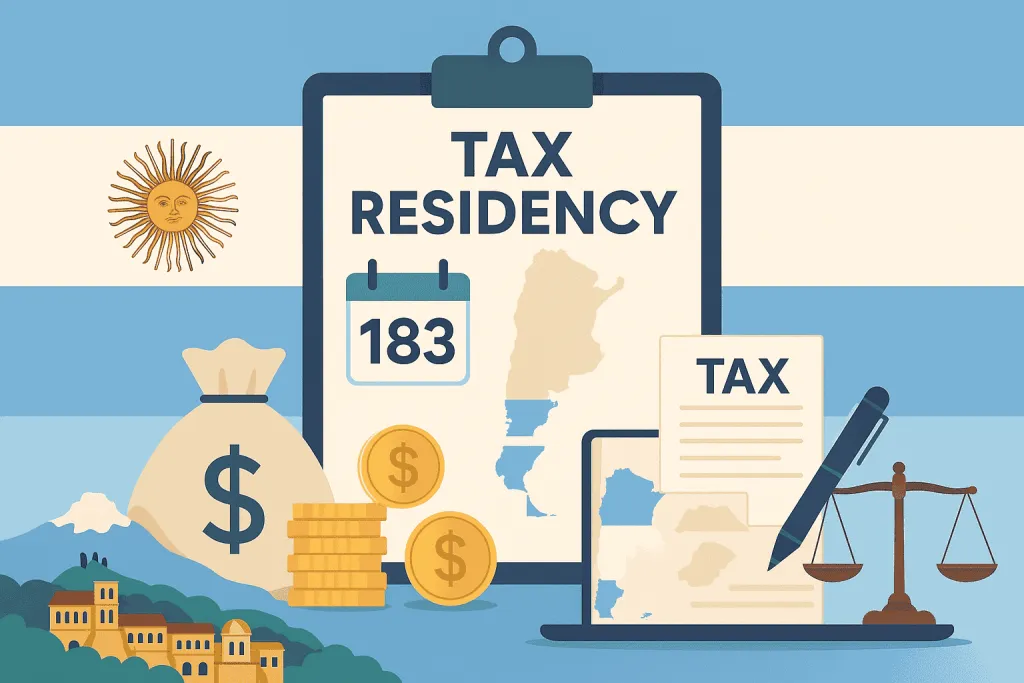
Navigate the complexities of Argentine tax obligations, unlock exclusive benefits, and develop strategic planning approaches for optimal financial outcomes
Explore Argentina Residency OptionsArgentina's tax residency system presents both opportunities and obligations for international individuals considering establishing fiscal ties with this South American nation. Understanding the nuances of Argentine tax residency is crucial for anyone seeking to optimize their tax position while ensuring full compliance with local regulations.
Key Insight
Argentina follows a worldwide taxation system for tax residents, meaning residents are subject to tax on their global income and assets, while non-residents are taxed only on Argentine-sourced income.
Tax Residency Criteria and the 183-Day Rule
Primary Residency Test
Argentina employs the internationally recognized 183-day rule as the primary test for tax residency. Individuals who spend at least 183 days within a calendar year in Argentina are generally considered tax residents for that year.
Important Note
The 183 days do not need to be consecutive - it's the cumulative total that matters for determining tax residency status.
Additional Factors
- Domicile in Argentina
- Principal residence location
- Center of vital interests
- Habitual abode determination
Theoretical Example: Maria's Tax Residency Journey
This is a theoretical scenario for illustration purposes only.
Maria, a European entrepreneur, spends 200 days in Argentina throughout the calendar year while developing her business interests. Despite not having permanent residency status, she becomes an Argentine tax resident due to exceeding the 183-day threshold, making her liable for worldwide income taxation in Argentina.
This example demonstrates how physical presence, rather than legal residency status, determines tax obligations in Argentina.
Tax Obligations for Argentine Residents
Income Tax Structure
Argentine tax residents are subject to a progressive income tax system ranging from 5% to 35% on their worldwide income, unless protected by specific tax treaty provisions.
Progressive Tax Rates
- • 5% - Lower income brackets
- • 12% - Middle income brackets
- • 22% - Higher income brackets
- • 35% - Highest income brackets
Wealth Tax Requirements
Argentine tax residents face wealth tax obligations on their worldwide assets above certain thresholds, with rates and exemptions subject to regular updates.
Current Threshold
Wealth tax applies to taxable assets above ARS 6,000,000 with varying rates based on asset types and disclosure status.
Special Categories and Exemptions
Non-Resident with Permanent Presence (NRPP)
Individuals with temporary visas staying 6 months to 5 years are taxed only on Argentine-sourced income.
Tax Treaty Benefits
Argentina has 22 double-taxation treaties that may reduce or eliminate certain tax obligations.
Residency Deductions
Taxpayers resident in Argentina for longer than six months receive specific deductions on their taxable income.
Theoretical Compliance Scenario
This is a theoretical example for educational purposes only.
Consider Roberto, a fictional investor who becomes an Argentine tax resident while maintaining significant assets abroad. His compliance requirements would include:
- • Annual income tax returns covering worldwide income
- • Wealth tax declarations for global assets
- • Potential quarterly advance payments
- • Foreign asset reporting obligations
Benefits and Advantages of Argentine Tax Residency
Retirement Income Benefits
One of the most significant advantages for retirees is that pension and Social Security payments from abroad are generally not subject to Argentine taxation, making the country highly attractive for international retirees.
Tax-Free Retirement Income
Foreign pensions and social security benefits typically remain untaxed in Argentina, providing significant savings for retirees.
Access to Public Services
Tax residents gain access to Argentina's public healthcare system and educational institutions, providing valuable social benefits that offset tax obligations.
- Public healthcare coverage
- Educational system access
- Social housing programs
Currency Benefits
Access to official exchange rates and financial instruments may provide economic advantages in Argentina's unique monetary environment.
Business Opportunities
Tax residency opens doors to local business formation, investment opportunities, and participation in various economic sectors.
Path to Citizenship
Tax residency can support the pathway to Argentine citizenship, providing long-term strategic benefits for international individuals.
Theoretical Retirement Scenario
This is a theoretical example for illustrative purposes only.
Consider Sarah, a fictional retiree from North America who establishes Argentine tax residency. Her monthly US Social Security of $2,500 and pension income of $1,800 would typically remain untaxed in Argentina, while she gains access to local healthcare and services. This arrangement could provide substantial annual tax savings compared to other international destinations.
Strategic Tax Planning Approaches
Pre-Residency Planning
Effective tax planning begins before establishing Argentine residency. Strategic timing and structure can significantly impact long-term tax obligations.
Key Planning Elements
- • Asset restructuring before residency
- • Income timing considerations
- • Tax treaty optimization
- • Investment vehicle selection
Ongoing Compliance Strategy
Maintaining compliance while optimizing tax position requires ongoing attention to changing regulations and strategic opportunities.
Annual Review Process
Regular assessment of tax position, regulatory changes, and optimization opportunities ensures continued compliance and efficiency.
Advanced Planning Strategies
International Structure Optimization
Leveraging international corporate structures and tax treaties to minimize worldwide tax exposure while maintaining Argentine compliance.
- • Cross-border holding companies
- • Treaty shopping opportunities
- • Offshore investment structures
Timing and Transition Planning
Strategic timing of residency establishment and potential exit planning to optimize tax consequences across multiple jurisdictions.
- • Residency establishment timing
- • Income recognition strategies
- • Exit planning considerations
Theoretical Strategic Planning Case
This is a theoretical scenario for educational purposes only.
Imagine David, a fictional international businessman, who plans to establish Argentine residency while maintaining global operations. His strategic approach might include:
- • Pre-residency restructuring of international assets
- • Establishing holding companies in treaty jurisdictions
- • Timing residency to optimize tax year transitions
- • Ongoing compliance monitoring and optimization
This comprehensive approach demonstrates how strategic planning can minimize tax exposure while ensuring full compliance with Argentine requirements.
Recent Regulatory Changes and Updates
Decree 366/2025 Changes
New regulations have established clearer continuous absence limits for permanent residents, with any continuous absence of 12 months or more potentially affecting residency status.
New Absence Rules
Permanent residents must now carefully monitor extended absences to maintain their residency status and associated tax obligations.
Wealth Tax Adjustments
Wealth tax exemption thresholds and rates continue to evolve, with recent changes affecting both residents and non-residents with Argentine assets.
Current Developments
Fixed tax rates of 0.45% for unreported assets and 0.50% for disclosed assets through regularization programs provide opportunities for compliance optimization.
Recent Jurisprudence Developments
Recent court decisions have clarified that the loss of tax residency operates automatically and is not dependent on taxpayer communication, emphasizing the importance of understanding residency termination procedures.
This development highlights the need for proactive residency management and professional guidance when planning changes to tax residency status.
Frequently Asked Questions
What happens if I exceed 183 days in Argentina accidentally?
If you exceed the 183-day threshold, you automatically become an Argentine tax resident for that year, regardless of your intention. This triggers worldwide income tax obligations and requires proper compliance with Argentine tax laws. It's crucial to monitor your days carefully and seek professional advice if you approach this threshold.
Are my foreign retirement benefits really tax-free in Argentina?
Generally, pension and Social Security payments from abroad are not subject to Argentine taxation, making this a significant benefit for retirees. However, tax laws can change, and individual circumstances may vary. It's recommended to verify current regulations and consult with qualified tax professionals for personalized advice.
How does the wealth tax work for international assets?
Argentine tax residents are subject to wealth tax on their worldwide assets above the threshold (currently ARS 6,000,000). This includes bank accounts, investments, real estate, and other assets globally. The tax rates vary based on asset types and disclosure status, with recent changes offering reduced rates for properly disclosed assets.
Can I optimize my tax situation through double taxation treaties?
Argentina has signed 22 double taxation treaties that may provide relief from dual taxation. These treaties can reduce or eliminate withholding taxes on certain types of income and provide mechanisms for avoiding double taxation. However, treaty benefits depend on specific circumstances and proper application procedures.
What are the consequences of non-compliance with Argentine tax obligations?
Non-compliance can result in significant penalties, interest charges, and potential legal consequences. Argentina has been strengthening its tax enforcement mechanisms, including international information exchange agreements. It's essential to maintain proper compliance from the moment you become a tax resident.
How can I properly exit Argentine tax residency?
Exiting Argentine tax residency requires careful planning and proper procedures. Recent jurisprudence clarifies that residency loss operates automatically, but proper documentation and compliance with final tax obligations are essential. This process should be managed with professional guidance to ensure all requirements are met.
Ready to Navigate Argentina's Tax Landscape?
Understanding Argentine tax residency is just the beginning of your journey. Discover how to leverage Argentina's unique opportunities while building a strategic pathway to South American citizenship.
Strategic Pathways
Explore multiple routes to Argentine residency and citizenship, including the accelerated 2-year track.
Legal Protection
Ensure full compliance with Argentine laws while optimizing your tax and residency position.
Global Opportunities
Unlock access to South American markets and global mobility through strategic residency planning.
Making Informed Decisions About Argentine Tax Residency
Argentine tax residency presents a complex but potentially rewarding landscape for international individuals. The combination of worldwide taxation obligations and significant benefits for retirees creates unique opportunities for strategic planning.
Key Considerations
- Understand the 183-day rule and its implications
- Plan for worldwide income and wealth tax obligations
- Leverage retirement income tax benefits
- Stay informed about regulatory changes
Strategic Approach
- Engage professional tax and legal advice
- Develop comprehensive pre-residency planning
- Maintain ongoing compliance monitoring
- Consider long-term citizenship pathways
The journey to Argentine residency and citizenship requires careful planning, professional guidance, and a clear understanding of both opportunities and obligations. By taking a strategic approach to tax residency, you can optimize your position while building a foundation for long-term success in South America.
Begin Your Strategic Planning Journey