

Spain has become an increasingly popular destination for investors and entrepreneurs seeking a high quality of life, a thriving business environment, and excellent educational opportunities for their children. The country offers various pathways to residency and citizenship, with attractive options for those looking to provide their children with a strong educational foundation. This article explores the requirements for obtaining residency and citizenship in Spain, focusing on the benefits and potential drawbacks for families with children.
Residency through Investment
The Spanish Golden Visa program is a popular route to residency for non-EU citizens. This program grants residency in exchange for a significant investment in the Spanish economy. However, it's important to be aware of recent changes to this program. As of April 3, 2025, residence visas for investors will be abolished. Furthermore, Spain announced plans to end Golden Visas for real estate investments in early 2024. While the future of the program is somewhat uncertain, it's still possible to apply and potentially benefit from its advantages.
Here are the current minimum investment thresholds for the Golden Visa:
Real estate: €500,000 (this option is expected to be phased out)
Spanish public debt securities: €2 million
Shares or stocks in Spanish companies: €1 million
Investment funds or venture capital funds incorporated in Spain: €1 million
Bank deposits in Spanish financial institutions: €1 million
One attractive investment option within the Golden Visa program offers a 3% annual return for the first 10 years, paid upfront, with a guaranteed buyback of €500,000 after 10 years. This option provides a potential pathway to residency while generating a return on your investment.
In addition to the investment requirement, applicants must meet the following criteria:
Be over 18 years of age
Not be an illegal resident of Spain
Have no criminal record in the last five years
Not be on the list of undesirable people
Have private healthcare to cover your stay
Be able to prove sufficient funds to live on without working in Spain
Have not been rejected for residence from certain other countries or from Spain
Not have any illnesses according to a 2005 regulation
When applying for the Golden Visa, you'll need to provide specific documents, including:
A valid passport
Proof of income
Bank statements
Title deeds or proof of registration of real estate (if applicable)
Real estate sales and purchase agreement (if applicable)
The Golden Visa offers several benefits, including:
The right to live, work, and study in Spain
Visa-free travel throughout the Schengen Area
The ability to bring family members to Spain
Flexibility to live in another country while maintaining Spanish residency
Residency through Entrepreneurship
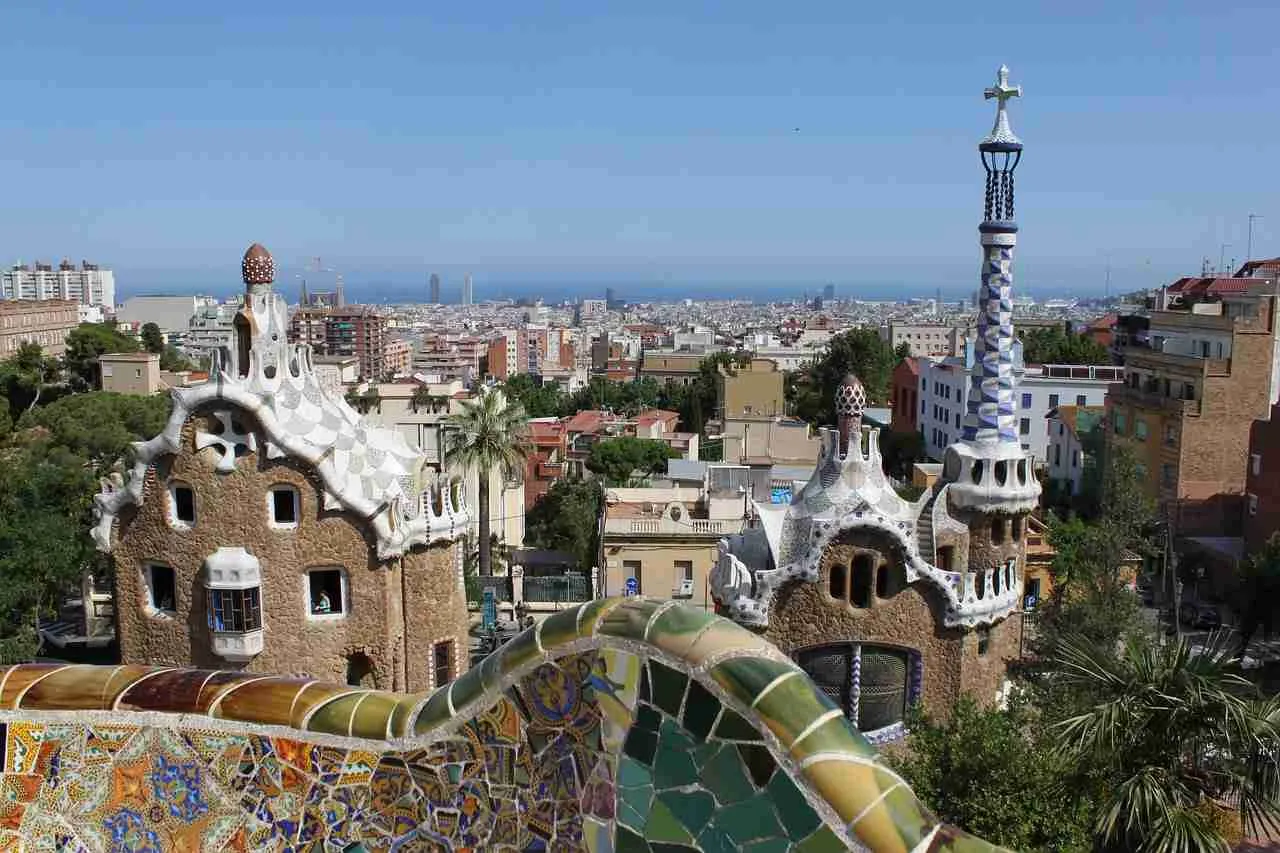
Spain's Entrepreneur Visa is designed for non-EU citizens who wish to establish or expand a business in Spain. This visa is granted to those who create a business that serves the public interest and contributes to the Spanish economy. Unlike the Golden Visa, there is no minimum investment requirement for the Entrepreneur Visa. However, applicants must present a comprehensive business plan that demonstrates the viability and potential of their venture. The business plan should highlight the project's innovation, job creation potential, and positive impact on the Spanish economy.
Spain boasts a supportive startup ecosystem, offering access to incubators, accelerators, and co-working spaces. These resources provide valuable support and guidance for entrepreneurs looking to launch and grow their businesses in Spain.
The Entrepreneur Visa offers a three-year residence permit, which can be renewed. To maintain eligibility, holders must live in Spain for at least six months each year. A significant advantage of the Entrepreneur Visa is that entrepreneurs who meet the residency requirements qualify for Spain's "Beckham Rule" tax provision, which reduces their Spanish tax obligations.
Citizenship in Spain
Obtaining Spanish residency through investment or entrepreneurship can lead to permanent residency and eventually citizenship. After five years of temporary residence, you can apply for permanent residency. Following ten years of permanent residency, you may apply for citizenship through naturalization, provided you meet certain criteria, including demonstrating a sufficient level of integration into Spanish society.
There are also specific pathways to citizenship for children born in Spain. "Nationality by Presumption" allows a child born in Spain to non-resident parents to become a citizen by option if their parents' countries of origin do not grant nationality to children born abroad. Similarly, "Citizenship by Option" is available for children under 18 with a resident parent.
It's important to note that while Spain generally requires applicants to renounce their previous nationality when acquiring Spanish citizenship, there are exceptions for nationals of certain countries, including France, Portugal, Andorra, the Philippines, Equatorial Guinea, and several Latin American countries. Furthermore, the Democratic Memory Law provides a unique opportunity for individuals with a parent or grandparent who were exiled from Spain during the Spanish Civil War to reclaim their Spanish heritage and secure citizenship without renouncing their current nationality.
Education for Children in Spain
Spain boasts a high-quality education system, with public, private, and semi-private schools offering excellent options for children. Spain is even listed among the top ten countries worldwide with the best international schools.
Public Schools
Public education in Spain is free and compulsory for children between six and 16. Public schools generally follow the Spanish curriculum, with the primary language of instruction being Spanish. However, in regions with co-official languages, such as Catalan or Basque, children may also receive instruction in the regional language.
To enroll a child in a public school, parents typically need to provide the following documents:
The child's birth certificate
Passport
NIE or residency card
Vaccination records
Academic transcripts or report cards from previous schools attended
Parents can register their children online for public schools, with the registration process typically starting in early spring. For children enrolling in the second cycle of secondary school or higher, parents must provide proof that the child's education record has been verified by the Spanish Ministry of Education through a process known as "homologación" or "convalidación."
Private Schools
Private schools in Spain offer a variety of curricula, including international options such as the International Baccalaureate and the British curriculum. These schools often have smaller class sizes and more resources than public schools, but they come with tuition fees. The cost of private schools can vary significantly, ranging from around €2,000 to over €20,000 per year.
Semi-Private Schools
Semi-private schools (colegios concertados) are a popular alternative to public and private schools. These schools are partially funded by the government, making them more affordable than fully private institutions while still maintaining a high standard of education. Many colegios concertados are Catholic schools, but they often offer a diverse curriculum on religions.
International Schools
International schools are a popular choice for expat families, as they offer a familiar curriculum and the opportunity for children to continue their education in their native language. These schools typically teach in English or other major languages, such as French or German. Tuition fees for international schools can be high, but they offer a valuable option for families seeking a seamless transition into the Spanish education system.
Higher Education Opportunities in Spain

Spain offers a wide range of higher education opportunities for international students, with numerous universities and programs to choose from. Spanish universities are organized into schools (facultades) with different departments offering specific areas of study. There are 45 public universities and 31 private universities in Spain, including some Catholic universities.
Some of the top universities in Spain include:
University of Barcelona
Autonomous University of Barcelona
Complutense University of Madrid
Autonomous University of Madrid
University of Granada
These universities offer a variety of undergraduate and postgraduate programs, with many courses taught in English. Common program types include:
Bachelor's (Grado): Four years, 240 ECTS credits
Master's (Posgrado): One to two years, 60-120 ECTS credits
Benefits of Spanish Residency or Citizenship for Children
Obtaining Spanish residency or citizenship offers several benefits for children, including:
Access to free or highly subsidized education: Children of residents and citizens have access to free public education, and they may also be eligible for reduced tuition fees at private schools.
High-quality education: Spain's education system is highly regarded internationally, offering a strong foundation for children's future academic and professional success.
Multilingualism: Children growing up in Spain have the opportunity to become fluent in Spanish, and they may also learn a regional language, giving them a valuable advantage in an increasingly globalized world.
Cultural immersion: Living in Spain allows children to experience a rich and diverse culture, broadening their horizons and fostering a global perspective.
EU citizenship: Spanish citizenship grants children the rights and freedoms associated with being an EU citizen, including the ability to live, work, and study in any EU country. This also provides potential benefits for tax efficiency and inheritance planning.
Potential Drawbacks of Spanish Residency or Citizenship for Children
While the benefits are numerous, there are also potential drawbacks to consider:
Language barrier: Initially, children may face challenges adapting to a new language and educational system. This can be particularly challenging for older children who have already established their education in another language.
Cultural adjustment: Adjusting to a new culture can be difficult for children, and they may experience homesickness or struggle with cultural differences in social interactions and daily life.
Potential for bullying: As with any move, there is a risk of bullying or social exclusion as children integrate into a new environment. This can be exacerbated by language barriers or cultural differences.
Tax implications: Depending on the family's circumstances, there may be tax implications associated with Spanish residency or citizenship. It's essential to carefully consider these implications and seek professional advice to ensure compliance with Spanish tax laws.
Success Stories
Many families have successfully relocated to Spain and provided their children with excellent educational opportunities. Here are a couple of examples:
Jaiden's Exchange Experience: Jaiden, an American exchange student, spent almost five months in Madrid and had a transformative experience. She found the education system to be challenging but rewarding, and she embraced the opportunity to immerse herself in Spanish culture and make new friends. Jaiden's story highlights the positive impact that living and studying in Spain can have on a child's personal and academic growth.
A Family's Journey to Citizenship: One family from the Philippines shared their successful journey to obtaining Spanish citizenship after living in Spain for two years on a non-lucrative visa. They diligently fulfilled the requirements, including passing the language and history tests, and were ultimately granted citizenship in just 3.5 months after applying. This story demonstrates that with careful planning and preparation, families can achieve their goal of becoming Spanish citizens and enjoying the benefits that come with it.
Conclusion

Spain presents a compelling opportunity for investors and entrepreneurs seeking residency or citizenship, particularly those with children. The country's investment and entrepreneurship programs, combined with its high-quality education system, make it an attractive destination for families looking to provide their children with a strong educational foundation and a bright future.
There are two primary pathways to residency: the Golden Visa program (for investors) and the Entrepreneur Visa. Both programs offer a route to permanent residency and eventually citizenship, although the Golden Visa program is undergoing changes and may be phased out in the near future.
Spain's education system is highly regarded, with a variety of public, private, semi-private, and international schools to choose from. Public education is free and compulsory, while private and international schools offer more specialized curricula and often have smaller class sizes.
Obtaining Spanish residency or citizenship provides numerous benefits for children, including access to quality education, multilingualism, cultural immersion, and the rights and freedoms associated with EU citizenship. However, it's important to consider the potential drawbacks, such as language barriers, cultural adjustment, and tax implications.
If you're considering relocating to Spain with your family, it's crucial to carefully weigh the requirements, benefits, and potential drawbacks. Seeking guidance from immigration and education specialists can help you make informed decisions and ensure a smooth transition for your family.
Lusine Sargsyan
Attorney
