
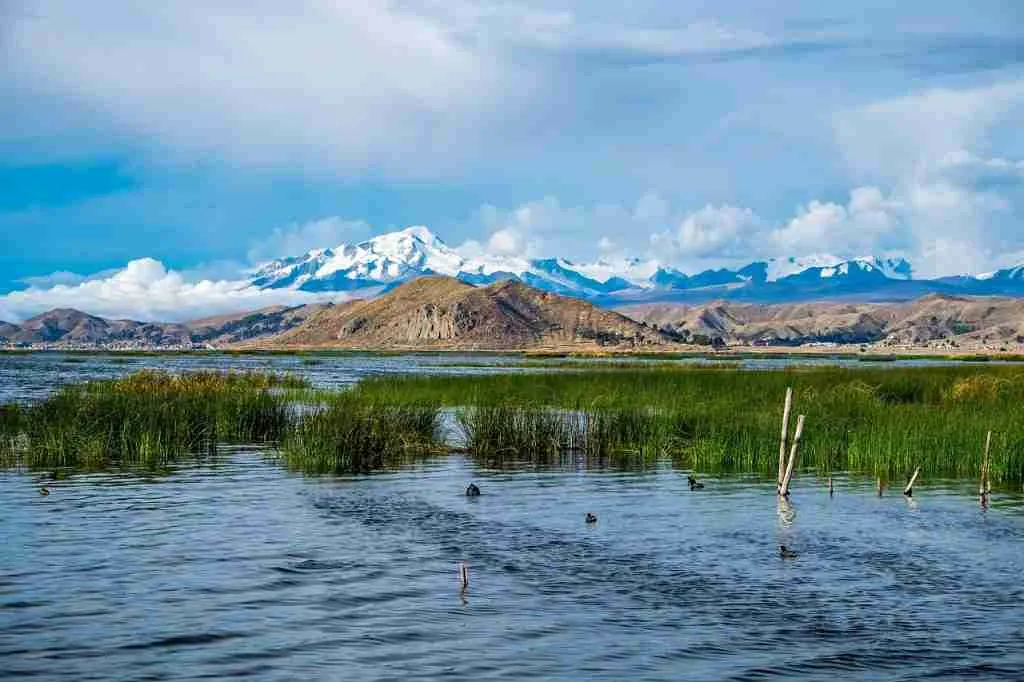
Bolivia, a landlocked country in South America, is known for its diverse landscapes, rich cultural heritage, and, best of all, its affordable living costs. For those seeking a change of pace and a more budget-friendly lifestyle, Bolivia offers an appealing option. This article will guide you through the process of gaining residency or citizenship in Bolivia, opening the doors to a unique and enriching experience.
Residency in Bolivia
Bolivia has relatively relaxed residency requirements compared to other countries, making it an attractive destination for those seeking a new home. There are several pathways to establish residency, each with its own set of requirements and procedures.
Temporary Residency
The most common route for those seeking temporary residency is the Temporary Resident Visa. This visa allows individuals to live and work in Bolivia for a specified period, typically one or two years.
To be eligible, you will generally need to provide the following documentation:
- A valid passport with at least six months of remaining validity.
- A completed visa application form.
- Proof of financial solvency, such as bank statements, demonstrating your ability to support yourself during your stay.
- A police record or background check.
- A medical certificate.
- Proof of accommodation in Bolivia.
It can take up to five weeks for a work visa application to be processed.
The specific requirements and application process may vary depending on your nationality and the purpose of your stay. It's essential to consult with the Bolivian embassy or consulate in your home country for the most up-to-date information.
Visa Requirements by Nationality
Bolivia categorizes countries into three groups, each with different visa requirements:
- Group 1: Citizens of these countries do not require a visa to enter Bolivia. They only need to present a valid passport with at least six months of validity and a valid immigration card at the border.
- Group 2: Citizens of these countries can obtain a visa upon arrival at the border for a fee, or they can apply for a visa in advance at a Bolivian embassy or consulate.
- Group 3: Citizens of these countries must apply for a visa in advance at a Bolivian embassy or consulate.
Other Visa Types
In addition to the Temporary Resident Visa, there are other visa types available for those with specific purposes in Bolivia:
- Specific Purpose Visa: This visa is for individuals who plan to work, study, volunteer, or conduct business in Bolivia for a short period, usually up to 30 days.
- Multiple Entry Visa: This visa is ideal for those who need to travel in and out of Bolivia frequently, such as business travelers. It is valid for one year and can be extended for another year.
Visa Type | Purpose | Requirements |
|---|---|---|
Specific Purpose Visa | Work, study, volunteer, or conduct business in Bolivia for a short period | Valid passport, completed application form, proof of accommodation, copy of return flight, proof of financial solvency, yellow fever vaccination (if required), passport-sized photo |
Multiple Entry Visa | Travel in and out of Bolivia frequently | Valid passport, completed application form, letter of request, certificate of good conduct (less than one month old), flight ticket or travel itinerary, copy of work contract (if applicable) |
Permanent Residency
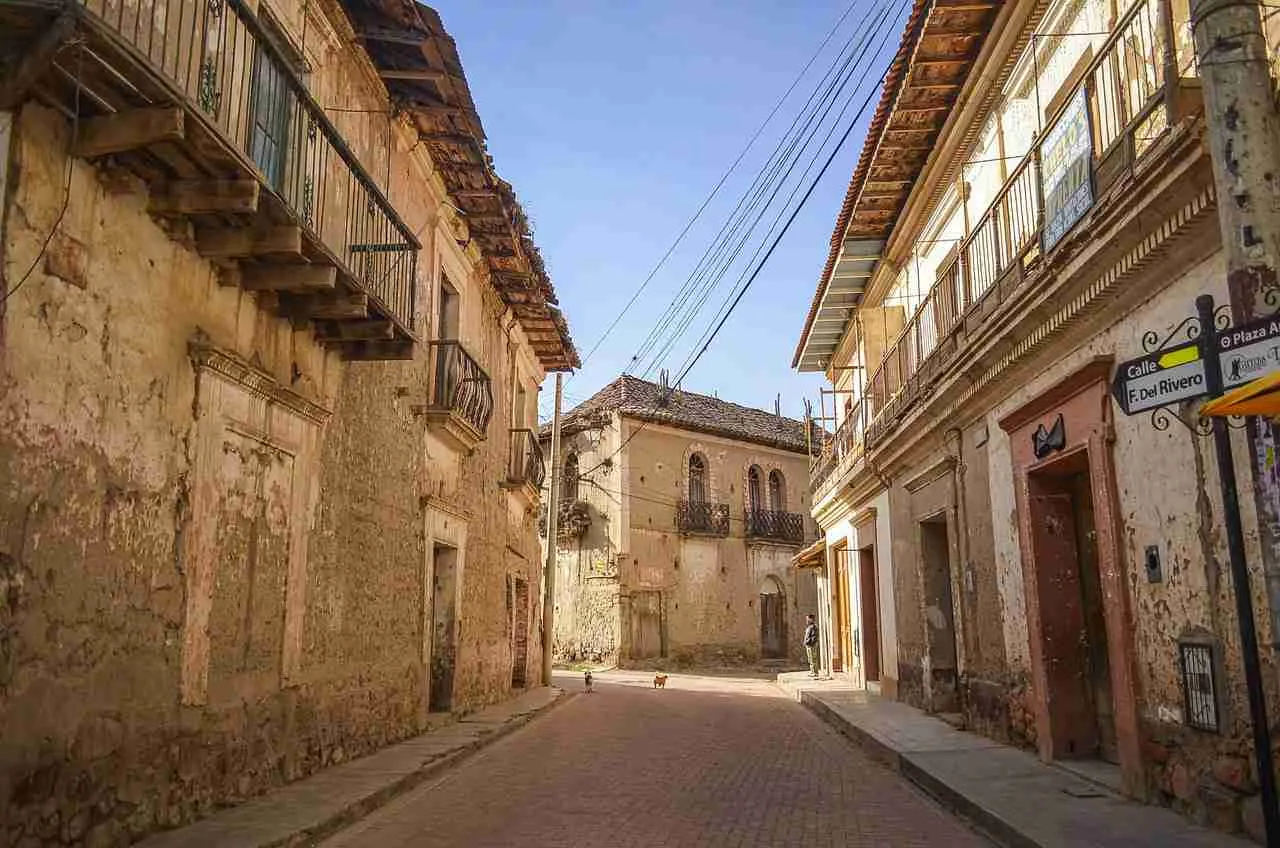
After residing in Bolivia for a continuous period of two years with a temporary resident visa, you can apply for Permanent Residency. This grants you the right to live and work in Bolivia indefinitely.
To obtain permanent residency, you will typically need to demonstrate that you have maintained legal residency in Bolivia for the required period and have not left the country for more than 90 days during that time. You may also need to provide updated documentation, such as a police record and medical certificate. The cost of the permanent visa is 3920 Bs. (US$ 560).
Note: This visa expires if you leave the country for more than two years.
Citizenship in Bolivia
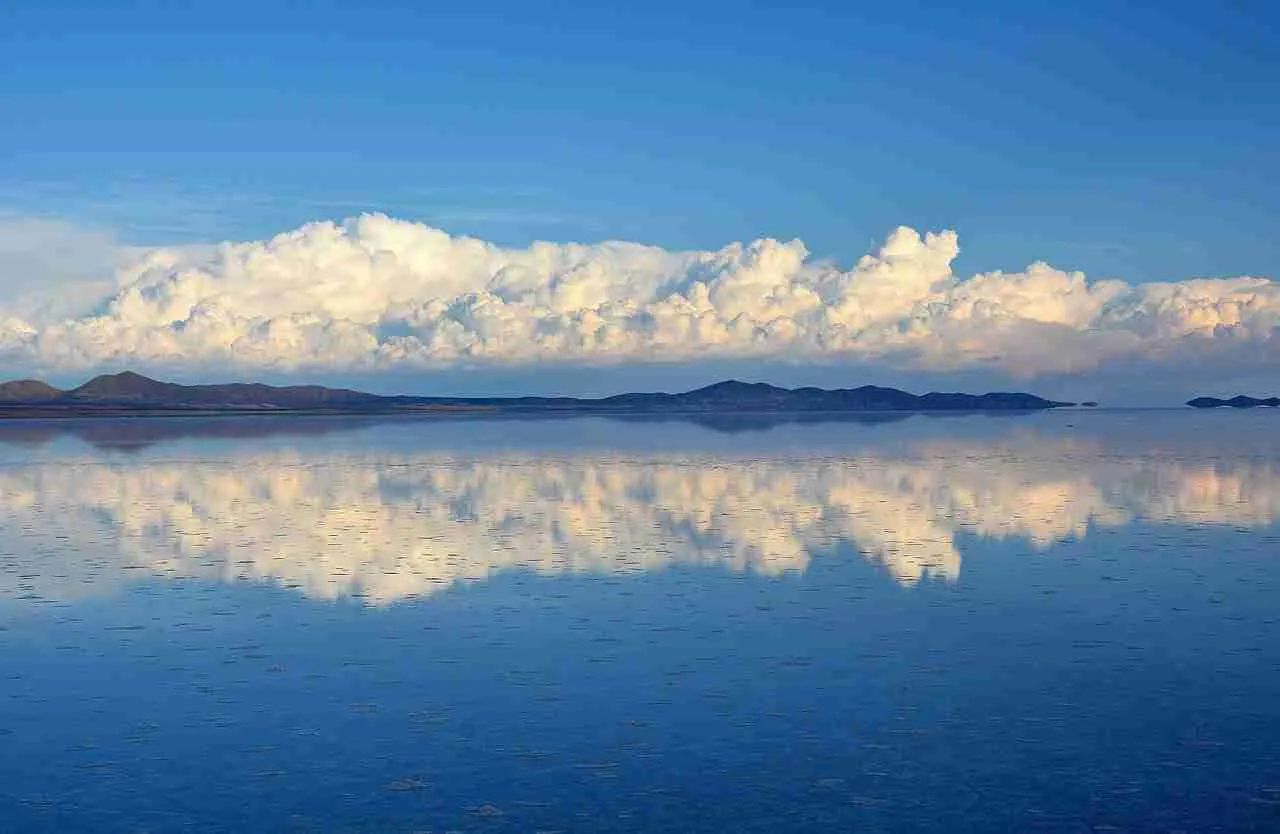
While residency allows you to live and work in Bolivia, citizenship grants you full rights and privileges as a Bolivian national. There are a few ways to acquire Bolivian citizenship:
By Birth
Anyone born within the territory of Bolivia automatically acquires Bolivian citizenship, regardless of the nationality of their parents. This policy is known as jus soli and applies to all children born in Bolivia, including those born to foreign diplomats.
By Descent
Children born abroad to at least one Bolivian parent can also acquire Bolivian citizenship. To formalize this, the child's birth must be registered with Bolivian diplomatic or consular officials in the Civil Birth Registry for Bolivia. For children under 12, this registration can be done at a Bolivian consulate.
By Naturalization
Foreigners who have legally resided in Bolivia for a specific period can apply for citizenship through naturalization. The general requirement is to have lived in Bolivia for more than three years without interruption. However, this period can be reduced to two years for those who meet certain criteria, such as:
- Being married to a Bolivian citizen.
- Having Bolivian children.
- Having performed military service in Bolivia.
- Owning immovable property in Bolivia.
- Introducing an industry or invention of value to the community.
- Working as a school teacher.
To apply for naturalization, you will need to submit an application to the Ministry of Immigration, along with supporting documents such as your birth certificate, passport, medical certificate, and police record. The Ministry will then review your application and, if all is in order, grant naturalization.
Dual Citizenship
Bolivia allows dual citizenship. This means that you can hold Bolivian citizenship alongside your existing citizenship without needing to renounce your original nationality. When entering or exiting Bolivia, dual citizens may need to show a valid Bolivian identity document, such as a cédula de identidad.
Low-Cost Lifestyle in Bolivia
One of the main draws for expats considering Bolivia is its low cost of living. Compared to many other countries in South America and beyond, Bolivia offers a significantly more affordable lifestyle. For example, a single person's estimated monthly costs are $480.7. Expats from countries like the US and Canada can experience significant cost savings, especially in terms of housing.In some cases, housing costs alone can be reduced by as much as 50%. This translates to more financial freedom to pursue your passions, explore your surroundings, and savor the simple pleasures of life.
It's worth noting that these costs can vary depending on your lifestyle and location within Bolivia. Cities like Cochabamba, with its vibrant cultural scene and modern amenities, tend to be more expensive than other areas.
Here's a glimpse of what you can expect:
Housing
Rent for a two-bedroom furnished apartment in a centrally located area can be found for around $400 per month. In smaller cities or less central neighborhoods, you can find even more affordable options. Utilities, such as electricity, water, and gas, are also relatively inexpensive. In the city of Sucre, a couple can live comfortably on $1,000 a month, while a single person can manage on $600 to $800.
Food
Groceries and dining out are both very affordable in Bolivia. You can expect to spend around $350 per month on groceries for a couple. Local markets offer fresh produce and other essentials at low prices, and there are plenty of inexpensive restaurants serving delicious Bolivian cuisine. For example, a family-sized platter of grilled meats with salad bar access costs just $12.
Transportation
Public transportation is readily available and affordable in Bolivian cities. Buses and minibuses are the most common modes of transport, with fares typically costing less than a dollar per ride. One-way airline tickets between cities can be as low as $27. Taxis are also relatively inexpensive.
Healthcare
Bolivia has a public healthcare system that provides basic medical services to all citizens and foreign residents. While the quality of public healthcare can vary, it's generally adequate for routine care. The Family, Community and Intercultural Health policy (SAFCI) focuses on community health and provides healthcare services in local municipalities. Private healthcare facilities are also available, offering higher quality services but at a higher cost.
Education
Education in Bolivia is compulsory for children between the ages of 6 and 14. The public education system is free, although there may be some associated costs, such as uniforms and school supplies. Private schools are also available, offering a higher quality of education but at a higher cost. The Bolivian education system follows an 8-2-2 structure, with eight years of primary school, two years of lower secondary, and two years of upper secondary.
Job Market
The job market in Bolivia is characterized by a large informal economy, which accounts for a significant portion of the workforce. This can present both challenges and opportunities for job seekers. Key industries in Bolivia include agriculture, mining, and manufacturing. Bolivia's labor laws provide worker protections, such as regulations on working hours, minimum wage, and health and safety standards.
Culture and Lifestyle
Bolivia boasts a vibrant and diverse culture, with a blend of indigenous traditions and Spanish colonial influences. Bolivians are known for their warmth and hospitality, and the country offers a relaxed and laid-back lifestyle. You can enjoy a variety of cultural experiences, from exploring ancient ruins and colorful markets to attending traditional festivals and enjoying the local cuisine. Spanish is the official language of Bolivia, and learning it is essential for fully experiencing the culture and navigating daily life.
Important Note: La Paz, the capital of Bolivia, is situated at a high altitude. Visitors may experience altitude sickness, so it's advisable to acclimatize gradually and take necessary precautions.
Conclusion
Gaining residency or citizenship in Bolivia can be a rewarding experience for those seeking a low-cost lifestyle and a unique cultural immersion. The country offers a welcoming environment, stunning landscapes, and a rich cultural heritage. With relatively relaxed residency requirements and the possibility of dual citizenship, Bolivia presents an attractive option for those looking to make a change.
For those considering this path, the official Bolivian government website is a valuable resource for further information. Additionally, expat forums and online communities can provide insights and support from those who have already made the move.
If you're looking for an affordable and enriching experience in a beautiful and welcoming country, Bolivia is definitely worth exploring.

Lusine Sargsyan
Attorney
