

Residency Options in Ecuador
Ecuador offers several visa options that can lead to residency, each with its own set of requirements and benefits. Here are some of the most popular choices for those seeking a low-cost lifestyle:
Pensioner Visa (Visa de Jubilado)
If you have a stable monthly pension from a reliable source, such as Social Security or a corporate pension, the Pensioner visa is a great option. You'll need to prove a minimum monthly income of $1,380 (in 2024). This amount is subject to change, so it's essential to check for the latest requirements. This visa allows you to live in Ecuador indefinitely and enjoy the benefits of a lower cost of living.
Investor Visa (Visa de Inversionista)
For those with a lump sum to invest, the Investor visa offers a path to residency. You'll need to invest at least $42,500 (in 2024) in one of the following options:
- Certificate of Deposit (CD): Invest in a CD with an Ecuadorian bank for at least 730 days.
- Real Estate: Purchase property with an assessed value of at least $42,500.
- Shares of an Ecuadorian Company: Invest in shares of a company registered in Ecuador.
One advantage of the Investor visa is the flexibility it offers. If you decide to change your investment strategy later on, you can swap your initial investment for another option, such as moving from a CD to real estate. It's important to note that the relatively low investment required for this visa makes Ecuador an attractive option compared to other countries with similar programs.
Rentista Visa (Visa de Rentista)
If you have a steady stream of passive income from sources like dividends or rental income, the Rentista visa may be suitable. You'll need to demonstrate a monthly income of at least $1,380 (in 2024) from these sources.
Professional Visa
For those with professional skills and qualifications, the Professional visa offers another route to residency. This visa requires a bachelor's degree or higher from a university recognized by the Ecuadorian government. You may also need to provide notarized and apostilled copies of your university transcripts if your institution is not on the list of recognized universities.
Temporary Resident Visa
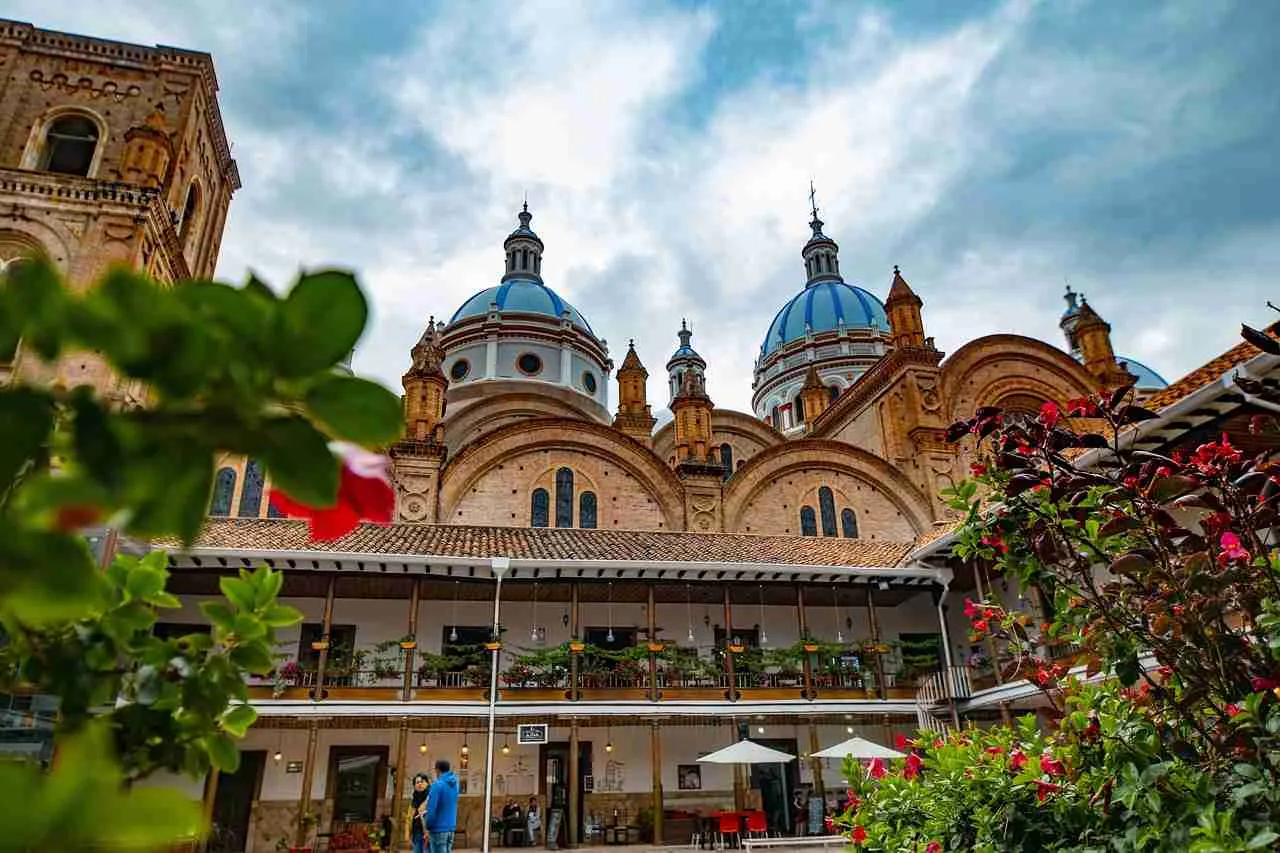
While not a direct path to permanent residency, the Temporary Resident visa can be a valuable stepping stone for those considering a long-term move to Ecuador. This visa allows you to stay in Ecuador for up to two years and can be renewed once. It provides an opportunity to experience the Ecuadorian lifestyle, explore different regions, and determine if it's the right place for you to settle permanently.
Important Note: Ecuador uses the US dollar as its official currency. This eliminates currency exchange risks and simplifies financial transactions for expats, especially those from the US, making it easier to manage your finances and enjoy a low-cost lifestyle.
It's also worth noting that even if you don't meet the minimum income requirements for certain visas, it may still be possible to obtain residency with the help of legal representation. A lawyer can assist you in presenting your case and demonstrating your financial solvency to immigration officials.
Gaining Citizenship in Ecuador
Once you've obtained permanent residency, you can apply for Ecuadorian citizenship after three years. This is a relatively quick path to citizenship compared to many other countries, making Ecuador an attractive option for those seeking a second citizenship.
The process involves demonstrating:
- Continuous and legal residence in Ecuador for at least three years.
- Knowledge of the patriotic symbols of Ecuador.
- Basic Spanish language skills and integration into Ecuadorian society.
- Proof of sufficient economic means to support yourself.
During the citizenship interview, you'll be required to explain your reasons for wanting to acquire Ecuadorian nationality. This is an opportunity to express your genuine interest in becoming a part of the Ecuadorian community and contributing to the country.
For those over 65 years old, the naturalization process may be expedited. If you can speak and write Spanish, you may not be required to demonstrate general knowledge of Ecuadorian history, geography, and culture.
With residency status, you'll need to obtain an Ecuadorian ID card called a "cedula". This card not only serves as identification but also allows you to enroll in the national healthcare system (IESS) and access senior citizen discounts on various services, further enhancing the affordability of living in Ecuador.
Dual Nationality
Ecuador allows dual citizenship, which means you can retain your current citizenship while also becoming an Ecuadorian citizen. This is a significant advantage for many expats who wish to maintain ties to their home country while enjoying the benefits of living in Ecuador.
Visa-Free Travel
An Ecuadorian passport provides visa-free travel or visa-on-arrival access to various countries. This can be a valuable perk for those who enjoy traveling and exploring different parts of the world.
Application Process for Residency
Step | Description | Required Documents |
|---|---|---|
1. Choose a Visa | Determine the visa category that best suits your circumstances. | |
2. Gather Documents | Collect all the necessary documents, ensuring they are valid and meet the specific requirements of your chosen visa category. | Valid passport with at least six months of validity remaining; Criminal background check from your home country and any other country you've lived in for the past five years; Proof of income or investment, depending on the visa category; Proof of health insurance; Completed application form; Two passport-sized photos; Movimiento Migratorio - a record of your entries and exits from Ecuador |
3. Authenticate Documents | Ensure your documents are authenticated via apostille or consular legalization, depending on your country of origin. | Original documents Apostille or legalization stamps |
4. Submit Application | Submit your application at an Ecuadorian embassy or consulate in your home country or in Ecuador at the Ministry of Foreign Affairs and Human Mobility. | Completed application form; All required documents |
5. Attend Interview | Attend an interview with an immigration official to discuss your application and reasons for wanting to live in Ecuador. | |
6. Obtain Visa | Once your application is approved, you'll receive your visa. | |
7. Apply for Cedula | Apply for a cedula, which is a national identification card required for various activities in Ecuador. | Visa; Other required documents (may vary) |
Application Process for Citizenship
Step | Description | Required Documents |
|---|---|---|
1. Meet Residency Requirement | Complete the required three years of continuous and legal residence in Ecuador. | Permanent resident visa |
2. Gather Documents | Collect all the necessary documents, ensuring they are valid and meet the citizenship application requirements. | Valid passport; Cedula; Apostille birth certificate |
3. Submit Application | Submit your application at the Ministry of Foreign Affairs and Human Mobility. | Completed application form; All required documents |
4. Attend Interview | Attend an interview with an immigration official to discuss your application and explain your reasons for wanting to acquire Ecuadorian nationality. | |
5. Await Decision | Your application will be reviewed, and a decision will be made on your citizenship request. | |
6. Obtain Citizenship | If approved, you'll be granted Ecuadorian citizenship. |
Cost of Living in Ecuador
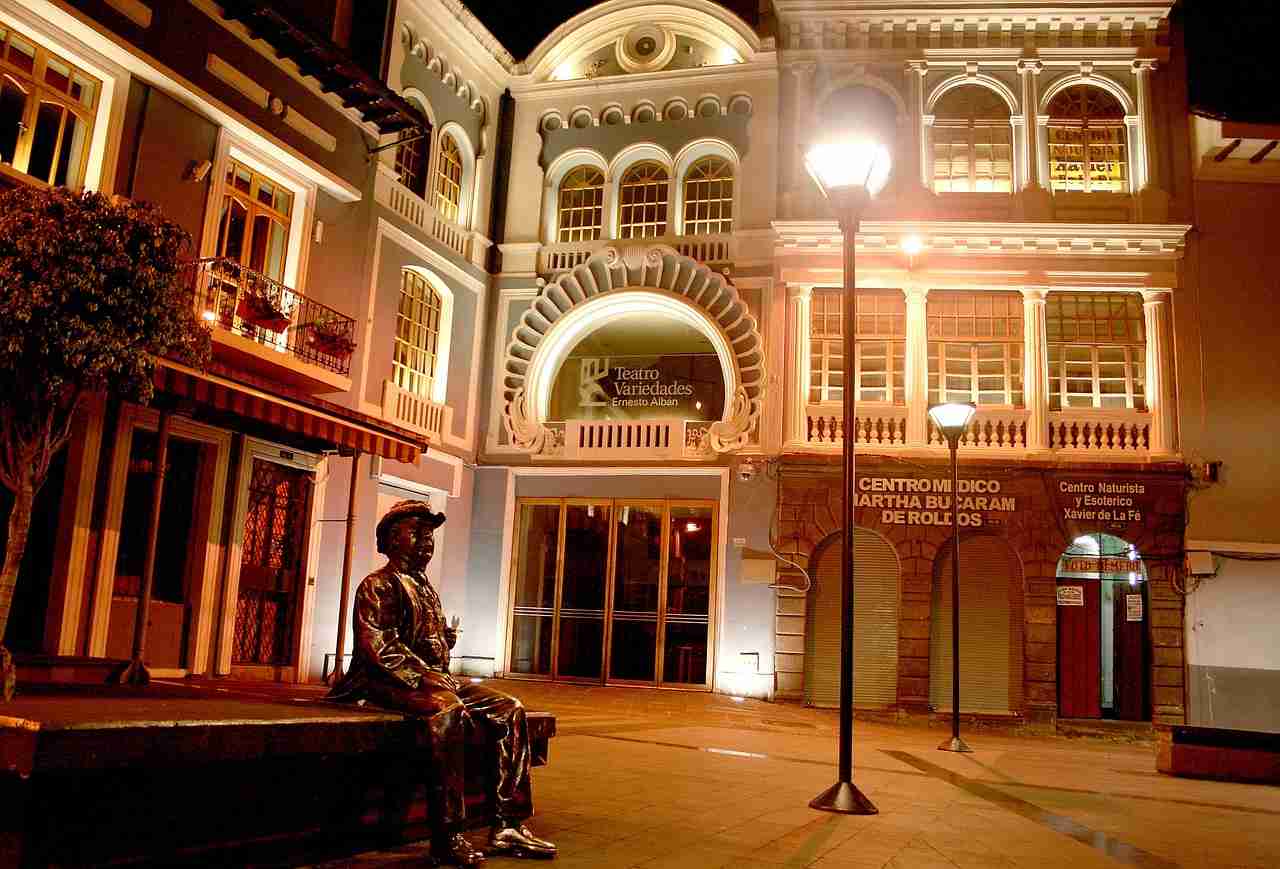
One of the main draws of Ecuador is its low cost of living. Here's a breakdown of some typical expenses:
Expense Category | Estimated Monthly Cost | Notes |
|---|---|---|
Rent | $300 - $800 | Varies by location and size of apartment |
Utilities | $50 - $120 | Includes electricity, water, gas, and internet |
Groceries | $200 - $500 | Depends on eating habits and location |
Transportation | $50 - $140 | Includes public transport, taxis, or car ownership |
Healthcare | $95 - $200 | IESS public healthcare or private insurance |
Entertainment | $100 - $250 | Dining out, activities, and events |
Total Monthly Expenses: $795 - $1,910
These are estimates, and your actual costs may vary depending on your lifestyle and location. However, it's clear that Ecuador offers a significantly lower cost of living compared to many Western countries. This affordability allows you to stretch your budget further, enjoy a comfortable lifestyle, and potentially even save more money.
In addition to the low cost of basic necessities, many expats find that they can afford services that might be considered luxuries in their home countries. For example, due to the affordable cost of living, many expats in Ecuador enjoy the convenience of a weekly maid service, which typically costs around $20 to $25 for a full day of cleaning, cooking, and laundry.
Testimonials from Expats
Many expats have successfully gained residency or citizenship in Ecuador and are enjoying a low-cost lifestyle. They appreciate the varied and beautiful landscapes, from mountains to beaches, and the opportunity to experience untouched natural areas. The healthy and delicious food, especially with access to fresh produce, is another highlight for many.
One expat shares their experience of living comfortably in Imbabura on less than $1,000 per month, enjoying the security of a gated community with 24/7 guard and included gardening services. Another expat highlights the fantastic weather in Quito and the surrounding mountains as a major draw.
These testimonials demonstrate that Ecuador offers a genuine opportunity to live affordably and comfortably, enjoying a high quality of life without the financial pressures common in many other countries.
Healthcare and Education in Ecuador
Healthcare: Ecuador has a two-tiered healthcare system: public and private. The public system, IESS, is affordable and accessible to all residents, including expats. It provides comprehensive coverage, including doctor's visits, hospitalization, surgeries, and prescription medications, at a significantly lower cost than healthcare in many Western countries.
Private healthcare offers more modern facilities and shorter wait times, but at a higher cost. Many private hospitals in Ecuador are equipped with the latest medical technology, and the staff often includes doctors and nurses who have received training in the US or Europe .
A unique aspect of the Ecuadorian healthcare system is the "rural service" requirement for doctors. This means that doctors are obliged to perform one year of service in isolated rural communities, ensuring healthcare access even in remote areas.
Education: Ecuador has a public education system that is free and compulsory for six years, starting at age six. There are also private schools available, offering international programs and bilingual education.
The accessibility of healthcare in both urban and rural areas is a crucial factor for expats considering long-term residency in Ecuador. Whether you choose the public or private system, you can be confident that medical care is readily available and affordable.
Job Opportunities and Business Options
While finding employment in Ecuador can be challenging for foreigners, there are opportunities in sectors like tourism, teaching English, and online work. The growing tourism industry provides various roles, from tour guides to hospitality staff. With a high demand for English language skills, teaching English as a foreign language (TEFL) is another viable option.
Starting a business is also an option, with the government offering incentives for foreign investors. These incentives can include tax exemptions, favorable laws, and grants for new businesses, making Ecuador an attractive destination for entrepreneurs.
Some promising business sectors in Ecuador include:
- Real Estate: With a growing expat community and increasing interest in real estate investment, there are opportunities for real estate agents, property managers, and developers.
- Spanish Language Schools: Ecuador is a popular destination for learning Spanish, and establishing a language school can be a successful venture.
- Short-Term Rentals: Providing quality short-term rentals for tourists and expats can be a lucrative business opportunity.
- Franchising: Ecuador has a growing franchise market, with opportunities in sectors like entertainment, coffee, health services, and education.
Conclusion

Ecuador offers a viable and attractive path to residency and citizenship for those seeking a low-cost lifestyle. With its affordable cost of living, accessible healthcare, welcoming culture, and beautiful landscapes, it's no wonder that Ecuador is becoming an increasingly popular destination for expats.
By carefully considering the visa options, understanding the application process, and embracing the Ecuadorian way of life, you can achieve your dream of living affordably in this beautiful South American country.

Lusine Sargsyan
Attorney
