
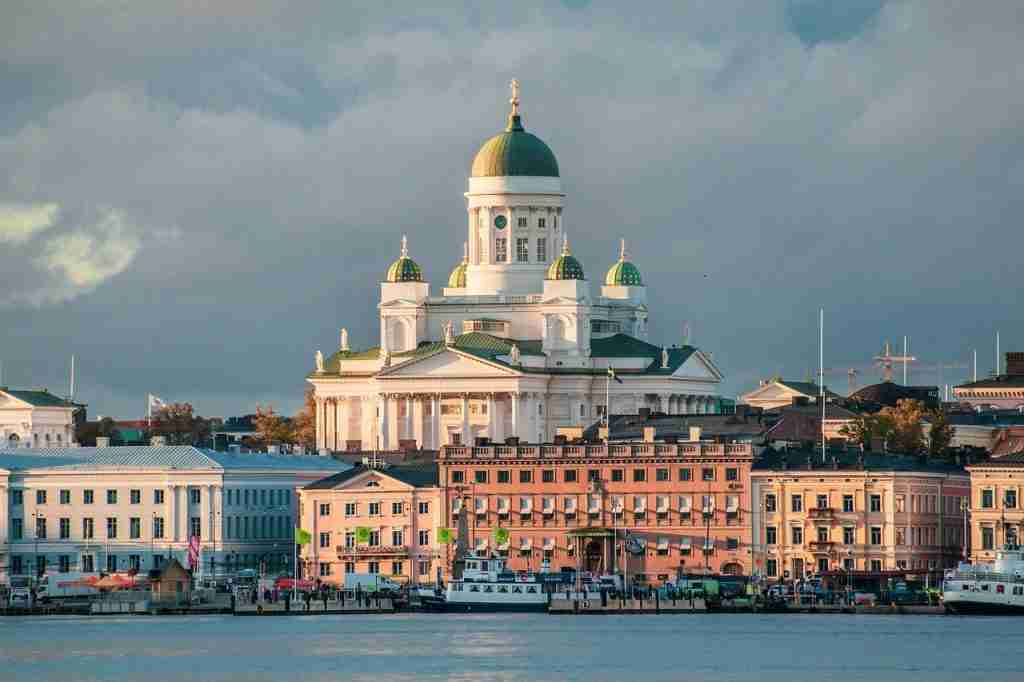
Finland, renowned for its pristine natural beauty, thriving economy, and exceptional quality of life, has become an increasingly attractive destination for investors and entrepreneurs seeking new opportunities and a secure future for their families. Beyond its economic allure, Finland boasts a world-renowned education system that consistently ranks among the best globally. This article explores the pathways to residency and citizenship in Finland for investors and entrepreneurs, with a particular focus on the benefits of providing your children with access to Finland's free, high-quality education.
Residency by Investment in Finland
While Finland does not offer a traditional "Golden Visa" program with a direct path to citizenship through investment, it provides various options for investors and entrepreneurs to gain residency, which can eventually lead to citizenship. These options prioritize active investment and business development that contribute to the Finnish economy.
Finland offers several types of residence permits, catering to different needs and purposes. These include:
First Permit: For individuals who do not have a residence permit and plan to move to Finland.
Extended Permit: For those whose current residence permit is about to expire.
Permanent Residence Permit: For those who have lived in Finland for at least four years with a continuous residence permit (A permit).
Seasonal Work Permits: For those seeking temporary employment in agriculture or tourism.
EU Citizen Registration: For citizens of the European Union or their family members.
Continuous Residence Permit (A Permit)
The first step towards permanent residency in Finland is obtaining a continuous residence permit (A permit). This permit allows you to live and work in Finland for a continuous period, typically up to four years. To be eligible for an A permit, you generally need to meet the following requirements:
Uninterrupted Residence: You must have lived in Finland for an uninterrupted period of four years with a continuous residence permit.
Valid Grounds for Residence: The requirements for issuing your current continuous residence permit must still be met. This could be based on employment, family ties, or other valid reasons.
Continuous Period of Residence: There cannot be any gaps between your continuous residence permits.
Physical Presence: You must have resided in Finland for at least two years during the past four years.
Entrepreneurship and Business Investment
Finland welcomes entrepreneurs and investors who are eager to establish or invest in businesses that align with the country's economic priorities. These include sectors such as technology, renewable energy, and healthcare.
Key Requirements:
Business Viability: The Finnish Immigration Service assesses the business plan's potential for profitability and sustainability, with a focus on its economic impact and alignment with Finland's innovation-driven economy.
Financial Stability: Applicants must demonstrate sufficient funds to support the business's operations and cover their living expenses in Finland.
Active Involvement: Investors and entrepreneurs must actively participate in the business's operations and management.
Investment Options:
Starting a New Business: Entrepreneurs can launch a new business in Finland, particularly in high-tech and sustainable development sectors. A comprehensive business plan and adequate funding are crucial for approval.
Investing in an Existing Business: Non-EU nationals can invest in existing Finnish companies. However, passive investments like stock purchases generally do not qualify. The investment must be active and contribute to the company's growth.
Startup Permit

Finland offers a Startup Permit specifically designed for innovative entrepreneurs from outside the EU who wish to establish and grow their startups in the country.
Key Requirements:
Innovative Business Idea: The startup must demonstrate a high potential for international growth and innovation.
Team and Ownership: The startup team should have at least two founders with diverse expertise, and the founding team must hold at least 60% of the company's ownership.
Business Finland Approval: Applicants must obtain a positive Eligibility Statement from Business Finland, which evaluates the business model, resources, market strategy, and growth potential.
Financial Resources: Entrepreneurs must demonstrate sufficient financial resources to support themselves and their business in Finland.
Self-Employed Professionals
Freelancers and consultants with specialized skills and a proven track record of stable income may also qualify for residency. They must demonstrate the economic viability of their profession and meet the general requirements for residency.
Residency for Family Members of EU Citizens
Family members of EU citizens who have resided legally in Finland together with the EU citizen for a continuous period of five years do not need to apply for a permanent residence permit. Instead, they can apply for a permanent residence card.
Application Process for a Residence Permit
To apply for a residence permit in Finland, you generally need to follow these steps:
Submit an Application: You can submit your application online through the Enter Finland e-service or on paper.
Visit a Service Point: After submitting the application, you must visit a service point of the Finnish Immigration Service to prove your identity, have your fingerprints taken, and show the originals of the documents attached to your application.
Pay the Fee: You need to pay the processing fee for your application.
Processing Time: The processing time for a residence permit application varies depending on the type of permit and individual circumstances.
Path to Permanent Residency and Citizenship
After four years of continuous residence with a valid residence permit, investors and entrepreneurs can apply for permanent residency. After five years of continuous residence, they may be eligible to apply for Finnish citizenship, provided they meet the language proficiency and integration requirements.
Citizenship by Naturalization
To acquire Finnish citizenship by naturalization, you generally need to meet the following requirements:
Established Identity: Your identity must be reliably established.
Age: You must have reached the age of 18.
Residence Requirement: You must have lived in Finland for a sufficient length of time, typically five to eight years.
Integrity Requirement: You must meet the integrity requirement, meaning you have not committed any serious offenses.
Payment Obligations: You must have fulfilled all your payment obligations, such as taxes and fines.
Means of Livelihood: You must have established your means of livelihood in Finland.
Language Skills: You must have sufficient language skills in Finnish, Swedish, or Finnish or Finnish-Swedish sign language.
Citizenship by Declaration
In certain cases, an easier way of acquiring Finnish citizenship is by declaration. You can become a Finnish citizen by declaration if you are:
A former Finnish citizen.
A Nordic citizen.
A young person between 18 and 22 years of age who has lived in Finland long enough.
An adopted child between 12 and 17 years of age.
A child (under 18) who was born abroad outside marriage to a Finnish father, or to two mothers, and your Finnish mother is your non-birth mother.
An adult (18 or over) whose parent is a Finnish citizen and you were born abroad outside marriage to a Finnish father or were born abroad to two mothers, and your Finnish mother is your non-birth mother.
Finland's Education System: A Foundation for Excellence

Finland's education system is internationally recognized for its high quality, equity, and focus on student well-being. It consistently ranks among the top performers in international assessments like PISA, although recent years have seen some decline in scores.
Key Principles
The Finnish education system is built on several key principles:
Equity: Ensuring equal opportunities for all students, regardless of their background or socioeconomic status.
Individual Support: Providing individual support measures to help every student reach their full potential.
High-Quality Teaching: Maintaining high-quality teaching throughout the country, with minimal variations in school quality.
Lifelong Learning: Promoting lifelong learning and providing adult education at all levels.
Trust and Responsibility: The system is based on trust and responsibility, with a high degree of autonomy given to schools and teachers.
Structure of the Education System
The Finnish education system consists of the following levels:
Early Childhood Education and Care: Provided for children before compulsory education begins.
Pre-primary Education: Provided for children in the year preceding the beginning of compulsory education.
Basic Education: Nine-year compulsory education, comprising primary and lower secondary education.
General Upper Secondary Education: Provides a broad education leading to the matriculation examination.
Vocational Education and Training: Provides training for various professions and can lead to a vocational qualification.
Higher Education: Comprises universities and universities of applied sciences.
Key Features
Free Education: Education is free for all residents in Finland, from pre-primary to higher education. This includes tuition fees, school materials, and even school meals.
Highly Qualified Teachers: Teachers in Finland are highly educated professionals with master's degrees and specialized training. They are given significant autonomy in their classrooms and are trusted to tailor their teaching to meet individual student needs.
Emphasis on Equity and Well-being: The Finnish education system prioritizes equal opportunities for all students, regardless of their background or socioeconomic status. It focuses on holistic development, fostering critical thinking, creativity, and problem-solving skills.
Late Start and Play-Based Learning: Children in Finland begin formal schooling at the age of seven, allowing for more time for play-based learning in early childhood. This approach promotes social and emotional development and encourages a love for learning.
Limited Standardized Testing: While there are no national standardized tests for regular assessment, sample-based evaluations are conducted to monitor learning outcomes. This reduces pressure on students and allows teachers to focus on individualized learning.
Vocational Education and Training: Finland offers a strong vocational education and training system that provides students with practical skills and knowledge for various professions. This system allows students to enter the workforce directly or pursue further education at universities of applied sciences.
Benefits of Finnish Residency and Citizenship
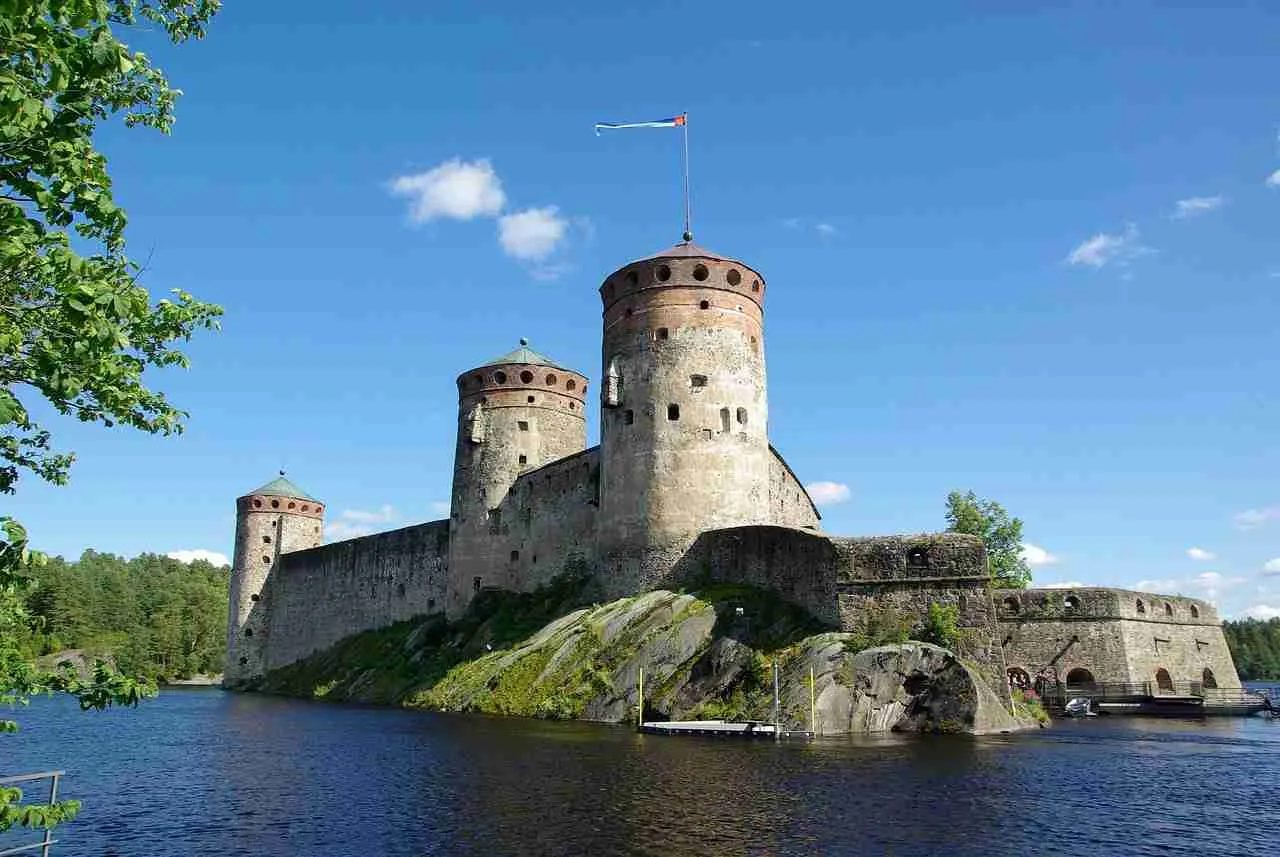
Obtaining residency and citizenship in Finland offers a wide range of benefits for investors, entrepreneurs, and their families:
Access to the EU: Finnish residency grants visa-free access to all Schengen Area countries, facilitating travel and business operations across Europe.
High Quality of Life: Finland consistently ranks high in global quality of life indices, with excellent healthcare, a safe environment, and a strong social safety net.
Business-Friendly Environment: Finland has a dynamic startup ecosystem, strong government support for innovation, and a stable economy.
Social Security Benefits: Residents of Finland have access to social security benefits, including healthcare, unemployment benefits, and social assistance. Permanent residents enjoy almost full rights as Finnish citizens, including access to public healthcare, public education, and social security benefits.
Family-Friendly Policies: Finland offers generous family leave policies and affordable childcare, making it an ideal place to raise a family.
Benefits for Grant Recipients: Individuals doing research or artistic work financed through a grant and insured under the farmers' pension insurance scheme have the right to certain benefits, such as sickness allowance.
Freedom of Movement: Finnish residency provides freedom of movement to 189 countries.
Finnish Passport: A Finnish passport allows visa-free travel to over 187 countries.
Military Service Obligation: Male Finnish citizens are obligated to perform compulsory military service.
Finland's Focus on Active Investment
It's important to highlight that Finland's residency programs prioritize active investment and business development over passive investments. This means that simply purchasing real estate or investing in stocks will not be sufficient to qualify for residency. Instead, applicants must demonstrate their commitment to contributing to the Finnish economy through active participation in business activities.
Emphasis on Innovation
Finland actively encourages innovative businesses and startups, particularly in sectors like technology, renewable energy, and healthcare. This focus on innovation aligns with Finland's national economic strategy and is a key attraction for entrepreneurs seeking a supportive environment for their ventures.
Holistic Education Approach
The Finnish education system takes a holistic approach to education, focusing on student well-being, personal growth, and developing 21st-century skills alongside academic knowledge. This approach recognizes that education is not just about acquiring knowledge but also about developing well-rounded individuals who can contribute to society.
Teacher Autonomy and Professionalism
Teachers in Finland are highly respected professionals who are given a high level of autonomy and trust. This allows them to tailor their teaching to individual student needs and create a supportive learning environment where students feel valued and encouraged.
Long-Term Perspective
Obtaining residency and citizenship in Finland is a long-term commitment that requires continuous residence and integration into Finnish society. This means that applicants should be prepared to make Finland their home and actively participate in the community.
Testimonials and Case Studies
Several testimonials and case studies highlight the experiences of investors and entrepreneurs who have successfully obtained residency in Finland and enrolled their children in the Finnish education system. These individuals often cite the high quality of education, the supportive environment, and the overall positive impact on their children's development as key factors in their decision to relocate to Finland.
One case study involves a Bangladeshi entrepreneur who, with the help of an immigration consultancy, expanded his business to Finland and obtained residency through the Startup Permit program. He praised the favorable business environment and the ease of accessing government support. He also highlighted the benefits of having his family included in the residence permit application.
Another example is an IT professional who moved to Finland on a work permit and later transitioned to self-employment after obtaining permanent residency. He highlighted the flexibility of the Finnish system and the ability to pursue entrepreneurial ventures while maintaining residency. He also emphasized the importance of carefully verifying his situation with the immigration authorities before making any changes to his employment status.
One entrepreneur shared his struggles with the residency process, highlighting the challenges faced by startup founders in navigating the complexities of immigration policies. He emphasized the importance of having a valid residence permit to secure funding and maintain business operations.
Conclusion
Finland offers a unique combination of economic opportunities, a high quality of life, and a world-class education system, making it an ideal destination for investors and entrepreneurs seeking a secure and prosperous future for their families. By investing in Finland, you not only gain access to a thriving Nordic economy but also provide your children with the foundation for a successful future through its exceptional education system.
Synthesis of Residency and Citizenship in Finland
Gaining residency and citizenship in Finland offers a unique opportunity to immerse oneself in a society that prioritizes innovation, equality, and well-being. While the path to citizenship requires a long-term commitment and integration into Finnish society, the benefits are numerous. These include access to a thriving economy, a high quality of life, and a world-class education system that fosters holistic development and prepares children for a successful future.
Finland's residency programs are designed to attract investors and entrepreneurs who can contribute to the country's economic growth. Whether you are starting a new business, investing in an existing company, or launching an innovative startup, Finland provides a supportive environment for your ventures. The education system, with its emphasis on equity, individual support, and high-quality teaching, ensures that your children will receive a well-rounded education that prepares them for the challenges and opportunities of the 21st century.
Requirement | Residency | Citizenship |
|---|---|---|
Minimum Residency | 4 years with continuous residence permit | 5 years with continuous residence permit |
Language Proficiency | Not required for initial residency | Required for citizenship |
Investment Options | Starting a new business, investing in an existing business, Startup Permit | Not applicable |
Eligibility Criteria | Varies based on the program; may include age requirements, experience, business plan | Established identity, age (18+), integrity, payment obligations, means of livelihood |
Processing Time | Varies depending on the program and individual circumstances | Varies depending on the application type and individual circumstances |
Benefits | Access to the EU, social security benefits, high quality of life, freedom of movement to 189 countries | Voting rights, Finnish passport, unrestricted access to the workforce |

Lusine Sargsyan
Attorney
