
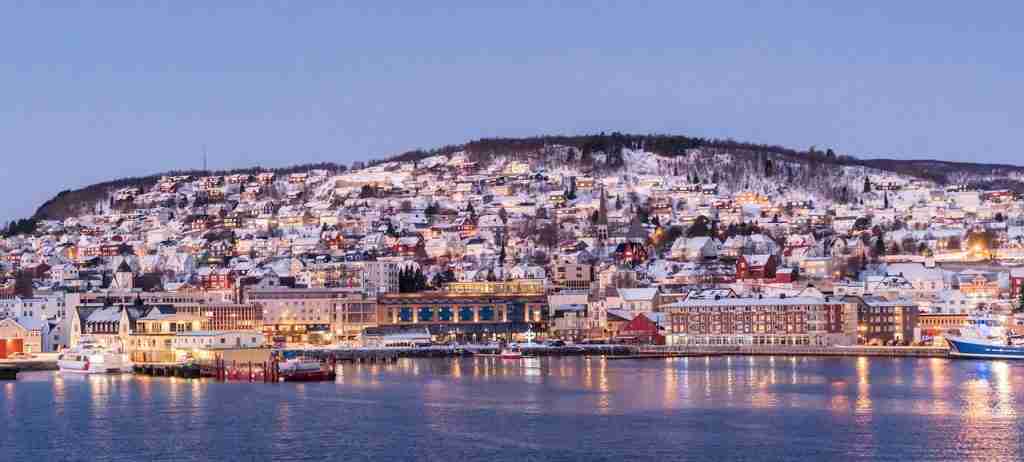
Norway consistently ranks among the world's happiest and most prosperous countries. With its stunning natural beauty, strong economy, and commitment to social welfare, it's no wonder that many investors and entrepreneurs are considering making Norway their new home. One of the most compelling reasons for families to relocate to Norway is the country's exceptional education system, which offers free or highly subsidized, high-quality education to all residents.
Residency in Norway
Norway offers various pathways to residency for foreign nationals, including those who wish to invest in the country or establish a business. Here's a breakdown of the most relevant options:
Temporary Residence Permit
The first step towards permanent residency and citizenship is obtaining a temporary residence permit. This permit allows you to live and work in Norway for a specified period, typically one to three years. There are different types of temporary residence permits, each with its own set of requirements:
Work Visa and Investor Visa
These visas cater to individuals seeking to contribute to Norway's economic landscape, either through employment or investment.
Work Visa: If you have a concrete job offer from a Norwegian employer, you can apply for a work visa. This requires a valid employment contract, proof of sufficient income to support yourself, and meeting specific qualifications depending on the nature of the job.
Investor Visa: This visa is specifically designed for investors who wish to make a significant contribution to the Norwegian economy. The main requirement is to invest a minimum of 100,000 euros in a qualifying business that supports job creation. Unlike many other investor visa programs that may have broader investment criteria, the Norwegian investor visa focuses on specific sectors crucial to the country's economy. These sectors include IT, shipping, oil and gas, green/clean energy, fishing, maritime, tourism and leisure, and education and medical. To apply for this visa, you will need to provide a detailed business plan, proof of investment funds, and other relevant documents as specified by the Norwegian Directorate of Immigration (UDI).
Study Visa
If your primary purpose for residing in Norway is to pursue education, the study visa is the appropriate option.
Study Visa: If you are admitted to a recognized educational institution in Norway, you can apply for a study visa. You will need to provide an acceptance letter from the institution and demonstrate that you have enough funds to cover your living expenses and tuition fees, if applicable.
Family Reunification Visa
This visa allows individuals with close family ties in Norway to relocate and join their loved ones.
Family Reunification Visa: If you have close family members who are already residents or citizens of Norway, you can apply for a family reunification visa. This requires proof of your relationship with the family member and their ability to support you financially.
Permanent Residence Permit
After holding a temporary residence permit for at least three years, you can apply for a permanent residence permit 8. This grants you the right to live and work in Norway indefinitely 8. To qualify for permanent residency, you must meet the following conditions:
Continuous Residency: You must have held a valid residence permit for the past three years, with no absences exceeding seven months in total.
Financial Independence: You must be able to support yourself financially without relying on social assistance.
Language Proficiency: You must demonstrate proficiency in the Norwegian language by passing an approved language test, typically at a B1 level according to the Common European Framework of Reference for Languages (CEFR). This requirement applies to individuals between 16 and 64 years old.
It's important to note that if you have a permanent residence permit, you will be issued a residence card that is valid for two years at a time, meaning it needs to be renewed periodically.
Applying for a Residence Permit
The application process for a residence permit involves the following steps:
Gather the necessary documents: The specific documents required will depend on the type of residence permit you are applying for. You can find detailed checklists on the website of the Norwegian Directorate of Immigration (UDI).
Apply online: You can apply for a residence permit online through the UDI application portal.
Book an appointment: After submitting your online application, you will need to book an appointment with the police or a Norwegian embassy/consulate to submit your biometric data and original documents.
Attend the appointment: You must attend the appointment in person and bring all the required documents.
Processing time: The processing time for a residence permit can vary depending on several factors, but it typically takes around four months.
Citizenship in Norway
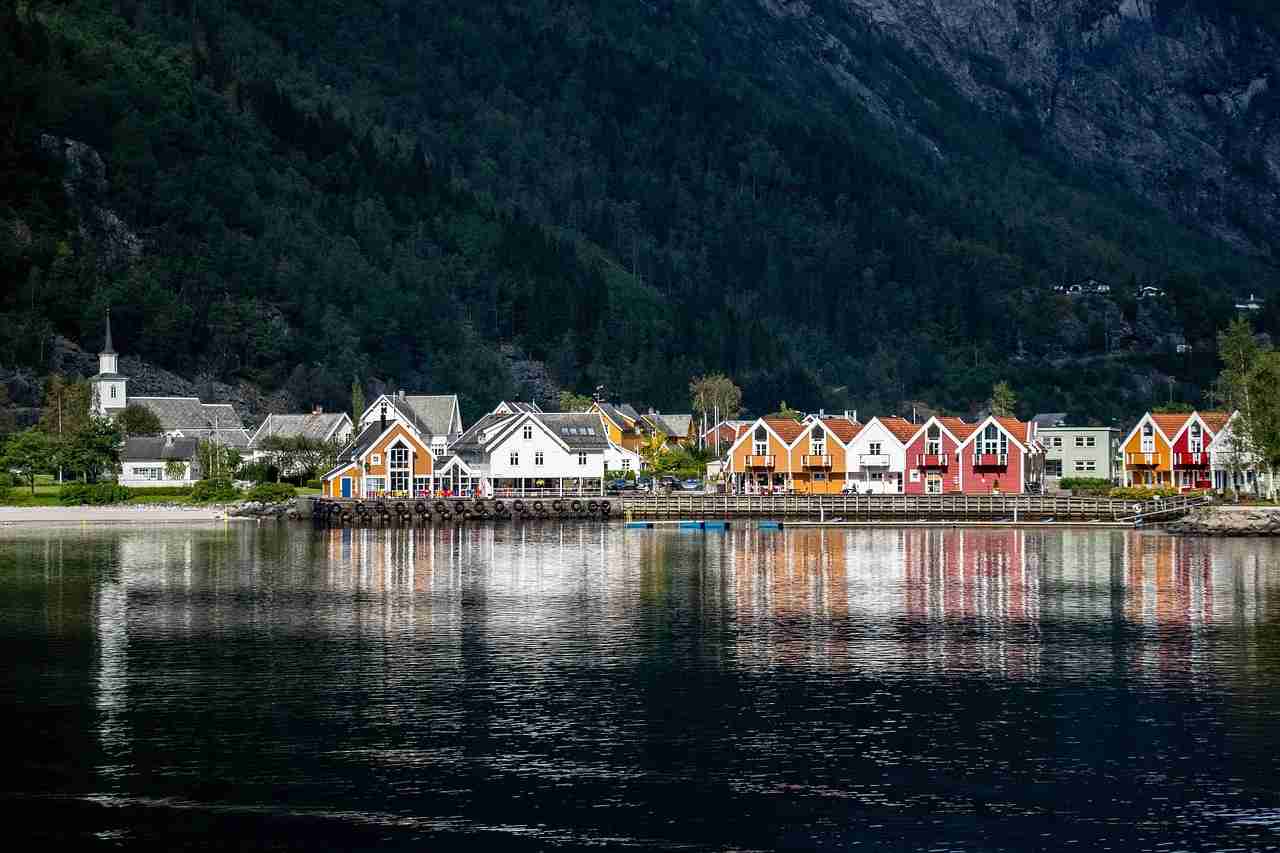
Once you have obtained permanent residency, you can apply for Norwegian citizenship after fulfilling certain requirements. Here are the general requirements for citizenship in Norway:
Residency Requirement: You must have lived in Norway for a specific period, which varies depending on the pathway to citizenship.
Language Proficiency: You must demonstrate proficiency in Norwegian or a Sami language by passing an approved language test.
Citizenship Test: You must pass a test on Norwegian society and history.
Clean Criminal Record: You must not have a serious criminal record.
Citizenship by Naturalization
The most common way for foreign nationals to become Norwegian citizens is through naturalization. This generally requires:
Residency Requirement: You must have lived in Norway for at least seven out of the past ten years, holding a valid residence permit for at least one year.
Citizenship by Marriage
If you are married to a Norwegian citizen, you may be eligible for citizenship after a shorter residency period. The requirements include:
Residency with Spouse: You must have resided in Norway with your spouse for at least three years.
Marriage Duration: Your marriage must have lasted for at least seven years.
It's important to note the key difference between these two pathways: while naturalization requires a longer residency period (7 out of the past 10 years), marrying a Norwegian citizen significantly reduces this requirement to just 3 years.
Applying for Citizenship
The application process for citizenship is similar to that of a residence permit:
Gather the necessary documents: You can find a checklist of required documents on the UDI website.
Submit your application: You can submit your application to the Norwegian police or a Norwegian foreign mission.
Processing time: The processing time for citizenship applications can be lengthy, often taking over two years.
The Norwegian Education System

Norway's education system is renowned for its high quality and accessibility. It is designed to provide equal opportunities for all children, regardless of their background.
Early Childhood Education and Care (Kindergarten)
Most children in Norway attend kindergarten from the age of one until they start school at age six . Kindergarten focuses on play-based learning, social and emotional development, and preparing children for primary school. While kindergarten is not compulsory, it is highly subsidized by the government, making it affordable for most families. There are both public and private kindergartens available, offering parents a choice in their child's early education.
Primary and Lower Secondary Education (Ages 6-16)
Primary and lower secondary education is compulsory and free for all children in Norway. The curriculum emphasizes a holistic approach to education, with a focus on core subjects like Norwegian, mathematics, English, science, and social studies, as well as arts, music, and physical education. In addition to regular school hours, municipalities are obliged to offer after-school programs (SFO) for children in grades 1-4, and for children with special needs in grades 1-7. These programs provide supervised play and recreational activities, further contributing to the children's social and cultural development.
As part of this educational phase, all municipalities are required to have a "Culture School". These schools offer extracurricular courses and training for children and youth in various artistic disciplines, including music, dance, theater, and visual arts. While participation in Culture School activities requires a fee, the fees are set by the municipality and are generally affordable.
Vocational Education and Training (VET)
After completing lower secondary education, students can choose to pursue Vocational Education and Training (VET) programs. These programs provide a pathway to skilled trades and professions, offering a combination of theoretical knowledge and practical skills. VET programs often involve apprenticeships, where students gain hands-on experience in their chosen field under the guidance of experienced professionals. This integration of workplace learning enhances employability and provides students with a direct pathway to their desired careers. Norway offers a diverse range of VET fields, catering to various interests and career aspirations.
Upper Secondary Education (Ages 16-19)
Upper secondary education is optional but highly encouraged. Students can choose between general studies, which prepare them for university, or vocational programs that provide practical skills for specific careers.
Higher Education
Norway has a diverse higher education sector, with universities, university colleges, and specialized institutions offering a wide range of programs. Public universities and university colleges do not charge tuition fees for Norwegian citizens, EU/EEA citizens, and students with permanent residency. However, it's important to highlight that Norway recently introduced tuition fees for international students who do not fall into these categories. The annual fee range varies depending on the institution and program, typically falling between NOK 80,000 to 470,550 (approximately EUR 6809 to EUR 40055).
Access to higher education is facilitated through multiple pathways, ensuring flexibility and recognizing diverse qualifications. These pathways include:
Traditional route: Upper secondary school certificate based on general studies.
Vocational route: Upper secondary vocational qualification (IVET) with a bridging course.
CVET route: Completion of 120 ECTS credits within a CVET program.
23/5 pathway: For applicants aged 23 or older with five years of work experience and passing core subject courses.
Recognition of prior learning: Individual assessment for applicants aged 25 or older.
VET pathway (Y-veien): Specific vocational qualifications for tailored engineering programs.
The Higher Education Entrance Qualification, a standardized qualification obtained through upper secondary education, is typically required for admission to university or university college programs.
Within the higher education landscape, there are key distinctions between the types of institutions:
Universities: Focus on academic disciplines like arts, humanities, natural sciences, and offer bachelor's, master's, and PhDs. They also conduct professional studies in fields like law, medicine, and dentistry.
University colleges: Similar to universities in terms of degrees offered, but with smaller class sizes, more group work, and closer student monitoring. They often specialize in engineering and professions like teaching and nursing.
Specialized universities: These institutions serve as national competence centers for specific fields, offering specialized expertise and research.
Benefits of the Norwegian Education System
High Quality: Norway consistently ranks high in international education assessments, indicating the high quality of its education system.
Equality and Inclusivity: The education system is designed to be inclusive and provide equal opportunities for all students, regardless of their background or socioeconomic status.
Focus on Holistic Development: The Norwegian education system goes beyond just academic achievements. It fosters holistic development by integrating academic learning with social, emotional, and creative development. This approach nurtures well-rounded individuals equipped with a broad range of skills and competencies.
Strong Emphasis on Early Childhood Education: Early childhood education is highly valued and subsidized, providing children with a strong foundation for future learning.
Flexibility and Choice: Students have a wide range of choices and flexibility in their educational paths, allowing them to pursue their interests and career goals.
Timeline and Costs
Navigating the residency and citizenship processes in Norway involves understanding the timelines and associated costs. Here's a summary of the key aspects:
Processing Times:
Temporary Residence Permit: Approximately 4 months.
Permanent Residence Permit: Can vary, but generally faster than temporary permits.
Citizenship: Can be lengthy, often taking over 2 years.
Note: These fees and timelines are subject to change. It's essential to refer to the official UDI website for the most up-to-date information.
Additional Benefits of Residency and Citizenship in Norway

Besides access to quality education, residency and citizenship in Norway offer several other advantages:
High Quality of Life: Norway consistently ranks high in quality of life indicators, with excellent healthcare, social security, and a strong economy.
Safety and Security: Norway has a low crime rate and is considered a very safe country to live in.
Social Welfare Benefits: Residents and citizens have access to a comprehensive social welfare system, including healthcare, unemployment benefits, and parental leave.
Tax Benefits: Norway has signed tax treaties with over 100 countries, which can be beneficial for residents in terms of avoiding double taxation.
Beautiful Natural Environment: Norway is known for its stunning natural beauty, with fjords, mountains, and forests offering ample opportunities for outdoor recreation.
Emergency Numbers: In case of emergencies, it's crucial to know the relevant contact numbers: 112 (general emergencies and police), 110 (fire emergencies), and 113 (ambulance).
Conclusion
Obtaining residency or citizenship in Norway can be a truly enriching experience for investors and entrepreneurs, especially those with families. The country's commitment to providing a high quality of life is evident in its exceptional education system, comprehensive social welfare programs, and strong economy. While the immigration process requires careful planning and understanding of the requirements, the rewards are significant. By choosing Norway, you are not only investing in a secure and prosperous future for yourself but also providing your children with access to a world-class education that fosters holistic development and prepares them for success in a globalized world.

Lusine Sargsyan
Attorney
