
Temporary Residency in Mexico
For those seeking an extended stay in Mexico, temporary residency is the initial step. This visa allows you to live in the country for up to four years, with the possibility of renewal. It's important to note that the visa is initially granted for one year and can be renewed annually for up to three additional years (3+1). There are various categories under the temporary resident visa, catering to diverse needs and circumstances, such as economic solvency, family ties, and employment.
Requirements for Temporary Residency
Demonstrating economic solvency is the most common route to obtaining temporary residency. This involves providing evidence of sufficient financial means to support yourself during your time in Mexico. While specific requirements may vary slightly depending on the Mexican consulate where you apply, the following generally apply:
- Minimum Monthly Income: You'll need to provide documentation showing a regular income of at least $3,737.95 USD per month after taxes for the past six months. Some consulates may require proof of income for the past 12 months. It's crucial to remember that these financial requirements are based on "UMA" (Unidad de Medida y Actualización), a unit of measurement that fluctuates daily.
- Minimum Savings/Investments: As an alternative, you can demonstrate savings and/or investment balances totaling at least $62,232.50 USD over the past 12 months. The total must not fall below the minimum amount required at any point during the last 12 months. Again, remember that the UMA-based calculation applies.
- Alternative Qualifications: You can also qualify for temporary residency through other means:
- Owning a house in Mexico with a minimum market value of approximately $558,000 USD, free of any liens or debts.
- Making a capital investment of at least $279,000 USD in a private Mexican-owned company or a company listed on the Mexican stock exchange.
- Valid Passport: A valid passport with at least six months remaining before its expiration date is essential.
- Visa Application Form: You must accurately and completely fill out the visa application form, which can be obtained from the Mexican consulate or embassy where you apply.
- Passport-Size Photograph: Provide one recent passport-size photograph that adheres to the specific requirements outlined by the consulate.
- Proof of Legal Status (if applicable): If you are not a citizen of the country where you are applying, you'll need to provide documentation proving your legal residency there.
Application Process for Temporary Residency
The application process for a temporary resident visa typically involves the following steps:
1. Schedule an Appointment:
- Begin by contacting a Mexican embassy or consulate to schedule an appointment for submitting your application. You can find a list of Mexican embassies and consulates on the website of the Mexican Ministry of Foreign Affairs.
- Some consulates offer various ways to book appointments, such as through the MiConsulado system, by phone, or via WhatsApp. Check with your chosen consulate for their specific procedures.
2. Complete the Application and Gather Documents:
- Accurately and completely fill out the visa application form.
- Gather all the necessary documents, including your passport, financial statements, visa application form, and passport-size photograph.
3. Submit Your Application:
- Attend your appointment at the Mexican embassy or consulate.
- Submit your completed application form and supporting documents.
- Pay the visa fee. The fee can vary depending on the country where you apply.
4. Await Processing and Receive Your Visa:
- The processing time for a temporary resident visa can vary depending on the embassy or consulate where you apply, ranging from one week to a month.
- Once your visa is approved, it will be affixed to your passport.
5. Travel to Mexico and Obtain Your Residence Card:
- After receiving your visa, you can travel to Mexico.
- Within 30 days of your arrival, you must visit the National Migration Institute (INM) to exchange your visa for a Temporary Residence Card.
- You will also need to pay for a Tourist Card upon arrival, which costs between $15-$30 USD.
Electronic Authorization:
- It's worth noting that Mexico also offers an electronic authorization for temporary residency, which can be obtained by submitting an online application.
- This electronic authorization is valid for 180 days from the date of issuance, providing a streamlined option for those who qualify.
Permanent Residency in Mexico
After four years of holding temporary residency in Mexico, you become eligible to apply for permanent residency. This grants you the right to live in Mexico indefinitely, eliminating the need for renewals. However, it's important to highlight that temporary residents can transition to permanent residency sooner than four years under certain conditions, such as being a retiree over 65 years old.
Requirements for Permanent Residency
Similar to temporary residency, demonstrating economic solvency is a primary pathway to obtaining permanent residency. However, the financial requirements are higher. These may include the following:
- Minimum Monthly Income: You'll need to demonstrate a regular income of at least $6,975 USD per month after taxes for the past six months. Some consulates may request 12 months of income statements. Remember that these figures are subject to change based on the UMA.
- Minimum Savings/Investments: Alternatively, you can show qualifying savings/investments with an average monthly balance equivalent to $107,000 USD over the past 12 months. Again, the UMA-based calculation applies.
- Sponsoring Dependents: If you plan to sponsor a spouse or child for permanent residency, you'll need to meet additional financial requirements and provide supporting documentation, such as marriage certificates or birth certificates. The required financial amount for sponsoring a dependent can be as low as 25% more than the individual requirement.
- Valid Passport: A valid passport is mandatory.
- Visa Application Form: You must complete and sign the visa application form.
- Passport-Size Photograph: Provide one recent passport-size photograph.
Application Process for Permanent Residency
The application process for permanent residency mirrors that of temporary residency. You will need to:
- Contact a Mexican consulate to schedule an appointment.
- Complete the application form accurately and thoroughly.
- Gather the required documents, including your passport, financial statements, and any documents related to dependents.
- Attend your appointment at the Mexican consulate, submit your application and supporting documents, and pay the associated fees.
Once your application is approved, you will receive a permanent resident visa, which you must exchange for a Permanent Residence Card at the INM within 30 days of your arrival in Mexico.
No Golden Visa Program:
It's important to note that Mexico does not currently offer a "Golden Visa" program for residency or citizenship by investment. Unlike some other countries, Mexico does not have a program where individuals can obtain residency or citizenship rights solely through substantial financial investments.
Cost of Living in Mexico
One of the most alluring aspects of Mexico is its affordability. While expenses can vary based on your lifestyle and chosen location, the cost of living is generally much lower than in many Western countries, particularly the US, Canada, and Europe.
Mexico City: A one-bedroom flat in the city center costs about $440 per month, a meal for two at a mid-range restaurant is approximately $24.45, and a monthly transportation pass is around $14.67.
Guadalajara: Monthly rent for a one-bedroom flat in the city center is about $220, dining for two at a mid-range restaurant costs approximately $19.56, and a monthly transportation pass is around $14.67.
London, UK: Rent for a one-bedroom flat in the city center is approximately $1,907 per month, a meal for two at a mid-range restaurant costs about $62.29, and a monthly transportation pass is around $146.70.
New York City, USA: A one-bedroom flat in the city center costs about $2,689 per month, dining for two at a mid-range restaurant is approximately $65.96, and a monthly transportation pass is around $102.69.
Berlin, Germany: Monthly rent for a one-bedroom flat in the city center is approximately $782, a meal for two at a mid-range restaurant costs about $41.56, and a monthly transportation pass is around $83.13.
Sydney, Australia: Rent for a one-bedroom flat in the city center is about $1,809 per month, dining for two at a mid-range restaurant costs approximately $58.68, and a monthly transportation pass is around $112.47.
As you can see, living expenses in Mexico are significantly lower than in these major cities. Some reports suggest that a single person can comfortably live on under $1,000 USD per month in Mexico. However, it's essential to consider that living costs can vary significantly between different cities in Mexico. Cities like Tijuana, Mexico City, and Cancun tend to be more expensive, while smaller towns and rural areas offer more affordable options.
Here's a breakdown of some typical monthly costs in Mexico, with estimated figures in USD :
Expense Category | Estimated Monthly Cost (USD) |
|---|---|
Rent (1-bedroom apartment in city center) | $459 - $924 |
Rent (1-bedroom apartment outside city center) | $158 - $280 |
Groceries for one person | $135 - $202 |
Utilities (electricity, water, gas) | $43 - $72 |
Internet | $16 - $29 |
Transportation (public transport) | $20 - $25 |
Dining out (meal for two at a mid-range restaurant) | $16 - $40 |
Mexican Citizenship
After five years of legal residency in Mexico, you may be eligible to apply for Mexican citizenship. This grants you full rights and privileges as a Mexican citizen, including the right to vote, hold public office, and obtain a Mexican passport.
Requirements for Mexican Citizenship
To obtain Mexican citizenship, you must fulfill the following requirements:
- Residency Requirement: You must have lived legally in Mexico for at least five years with a temporary or permanent resident visa. This period is reduced to two years if you are married to a Mexican citizen, have a Mexican child, or were born in a Latin American country or the Iberian peninsula. You may also qualify after two years if you have made significant contributions to Mexico in areas such as culture, science, or business, as determined by the Secretariat of Foreign Affairs.
- Language Proficiency: You must demonstrate proficiency in the Spanish language.
- Knowledge of Mexican History and Culture: You must pass a test on Mexican history and culture. This test consists of ten questions, and you need to answer at least eight correctly to pass.
- Integration into Mexican Society: You must show evidence of integration into Mexican society, which may include factors such as community involvement and social ties.
Application Process for Mexican Citizenship
The application process for Mexican citizenship involves these steps:
- Gather your documents: This includes your residency card, birth certificate, passport, and other supporting documents as specified by the Secretariat of Foreign Affairs.
- Make an appointment: Schedule an appointment with the Secretariat of Foreign Affairs using their online platform.
- Take the language and history tests: On the day of your appointment, you will take the Spanish language and Mexican history tests. You have two attempts to pass these exams. If you fail the first attempt, you must wait 15 days before trying again. If you fail the second attempt, you must wait one year before trying again.
- Wait for approval: The processing time for citizenship applications can vary, but it typically takes several months.
- Receive your citizenship certificate: If your application is approved, you will receive a citizenship certificate.
- Apply for a Mexican passport: Once you are a citizen, you can apply for a Mexican passport.
Resources for the Citizenship Test:
To help you prepare for the Mexican history and culture test, resources like the "Mexicanizame" app are available. This app contains all the potential questions you may be asked, making it a valuable study aid.
Visa Options for a Low-Cost Lifestyle
Mexico offers several visa options that are particularly well-suited for those seeking a low-cost lifestyle:
- Temporary Resident Visa: This visa is ideal for retirees, digital nomads, and those with a steady income from abroad. It allows you to live in Mexico for up to four years and can be renewed.
- Permanent Resident Visa: If you plan to settle in Mexico permanently, this visa is the best option. It grants you the right to live in Mexico indefinitely.
- Digital Nomad Visa: This visa is specifically designed for remote workers who want to live and work in Mexico. To qualify, you generally need to be a citizen of a country with a reciprocal agreement with Mexico, have a valid passport, a clean criminal record, proof of financial support, and health insurance valid in Mexico.
Buying Property in Mexico
Foreigners can buy property in Mexico, but there are some restrictions and regulations to be aware of. If you're buying property in the "restricted zone," which includes coastal areas and land within 100 kilometers of the US border, you'll need to set up a fideicomiso, or bank trust. This trust allows you to hold the property rights through a Mexican bank.
The Fideicomiso
A fideicomiso is a legal agreement where a Mexican bank acts as a trustee, holding the title to the property for your benefit. You, as the beneficiary, have the right to use, enjoy, sell, or even inherit the property. However, any transactions related to the property must be notified to and approved by the bank. The fideicomiso typically has a 50-year term and can be renewed.
Steps Involved in Buying Property
The process of buying property in Mexico generally involves the following steps:
- Find a property: Work with a reputable real estate agent to find a property that meets your needs and budget.
- Make an offer: Once you've found a property, make an offer to the seller.
- Sign a sales contract: If your offer is accepted, you'll sign a sales contract outlining the terms of the sale.
- Pay a deposit: You'll typically need to pay a deposit to secure the property.
- Set up a fideicomiso (if required): If the property is in the restricted zone, you'll need to set up a fideicomiso with a Mexican bank. This involves selecting a trustee bank, paying setup fees, and transferring the property title to the trust.
- Obtain permission from the Ministry of Foreign Affairs: You'll need to get permission from the Ministry of Foreign Affairs to complete the purchase, especially if the property is in the restricted zone. This involves submitting an application and agreeing to be bound by Mexican law in relation to the property. You also agree to submit to the jurisdiction of Mexican courts and waive any diplomatic protection from your home country.
- Complete due diligence: Conduct a thorough inspection of the property and ensure all necessary documents are in order. This may include verifying that the property has no outstanding mortgage, that property taxes are paid, and that there are no legal issues associated with the property.
- Sign the deed: Once all the requirements are met, you'll sign the deed (escritura) before a notary public and officially become the owner of the property.
Healthcare in Mexico
Mexico has a two-tiered healthcare system, with both public and private options available. The public healthcare system is generally affordable, but wait times can be long and the quality of care can vary depending on the region and facility. Private healthcare offers faster access to treatment and higher quality facilities, but it can be more expensive.
Public Healthcare
The public healthcare system in Mexico is primarily managed by the Instituto Mexicano de Seguro Social (IMSS) and Seguro Popular. These systems cover most medical services and prescription drugs. Employees in Mexico are automatically enrolled in the IMSS system, while those who are not formally employed can voluntarily enroll or join the Seguro Popular system.
Levels of Healthcare
The Mexican healthcare system operates across three levels:
- Primary care: Provided by clinics and health centers, offering basic medical services and preventive care.
- Secondary care: Specialist services in general hospitals, providing more specialized treatment and care.
- Tertiary care: Highly specialized treatments in specialty hospitals, offering advanced medical procedures and care for complex conditions.
Challenges in Public Healthcare
While public healthcare in Mexico aims to provide universal coverage, the system faces challenges such as long wait times for non-emergency procedures and varying quality of care across regions.
Private Healthcare
Private healthcare in Mexico is generally of a high standard, with modern facilities and well-trained doctors. Many expats opt for private healthcare, which they finance through private health insurance. Private hospitals tend to have shorter wait times and more English-speaking staff.
Health Insurance Options for Expats
For expats, it's highly recommended to invest in an international health insurance policy before arriving in Mexico. This ensures access to quality healthcare without concerns about availability and suitability.
Several international health insurance providers offer comprehensive plans for expats in Mexico, such as Cigna Global. Their Close Care℠ Plan provides coverage in both Mexico and your home country. This plan includes inpatient and day-patient support, cancer care, and options to add modules for dental and outpatient care.
Healthcare Costs
To give you an idea of healthcare costs in Mexico, here are some estimated figures:
- Emergency room visit: 350 to 500 MXN (15 to 25 USD)
- Doctor's consultation: Around 400 MXN (18 USD)
Tax Implications of Living in Mexico
If you become a tax resident of Mexico, you will be subject to Mexican taxes on your worldwide income. This means you'll need to file a Mexican tax return and pay taxes on any income you earn, regardless of its source.
Double Taxation and Tax Benefits for US Citizens
US citizens living in Mexico are required to file US taxes on their global income as well. This can lead to the potential for double taxation. However, the IRS provides several tax benefits to help US citizens avoid double taxation, including:
- The Foreign Tax Credit: This allows you to offset the taxes you paid to Mexico against your US tax liability.
- Foreign Earned Income Exclusion: This allows you to exclude a certain amount of your foreign earned income from US taxation.
- Foreign Housing Deduction: This allows you to deduct certain housing expenses from your US taxable income.
It's crucial to understand the tax implications of living in Mexico and seek professional tax advice to ensure compliance with both Mexican and US tax laws.
Cultural Aspects of Living in Mexico
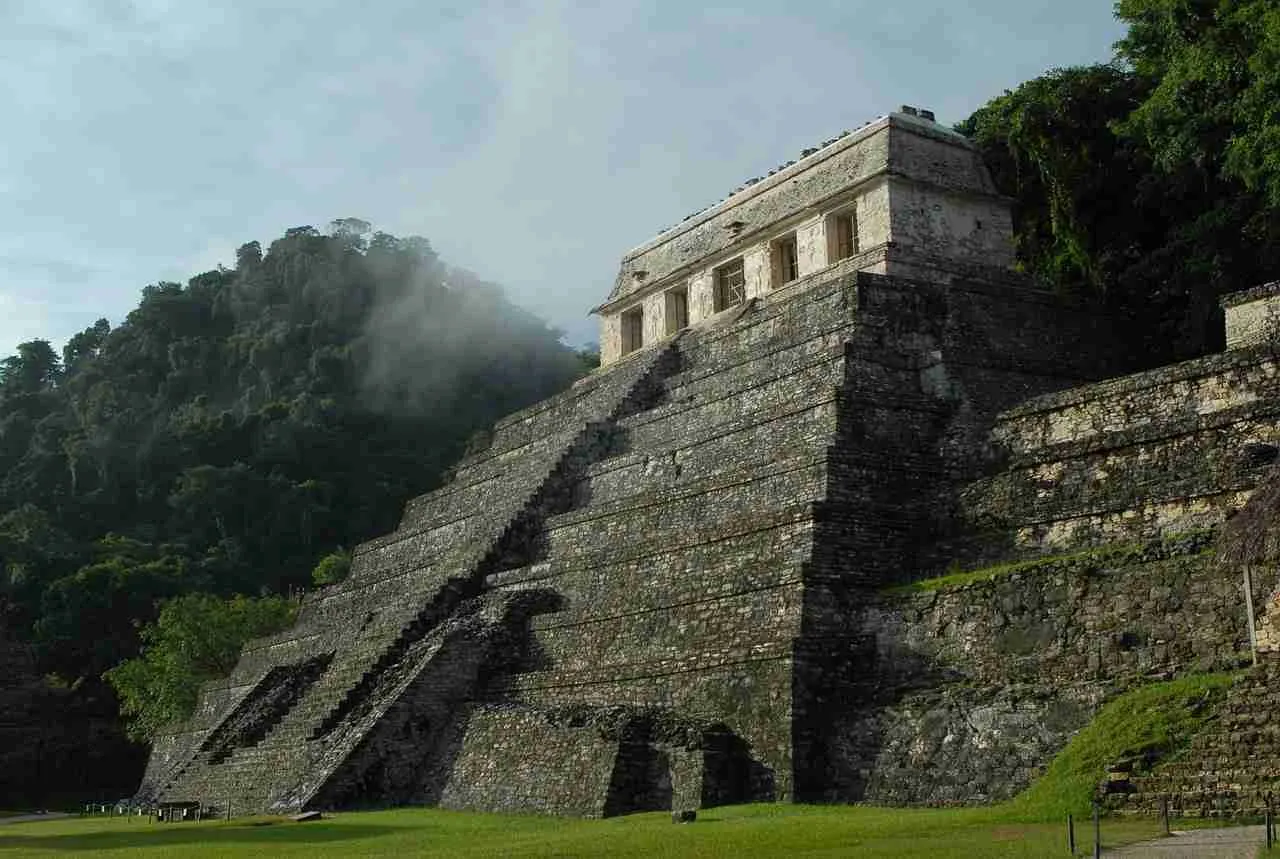
Mexico boasts a rich and diverse culture, with a strong emphasis on family, community, and tradition. When moving to Mexico, it's important to be respectful of local customs and traditions.
Examples of Local Customs
Here are a few examples of cultural aspects to be mindful of:
- Greetings: Mexicans often greet each other with a kiss on the cheek, even when meeting for the first time.
- Family: Family plays a central role in Mexican culture, and extended family gatherings are common.
- Food: Food is an integral part of Mexican culture, and sharing meals with family and friends is a cherished tradition.
- Festivals: Mexico has a vibrant calendar of festivals and celebrations throughout the year, many with religious or historical significance.
- Time: Mexicans have a more relaxed approach to time compared to some other cultures. Punctuality is not always strictly observed.
Language
Learning some basic Spanish will significantly enhance your experience in Mexico. While English is spoken in tourist areas and some larger cities, knowing some Spanish will help you navigate daily life, connect with locals, and immerse yourself in the culture.
Conclusion
Moving to Mexico for a low-cost lifestyle can be an incredibly rewarding experience. By understanding the requirements for residency and citizenship, exploring the various visa options, and familiarizing yourself with the cost of living, healthcare system, and cultural aspects, you can ensure a smooth transition and enjoy all that Mexico has to offer.
From stunning beaches and vibrant cities to warm hospitality and a rich cultural heritage, Mexico provides a unique opportunity to embrace a more affordable and fulfilling way of life. With careful planning and preparation, you can make your Mexican dream a reality and create a new chapter in your life filled with adventure, cultural immersion, and lasting memories.

Lusine Sargsyan
Attorney
