
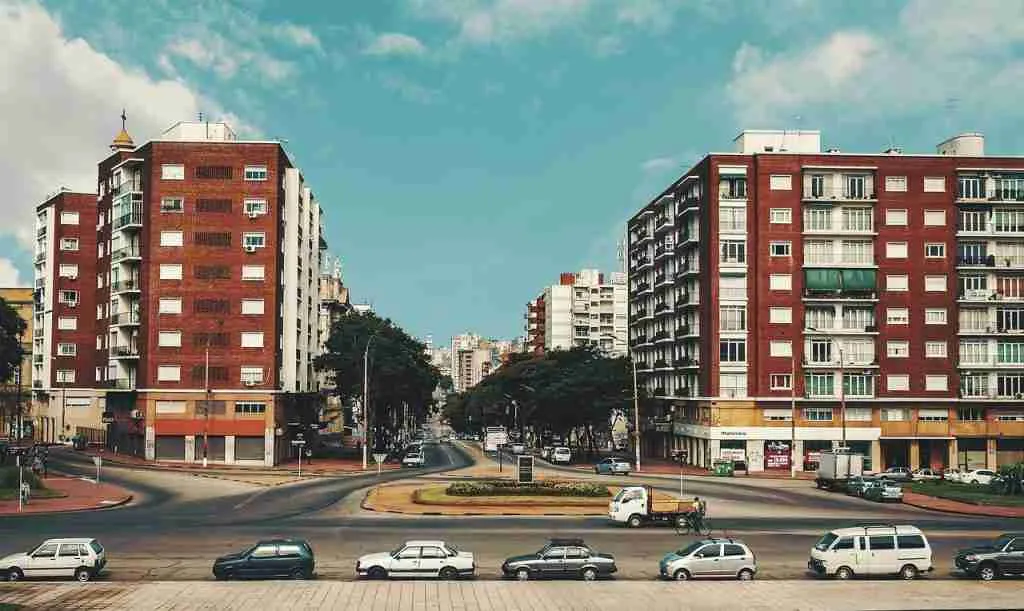
Residency in Uruguay: Your Gateway to Paradise
Uruguay offers various residency options tailored to different needs and circumstances. Whether you're an investor, retiree, digital nomad, or simply seeking a change of pace, there's a pathway for you. It's important to understand the difference between legal/immigration residency and tax residency. Legal or immigration residency refers to a person's immigration status in Uruguay, while tax residency refers to a relationship with the country that determines if you are a taxpayer there.
One intriguing aspect of Uruguay's permanent residency process is its reputation for simplicity and effectiveness. Unlike many other countries that require years of temporary residency first, foreigners can pursue permanent residency right away.
Types of Residency
Uruguay has two main categories of residency:
- Temporary Residency: Designed for those who plan to stay in Uruguay for a specific period, such as for work, study, or other approved activities. This status typically requires renewal after a set period.
- Permanent Residency: Allows you to live in Uruguay indefinitely, with the freedom to work, import household goods duty-free, and access healthcare services. It also serves as a stepping stone towards obtaining Uruguayan citizenship.
Within these categories, Uruguay offers distinct paths depending on your nationality and family ties:
- Mercosur Nationals and Individuals with Uruguayan Relatives: Citizens from Mercosur countries (Uruguay, Brazil, Argentina, and Paraguay) and those with Uruguayan relatives benefit from streamlined processes and potentially less stringent requirements.
- Non-Mercosur Nationals Without Uruguayan Ties: For individuals outside these categories, the process is more detailed but still accessible.
Specific Residency Options

Uruguay offers a range of specific residency options:
- Investor Visa: Ideal for those who wish to invest in Uruguay, typically in real estate or businesses. Investors can qualify for permanent residency if they meet specific investment thresholds.
- Independent Means Visa: This visa caters to individuals who can demonstrate sufficient financial independence, typically through a steady income of at least USD 1,500 per month.
- Retirement Visa: A popular option for retirees, this visa requires proof of retirement income, such as pensions or social security benefits.
- Digital Nomad Visa: Aimed at attracting global talent, this visa allows digital nomads to reside in Uruguay for up to 12 months, with the possibility of applying for temporary or permanent residency thereafter.
Visa Type | Description |
|---|---|
Tourist Visa | For leisure or recreational purposes |
Business Visa | For business activities and meetings |
Work Visa | For individuals with a job offer in Uruguay |
Study Visa | For students enrolled in Uruguayan educational institutions |
Family Reunification Visa | For family members of Uruguayan residents or citizens |
Humanitarian and Emergency Visa | For individuals seeking refuge or humanitarian assistance |
Visas for International Congresses, Conventions, and Seminars | For attendees of specific events |
How to Gain Residency
The process of gaining residency in Uruguay generally involves the following steps:
- Obtain a Visa to Enter Uruguay: Citizens of many countries can enter Uruguay visa-free for tourism. However, if you require a visa, ensure you have it before applying for residency.
- Gather the Required Documents: This typically includes a valid passport, police clearance certificate, proof of income, medical certificate, birth certificate, and marriage certificate (if applicable)3.
- Submit Your Application: You can apply online or in person at the National Migration Office (Dirección Nacional de Migración) in Uruguay.
- Attend an Interview: You'll need to attend an interview at the Immigration Office to confirm your intent to reside in Uruguay and provide the required documentation.
- Receive a Temporary Residence Card: After submitting your application, you'll receive a temporary residence card, which allows you to stay in Uruguay while awaiting approval for your permanent residence permit. It can take up to a year to get permanent residency. If you leave the country before your application is approved, you must pay for a re-entry permit each day.
- Obtain Permanent Residence: Once your application is approved, you'll receive your permanent residence card.
Citizenship in Uruguay: Becoming a Part of the Community
Once you've obtained residency, you can embark on the path to Uruguayan citizenship. This grants you full political rights, access to a Uruguayan passport, and the ability to fully integrate into Uruguayan society.
It's important to note that Uruguay distinguishes between "natural citizens" (nationals) and "legal citizens" (non-national citizens). Natural citizens are those born in Uruguay or born to Uruguayan parents, while legal citizens are those who acquire citizenship through residency or other means. This distinction has implications for certain rights and privileges.
Types of Citizenship
Uruguay offers several pathways to citizenship:
- Citizenship by Naturalization: Foreign nationals can apply for Uruguayan citizenship after residing in the country for a specific period, typically five years for single individuals and three years for married couples.
- Citizenship by Descent: Children and grandchildren of Uruguayan citizens born abroad are eligible for citizenship by descent.
- Citizenship by Marriage: Spouses of Uruguayan citizens can acquire citizenship through naturalization after residing in Uruguay for three years.
- Citizenship by Investment: While not explicitly a separate category, obtaining residency through investment can lead to citizenship after fulfilling the residency requirements.
How to Gain Citizenship
The process of gaining citizenship generally involves:
- Fulfill Residency Requirements: Reside in Uruguay for the required period, typically three to five years, and maintain a "real presence" in the country.
- Gather the Necessary Documents: This may include a valid passport, birth certificate, proof of legal entry into Uruguay, and proof of integration into Uruguayan society.
- Submit a Declaration of Intent: You must submit a declaration of intent to the National Directorate of Civil Identification.
- Undergo a Background Check: You will need to undergo a background check as part of the citizenship application process.
- Submit Your Application: You'll need to submit your application to the National Directorate of Civil Identification.
- Attend an Interview: You'll be required to attend an interview to demonstrate your knowledge of conversational Spanish and your integration into Uruguayan society.
- Receive Citizenship: Once your application is approved, you'll be granted Uruguayan citizenship.
Cost of Living in Uruguay: Embrace the Affordability

One of the main draws of Uruguay is its low cost of living compared to many other developed countries. The cost of living in Uruguay is, on average, 27.9% lower than in the United States. While the cost of living can vary depending on your lifestyle and location, it's generally significantly lower than in North America or Europe.
Housing
Housing costs in Uruguay are relatively affordable, especially when compared to major cities in other parts of the world.
Location | Price per m² – apartments | Price per m² – houses |
|---|---|---|
Maldonado Department | $3,453.47 | $3,272.84 |
Montevideo Department | $3,287.94 | $2,739.30 |
Rocha Department | Not enough listings | $2,202.15 |
Colonia Department | Not enough listings | $3,066.20 |
Canelones Department | Not enough listings | $2,404.60 |
Food
Food costs in Uruguay are also reasonable. You can find fresh produce at local markets, and dining out is generally less expensive than in many other countries.
Healthcare
Uruguay has a public healthcare system, ASSE, which is accessible to residents. However, many expats opt for private healthcare plans, which are still relatively affordable compared to other countries.
Benefits of Living in Uruguay: More Than Just Low Cost
Beyond the affordability, Uruguay offers a wealth of benefits that contribute to a high quality of life:
- Stable Economy: Uruguay has a stable economy and a strong social safety net. Uruguay was historically known as the “Switzerland of America”. With high rates of literacy (98%).
- Low Crime Rates: Uruguay boasts low crime rates compared to many other countries in the region.
- High Quality of Life: Uruguay consistently ranks high in quality of life indicators, including healthcare, education, and environmental protection. Some people call it the “Scandinavia of the South”.
- Welcoming Culture: Uruguayans are known for their friendly and welcoming nature.
- Beautiful Scenery: From stunning beaches to rolling countryside, Uruguay offers diverse and picturesque landscapes.
To illustrate the high quality of life in Uruguay, consider the experience of Sarah, an expat from the United States who moved to Uruguay five years ago. Sarah shares, "I was drawn to Uruguay by the low cost of living, but I've stayed for so much more. The people are incredibly welcoming, the pace of life is relaxed, and I feel safe and secure here. I wouldn't trade it for the world."
Potential Challenges: Be Prepared for the Transition
While Uruguay offers a fantastic lifestyle, it's essential to be aware of potential challenges:
- Language Barrier: Spanish is the official language of Uruguay. While many people in urban areas speak some English, learning Spanish will significantly enhance your experience.
- Cultural Differences: Adapting to a new culture can take time and effort. Be prepared to embrace the Uruguayan way of life.
Official Government Websites of Uruguay
For those seeking more information about residency and citizenship in Uruguay, the following official government websites provide valuable resources:
- Uruguay.uy: This website serves as a digital entrance door to Uruguay, offering information on various aspects of the country, including tourism, residency, and investment opportunities
- GUB.UY: This is the official website of the Oriental Republic of Uruguay, providing access to government services and information.
- Uruguay Digital: This website focuses on Uruguay's digital agenda and initiatives, including information on connectivity, cybersecurity, and digital citizenship.
- Embassy of Uruguay in the United States: This website provides information for US citizens interested in visiting or residing in Uruguay, including visa and migration information.
Conclusion: Your Low-Cost Dream Awaits
Uruguay presents a compelling opportunity for those seeking a low-cost lifestyle with a high quality of life. The country boasts a stable economy, low crime rates, and a welcoming culture. Moreover, Uruguay offers a straightforward path to permanent residency, with the possibility of gaining citizenship after just a few years. The cost of living is significantly lower than in many other developed countries, particularly the United States, where expenses are 27.9% higher. While there may be challenges in adapting to a new language and culture, the benefits of living in this South American paradise far outweigh the difficulties. By understanding the residency and citizenship requirements and embracing the Uruguayan way of life, you can unlock the doors to a fulfilling and affordable lifestyle in a beautiful and welcoming country.

Lusine Sargsyan
Attorney
