
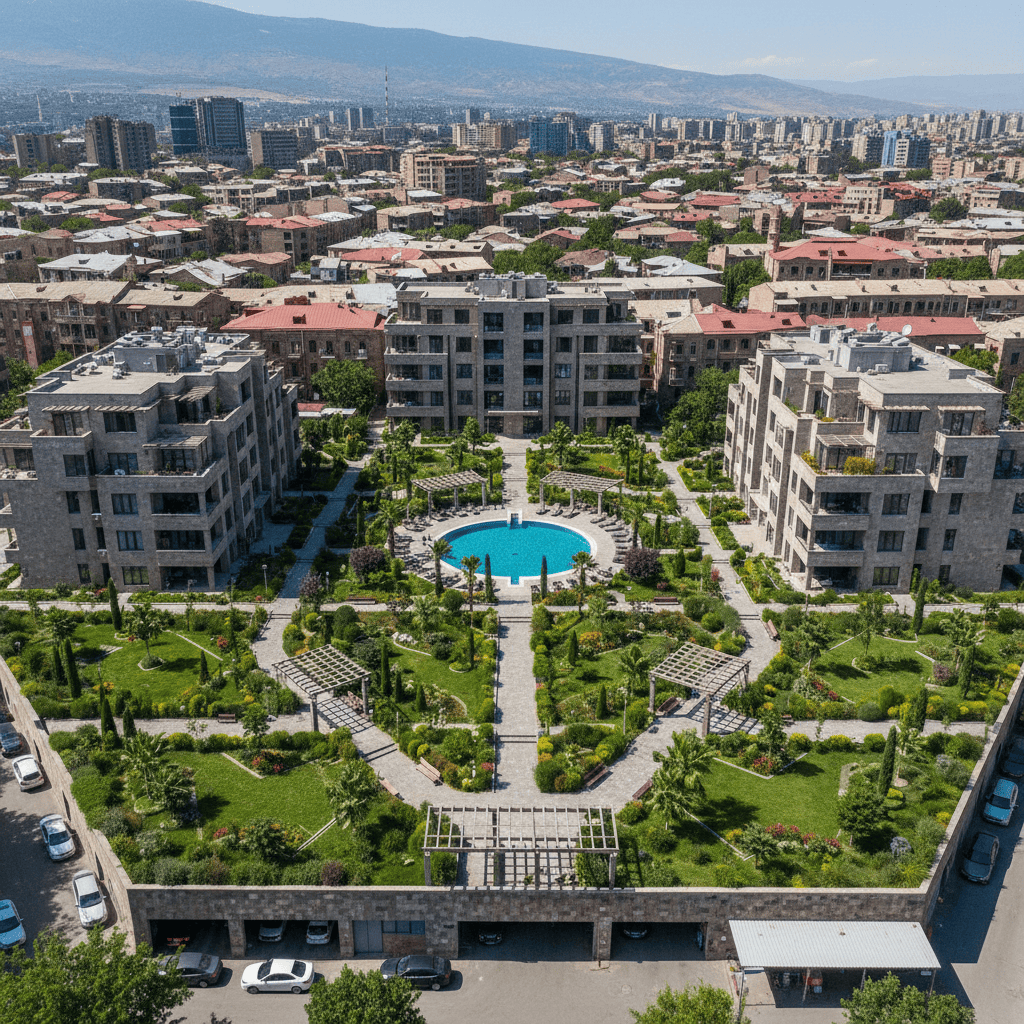
Introduction to HOA Fees in Armenia
Homeowners Association (HOA) fees are regular charges paid by owners in managed communities such as condos, apartment buildings, and planned complexes. These fees fund shared services and upkeep that protect property values and support comfortable living.
Definition and Importance
Also called maintenance fees or common charges, HOA fees cover the management and maintenance of communal areas and services. In Armenia, they are a key part of the total cost of ownership and directly affect an investor’s net yield.
Common Misconceptions
- HOA fees are not optional; nonpayment can lead to penalties or legal action.
- They typically do not cover personal, in-unit utilities.
- Fees are not fixed. They change with budgets, inflation, and unexpected repairs.
What HOA Fees Cover
- Maintenance costs: Cleaning, landscaping, routine repairs, exterior upkeep, elevator servicing, and care of amenities.
- Security expenses: Guards, surveillance systems, and access control.
- Administrative fees: Management, accounting, legal, insurance, and meeting costs.
- Common utilities: Lighting, water/sewer for shared areas, trash removal, and snow clearing.
- Reserve funds: Savings for major works and emergencies, such as roof replacements or equipment failures.
Utilities and Their Impact on Costs
Utilities are a major operating expense and a key driver of HOA budgets. In Armenia, typical utilities include electricity, water, natural gas, internet, and waste removal. Rates remain moderate by international standards but vary by region, building type, and season.
Typical Utility Costs
- Electricity: Tiered kWh pricing with recent increases affecting all tiers.
- Water: Charges per cubic meter, with targeted subsidies for vulnerable groups.
- Natural gas: A significant factor in winter heating costs.
- Internet and mobile: Generally affordable versus Western Europe and the U.S.
Monthly utilities for an 85 m2 apartment in Yerevan often range around 54,000–80,000 AMD, typically lower than many EU cities. Rural households may spend a higher share of income on heating during winter.
Regional Variation
Costs are usually higher in central Yerevan due to premium services and infrastructure. Districts like Davtashen or cities such as Gyumri often have lower average fees and utility expenses.
Managing Utility Expenses
- Invest in energy-efficient lighting, insulation, smart meters, and modern boilers.
- Perform regular maintenance to prevent leaks and breakdowns.
- Negotiate bulk service contracts for buildings or communities.
- Promote responsible usage among residents through simple guidelines.
Calculating True Net Yield
Net yield reflects the return after all ongoing costs. It is the most reliable way to compare properties and locations.
Net Yield Formula
Net Yield (%) = (Annual Rental Income – Annual Operating Costs) / Property Purchase Price × 100
Operating costs include HOA fees, property taxes, utilities, insurance, routine maintenance, and reserves for unexpected repairs.
Example
- Purchase price: $100,000
- Annual rent: $8,000
- HOA fees: $200
- Property tax: $100
- Utilities: $300
- Maintenance: $150
- Total operating costs: $750
- Net yield: [($8,000 – $750) / $100,000] × 100 = 7.25%
Yerevan’s gross yields often run 7–10%. After HOA, utilities, taxes, vacancy, and maintenance, net yields are lower but still competitive versus many international markets.
Budgeting, Maintenance, and Risk Management
Routine vs. Unexpected Repairs
Routine tasks like cleaning and scheduled servicing keep costs predictable. Unexpected issues—elevator failures, plumbing bursts, or storm damage—can trigger special assessments or temporary fee increases.
Reserve Planning
- Build reserves based on historical utility usage, age of systems, and inspection reports.
- Common benchmarks include setting aside 0.5–1% of property value per year or maintaining a contingency equal to 10–15% of annual operating costs.
Cost Control Tactics
- Choose buildings with transparent HOA budgets and a strong management track record.
- Audit bills periodically and benchmark against similar properties.
- Implement energy upgrades with clear payback periods.
Regional Comparisons and Investment Considerations
Central districts like Kentron and Arabkir tend to have higher fees due to premium services and amenities. Outlying districts and regional cities often cost less but may offer fewer amenities or slower appreciation.
Investors should weigh higher fees in prime locations against stronger rent, occupancy, and value growth. Armenia’s low holding costs, clear ownership rules, and, for individuals, no capital gains tax on resales can enhance long-term returns. For foreign buyers, sound local due diligence and professional management help preserve net yield.
Future Outlook
As infrastructure improves and energy markets evolve, expect gradual increases in utility and HOA costs. Well-managed communities will update budgets, invest in efficiency, and communicate changes clearly. Proactive planning helps keep fees predictable and net yields resilient.
Conclusion and Practical Tips
- Understand what your HOA fee covers and how it is calculated.
- Always evaluate investments on net yield, not just gross rent.
- Compare districts and buildings for the best cost-benefit balance.
- Budget for both routine maintenance and unexpected repairs through reserves.
- Monitor utility trends and implement efficiency measures to protect returns.
- Review HOA financials, reserve studies, and management history before buying.
References
- Armenia Secondary Real Estate Market Guide 2025
- Armenia Off-Plan Property Investment Guide 2025
- Cost of Living in Armenia
- Analysis and Trends of the Real Estate Market of Armenia
- Utility Prices Heating Up
- Utility Prices in Yerevan
- Baseline Study on Energy and Utilities in the South Caucasus
- What Are HOA Fees?
- Understanding HOA Fees
