
TL;DR
- Foreigners cannot own agricultural land in Armenia. They may buy apartments and other non‑agricultural property; the ban targets agricultural plots specifically Constitution; Land Code; ARKA.
- Compliant paths: use an Armenian‑registered company (including wholly foreign‑owned), enter a long‑term lease, or acquire citizenship for direct ownership armenian-lawyer.com; Law on Foreign Investments.
- Always verify a parcel’s official land‑use category and register rights with the Cadastre under the Land Code to make them enforceable Land Code.
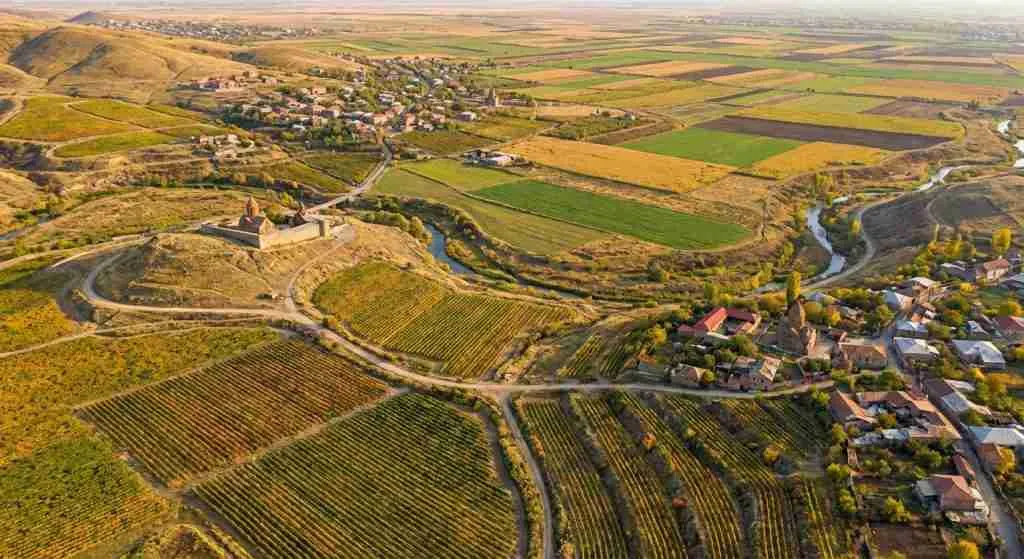
- Agriculture is significant in Armenia: arable land is about 444,000 ha and nearly 59% of the territory is agricultural, making compliant structures essential for agro‑projects Macrotrends; IndexMundi.
Planning a vineyard, orchard, or farm in Armenia? Understanding what foreigners can and cannot own will save you time and prevent unregistrable deals. This guide explains the rules on agricultural land, how to check zoning, and lawful structures to access farmland while complying with Armenian law.
Can foreigners own agricultural land in Armenia? — quick answer
No—foreign citizens and stateless persons cannot own agricultural land in Armenia. The restriction is grounded in the Constitution and Land Code and was reinforced by a 2018 amendment targeting agricultural plots. Foreigners may, however, buy residential and other non‑agricultural properties outright Constitution; Land Code; ARKA.
Lawful alternatives for agriculture projects include: forming an Armenian‑registered company (including wholly foreign‑owned), entering a long‑term lease of farmland, or acquiring Armenian citizenship to own directly armenian-lawyer.com; Law on Foreign Investments. For urban homes or commercial premises, foreigners can buy freehold title ARKA.
Quick comparison
| Structure | Own agricultural land | Own non‑ag property | Lease agricultural land |
|---|---|---|---|
| Foreign individual | No [1] | Yes [1] | Yes [2] |
| Armenian‑registered company (foreign‑owned) | Yes [3] | Yes | Yes [2] |
| Armenian citizen | Yes [1] | Yes | Yes |
Legal framework: the Constitution
The Constitution of the Republic of Armenia establishes the framework for property and land rights, including limitations applicable to foreign citizens and stateless persons. This constitutional backdrop informs the Land Code’s restrictions on foreign ownership of land, particularly agricultural land Constitution.
Land Code and key statutes governing land
The Land Code is the core statute regulating land categories, ownership, use, and registration in Armenia. It sets the legal basis for land‑use designations (including agricultural land) and the requirement to register rights to make them effective against third parties Land Code.
What foreigners can own outright
Armenian law permits foreigners to own non‑agricultural property (e.g., apartments, houses, commercial buildings, and urban plots). The special restriction targets agricultural land; residential and other non‑agricultural properties remain available for direct foreign ownership ARKA.
Leases and company structures in the statutes
Foreign investors may structure agricultural projects via long‑term leases and Armenian‑registered companies. The Law on Foreign Investments guarantees legal equality and allows foreign investors to engage in entrepreneurial activity—including leasing and forming or participating in local entities—under Armenian law Law on Foreign Investments. Armenian‑registered companies can hold agricultural land, including when fully foreign‑owned, if formed and operated under Armenian law armenian-lawyer.com.
How to check zoning and register rights (Cadastre)
Before any transaction, confirm the parcel’s land‑use category (e.g., “agricultural land” vs “settlement/urban land”) under the Land Code and ensure that ownership or lease rights are duly registered to be legally effective Land Code. This typically involves obtaining official information on the parcel’s designation, executing the relevant contract, and submitting the documents for state registration pursuant to the Land Code Land Code.
How “agricultural land” is defined and the sector’s scale in Armenia (arable area, % of territory)
Under the Land Code, land in Armenia is classified by category, including agricultural land—a legal designation that determines permissible uses and ownership rules Land Code. Because the restriction hinges on the official category, verifying a parcel’s designation is crucial before purchase or lease.
For context, Armenia’s agriculture footprint is large: agricultural land comprises about 58.91% of the national territory (2018), and arable land is roughly 444,000 hectares (2020) IndexMundi; Macrotrends. This scale explains why many expats and SMEs explore farms, vineyards, and agro‑processing projects—and why proper structuring is essential.
The 2018 Land Code amendment and the specific ban on foreign ownership of agricultural plots
In 2018, Armenia clarified the prohibition on foreign ownership of agricultural land. The amendment confirmed that foreign citizens and stateless persons cannot own agricultural plots, while leaving intact the possibility for foreigners to own non‑agricultural real estate (e.g., apartments or urban commercial property) ARKA. This delineation puts the focus on land‑use categories when assessing a property’s eligibility for foreign freehold ownership.
Exceptions and compliant structures: Armenian‑registered companies
Although foreign individuals cannot hold title to agricultural land, an Armenian‑registered company may own it—even if wholly foreign‑owned—provided it is incorporated and operates under Armenian law armenian-lawyer.com. This is the primary pathway used by inbound investors seeking freehold control of farmland.
- Set up a special‑purpose vehicle (SPV) in Armenia to acquire the land and run the project. See our guide on business registration in Armenia.
- If you plan to live and work locally, consider residency options and longer‑term citizenship planning aligned with your investment horizon.
- For urban housing, commercial premises, or mixed‑use developments, foreign individuals can buy directly—no SPV required—so long as the parcel isn’t classified as agricultural land ARKA.
How to apply (company ownership or lease)
- Confirm zoning: obtain official information on the parcel’s land‑use category under the Land Code (agricultural vs non‑agricultural) Land Code.
- Choose structure: incorporate an Armenian company to acquire farmland, or prepare a long‑term lease if buying as an individual armenian-lawyer.com; Law on Foreign Investments.
- Execute documents: sign the sale/lease agreement in compliance with Armenian law Land Code.
- Register rights: submit the documents for state registration so ownership or lease rights are effective against third parties Land Code.
Pre‑closing checklist
- Parcel category confirms eligibility for your intended structure (company ownership vs individual lease) Land Code.
- Transaction documents align with land‑use designation and registration rules Land Code.
- Corporate setup and governance are in order for an SPV acquisition business registration in Armenia.
- Tax, immigration, and real‑estate considerations are planned: taxes, visas, real estate, and investment.
Joint ventures and foreign investment rules
Joint ventures (JVs) with Armenian partners are common for agribusiness, especially where local know‑how, supply chains, or co‑financing are relevant. Foreign investors enjoy national treatment and legal protections under the Law on Foreign Investments, which supports the formation of JVs, equity participation in Armenian entities, and the conclusion of long‑term land‑use leases for agricultural projects Law on Foreign Investments. If long‑term ownership is critical, structuring through an Armenian company as the landowner is a widely used approach armenian-lawyer.com.
Bottom line: Foreign individuals cannot own agricultural land in Armenia, but you can still execute farm, vineyard, and agro‑processing plans through a compliant structure—an Armenian company, a long‑term lease, or, eventually, citizenship. Begin by verifying zoning, selecting the right structure, and registering rights properly to avoid unregistrable transactions Land Code; ARKA. For tailored structuring and due diligence, contact us.
FAQ
Can a foreigner buy agricultural land in Armenia?
No. Foreign citizens and stateless persons cannot own agricultural land in Armenia under the Constitution/Land Code framework and a 2018 clarification to the Land Code Constitution; Land Code; ARKA.
Can foreigners buy apartments or urban land in Armenia?
Yes. Foreigners can buy residential and other non‑agricultural property; the restriction specifically targets agricultural plots ARKA.
Can a foreign‑owned Armenian company purchase farmland?
Yes. An Armenian‑registered company may own agricultural land, even if wholly foreign‑owned, when formed and operated under Armenian law armenian-lawyer.com.
Is long‑term leasing of farmland allowed for foreigners?
Yes. Foreign investors may enter long‑term leases and conduct entrepreneurial activity in Armenia under the Law on Foreign Investments Law on Foreign Investments.
How do I verify if a parcel is “agricultural land”?
Check the parcel’s land‑use category under the Land Code and obtain official information before signing any deal; registration of rights must follow the Land Code to be effective Land Code.
