
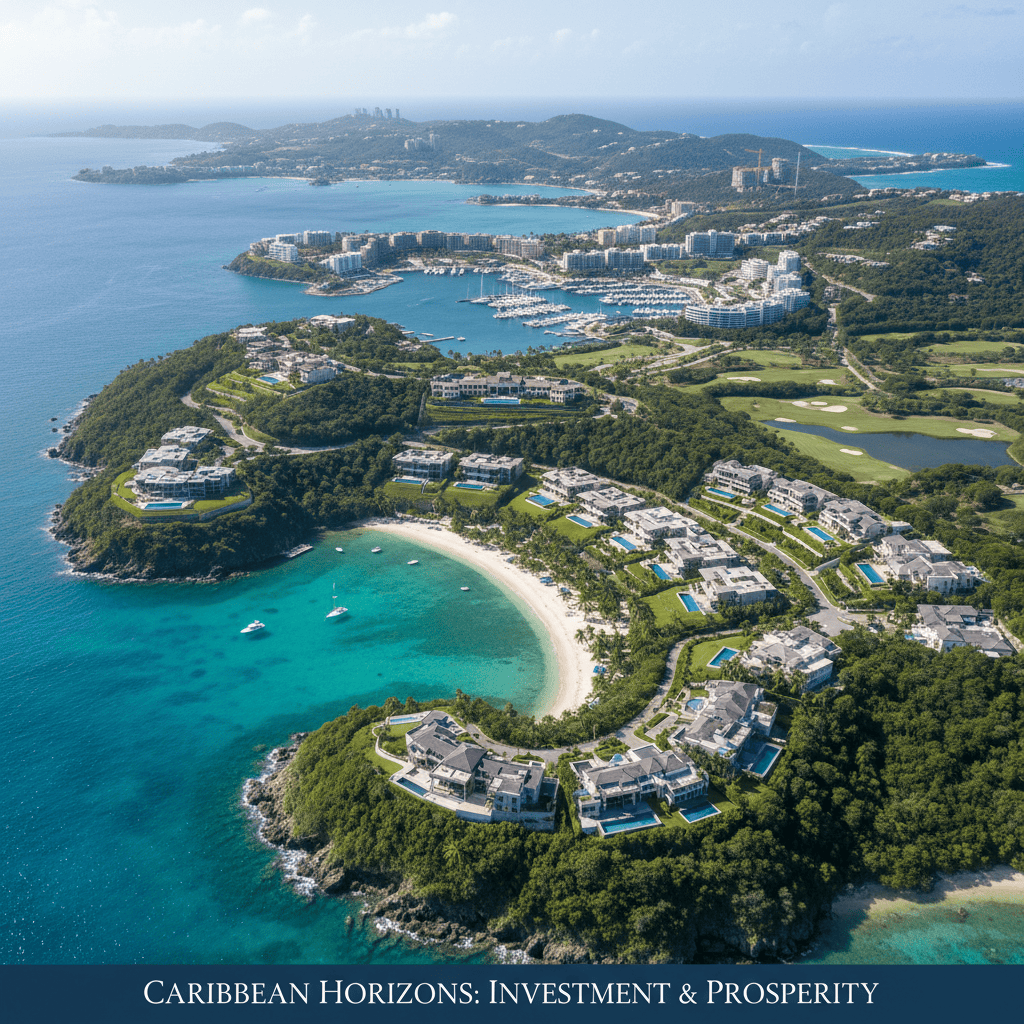
- Eastern Caribbean CBI programs agreed a USD 200,000 minimum and mandatory interviews under a 2024 regional Memorandum of Agreement.
- St. Kitts & Nevis raised its non-refundable contribution to USD 250,000, setting the bloc's highest threshold.
- U.S. and EU pressure accelerated reforms, with Washington warning in June 2025 of potential entry bans absent tighter controls.
- St. Lucia formalized mandatory interviews and FIU background checks; Dominica established a dedicated FIU to deepen vetting.
- Expect longer timelines and higher costs, but stronger program integrity and visa-free access protection.
Caribbean citizenship by investment (CBI) is entering a new era of higher investment minimums and tougher due diligence. Dominica, St. Lucia, and St. Kitts & Nevis are tightening rules in response to U.S. and EU scrutiny to safeguard visa-free access and program integrity.
If you are exploring second citizenship alongside investment planning, these shifts matter. They change cost, timing, and acceptance odds—and they signal how regulators expect CBI to operate going forward.
Exploring citizenship by investment? Our comprehensive guide compares programs worldwide.
View Complete CBI Comparison GuideTable of Contents
- Global pressure and the tipping point: U.S.
- EU scrutiny and the wider golden‑visa debate
- Eastern Caribbean Memorandum of Agreement: harmonizing minimums and vetting standards
- Raising the floor: new minimum investment thresholds (MoA floor and St. Kitts & Nevis increase)
- Strengthened due diligence: mandatory interviews
- FIUs and enhanced background checks
- Country deep dives: Dominica
- St. Lucia and St. Kitts & Nevis — specific reforms and timelines
Global pressure and the tipping point: U.S.
In June 2025, Washington signaled a hard line: the United States warned it could bar entry for passport‑holders from Caribbean CBI countries if programs failed to enact credible reforms on pricing and security screening. This ultimatum pushed governments to accelerate alignment on minimum investments and due diligence standards to protect travel privileges and market access.
EU scrutiny and the wider golden‑visa debate
In parallel, European discussions around "golden visas" and investor citizenship added pressure. EU concerns center on security vetting and the potential for visa‑free travel misuse. The broader global debate has seen several countries tighten or shutter investor migration routes, nudging Caribbean CBI programs to recalibrate toward higher integrity standards.
Eastern Caribbean Memorandum of Agreement: harmonizing minimums and vetting standards
To present a unified front, Eastern Caribbean governments signed a 2024 Memorandum of Agreement (MoA) that harmonizes core program parameters across the region. The MoA establishes a USD 200,000 minimum investment floor and mandates applicant interviews—key steps to prevent a "race to the bottom" on price and to fortify vetting standards region‑wide.
Raising the floor: new minimum investment thresholds (MoA floor and St. Kitts & Nevis increase)
The immediate financial impact for investors is clear: higher minimums.
- Regional floor: The 2024 MoA sets a minimum investment of USD 200,000 across participating Eastern Caribbean CBI programs.
- St. Kitts & Nevis: The jurisdiction raised its non‑refundable contribution to USD 250,000 by mid‑2023, positioning the program above the regional floor.
At-a-glance: New pricing floors and interviews (selected programs)
| Program | Minimum (USD) | Mandatory Interview |
|---|---|---|
| Dominica | 200,000 (MoA floor) | Yes (MoA) |
| Saint Lucia | 200,000 (MoA floor) | Yes (MoA + national policy) |
| St. Kitts & Nevis | 250,000 (contribution) | Yes (MoA standard) |
For families and dependants, total outlays will vary by composition and route (contribution vs. real estate). Investors should factor in due diligence fees and processing costs on top of the headline minimums.
Need help navigating new CBI requirements and structuring your investment?
Explore Your Citizenship OptionsStrengthened due diligence: mandatory interviews
Mandatory interviews now anchor the vetting process across the MoA countries, moving assessments beyond documents to real‑time validation. The MoA standardizes the interview requirement region‑wide. Saint Lucia has separately confirmed it conducts mandatory interviews for all applicants, underscoring the shift toward first‑hand, source‑of‑funds verification.
FIUs and enhanced background checks
Expect deeper intelligence‑led screening, including open‑source, sanctions, and law‑enforcement database checks, as well as forensic scrutiny of fund flows. Dominica's CBI unit established a dedicated Financial Intelligence Unit in 2024 to bolster background checks, signaling a more investigative posture. Saint Lucia's authorities likewise emphasize Financial Intelligence Unit involvement as part of their upgraded diligence since September 2023.
Country deep dives: Dominica
Dominica is leaning into transparency. The creation of a dedicated FIU within the CBI apparatus in 2024 points to more robust screening and document validation. Publicly available data also indicate the program has been willing to say "no": an estimated 810 CBI applications were rejected from 2019 to mid‑2024, demonstrating active gatekeeping consistent with evolving standards.
The MoA's USD 200,000 floor and mandatory interviews reinforce this approach, aligning Dominica's pricing and vetting with regional expectations.
St. Lucia and St. Kitts & Nevis — specific reforms and timelines
Saint Lucia implemented mandatory interviews and FIU‑supported background checks effective September 2023, ahead of the regional MoA, and has participated in coordinated discussions to strengthen program integrity. These measures align with the MoA's uniform interview requirement and investment floor.
St. Kitts & Nevis moved earlier on pricing, lifting its non‑refundable contribution to USD 250,000 by mid‑2023 to signal a premium positioning and emphasize integrity safeguards. Program finances show how the market is adjusting: CBI revenues totaled EC$ 620 million in 2023, then EC$ 218 million in 2024 as the program recalibrated under tighter standards and higher price points.
What this means for investors:
- Budget for higher entry costs (USD 200k–250k minimums) and more extensive due diligence.
- Expect interviews for all adult applicants and enhanced FIU involvement, which can lengthen timelines.
- Anticipate stricter source‑of‑funds documentation and potential rejection if screening flags risks—Dominica's historical rejection figures illustrate this new normal.
Considering alternatives or complementary strategies—such as residence‑by‑investment or business establishment—can diversify outcomes. For broader planning, see our guidance on citizenship options, investment structuring, and cross‑border tax implications.
Bottom line: The Caribbean's leading CBI programs are prioritizing program integrity—higher investment minimums and tighter due diligence now define the market. This stability premium aims to protect visa‑free access amid global scrutiny.
For personalized analysis and an investment‑migration plan aligned with your risk profile and timing, explore our comprehensive guide.
Start Planning Your CBI StrategyFAQ
You can also explore alternative residency pathways alongside CBI as part of a diversified plan. See our comprehensive guide to citizenship and residence options for pathways that may better fit tax or family goals.
Ready to explore your citizenship by investment options?
Get detailed comparisons, requirements, and strategic insights for programs worldwide.
Access the Complete CBI Guide