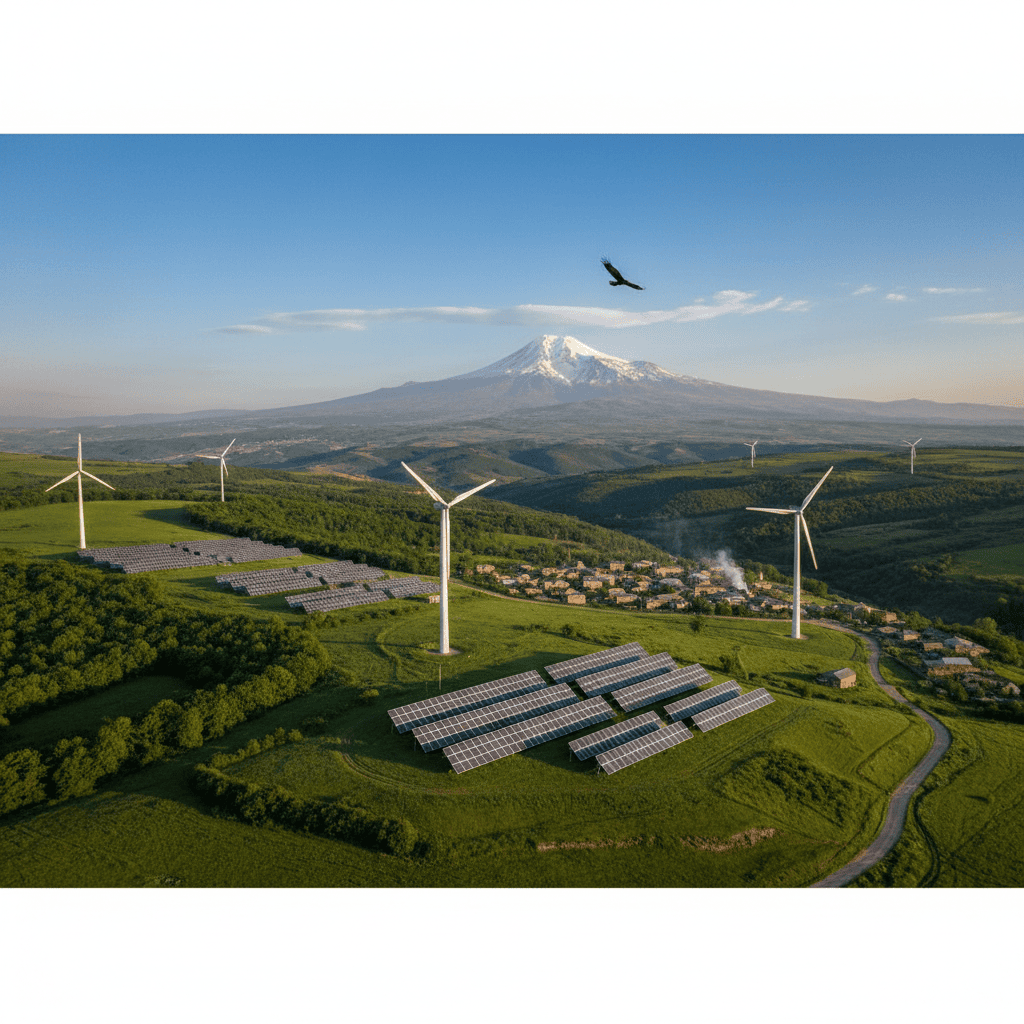
EU green investment is surging: €358 million just funded 132 LIFE projects focused on climate, biodiversity, and clean energy, signaling policy momentum that will spill over into migration and investment regimes (including investor visas) in 2025–2026.
Expect sustainability visas and environmental migration incentives to tighten: Brussels is pushing to phase out citizenship-by-investment and harmonise RBI due diligence at EU level.
Programs tying residency to green assets (renewables, biodiversity, efficiency) may see renewed demand—Portugal's marketed "Green Visa" (≥€500,000 in eco projects) is one model to watch.
Compliance will pivot from simple capital thresholds to ESG proof, impact KPIs, and enhanced source‑of‑funds checks; weak verification risks greenwashing and rejections.
Non‑EU hubs, including Armenia, can design credible green RBI pathways—if they hard‑wire robust due diligence and measurable environmental outcomes.
Why this matters: Sustainability is no longer a side policy; it is shaping capital allocation and how investors move. With the EU's LIFE programme directing fresh funding into green priorities, investor‑visa and RBI compliance will increasingly hinge on environmental integrity. Law firms and advisors must be ready to structure, document, and defend "green" pathways.
Table of Contents
- What the €358 million LIFE boost means for EU climate and biodiversity goals
- How EU green priorities are reshaping investor‑visa eligibility and demand
- EU political and regulatory push to phase out and harmonise residency/citizenship‑by‑investment schemes
- Sustainability‑linked visa models: lessons from Portugal's Green Visa and LIFE programme priorities
- Compliance and enhanced due‑diligence implications for residency‑by‑investment programmes
- Practical advice for legal and financial advisers: structuring, documentation and risk mitigation
- Opportunities and strategic risks for non‑EU jurisdictions (including Armenia) to design green RBI pathways
What the €358 Million LIFE Boost Means for EU Climate and Biodiversity Goals
In November 2025, the European Commission awarded €358 million to 132 new projects under the LIFE programme, spanning climate action, biodiversity restoration, and clean energy deployment. According to the Commission's implementing agency, LIFE funding backs the EU's objectives to halt and reverse biodiversity loss by 2030 and to achieve a climate‑neutral economy by 2050.
These new grants build on a long‑running instrument that has co‑financed thousands of projects across the bloc, making LIFE a bellwether for EU environmental priorities and the kinds of investments the EU views as impactful and credible.
For migration and investment migration professionals, this matters because EU green investment signals are influencing the design and scrutiny of residency‑by‑investment (RBI) schemes—especially where sustainability criteria begin to determine visa eligibility.
How EU Green Priorities Are Reshaping Investor‑Visa Eligibility and Demand
EU green investment signals are increasingly mirrored in migration policies. As Brussels finances projects that advance climate and biodiversity targets, investor‑visa programs are likely to align with similar categories of "eligible green investments," from renewable power and energy efficiency to ecosystem restoration.
One emerging model is Portugal's so‑called "Green Visa," described as a residency route for investors committing at least €500,000 to environmentally friendly projects such as organic farming, renewables, or eco‑tourism. While details and acceptance criteria depend on national law and practice, this illustrates how sustainability visas can channel capital towards verifiable green outcomes—an approach aligned with the EU's current funding priorities.
Investor demand tends to follow policy clarity and regulatory endorsement. With EU institutions foregrounding climate and biodiversity, investors seeking EU mobility advantages will increasingly prefer qualifying assets that demonstrably deliver environmental benefits—especially when coupled with rigorous compliance frameworks.
EU Political and Regulatory Push to Phase Out and Harmonise Residency/Citizenship‑by‑Investment Schemes
The European Parliament's 2022 resolution called for phasing out citizenship‑by‑investment (CBI) and for creating an EU framework to harmonise RBI programs, including robust due diligence, consistent background checks, and stronger oversight of intermediaries. Wider EU skepticism has also grown over the economic and social value of "golden visas," prompting member states to tighten or retire certain routes.
For RBI stakeholders, two implications stand out:
Harmonisation: national investor‑visa rules may face EU‑level expectations on screening and reporting, particularly around anti‑money laundering and risk management.
Sustainability lens: as EU green investment accelerates, qualifying investments may increasingly need to evidence environmental integrity and measurable impact to be politically defensible.
Sustainability‑Linked Visa Models: Lessons from Portugal's Green Visa and LIFE Programme Priorities
Portugal's marketed "Green Visa" highlights a structure where capital commitments are directed to projects with a sustainability thesis, with a minimum €500,000 investment described for sectors like renewables, eco‑tourism, and organic agriculture. While programs evolve, the conceptual takeaways for designers and counsel include:
- Eligibility anchored to green themes that echo EU funding logic (e.g., climate mitigation, biodiversity, clean energy).
- Clear investment use‑of‑proceeds, with audited tracking of environmental outputs (e.g., tonnes of CO2 avoided, hectares restored).
- A credible pipeline of projects able to absorb private capital, potentially co‑financing alongside structured funds inspired by LIFE's project typologies.
These design choices are not just optics. They help align migration incentives with real‑world decarbonisation and biodiversity outcomes, reducing reputational and policy risk.
Compliance and Enhanced Due‑Diligence Implications for Residency‑by‑Investment Programmes
As sustainability visas proliferate, compliance will expand beyond the usual KYC/AML checks to include environmental integrity. Expect regulators and program units to require:
- Enhanced source‑of‑funds verification and beneficiary screening in line with the EU Parliament's call for harmonised RBI due diligence.
- ESG substantiation of the investment: use‑of‑proceeds disclosures, third‑party verification of impact claims, and ongoing reporting to deter greenwashing.
- Alignment of project categories with recognised public‑policy priorities, such as those reflected in LIFE calls (biodiversity, climate adaptation/mitigation, clean energy).
Programs that fail to substantiate "green" claims risk investor rejections, reputational hits, or policy reversal—especially given the EU's heightened scrutiny of investor‑visa regimes.
Practical Advice for Legal and Financial Advisers: Structuring, Documentation and Risk Mitigation
To navigate sustainability visas and environmental migration incentives effectively, advisers should structure and evidence transactions with audit‑ready documentation:
- Define green eligibility upfront: tie the investment thesis to clear climate/biodiversity outcomes mirrored by LIFE priorities (e.g., energy efficiency, habitat restoration).
- Use‑of‑proceeds and KPIs: include binding covenants on proceeds allocation and track KPIs such as CO2 avoidance, renewable MWh, or hectares protected.
- Independent assurance: secure third‑party verification of environmental claims to mitigate greenwashing risk.
- Governance and reporting: set quarterly reporting, board‑level oversight, and contingency plans if targets are missed.
- Cross‑border tax review: model personal and corporate tax effects of green investments and visa outcomes.
- Residency planning: map timelines and documentary requirements across jurisdictions.
- Structuring in practice: blend limited partnerships, project SPVs, or impact funds; ensure offering docs include sustainability risk factors and exit pathways.
Green RBI Transaction Checklist (Condensed)
| Stage | Key Actions | Outcome |
|---|---|---|
| Pre‑investment | Eligibility mapping to climate/biodiversity; KYC/AML; SOF checks; pipeline due diligence | Investment qualifies on policy and compliance grounds |
| Execution | Use‑of‑proceeds covenants; KPI measurement plan; third‑party assurance mandate | Auditable environmental thesis aligned with LIFE‑type priorities |
| Post‑investment | Periodic reporting; remedial actions; exit readiness; compliance refresh | Ongoing eligibility and risk control; defensible file for immigration authorities |
Opportunities and Strategic Risks for Non‑EU Jurisdictions (Including Armenia) to Design Green RBI Pathways
Non‑EU jurisdictions can compete for high‑quality capital by designing sustainability‑linked RBI routes that are credible, measurable, and aligned with international priorities. Armenia, for example, can attract investors through vehicles targeting clean energy, energy‑efficient real estate retrofits, reforestation, water stewardship, or biodiversity restoration—paired with transparent impact reporting.
Strategic risks must be managed. EU institutions are scrutinising investor‑visa regimes, urging the phase‑out of CBI and tighter RBI oversight. Any non‑EU green RBI pathway must therefore:
- Implement robust due diligence and anti‑greenwashing controls comparable to EU expectations.
- Prioritise investments that produce verifiable environmental benefits, aligned with themes emphasised by EU funding programs like LIFE.
- Ensure policy stability and regulatory clarity to attract institutional‑grade investors, avoiding the stop‑go cycles that have dogged some "golden visa" programs.
Conclusion
EU green investment priorities are reshaping the investor‑visa landscape. The LIFE programme's €358 million funding round underlines the policy direction: sustainability visas and environmental migration incentives will increasingly depend on measurable impact, transparent use‑of‑proceeds, and harmonised RBI compliance. Jurisdictions that embed this rigor—Armenia included—can unlock new capital and credibility. For tailored structuring and filings, contact our team.