
Armenia, a country known for its rich history, breathtaking landscapes, and resilient spirit, is also home to a wealth of traditions that have shaped Armenian culture over centuries. Armenia celebrates its Independence Day on September 21, marking its secession from the Soviet Union in 1991. These traditions are best seen in Armenia’s vibrant festivals and celebrations, which highlight the nation’s love for family, faith, and community. From ancient pagan rituals to Christian holy days and joyous harvest festivals, each celebration invites you to experience Armenian heritage and its deeply rooted values.
1. Vardavar: The Water Festival
Vardavar is one of Armenia’s favorite festivals and most unique and beloved summer celebrations, with roots stretching back to pagan times when it honored Astghik, the goddess of love, beauty, and water. Today, Vardavar is celebrated across Armenia with joyful water fights, as people of all ages spray one another with buckets, hoses, and water guns. Held 98 days after Easter, it’s a chance for everyone to cool off and bond in the summer heat. Vardavar embodies both the ancient connection to nature and the Christian symbolism of rebirth, thus, the Armenian Apostolic Church celebrates the day as the Transfiguration of Christ in Armenian tradition making it a festival that fuses Armenia’s ancient reverence for nature with modern joy and community spirit.
2. New Year and Christmas
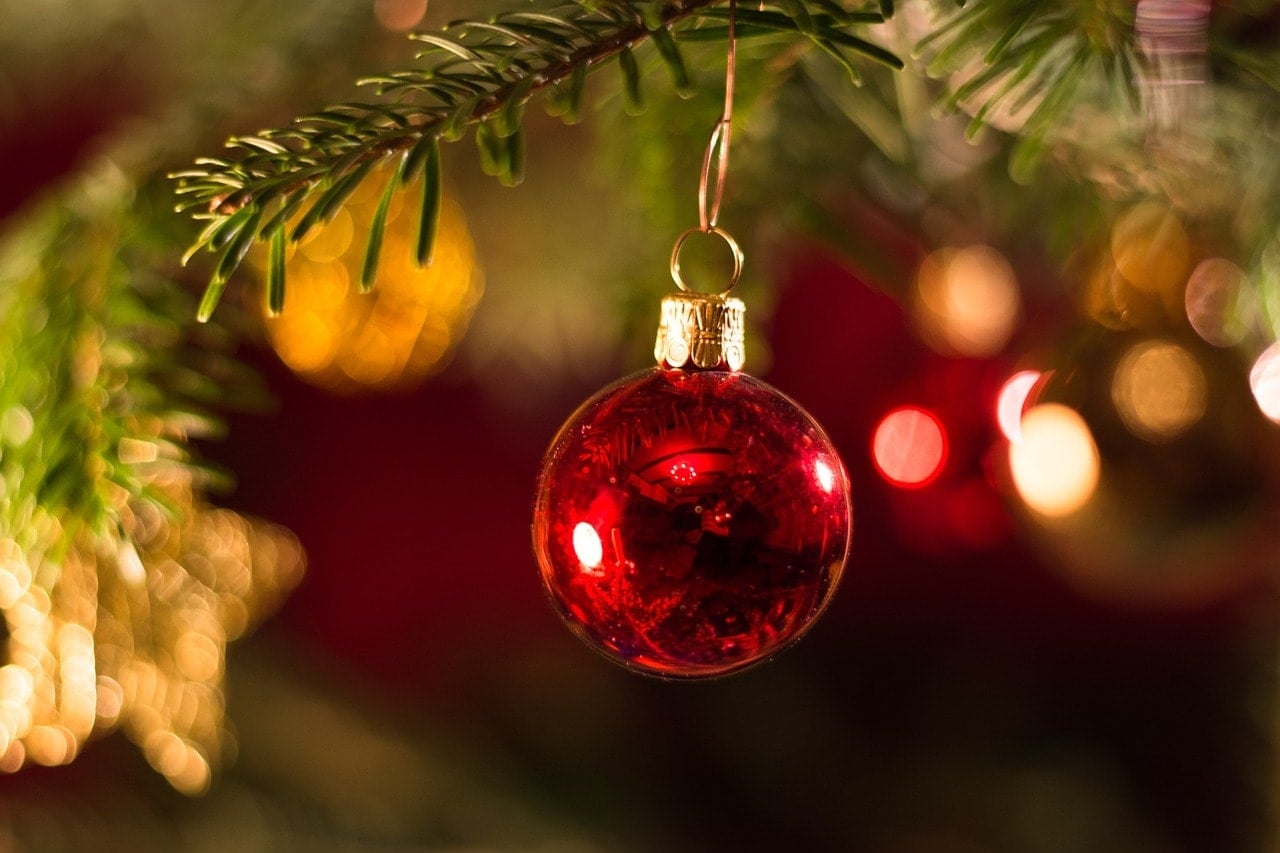
Armenia’s New Year is a family-centered celebration marked by lavish feasts of roasted pork, turkey, tolma, and more. At midnight, families toast to a new year filled with prosperity, luck, and peace, and it’s customary to visit friends and relatives over the following days. In Armenia, Christmas is uniquely celebrated on January 6th, rather than December 25th, combining it with the Feast of Theophany. On Christmas Eve, Armenians take lit candles from the church to their homes, highlighting the significance of the evening liturgy and the customs associated with the night before the main Christmas celebrations. This day commemorates both the birth and baptism of Jesus Christ. Armenian families gather for a special liturgy, followed by a meal that traditionally includes fish, red wine, and rice pilaf with dried fruits, symbolizing purity and light.
3. Armenian Easter (Zatik)
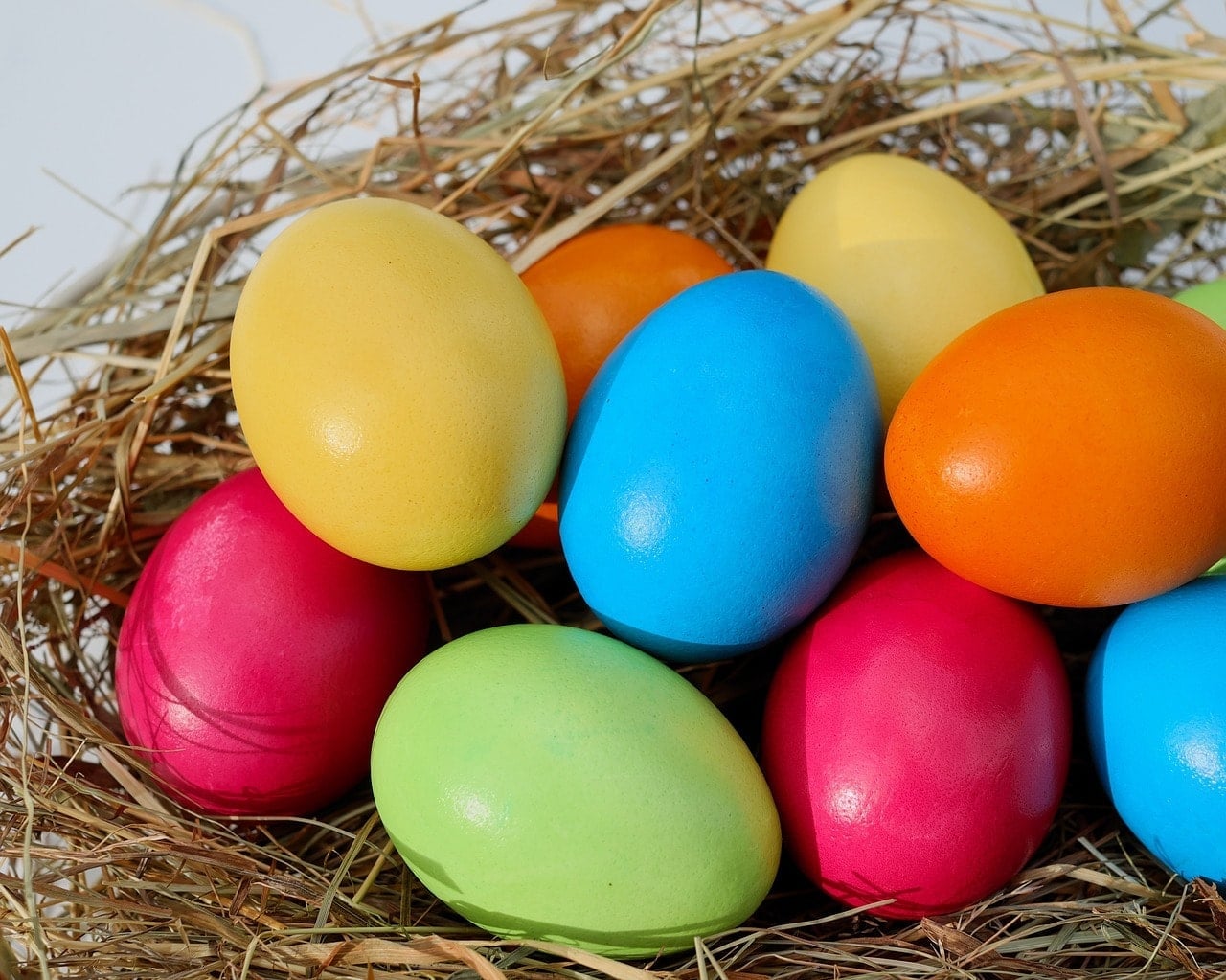
As one of the first countries to adopt Christianity as a state religion, Armenia holds Easter, or “Zatik,” in great reverence. The celebration marks the resurrection of Christ and is filled with unique customs, such as dyeing eggs red to symbolize Christ’s blood. Families gather for Mass at church and later share a meal with traditional foods, including fish, rice with dried fruits, and a variety of sweets. The traditional game of Easter: Egg tapping is common especially among the children. The rule of the game is simple. One holds a hard-boiled egg and taps the egg of another participant with one's own egg intending to break the other's, without breaking one's own.
4. Yerevan Wine Days and Other Wine Festivals
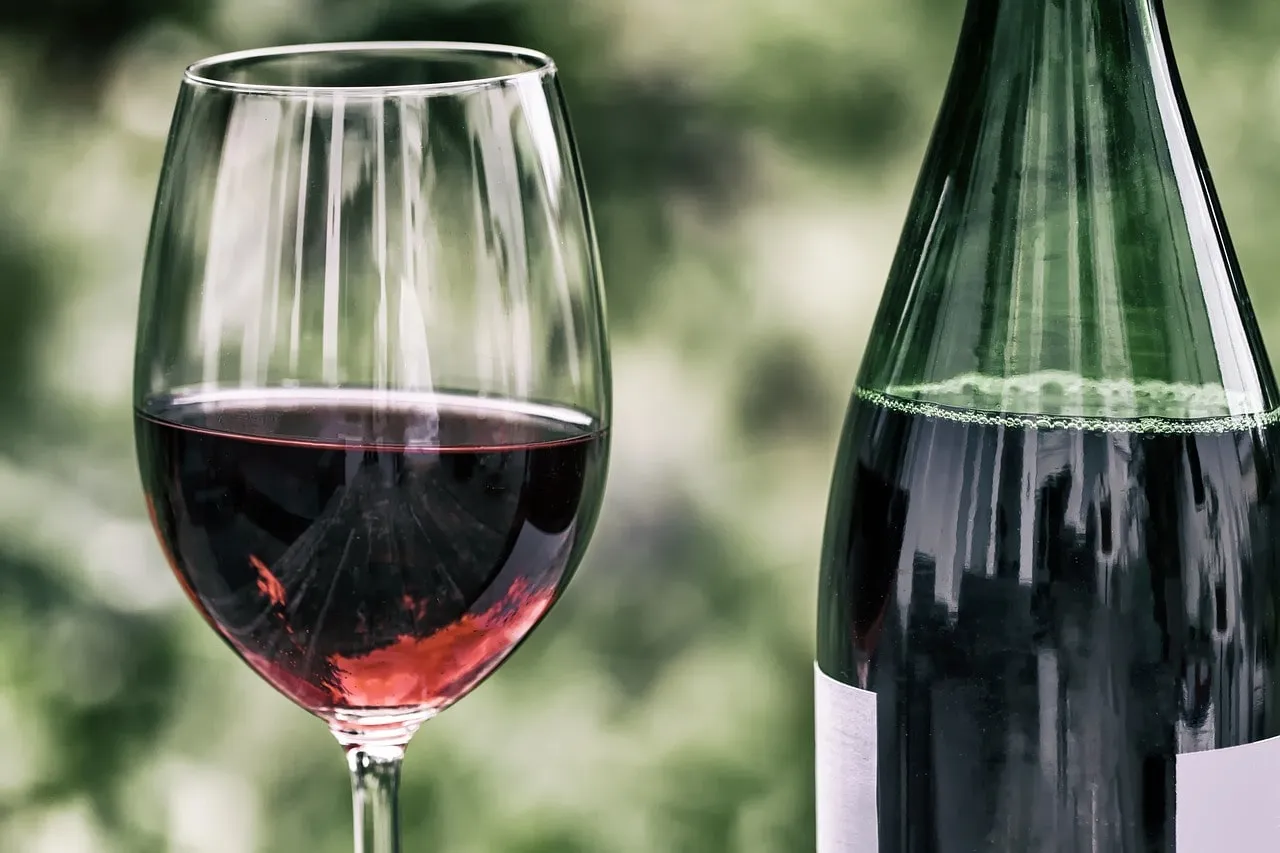
Wine has been at the heart of Armenian culture for over 6,000 years (one of the most ancient in the world), as evidenced by ancient winemaking relics found in the Areni Cave. The world’s earliest known wine-making facility has been discovered in Armenia. Yerevan Wine Days is a vibrant celebration that brings the rich wine-making traditions of Armenia to life in the heart of the capital city, Yerevan. This festival is a feast for the senses, offering visitors the chance to sample a variety of exquisite Armenian wines, including those made from indigenous grape varieties like Areni and Voskehat. The streets of Yerevan come alive with the sounds of live music, the aromas of traditional Armenian cuisine, and the lively chatter of wine enthusiasts from around the world.
In addition to Yerevan Wine Days, Armenia hosts several other wine festivals throughout the year, each showcasing the unique characteristics of the country’s diverse wine regions. The Areni Wine Festival, held in the picturesque village of Areni, the Vayots Dzor Wine Festival, and the Armavir Wine Festival are just a few examples. These events not only celebrate the rich heritage of Armenian wine but also offer a delightful blend of culture, history, and community spirit.
5. Barbecue (Khorovats) Festival

The Khorovats Festival in Akhtala celebrates Armenia’s famous barbecued meat. Traditional Armenian dishes like tolma and gata feature prominently on the Armenian table during the Khorovats Festival. Local chefs and home cooks compete to grill the best marinated pork, lamb, or chicken skewers, sharing this flavorful tradition with friends, family, and visitors alike. The festival embodies Armenia’s warmth, generosity, and passion for food and hospitality.
6. Yerevan’s Erebuni-Yerevan Festival
The Erebuni-Yerevan Festival celebrates the founding of Armenia’s capital, Yerevan, in 782 BC, making it one of the oldest continuously inhabited cities in the world. Every second weekend of October, Yerevan comes alive with concerts, art exhibitions, dance performances, and parades. The festival features exhibitions of national costumes, including the Armenian national costume known as Taraz. Locals and visitors come together to honor the city’s long and storied past. The celebration also highlights Yerevan’s vibrant present, showing the resilience of Armenian culture through millennia.
7. Yerevan Beer Days
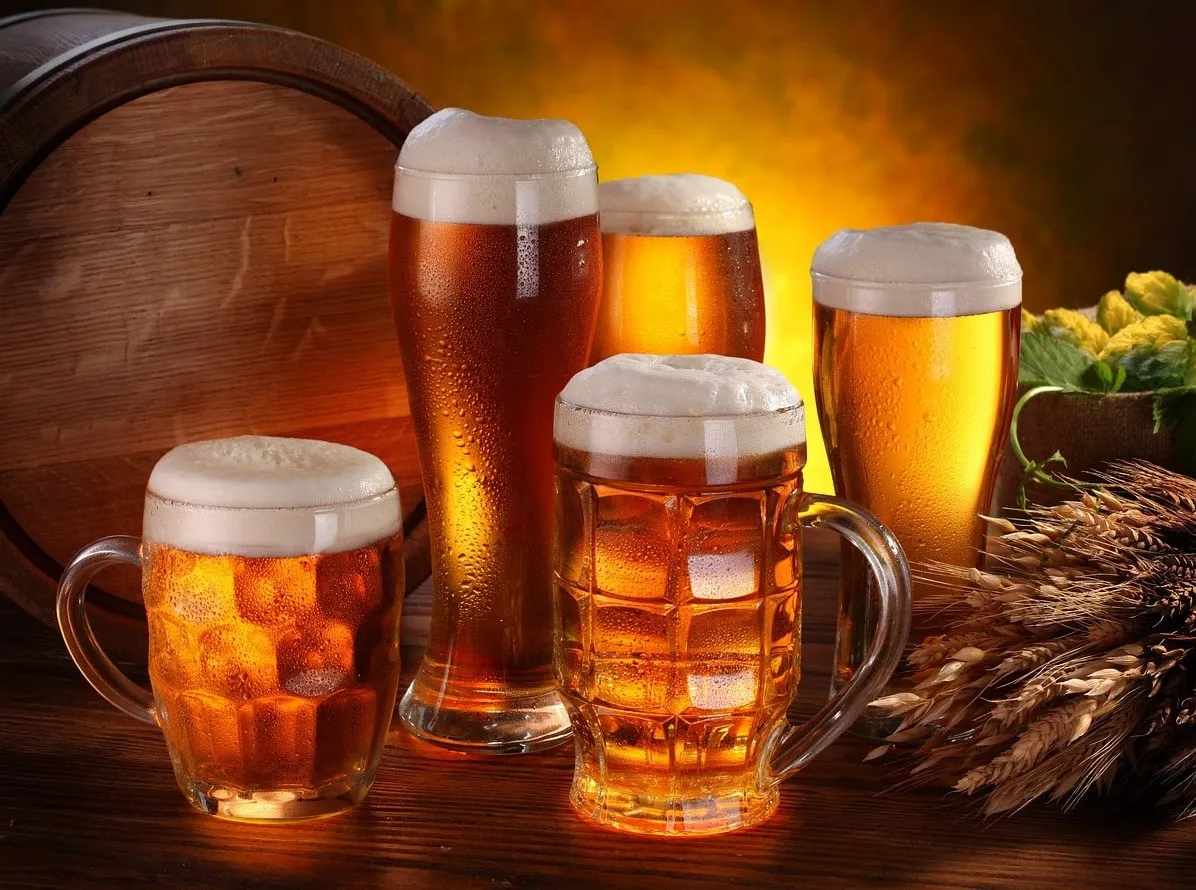
Discover the traditions and history of Armenian beer at Beer Days. Beer has been produced in Armenia since ancient times. In the 5th century BCE, after arriving at a village in Ancient Armenia, Xenophon wrote in the Anabasis that "There were stored wheat, barley, vegetables, and barley wine in the craters (clay pots)…". At the festival itself you can enjoy a variety of beers, participate in games, and savor beer snacks. The event features live music and a festive atmosphere.
8. Golden Apricot Yerevan International Film Festival (GAIFF)

The Golden Apricot Yerevan International Film Festival (GAIFF) stands as a beacon of cinematic excellence in Armenia, held annually in the capital city of Yerevan. This prestigious festival is a celebration of the art of filmmaking, bringing together a diverse array of Armenian and international films that captivate audiences with their storytelling and creativity.
At the heart of GAIFF is its commitment to promoting Armenian cinema and culture on a global stage. The major awards at the GAIFF are the Golden Apricot and Silver Apricot prizes for feature, documentary, short and Armenian panorama films. Lifetime achievement is recognized by the Parajonov's Thaler Award, named in honour of Sergei Parajanov. GAIFF is considered a major event in the Armenian Cinema world. The festival’s competition program, judged by an international jury, awards prizes in various categories, recognizing the outstanding achievements of filmmakers.
9. Tolma Festival and other Food Festivals
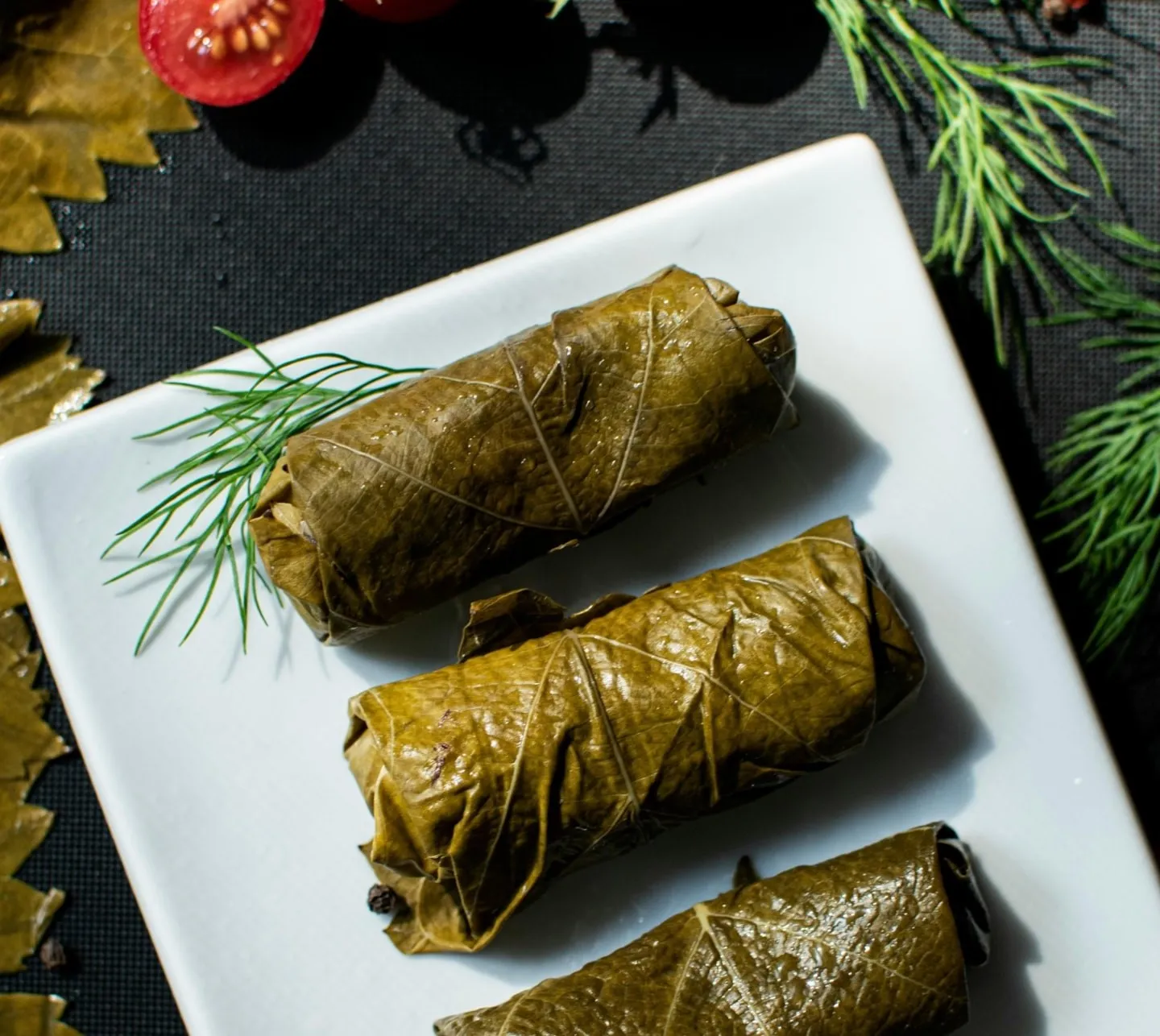
Food lovers from Armenia and around the world annually gather to celebrate Tolma festival, the purpose of which is to popularize this traditional dish. Tolma is usually made from beef & spices, which are wrapped in grape/cabbage leaves. The grape leaf version is called winter tolma and the Cabbage leaf version summer tolma. There can also be variations of tolma without meat, with the legumes and grains called Pasuts (Lenten) Tolma. During the festival, cooks prepare 70 local types of tolma, including the ones with rare recipes. Other popular food festivals celebrate Armenia’s diverse cuisine, including the Gata Festival, Watermelon Fest, and Tea & Coffee Festival and many others.
10. Saint Sarkis Day

Saint Sarkis, Armenia’s patron saint of love and youth, is celebrated with traditions that inspire dreams of romance. On Saint Sarkis Day, young people eat salty cookies and expect a revelation in a dream: and if in a dream a certain person gives a glass of water to them that person is going to be their spouse. As well as, they place a tray full of flour on the roofs or on the balconies of their houses. They believe that if they find the footprint of St. Sarkis's horse hoofs on the flour the next morning, their dreams will come true. People in love present each other cards, flowers, or sweets on the occasion of the feast.
11. Humor Day
On April 1st, Armenians celebrate April Fool’s Day with a playful spirit, filling the day with laughter and good-natured pranks. Children are especially enthusiastic, crafting clever tricks for friends, family, and even their teachers—leading to some truly humorous and occasionally clumsy moments. This day of light-hearted mischief brings out the joy in people of all ages, reminding everyone that a little laughter can go a long way in brightening up the day.
12. Palm Sunday
On Palm Sunday, all Armenian churches decorate with willow branches and conduct divine worship. Also proclaimed by the Armenian Apostolic Church as the day of blessing of children. People in the morning go to church for a blessing. After the holy worship, the consecrated branches are distributed to the faithful. According to tradition, the branches bring into the house peace, abundance, fertility, and grace. After the holiday of Tsakhkazard, branches are either carefully stored until next year, or women prepare the Easter decoration of Tree of Life from them. People say, “Blessed are the branches will bring a blessing”.
13. The Women’s Month

In Armenia, March 8 marks International Women’s Day, celebrated with the same enthusiasm as around the world, but this day is only the start of a month-long tribute to women. Armenia uniquely celebrates Motherhood and Beauty Day on April 7, creating a cherished period from March 8 to April 7, known as the "Month of Women." Throughout this time, Armenian men show their appreciation by presenting gifts and flowers to the women in their lives—mothers, wives, sisters, daughters, and grandmothers. While March 8 focuses on honoring all women, April 7 pays special tribute to mothers, symbolizing the beauty and strength of womanhood.
14. Trndez: The Fire Festival
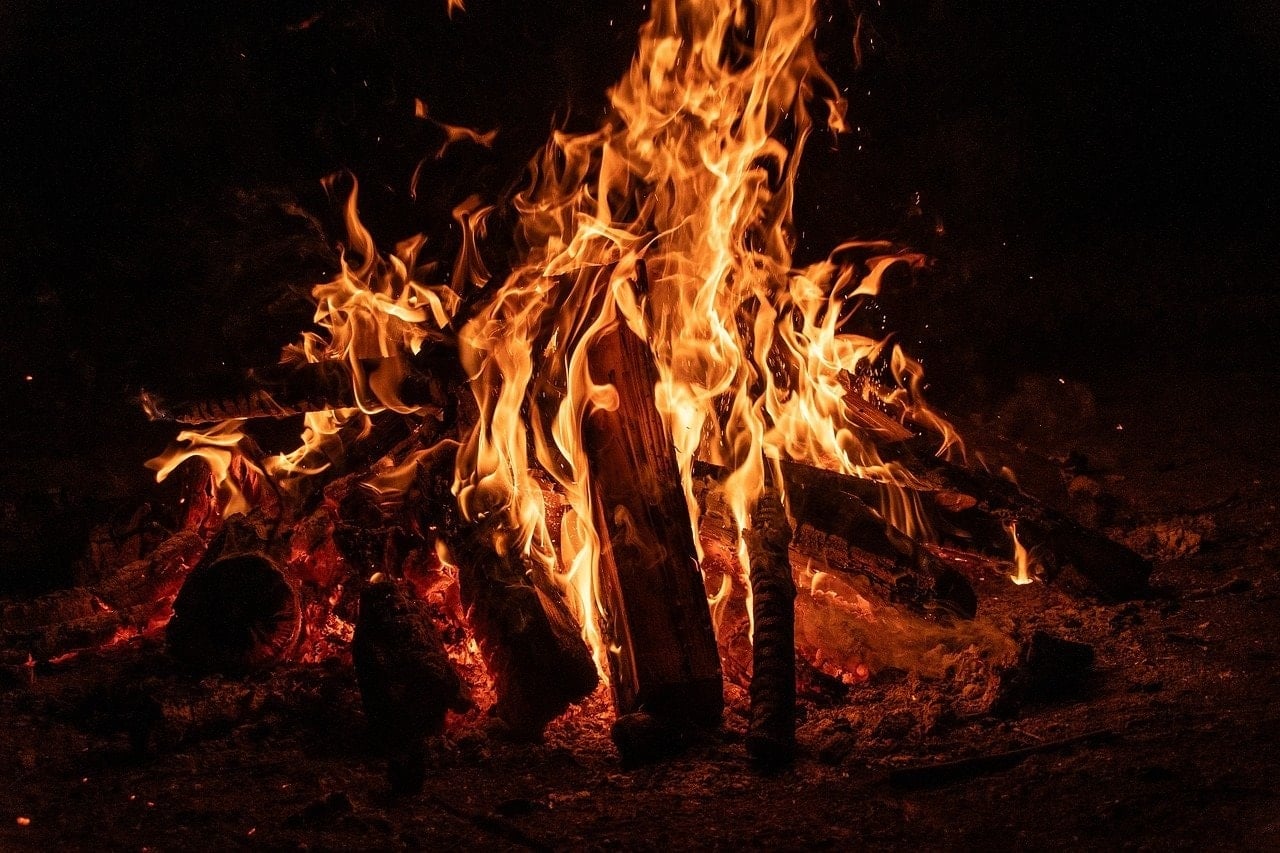
We started with the water festival and are closing with the fire festival. Another festival with pagan origins, Trndez marks the end of winter and the beginning of spring, traditionally celebrated in mid-February. Young people, couples and especially newlyweds jump over bonfires for good luck, symbolizing purification and new beginnings. This fire festival is a social event where communities gather to sing, dance, and welcome the coming season. For both locals and visitors, participating in these traditions is a journey through the heart of Armenia, where the warmth of community and the depth of history come to life in vibrant ways.
Armenia’s festival calendar is expanding with new dynamic events that blend tradition and contemporary culture, adding new vibrancy to the country's cultural landscape. Music enthusiasts can enjoy an ever-growing lineup of festivals in Yerevan, such as Yerevan Music Nights, the soulful Yerevan Jazz Festival, and the high-energy Coca-Cola Music Fest. These festivals attract both local and international artists, enriching Armenia’s music scene and creating a lively atmosphere that celebrates Armenia’s love for music, style, and community. Taraz Fest, dedicated to showcasing traditional Armenian dress, is capturing hearts with its beautiful displays of heritage and craftsmanship.
Armenian festivals and celebrations are more than just events on the calendar; they are vibrant expressions of Armenia’s rich heritage, spirituality, and unity. From water fights and bonfires to candle-lit churches and feasts. For visitors and Armenians alike, participating in these celebrations provides a unique window into the soul of Armenia, where the strength of community and the warmth of hospitality reign supreme. Through these joyful gatherings, Armenia keeps its history alive, ensuring that each generation remembers and honors the traditions that make this nation truly unique.

Arman Batikyan
Attorney
At a glance
- ✓Armenian festivals blend ancient church feasts, folk rituals, and modern street festivals spanning every season.
- ✓2026 confirmed highlights: Yerevan Wine Days (June 5–7), Golden Apricot Film Festival (July 12–19), Yerevan Beer Days (July 17–19), Vardavar (July 12).
- ✓Yerevan Wine Days 2024 drew about 120,000 visitors, with roughly 30% international attendees.
- ✓Use the planning checklist below and secure your Armenia visa early for peak-season events.
Last updated June 1, 2026
From candlelight liturgies and fire-and-water folk rituals to international street festivals and cinema week, Armenian festivals and celebrations are a living map of the nation’s traditions. Whether you are planning a visit or considering a longer stay, this guide covers every major event on the 2026 calendar and explains how Armenia’s cultural rhythm brings communities together.
Table of contents
- Religious and national holidays
- Folk and seasonal festivals
- Culinary and wine festivals
- Music and arts events
- Autumn festivals and community celebrations
- Planning checklist
- FAQ
Religious and national holidays
Armenia’s cultural rhythm is shaped by the Armenian Apostolic Church calendar and national commemorations. Visitors will encounter citywide quiet and family gatherings around major feasts, alongside lively events and parades tied to national observances.
Armenian Christmas and Epiphany (Surb Tsnund) — January 6
The Armenian Apostolic Church celebrates the Nativity and Theophany together on January 6, preserving the original early-Christian date. Evening liturgies fill churches across the country, families gather for festive meals, and Yerevan’s Republic Square hosts a public Christmas tree and light displays. The celebration extends into the following days with visiting relatives and exchanging gifts.
Saint Sarkis Day — January 31, 2026
Often called Armenia’s Valentine’s Day, Saint Sarkis Day honors the patron saint of love and youth. Young couples attend church services, and families prepare salty cookies the night before — tradition holds that a dream about your future partner will follow. The movable feast falls on January 31 in 2026.
Armenian Easter (Zatik) — April 5, 2026
The most important feast on the Armenian church calendar. Families dye eggs red, prepare lavash and traditional dishes, and attend midnight liturgies. Easter Sunday brings egg-tapping competitions and community celebrations across every city and village. The Armenian Apostolic Church follows its own calendar, so the date often differs from Western and Eastern Orthodox Easter.
Genocide Remembrance Day — April 24
A solemn national day of mourning. Hundreds of thousands walk to the Tsitsernakaberd memorial in Yerevan to lay flowers at the eternal flame. Cultural programs, concerts, and exhibitions mark the occasion across the country and in diaspora communities worldwide.
Planning a longer cultural stay? Explore Armenia’s temporary and permanent residence permits to plan repeat visits across the festival year.
Folk and seasonal festivals
Trndez (Fire Festival) — February 13, 2026
Trndez is a fire celebration with roots in pre-Christian Zoroastrian traditions, Christianized as the Feast of the Presentation. On the evening of February 13, bonfires are lit in church courtyards and village squares. Newlywed couples jump over the flames for blessing, and families share pokhindz (roasted wheat). The warmth and light of the fires symbolize the coming end of winter and the renewal of life.
Vardavar (Water Festival) — July 12, 2026
One of Armenia’s most joyous celebrations, Vardavar falls 98 days after Easter — July 12 in 2026. Originally a pre-Christian water and fertility festival, it was Christianized as the Feast of the Transfiguration. On this day, everyone is fair game for a dousing: strangers splash each other in the streets, children run with buckets and water guns, and even formal squares become impromptu water parks. Popular spots include central Yerevan and the Garni temple area. Come prepared to get wet.
Culinary and wine festivals
Yerevan Wine Days — June 5–7, 2026
Armenia’s wine revival has become a magnet for enthusiasts. In 2024, Yerevan Wine Days welcomed around 120,000 visitors, an estimated 30% of whom were international. The 2026 edition marks the festival’s 10th anniversary, running June 5–7 along Saryan, Moskovyan, and Tumanyan streets from 16:00 to 22:30. Over 100 domestic wineries participate, offering tastings of indigenous grape varieties alongside live music and chef-led pairings. An official Wine Enjoyment Package is required for tastings.
Yerevan Beer Days — July 17–19, 2026
A three-day craft beer street festival across Zakyan Street, Khorenatsi Street, and Mashtots Avenue. Dozens of local and international breweries offer tap takeovers and tastings, accompanied by live performances, food-pairing zones, and a friendly festival atmosphere. A Beer Tasting Package costs 10,000 AMD (~$25 USD) and includes a branded glass mug.
RestoFest — summer 2026 (dates TBD)
Armenia’s biggest open-air dining event typically fills a central Yerevan venue with 100+ restaurant concepts and 400+ tables, creating a curated tasting route of contemporary Armenian cuisine and global flavors. Organizers had not confirmed the 2026 dates at the time of writing — check official channels for updates. Entry is via tasting packages (historically around 12,000 AMD / ~$30 USD).
Khorovats Festival — mid-August (dates TBD)
Held in Akhtala, Lori region, this celebration of Armenia’s iconic barbecue tradition draws grill masters from across the country. Expect competitive cooking, regional specialties, and a lively village-fair atmosphere surrounded by Lori’s forested mountains. The 2026 date has not been confirmed — past editions have taken place around August 18–19.
Tolma Festival — late spring (dates TBD)
Near Sardarapat, this festival celebrates Armenia’s beloved stuffed-grape-leaf dish in all its regional variations. Cooks compete with family recipes, and visitors sample dozens of tolma styles alongside wine, music, and cultural performances. Watch for the 2026 announcement from local tourism authorities.
Exploring the culinary scene for business or partnership opportunities? Our team advises on company registration and tax compliance for food, beverage, and hospitality ventures in Armenia.
Music and arts events
Golden Apricot Yerevan International Film Festival — July 12–19, 2026
Established in 2004, Golden Apricot is Armenia’s flagship cinema event. The 23rd edition runs July 12–19 with competitions spanning International, Regional, and Apricot Stone categories under the FIAPF framework. Screenings, masterclasses, and industry meet-ups take place across Yerevan’s theaters and cultural venues. The festival attracts regional and global filmmaking talent each summer.
Kapan International Music Festival — July 4–14, 2026
A multi-day event in Syunik province bringing classical and contemporary performances to southern Armenia. The EU-supported festival builds cultural links beyond the capital and highlights the region’s dramatic landscapes and hospitality. In 2026, the festival runs July 4–14 in Kapan.
Autumn festivals and community celebrations
Areni Wine Festival — October 2026 (exact date TBD)
Held in the Areni village of Vayots Dzor province — home to the world’s oldest known winery — this autumn festival celebrates Armenia’s winemaking heritage with tastings, grape-stomping, folk music, and regional food. The event typically takes place in early October, though the 2026 date has not been confirmed.
Erebuni-Yerevan Festival — October 2026
Yerevan celebrates its founding each October with concerts, exhibitions, and public events across the capital. Founded as the fortress of Erebuni in 782 BCE by Urartian King Argishti I, the city turns 2,808 years old in 2026 — making it one of the world’s oldest continuously inhabited cities. The exact date is typically announced closer to the event.
HayBuis — Armenian Herbs and Flowers Festival — late June (date TBD)
HayBuis celebrates Armenia’s rich herbal traditions with workshops, tastings, and market stalls in Yenokavan, Tavush province. The family-friendly event spotlights sustainable practices, floral crafts, and regional cuisine. The 2025 edition was held June 28; the 2026 date had not been announced at the time of writing.
Yell Sport Fest — October 22–24, 2026
A newer addition to the calendar, Yell Sport Fest brings extreme sports — trail running from 6 km to full marathon distance — to the Tavush and Lori regions. The event combines athletic competition with northern Armenia’s spectacular mountain scenery.
New for 2026: European Collaborative Beer Festival
Announced by Armenia’s Tourism Committee in partnership with the embassies of Czechia, Germany, and Belgium, this new festival is separate from Yerevan Beer Days and will showcase European brewing traditions alongside Armenian craft beer. Dates and venue are still to be confirmed.
Alongside these headline events, neighborhoods host seasonal harvest markets, community concerts, and churchyard celebrations through the summer and autumn. If your stay extends into the off-season, ask locals about small-town gatherings — an easy way to experience everyday Armenian hospitality.
Planning checklist
| Step | Tips and links |
|---|---|
| Confirm dates | Many regional festivals announce dates late. Check armenia.travel and individual event pages for updates. |
| Secure entry documents | Review your Armenia visa requirements early. Consider residency if planning extended stays. |
| Book early | Accommodation and festival packages sell out during Yerevan Wine Days, Beer Days, and Golden Apricot. |
| Plan transport | Festivals often close central streets. Use rideshares or walk. For regional events (Kapan, Akhtala, Areni), arrange a driver or tour in advance. |
| Pack smart | Comfortable shoes, sun protection, reusable water bottle, and a light jacket for evenings. For Vardavar — waterproof your phone. |
| Payments | Cards are widely accepted in Yerevan. Carry some cash for markets and smaller vendors. |
| Stay connected | Buy a local SIM at the airport for maps, ride-hailing, and event apps. |
Thinking beyond a holiday? If you are exploring business angles in hospitality, food, or events, our firm can advise on company registration and taxes in Armenia.
Frequently asked questions
When is Yerevan Wine Days 2026 and how big is it?
What is Vardavar and when does it happen in 2026?
When are Yerevan Beer Days 2026?
What is the Golden Apricot Film Festival?
What are the main Armenian religious holidays to know about?
Do I need a visa to attend festivals in Armenia?
Conclusion
Armenian festivals and celebrations bring the country’s traditions to life — pairing ancient customs with a confident, contemporary cultural scene. Whether you are here for wine and cuisine, film and music, or seasonal community gatherings, 2026 offers a full calendar to explore. If you need help with visas, longer stays, or setting up a business around events, contact us — our team will guide you.
