
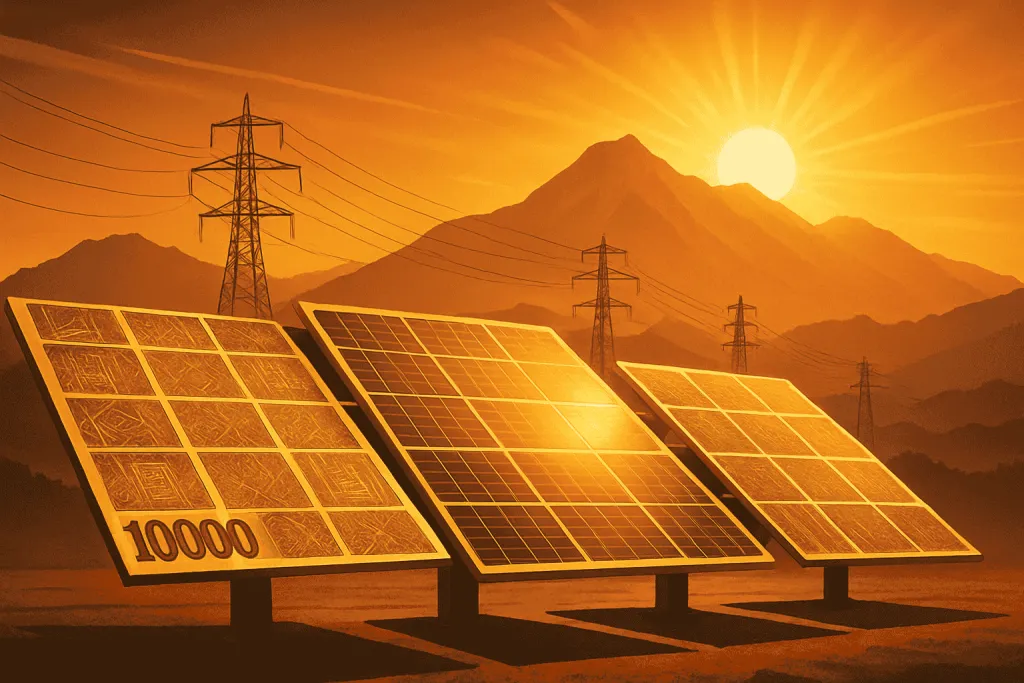
Understanding the Guaranteed Purchase Mechanism for Renewable Energy
Armenia's Renewable Energy Landscape
Armenia has positioned itself as a promising destination for renewable energy investments in the South Caucasus region. With ambitious targets to achieve 15% solar energy share in electricity generation by 2030 and comprehensive feed-in tariff mechanisms, the country offers attractive opportunities for international developers and investors seeking to enter the clean energy market.
The Armenian government has established a robust regulatory framework through the Public Services Regulatory Commission (PSRC) that provides guaranteed purchase agreements for renewable energy projects, creating predictable revenue streams for investors. This comprehensive guide will help you navigate Armenia's feed-in tariff system and understand the investment opportunities available in this rapidly growing market.
Expert Guidance Available
For personalized consultation on renewable energy compliance and investment opportunities in Armenia, consider working with specialized legal experts who understand the Armenian renewable energy market.
Current Feed-in Tariff Rates
As of the latest regulatory updates, Armenia offers competitive feed-in tariff rates for renewable energy projects. The following rates are valid until June 2025 and are set by the Public Services Regulatory Commission (PSRC):
Solar PV
16.651 - 42.148
AMD per kWh
*Based on commissioning year and documentation completion
Wind Power
16.651 - 42.148
AMD per kWh
*Based on commissioning year and operational conditions
Hydropower
10.432 - 23.476
AMD per kWh
*Based on water source type (natural, irrigation, or supply systems)
Exchange Rate Context
For international investors, it's important to note that tariff rates are denominated in Armenian Dram (AMD). The PSRC adjusts these tariffs annually to reflect fluctuations in exchange rates between the Armenian dram and foreign currencies (USD or EUR), providing some protection against currency volatility.
Current approximate conversion: 1 USD ≈ 430 AMD (rates vary, consult current market rates)
Guaranteed Purchase Mechanism
Armenia's feed-in tariff system provides long-term revenue security through guaranteed purchase agreements that span 15-20 years from the date of license issuance. This mechanism ensures predictable cash flows for renewable energy investors and reduces investment risks significantly.
Contract Duration
- 15-20 years guaranteed purchase period
- Small hydropower: typically 15 years
- Solar and wind: up to 20 years
- Period starts from license issuance date
Tariff Adjustments
- Annual tariff reviews by PSRC
- Inflation rate adjustments
- Currency exchange rate protection
- Transparent adjustment methodology
Key Benefits for Investors
The guaranteed purchase mechanism provides several advantages: predictable revenue streams for project financing, protection against market volatility, reduced regulatory risk, and automatic inflation adjustments. This framework has supported the development of 389 MW of small hydropower, 4.23 MW of wind power, and 56 MW of solar PV capacity as of recent data.
For detailed guidance on leveraging these mechanisms for your investment strategy, professional legal consultation can help maximize your project's potential.
Regulatory Framework and Compliance
Armenia's renewable energy sector operates under a comprehensive regulatory framework designed to promote clean energy development while ensuring grid stability and consumer protection. Understanding this framework is crucial for successful project development and compliance.
Key Regulatory Bodies
Public Services Regulatory Commission (PSRC)
Independent regulator responsible for tariff methodology, licensing, and market oversight
Ministry of Territorial Administration and Infrastructure
Develops energy policy, strategic plans, and oversees public-private partnerships
Armenian Energy Agency
Promotes renewable energy development and provides sector support
Licensing Requirements
Production license for electricity generation
Environmental impact assessment
Grid connection agreements
Power purchase agreements
Technical compliance certificates
Processing Timeline
The PSRC reviews license applications within specific timeframes: up to 80 days for standard renewable energy projects, and 25 working days for small hydroelectric power plants and other small-scale renewable energy sources. This streamlined process reflects Armenia's commitment to facilitating renewable energy development.
Navigating the regulatory landscape efficiently requires expert knowledge of local requirements. Professional legal guidance can help streamline your compliance process and avoid common pitfalls.
Investment Opportunities and Market Potential
Armenia presents significant opportunities for renewable energy investors, with the country targeting 1 GW of installed solar PV capacity by 2030 and 1.5 GW by 2040. The market offers diverse investment options across utility-scale projects, distributed generation, and innovative energy storage solutions.
Market Potential by Technology
Utility-Scale Projects
- • Large solar farms (50+ MW)
- • Wind farm developments
- • Competitive tender processes
- • PPP structures available
Distributed Generation
- • Rooftop solar systems
- • Net metering opportunities
- • Commercial & industrial projects
- • Up to 150 kW capacity limit
Energy Storage
- • Battery system integration
- • Grid stability services
- • 1,200 MWh target by 2030
- • New business models emerging
Investment Incentives
Armenia provides several incentives for renewable energy investments including tax exemptions on imported equipment, simplified grid connection procedures, favorable land use permits, and access to international development bank financing. The government actively supports foreign investment in the clean energy sector.
To explore specific investment opportunities and incentive structures, connect with experienced professionals who can guide your investment strategy.
Practical Investment Examples
Disclaimer: The following examples are theoretical scenarios for illustrative purposes only and do not represent actual projects or guaranteed returns.
Example 1: Small-Scale Solar PV Project (100 kW)
Project Parameters
- Capacity: 100 kW rooftop system
- Annual Generation: ~150,000 kWh
- Feed-in Tariff: 25 AMD/kWh (mid-range)
- Contract Duration: 20 years
- Investment Cost: ~$80,000 USD
Financial Projections (Theoretical)
- Annual Revenue: ~$8,700 USD
- Simple Payback: ~9-10 years
- 20-year Revenue: ~$174,000 USD
- Net metering eligible: Yes (under 150 kW)
Example 2: Utility-Scale Wind Project (50 MW)
Project Parameters
- Capacity: 50 MW wind farm
- Annual Generation: ~120 GWh
- Feed-in Tariff: 30 AMD/kWh (estimated)
- Contract Duration: 20 years
- Investment Cost: ~$60 million USD
Financial Projections (Theoretical)
- Annual Revenue: ~$8.4 million USD
- Project IRR: ~12-15% (estimated)
- 20-year Revenue: ~$168 million USD
- Requires: Competitive tender process
Example 3: Small Hydropower Project (5 MW)
Project Parameters
- Capacity: 5 MW small hydro
- Annual Generation: ~25 GWh
- Feed-in Tariff: 18 AMD/kWh (estimated)
- Contract Duration: 15 years
- Investment Cost: ~$8 million USD
Financial Projections (Theoretical)
- Annual Revenue: ~$1.05 million USD
- Project IRR: ~14-17% (estimated)
- 15-year Revenue: ~$15.7 million USD
- Water rights: Required for development
Important Considerations
These examples are simplified illustrations and actual project economics depend on numerous factors including site-specific conditions, equipment costs, financing terms, operational expenses, and regulatory changes. Professional feasibility studies and expert legal guidance are essential for real project development.
Frequently Asked Questions
What is the current status of feed-in tariff rates in Armenia?
Current feed-in tariff rates are valid until June 2025, with solar and wind projects receiving 16.651-42.148 AMD per kWh, and hydropower projects receiving 10.432-23.476 AMD per kWh. These rates are adjusted annually for inflation and currency fluctuations by the PSRC.
How long are the guaranteed purchase agreements?
Guaranteed purchase agreements typically last 15-20 years from the date of license issuance. Small hydropower plants usually receive 15-year contracts, while solar and wind projects can secure up to 20-year agreements, providing long-term revenue certainty for investors.
What capacity limits apply to different renewable energy projects?
For net metering projects, the current limit is 150 kW (recently reduced from 500 kW). Projects under 30 MW require PSRC approval based on ministry recommendations, while projects over 30 MW need additional consent from the government's authorized energy body.
Are foreign investors eligible for feed-in tariffs?
Yes, foreign investors can participate in Armenia's renewable energy market and are eligible for feed-in tariffs under the same conditions as domestic investors. The regulatory framework treats foreign and domestic investors equally, though specific compliance requirements may apply.
What are the main challenges for renewable energy development in Armenia?
Key challenges include grid infrastructure limitations, aging transmission networks, land use conflicts, and the need for increased system flexibility as renewable energy penetration grows. However, the government is actively addressing these issues through strategic investments and regulatory reforms.
How does the tariff adjustment mechanism work?
The PSRC adjusts feed-in tariffs annually based on two main factors: inflation rate changes and USD/EUR to AMD exchange rate fluctuations. This mechanism protects investors from currency devaluation and maintains the real value of tariff payments over the contract period.
Where can I get professional assistance for renewable energy investments in Armenia?
For comprehensive guidance on renewable energy compliance, regulatory requirements, and investment strategies in Armenia, professional legal experts specializing in Armenian renewable energy law can provide invaluable support throughout your project development process.
Ready to Invest in Armenia's Renewable Energy Future?
Armenia's feed-in tariff system provides an attractive framework for renewable energy investments, offering long-term revenue security through guaranteed purchase agreements, competitive tariff rates, and a supportive regulatory environment. With ambitious targets for renewable energy expansion and ongoing market liberalization, now is an opportune time to explore investment opportunities in this dynamic market.
Key Takeaways
- Competitive feed-in tariff rates across all technologies
- 15-20 year guaranteed purchase agreements
- Annual tariff adjustments for protection
- Transparent regulatory framework
- Strong government support for renewables
Next Steps
- Conduct detailed market analysis
- Assess site-specific opportunities
- Understand regulatory requirements
- Develop financing strategy
- Engage with local partners
Expert Legal Guidance for Your Armenian Renewable Energy Investment
Navigate Armenia's renewable energy regulations with confidence. Our specialized legal experts provide comprehensive guidance for international investors entering Armenia's growing clean energy market.
Get Expert Consultation