
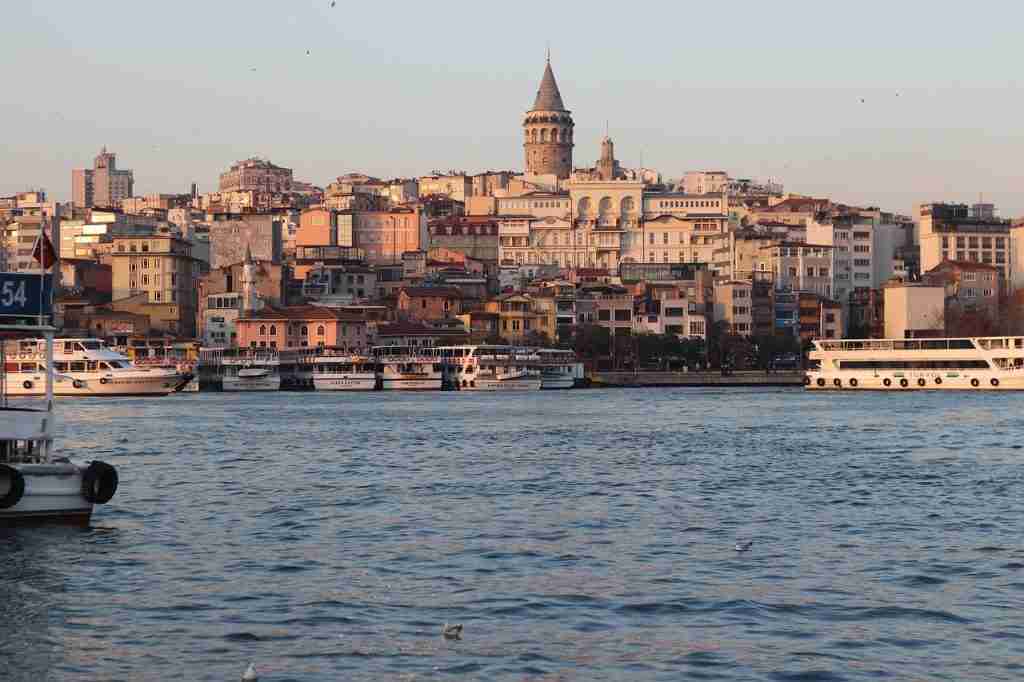
Turkey has become an increasingly popular destination for those seeking a lower cost of living while enjoying a high quality of life. With its rich history, stunning landscapes, and vibrant culture, Turkey offers a unique blend of East meets West. This article will explore the various pathways to gain residency or citizenship in Turkey, focusing on options that cater to budget-conscious individuals.
Residency Permits in Turkey
Depending on your reasons for moving to Turkey and the length of your intended stay, you can apply for different types of residence permits. These permits grant legal stay and access to various services. It's crucial to have a valid passport with an expiration date at least 60 days beyond your intended stay in Turkey. This is a fundamental first step for anyone seeking residency.
General Requirements for Residence Permits
While specific requirements may vary depending on the type of residence permit, some general requirements apply to most applications:
- Residence permit application form
- Photocopy of passport or equivalent travel document
- Four biometric photographs
- Proof of sufficient income or sustainable financial resources for the duration of your stay
- Documents/receipts for the payment of the residence permit fee and card fee
- Valid health insurance
Short-Term Residence Permit
This is the most common type for expats who plan to stay in Turkey for up to two years1. It can be renewed annually and is suitable for various purposes, including tourism, business, owning property, scientific research, establishing commercial connections, participating in training programs, and medical treatment4.
Additional Requirements:
- Title deed proving your ownership of immovable property in Turkey (if applicable)
Family Residence Permit
This permit is for foreign spouses and their children who wish to join a Turkish citizen or a foreigner with a valid residency permit. It is valid for up to three years and can be renewed. A significant benefit for families with children is that this permit grants children under 18 the right to education in primary and secondary schools without needing a separate student residence permit. In cases of a polygamous marriage, only one spouse can be issued a family residence permit, but a permit may be granted to the foreigner's children from other spouses.
Student Residence Permit
Students enrolled in Turkish educational institutions need this permit. It covers the duration of their studies and requires proof of enrollment.
Long-Term Residence Permit
After living in Turkey continuously for eight years, expats can apply for this permit, allowing indefinite stay without the need for renewal. To be eligible, you must have not received any social aid from the government in the last 3 years prior to application, have sufficient and sustainable financial resources, and have a clean criminal record.
Additional Requirements:
- Original and photocopy of passport or equivalent travel document
- Photocopy of the previous residence permit document
- Proof that you have not received any social aid from governmental institutions and organizations in the last three years
- Bank account proof of financial sufficiency and regular means of subsistence for the duration of the stay
- Police record document
Humanitarian Residence Permit
Issued under special conditions, this permit is for individuals who need temporary protection or face extraordinary circumstances.
Work Permit as Residency Permit
Foreigners with a work permit automatically gain residency rights for the duration of their employment contract.
Applying for a Residence Permit
To apply for a Turkish Residence Permit, you need to follow these steps:
- Decide on the type of residence permit: Determine which type of residence permit best suits your needs and purpose of stay.
- Complete the online application: Fill out the online application form on the website of the Turkish Ministry of Interior.
- Make an appointment: Schedule an appointment at the nearest office of the Directorate General of Migration Management (DGMM).
- Attend the appointment: Bring all the required documents to your appointment at the DGMM.
- Pay the fees: Pay the application and card fees online or at a designated bank.
- Wait for approval: The processing time may take several weeks. You can track your application status online.
- Receive your permit: Upon approval, your residency permit card will be mailed to your address in Turkey.
Turkish Citizenship
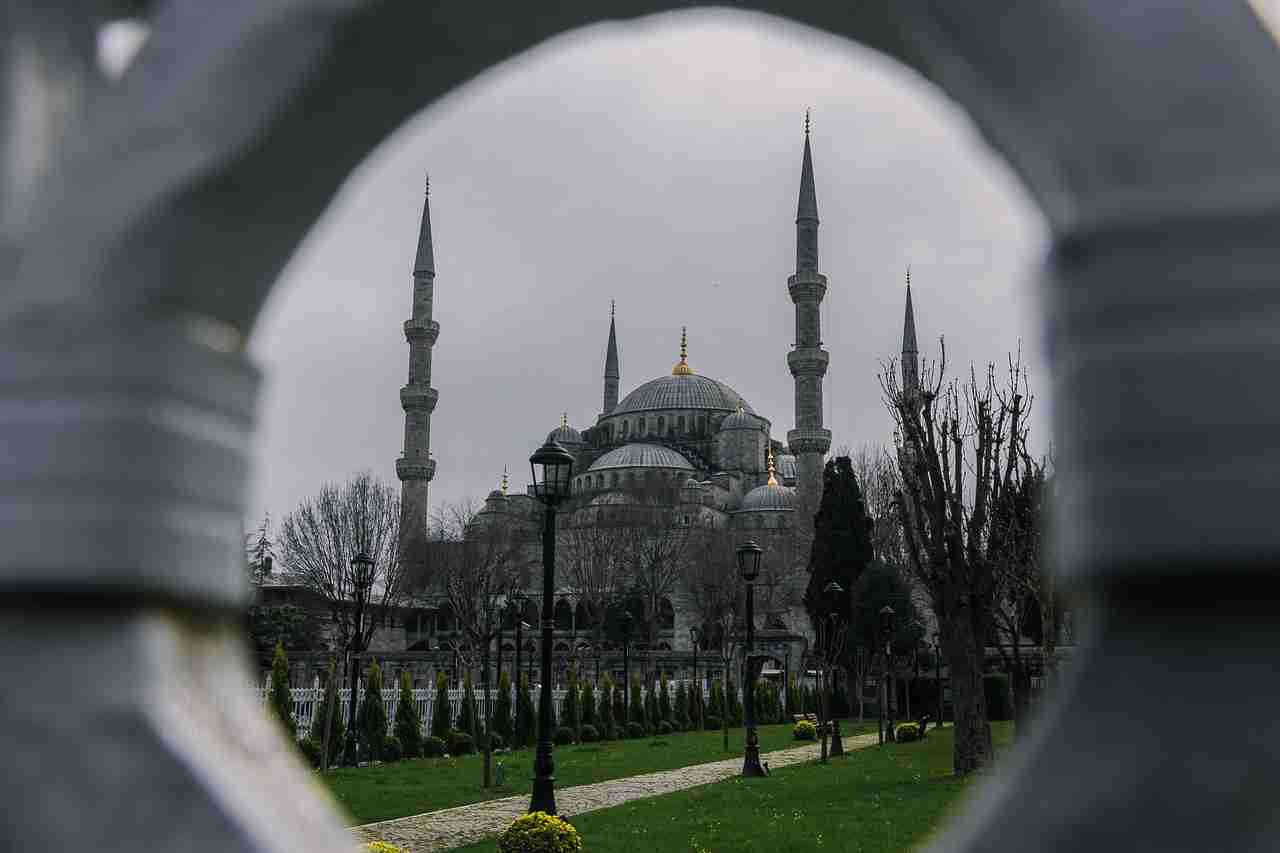
Gaining Turkish citizenship offers numerous benefits, including visa-free travel to many countries, the right to live and work in Turkey indefinitely, and the ability to participate in the country's political and social life. Here are the main pathways to acquiring Turkish citizenship:
Citizenship by Birth
A child born to a Turkish mother or father automatically becomes a Turkish citizen. Adults whose mother and/or father is a Turkish citizen but who were not registered with a civil registry office until they turn 18 may also be registered as a Turkish citizen if the Ministry determines they have acquired Turkish citizenship.
Citizenship by Descent
Individuals born outside of Turkey to a Turkish mother or father may be eligible to apply for Turkish citizenship by descent. This allows individuals with Turkish ancestry to reclaim their heritage and become citizens.
Citizenship by Marriage
If you are married to a Turkish citizen for at least 3 years and your marriage continues, you can apply to gain Turkish citizenship. You must prove that you have lived together as a family in Turkey. The authorities will ensure that candidates for Turkish citizenship by marriage do not represent a threat to the country.
Citizenship by Naturalization
Foreigners who have resided in Turkey for an uninterrupted period of five years can apply for citizenship. However, certain categories of individuals, such as refugees and stateless people, may have different residency requirements.
Requirements:
- Being 18 or over
- Residing in Turkey with a valid residence permit for at least five years
- Being in good health
- Having good character
- Possessing the ability to speak Turkish
- Being a tax resident with sufficient funds to support themselves and family members
- Not having a disease that may constitute a hazard to public health 8
Citizenship by Investment
The Turkish Citizenship by Investment Program offers a fast-track route to citizenship for those who make a significant financial contribution to the country. It's important to note that applicants should have a clean criminal record and should not have illegally overstayed in Turkey. The real estate investment option is the most popular route to Turkish citizenship, with 95% of investors choosing this option.
Investment Options:
Investment Option | Minimum Amount |
|---|---|
Real estate investment | $400,000 |
Government bonds | $500,000 |
Bank deposit | $500,000 |
Investment funds | $500,000 |
Job creation | 50 jobs |
Exceptional Turkish Citizenship
In exceptional cases, Turkish citizenship may be granted to individuals who have been granted refugee status in Turkey. This provision allows those who have sought refuge in Turkey to become citizens and contribute to the country's society.
Cost of Living in Turkey

One of the main attractions for expats considering Turkey is the relatively low cost of living compared to many Western countries. Turkey is one of the cheapest countries in Europe and the cheapest in the Middle East. While expenses vary depending on location and lifestyle, it's possible to live comfortably on a modest budget.
Accommodation: Rent is one of the most significant expenses, but the average price remains low. You can expect to spend less than $1,000 monthly on a modest three-bedroom apartment on the Aegean and Mediterranean coastlines. In Istanbul, a one-bedroom apartment in the city center costs around ₺30,326 ($885) per month, while a three-bedroom apartment costs around ₺56,591 ($1,652).
Food: Food costs in Turkey are significantly lower than in many Western countries. For example, a meal at an inexpensive restaurant costs around ₺295 ($8.62), while a three-course meal for two at a mid-range restaurant costs around ₺1,200 ($35.05). Basic grocery items like bread, milk, and eggs are very affordable. A loaf of fresh white bread costs around ₺34.85 ($1.02), a liter of milk costs ₺31.56 ($0.92), and a dozen eggs cost ₺52.89 ($1.54). Eating out at local restaurants is also relatively inexpensive.
Transportation: Turkey has a well-developed public transportation system, with buses, trams, and metros available in major cities. Fares are generally low, making it easy to get around without a car. A one-way ticket on local transport costs around ₺20 ($0.58), and a monthly pass costs around ₺1,388 ($40.54).
Healthcare: Turkey has a universal healthcare system that provides affordable access to medical services for residents. While some services may require co-payments, overall healthcare costs are relatively low.
Healthcare in Turkey
Turkey introduced universal health care in 2003. Known as Universal Health Insurance (Genel Sağlık Sigortası), it is funded by a tax surcharge on employers, currently at 5%. The system offers comprehensive and equal access to care for all citizens, regardless of income level.
Coverage:
- Emergencies
- Work accidents and vocational illnesses
- Infectious diseases
- Preventive health services
- Childbirth
- Extraordinary events (injuries from war and natural disasters)
- Fertility treatment for women younger than 39
- Cosmetic surgery deemed medically necessary
While universal healthcare covers many services, some expenses may still need to be partially covered by the patient. For example, patients must partially cover the cost of some prescription drugs and outpatient services.
Accessing Healthcare:
To receive care, you can go to your local healthcare center and wait in line or call the Central Physician Appointment System (MHRS) to schedule an appointment.
Types of Hospitals:
- Government-funded hospitals
- University hospitals
- Private hospitals
Education System in Turkey
The Turkish education system is a state-supervised system designed to produce a skillful professional class for the social and economic institutes of the country. Compulsory education lasts 12 years and is free of charge in public schools.
Structure:
- Primary school (İlköğretim Okulu): Lasts 8 years, for children aged 6-14.
- Secondary school (Ortaöğretim): Covers education for children between 15 and 17 for at least three years after primary education.
- Higher education (Yükseköğretim): Includes universities, faculties, institutes, and vocational higher education schools.
Job Market in Turkey
The Turkish job market is diverse and dynamic, with opportunities in various sectors, including manufacturing, services, agriculture, and tourism. However, the unemployment rate can be high, and there is a significant gender gap in the labor market.
Promising Sectors:
- Manufacturing: The automotive and textile industries are significant employers.
- Tourism: This sector creates jobs in hospitality, travel agencies, and related services.
- Information technology and digital sectors: Turkey's tech job market is booming, with high demand for software developers, AI specialists, cybersecurity experts, cloud architects, and IT project managers.
- Customer service and technical support: Companies are seeking individuals with strong communication skills and multilingual abilities.
- Sales and business development: This field offers opportunities for those with strong negotiation and language skills.
- Language teaching and education: There is a growing demand for English language teachers in Turkey.
Salary Expectations:
Salaries in Turkey can vary significantly depending on the industry, experience, and location. The average minimum wage in Turkey as of 2022 was approximately ₺5,004 per month (around $280), but this is subject to change. Some high-paying tech jobs, such as cloud architects and IT project managers, can offer salaries ranging from $18,000 to $40,000 per month.
Culture and Lifestyle in Turkey

Turkey offers a unique cultural experience, blending Eastern and Western influences. Turkish people are known for their hospitality and warmth.
Key Cultural Aspects:
- Turkish cuisine: Rich and diverse, with influences from various regions and cultures. Popular dishes include kebabs, meze (Turkish tapas), and traditional pastries.
- Turkish tea and coffee: An integral part of social life and hospitality. Turkish tea is typically served in tulip-shaped glasses, while Turkish coffee has a unique brewing method and is often accompanied by fortune-telling using the coffee grounds.
- Festivals and celebrations: Reflecting the country's rich history and traditions. Important festivals include Ramadan and Eid, celebrated by Muslims throughout the country.
- Arts and music: From traditional to contemporary, showcasing the country's creative spirit. Traditional Turkish music often features instruments like the saz and the darbuka, while contemporary music includes pop, rock, and hip-hop.
Conclusion
Turkey presents an attractive option for those seeking a low-cost lifestyle with a high quality of life. The country offers various pathways to residency and citizenship, with options for temporary stays, family reunification, work, study, and investment. While Turkey offers various pathways to residency and citizenship, the most budget-friendly options are typically the short-term residence permit for those seeking temporary stays and the citizenship by investment program for those with significant financial resources.
The low cost of living in Turkey, combined with its affordable healthcare and education systems, makes it an attractive destination for budget-conscious individuals. However, it's essential to carefully consider your options and plan accordingly, taking into account factors such as your financial resources, purpose of stay, and long-term goals. By understanding the requirements and processes involved, you can make the most of the opportunities that Turkey offers and enjoy a fulfilling life in this vibrant and welcoming country.

Lusine Sargsyan
Attorney
