

In recent years, Eastern Europe has emerged as an unexpected presence in the global mobility landscape, attracting a diverse array of investors, entrepreneurs, and international professionals seeking new opportunities within the European Union. From the historic Baltic ports to the vibrant tech hubs of Central Europe, countries like Latvia, Bulgaria, and Estonia are revolutionizing how global citizens approach residency investment programs.
The appeal is clear: Eastern European nations offer a unique combination of competitive investment thresholds, streamlined application processes, and access to the European Union's vast market of over 440 million consumers.
For investors and business owners, these programs represent more than just a route to European residency. They offer entry into some of Europe's most dynamic economies, where digital innovation meets traditional industries, and where start-up cultures thrive alongside established business sectors. Whether it's Estonia's world-renowned digital infrastructure, Poland's robust manufacturing base, or Croatia's tourism industry, each country presents unique opportunities for business development and investment growth.
Overview of Residency by Investment Programs
Residency by investment programs provide a streamlined pathway for individuals to obtain legal residency in a country by making a qualifying financial contribution. These programs often allow investors and their family members, including spouses and dependent children, to obtain residency permits. These programs typically involve investments in real estate, business ventures, government bonds, or other specified avenues, granting investors and their families the right to live, work, and travel within the host country.
Understanding the nuances of residency by investment programs in Eastern Europe is crucial. Countries like Latvia and Bulgaria provide straightforward investment options, while others, such as Poland and Lithuania, focus on business incorporation and job creation.
Benefits of European Golden Visa Programs
European Golden Visa programs offer a range of benefits to investors, making them an attractive option for those seeking to establish a foothold in Europe. These programs not only provide a pathway to permanent residency but also come with several other advantages.
Main Investment Options Comparison
Criteria | Latvia | Bulgaria | Poland | Lithuania | Romania | Croatia | Estonia |
|---|---|---|---|---|---|---|---|
Main Eligibility Routes | Business Investment | Business Investment (TRO or LLC) | Business Setup | Business Setup | Business Setup (LLC or JSC) | Business Investment | Business Investment |
Requirements | €50,000 investment in business | Employment required for LLC route | $24,000 income, employment or business plan | €14,000 investment with €28,000 equity value | €50,000 in LLC / €70,000 in JSC + employment and business plan | €27,000 share capital, employment | €65,000 investment for TRP |
Application Timeline | 2–3 months | 4–6 months | 3–6 months | 2–3 months | 3–5 months | 3–6 months | 2–4 months |
Path to Citizenship | After 10 years | After 5 years | After 8 years | After 10 years | After 8 years | After 8 years | After 8 years |
Real Estate Investment Options for Residency by Investment
Real estate investment is a popular option for those seeking residency by investment in Eastern Europe. This route not only provides a tangible asset but also offers a straightforward path to obtaining a residence permit or permanent residency.
Business and Enterprise Investment Options
Business and enterprise investment is another viable option for obtaining residency by investment in Eastern Europe. This route not only helps in securing residency but also contributes to the local economy by fostering business growth and job creation.
Country-Specific Comparisons
Latvia

Latvia’s Residency by Investment Program, commonly known as the Latvia Golden Visa, offers foreign investors a streamlined pathway to obtain residency in Europe with several investment options.
Residency Pathways:
Business Investment:
Invest a minimum of €50,000 into the equity capital of a Latvian company.
The company must contribute at least €40,000 annually in taxes.
A one-time government fee of €10,000 is required.
Real Estate Purchase:
Acquire property valued at a minimum of €250,000.
An additional 5% state fee based on the property’s value applies.
Government Bonds:
Invest €250,000 in non-interest-bearing government bonds.
A state fee of €38,000 is applicable.
Bank Deposit:
Deposit €280,000 in a Latvian bank, to be held for five years.
A state fee of €25,000 is required.
Permanent Residency:
After five years of residency, an investor may apply for permanent residency.
Citizenship Requirements:
Maintain residency for at least ten years.
Demonstrate Latvian language proficiency
Renounce any previous citizenship if not from an EU country.
Bulgaria

Bulgaria, an EU and Schengen member since 2024, offers attractive golden visas for non-EU citizens, combining low costs, tax advantages, and access to European markets.
Residency Pathways:
Trade Representative Office (TRO):
Represent a foreign company in Bulgaria without commercial activity.
No requirement to hire Bulgarian nationals.
Limited Liability Company (LLC):
Establish a business with at least 10 local employees.
Full commercial activity allowed.
Real Estate Investment:
Invest €312,000 in property to qualify for temporary residence.
Renewable for up to five years, with a pathway to permanent residence.
High-Capital Investments:
Invest €3 million in a private company for immediate permanent residency.
Type D Visa Requirement: All applicants must first secure a Type D visa to finalize their residency application in Bulgaria.
Permanent Residency:
Applicants must have held a valid temporary residence permit for at least five years without significant gaps.
Ongoing financial stability and proof of health insurance coverage.
Citizenship Requirements:
Eligible after 5 years of Permanent Residency (10 years in total).
Basic language proficiency and integration into Bulgarian society.
Poland

Poland, a rapidly growing EU economy, offers business residency through its Temporary Residence Permits (TRP). This program is tailored for entrepreneurs and business owners managing active Polish companies.
Residency Pathways:
Eligibility Requirements:- Manage or own a Polish company meeting economic activity criteria.
Employ at least two eligible workers or meet a minimum income threshold (PLN 100,000/EUR 23700 annually).
Permanent Residency:
Apply after five years of continuous residency.
Requirements include stable income, health insurance, and active business operations.
Citizenship Requirements:
Eligible after three years of permanent residency (eight years total).
Must demonstrate Polish language proficiency (B1 level) and societal integration.
Lithuania
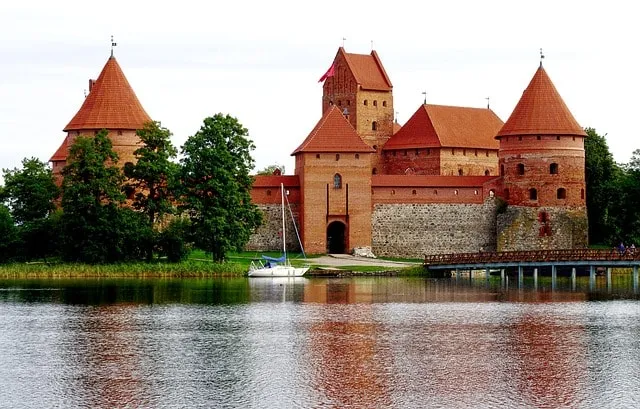
Overview: Lithuania, strategically located in the Baltic region, offers a golden visa program tailored for entrepreneurs and investors. With low investment thresholds and a streamlined process, Lithuania is an attractive gateway to the European Union.
Residency Pathways:
Eligibility Requirements:
Establish or invest in a Lithuanian company with a minimum equity value of EUR 28,000, contributing at least EUR 14,000 personally.
Employ local workers earning at least twice the national average wage (EUR 2,238).
Permanent Residency:
Apply after five years of continuous temporary residency.
Requirements include sustained business activity, stable income, and valid health insurance.
Citizenship Requirements:
Eligible after ten years of residency (five under permanent residency).
Must pass a Lithuanian language test (B1 level) and a constitution exam.
Romania
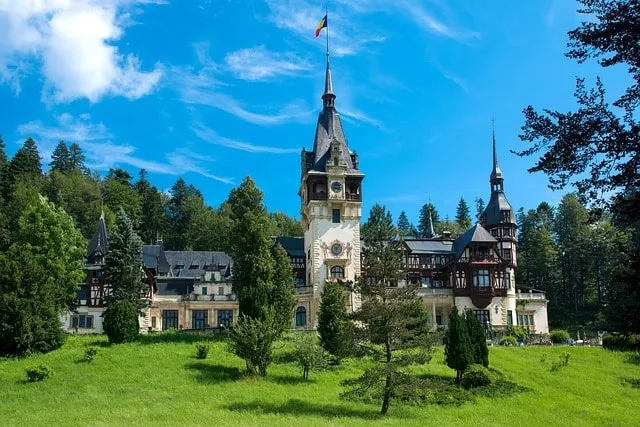
Romania, a fast-emerging destination for investors in Eastern Europe, offers residency pathways through business ownership or investment to obtain residency. With its investor-friendly environment, streamlined processes, and strategic location, Romania is ideal for those seeking to establish or expand their business within the EU.
Residency Requirements:
Minimum investment of €50,000 in a Limited Liability Company (LLC) or €70,000 in a Joint-Stock Company (JSC).
Commit to creating at least 10 full-time jobs for LLCs or 15 for JSCs.
Provide a detailed business plan approved by Romanian authorities.
Permanent Residency:
Available after five years of temporary residency.
Applicants must demonstrate compliance with business obligations, stable income, and health insurance.
Citizenship Requirements:
Eligible after three years of permanent residency (eight years total).
Proficiency in Romanian (B1 level), knowledge of the Constitution, and integration into Romanian society are required.
Croatia
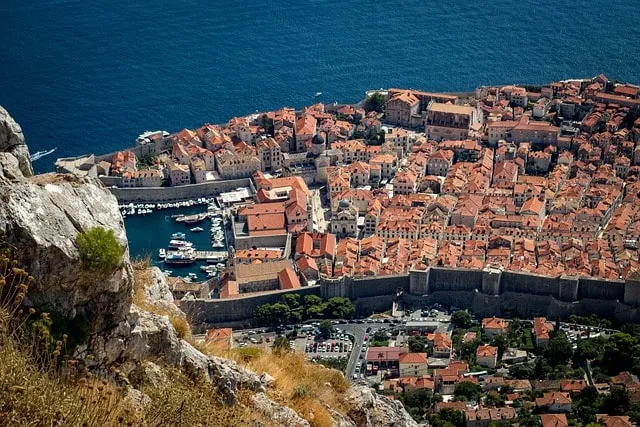
Croatia, known for its stunning Adriatic coastline and high quality of life, provides attractive opportunities for investors seeking residency and eventual citizenship within the EU. With a business-friendly environment, access to the Schengen Zone, and a pathway to long-term legal residence, Croatia is becoming a popular destination for entrepreneurs, remote workers, and individuals looking to establish a European presence.
Residency Requirements:
Investment Threshold: Establish a business with a minimum share capital of €27,000.
Employment Obligation: Employ at least three Croatian citizens on a full-time, indefinite basis.
Self-Employment: Maintain a salary equal to or greater than 1.5 times the national average gross salary.
Additional Requirements: Proof of health insurance, clean criminal record, and sufficient financial means for self and dependents.
Permanent Residency:
Available after holding temporary residency for five continuous years.
Applicants must demonstrate financial stability, compliance with business obligations, and maintain valid health insurance.
Citizenship Requirements:
Eligible after three years of permanent residency (total of eight years of legal residence).
Must prove proficiency in Croatian (B1 level), knowledge of Croatian culture, and integration into Croatian society.
Digital Nomad Program: Croatia also offers a Digital Nomad Visa, allowing non-EU citizens to live and work remotely in Croatia for up to 12 months. This program provides flexibility for remote workers, with no option for renewal. Digital nomads are exempt from Croatian income tax on foreign-sourced income.
Estonia
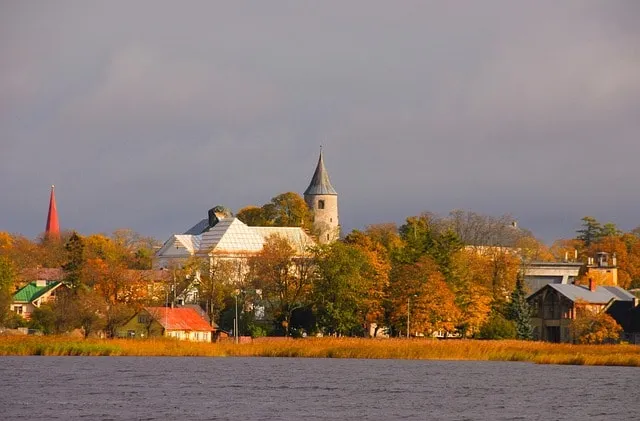
Estonia, known for its digital innovation and business-friendly environment, offers a golden visa program that caters to entrepreneurs and investors. With its highly developed e-governance infrastructure and strategic access to the EU, Estonia is an attractive destination for those looking to establish or grow a business.
Residency Requirements (Temporary Residence Permit for Business Investment):
Invest a minimum of €65,000 in an Estonian company or €16,000 for self-employment.
Submit a detailed business plan with two-year financial forecasts and development plans.
Demonstrate proof of a residential address in Estonia and health insurance coverage.
Earn a legal monthly income of at least €1,200.
E-Residency:
Estonia’s e-Residency program offers a digital identity for global entrepreneurs seeking to manage and grow their businesses entirely online. With e-Residency, individuals can establish a company in Estonia, access secure digital services, and utilize Estonia’s business infrastructure remotely, without needing physical presence in the country.
Permanent Residency:
Available after five years of temporary residency.
Applicants must demonstrate basic proficiency in Estonian, valid health insurance, and stable income.
Registration in Estonia’s official population register is required.
Citizenship Requirements:
Eligible after five years of permanent residency (ten years total).
Demonstrate B1-level proficiency in Estonian and pass a government exam on Estonia’s Constitution and citizenship laws.
Renounce existing citizenship, as Estonia does not allow dual citizenship.
Choosing the Right Program

Factors to Consider:
When selecting the most suitable residency by investment program in Eastern Europe, several factors should be taken into account:
Investment Budget:
Different countries offer varying investment thresholds, ranging from €27,000 in Croatia to €312,000 in Bulgaria for real estate. Choose a program that aligns with your financial capabilities and business goals.
Long-term Residency or Citizenship Goals:
Some programs, like Lithuania and Estonia, offer pathways to citizenship after 10 years of legal residence, while others, like Romania and Poland, provide citizenship after 8 years of residency. Decide whether your focus is on short-term residency or long-term integration and potential EU citizenship.
Business and Personal Preferences:
Programs like Estonia’s e-Residency are ideal for digital entrepreneurs seeking remote business operations, while Croatia’s Digital Nomad Visa caters specifically to remote workers. Consider your personal lifestyle, whether you prefer physical presence or digital management of your investments.
Recommendations for Different Types of Investors:
Digital Nomads:
Croatia offers a Digital Nomad Visa with no income tax on foreign-sourced income, making it perfect for remote workers looking for flexibility and access to the Schengen Zone.
Estonia provides e-Residency, allowing entrepreneurs to manage businesses digitally, with no requirement for physical presence in the country.
Small Entrepreneurs:
Romania offers a balanced approach with a reasonable investment threshold (€50,000 in a Limited Liability Company) and a clear pathway to citizenship after 8 years, suitable for those looking for stable business expansion.
Large-scale Investors:
Bulgaria provides high-capital investment opportunities, such as investing €3 million in private companies for immediate permanent residency, catering to those seeking substantial business expansion and economic contribution.
Comparing Residency Programs:
Countries like Latvia and Lithuania offer cost-effective business setups with straightforward paths to permanent residency. On the other hand, Croatia and Estonia provide pathways that focus on digital innovation and technology-driven entrepreneurship, appealing to tech-savvy investors.
Final Thoughts
Residency programs in Eastern Europe present a compelling opportunity for individuals seeking both personal and professional growth within the European Union.
Advantages of Exploring Residency Programs in Eastern Europe:
Competitive Investment Thresholds:
Eastern European countries offer lower investment requirements compared to traditional Western European programs, making them more accessible for a wider range of investors.
Pathways to EU Residency and Citizenship through Golden Visa Programs

Most countries provide clear pathways to both temporary and permanent residency, with several offering a route to EU citizenship after a defined period of legal residence. This ensures long-term stability and opportunities for mobility within the EU and Schengen Zone.
Diverse Business and Lifestyle Opportunities:

From thriving tech hubs in Estonia to flourishing tourism sectors in Croatia, Eastern Europe offers a diverse range of industries for business expansion. Investors can explore options tailored to their specific business interests or lifestyle preferences, such as remote work or physical business operations.
Ease of Process and Fast Approval:
Several countries, like Latvia and Estonia, boast streamlined application processes and relatively short timelines for residency approval, ensuring that investors can quickly establish their legal presence.
Access to Growing Economies:
Eastern Europe presents an opportunity to engage with rapidly developing economies, enabling businesses to tap into innovative markets and build partnerships across industries.
By exploring these programs, individuals can find an ideal match for their financial, professional, and personal goals while enjoying the benefits of living within a region that continues to shape the future of global mobility.

Lusine Sargsyan
Attorney
At a glance
- Hungary offers two active routes: a €250,000 real estate fund or a €1,000,000 donation, granting up to 10 years of residence with no minimum stay.
- Bulgaria grants direct permanent residence for a €512,000 investment in regulated funds — processing takes roughly 6 to 8 months.
- Latvia maintains its €250,000 property route (plus a 5% government fee) for five-year temporary residence.
- Montenegro requires €150,000 in property for one-year renewable residence, with EU accession expected around 2027 to 2028.
- Serbia has no minimum investment threshold — company formation or property purchase leads to permanent residence after three years.
- Romania abandoned its proposed €400,000 golden visa in late 2025 after security concerns were raised by its defense council.
Last updated May 2026
Eastern Europe’s residency-by-investment landscape has shifted significantly since 2025. Schengen now includes 29 members after Bulgaria and Romania joined, the EU Court of Justice effectively ended citizenship-by-investment across the bloc, and several countries have adjusted their investor programs. If you are evaluating European residency through investment, 2026 demands a fresh comparison of what is actually available, what has changed, and what is coming next.
For background on residence planning and long-term strategy, see our guides to residence permits, citizenship, and visas. If your plan involves business ownership or property, review business registration and real estate due diligence, and plan ahead for tax implications. Armenia’s own investment residency program is covered in our residence by investment guide.
Eastern Europe residency-by-investment landscape in 2026
Three developments from the past year define the current environment for investor residence in Eastern Europe.
Schengen now has 29 members. Bulgaria and Romania completed their full accession — including land borders — on 1 January 2025. Residence permits issued by any Schengen member state now grant visa-free travel across the entire zone, making these newer members substantially more attractive for mobility-focused investors.
The CJEU ended citizenship-by-investment in the EU. In April 2025, the EU Court of Justice ruled that Malta’s golden passport program was incompatible with EU law, describing it as an impermissible commercialization of nationality. This ruling effectively prevents any EU member state from operating a citizenship-by-investment scheme going forward. Residency-by-investment programs remain legal but face heightened scrutiny.
Several countries have tightened or closed programs. Spain abolished its golden visa on 3 April 2025. Greece sharply increased investment thresholds with zoning-based minimums. Italy raised its flat-tax regime for new residents to approximately €300,000 per year. Portugal removed real estate as an eligible investment category but continues to accept fund investments and job creation. Against this backdrop, Eastern European programs — particularly in non-EU candidate states — offer comparatively accessible entry points.
Country-by-country programs
Hungary — Guest Investor residence
Hungary launched the Guest Investor Residence Permit in mid-2024 under its new Aliens Act. The program originally offered three investment routes, but the €500,000 direct property purchase option was abolished on 15 January 2025 due to housing market concerns. Two routes remain active.
Investment options (mid-2026):
- €250,000 in a government-approved Real Estate Investment Fund (REIF). The fund must have at least 40% of assets in Hungarian residential real estate, be AIFM-authorized, and have AUM exceeding €100 million.
- €1,000,000 non-refundable donation to a higher education institution maintained by a public trust.
Permit details: The residence permit is valid for up to 10 years and renewable once for an additional 10 years, yielding a potential 20-year total. There is no minimum physical stay requirement, and the permit includes work rights without an additional work permit. Spouses, minor children, and dependent parents qualify for dependent permits with work rights. Processing takes approximately 4 to 6 months. Applications are submitted through Hungary’s Enter Hungary electronic system.
Bulgaria — Golden Visa and investor routes
Bulgaria offers multiple investor residence pathways, anchored by a golden visa that leads directly to permanent residence — not temporary residence first. Bulgaria fully joined the Schengen area in January 2025 (including land borders) and adopted the euro in January 2026, eliminating currency risk for fund-based investments.
Golden Visa (capital market route): Invest €512,000 in regulated instruments — shares listed on the Bulgarian Stock Exchange, private equity, venture capital, hedge funds, or regulated real estate investment companies. This grants direct permanent residence with processing of approximately 6 to 8 months. The investment must be maintained for five years to retain PR status and qualify for citizenship by naturalization.
Investment Promotion Act routes:
- €256,000 in a Bulgarian company in an economically disadvantaged region plus 10 full-time jobs leads to permanent residence.
- €1,023,000 in shares or bonds of a Bulgarian company leads to permanent residence.
- €3,070,000 in shares or capital of a joint-stock company leads to permanent residence.
Real estate route: A property purchase of approximately €307,000 to €316,000 (BGN 600,000) grants a one-year renewable long-term residence permit. Permanent residence follows after five continuous years.
Business-based routes: Company owners or managers employing 10 or more full-time Bulgarian employees qualify for one-year renewable residence. Foreign companies with annual turnover of at least €52,000 can register a trade representative office for up to three representatives. Regional investment of €128,000 with five full-time jobs also qualifies.
Citizenship: Bulgaria abolished its citizenship-by-investment program. The only path to citizenship is through naturalization after maintaining permanent residence and investment for five years, along with meeting language and integration requirements.
Latvia — investor residence
Latvia’s investor residence program remains active in 2026, having historically issued over 19,300 permits to investors and family members between 2010 and 2021.
Investment options:
- €250,000 in real estate plus a 5% government fee — the most popular route.
- €50,000 in a Latvian company.
- €280,000 bank deposit.
Permit details: Five-year temporary residence permit with no physical stay requirement. Permanent residence follows after five years. Latvia is an EU and Schengen member state. Parliament is considering reducing the company investment permit validity from five years to two years, though this reform has not yet been enacted.
Montenegro — investor residence
Montenegro terminated its citizenship-by-investment program on 31 December 2022 under EU pressure, having issued approximately 484 citizenships. There has been no relaunch. However, Montenegro continues to offer residency through investment, and its EU candidacy — with accession expected around 2027 to 2028 — makes it an interesting forward-looking option.
Investment options (formalized 17 January 2026):
- €150,000 in real estate (minimum taxable value) — grants a one-year renewable temporary residence permit.
- Company formation with at least €5,000 per year in combined tax and social contributions — also grants one-year renewable temporary residence.
Path to permanent residence: Five years of continuous temporary residence. Montenegrin residence does not currently grant EU free movement or Schengen travel — that changes only upon EU accession, which is not yet legally fixed.
Corporate tax: Progressive — 9% on profits up to €100,000, 12% on profits between €100,000 and €1.5 million, and 15% on profits above €1.5 million.
Serbia — investor residence
Serbia does not have a branded golden visa program, but it offers accessible investor residence with no statutory minimum investment requirement — the lowest barrier to entry in the region.
Investment options:
- Company formation — no statutory minimum capital. Must demonstrate genuine business activity. Estimated operating costs of approximately €3,900 per year.
- Real estate — no legal minimum. Advisors generally recommend at least €250,000, though entry-level properties start around €50,000 outside major cities and €80,000 in Belgrade.
Permit details: One-year renewable temporary residence. Permanent residence follows after three continuous years — the fastest PR timeline in the region. Processing typically takes 1 to 3 months. Serbia is an EU candidate country but not a member, and accession remains a longer-term prospect. Serbian residence does not currently confer Schengen travel rights.
Corporate tax: Flat 15%.
Romania — golden visa proposal abandoned
Romania published a golden visa bill in October 2025 proposing a €400,000 investment threshold for a five-year renewable residence permit with a citizenship pathway. However, the proposal was withdrawn from Parliament in November 2025 after Romania’s Supreme Council of National Defense (CSAT) raised concerns about threats to Schengen membership, potential real estate speculation, and security gaps that could arise from granting Schengen travel rights through investment-based permits.
As of May 2026, there has been no revival of the proposal. Plans reportedly exist to reintroduce it in revised form, but no timeline has been confirmed. Romania remains a Schengen member state (full accession including land borders since January 2025), and its existing company formation route for residence remains available.
Side-by-side comparison
| Country | Status | Minimum investment | Permit type | Processing | Path to PR | Schengen | Corporate tax |
|---|---|---|---|---|---|---|---|
| Hungary | Active | €250,000 (fund) | 10-year residence | 4–6 months | Renewable for 10 more years | Yes (member) | 9% |
| Bulgaria | Active | €512,000 (funds) or ~€307,000 (property) | Direct PR (funds) or 1-year temp (property) | 6–8 months | Immediate (fund route) or 5 years (property) | Yes (since Jan 2025) | 10% |
| Latvia | Active | €250,000 (property + 5% fee) | 5-year temp residence | Varies | After 5 years | Yes (member) | 20% |
| Montenegro | Active | €150,000 (property) | 1-year renewable temp | Varies | After 5 years | No (EU candidate) | 9–15% |
| Serbia | Active | No statutory minimum | 1-year renewable temp | 1–3 months | After 3 years | No (EU candidate) | 15% |
| Romania | Abandoned | €400,000 (proposed) | 5-year renewable (proposed) | N/A | N/A | Yes (since Jan 2025) | 10–16% |
Key factors for investors
Mobility and Schengen access
For investors prioritizing travel freedom, Schengen membership is the critical differentiator. Hungary, Bulgaria, Latvia, and Romania are all Schengen members — a residence permit from any of these countries allows visa-free movement across the 29-member zone. Montenegro and Serbia are not Schengen members and will not be until their respective EU accession processes are complete. If near-term European mobility is your primary goal, an EU/Schengen member state is the clear choice.
Citizenship pathways
Citizenship-by-investment is no longer available in any EU member state following the CJEU Malta ruling. All paths to EU citizenship now require a period of legal residence, language proficiency, and integration — typically five to eight years depending on the country. Bulgaria requires five years of maintained investment plus naturalization conditions. Hungary’s Guest Investor permit does not have a minimum stay requirement, which complicates the practical path to citizenship since most naturalization rules require physical presence.
Montenegro’s potential EU accession (expected 2027 to 2028, though not legally guaranteed) makes it an interesting pre-accession play: investors who establish residence now could hold an EU-qualifying status if and when Montenegro joins. Serbia’s accession timeline is longer and less certain.
Tax environment
Corporate tax rates vary significantly across the region. Hungary offers the lowest rate in the EU at 9%. Bulgaria follows at 10% — and has the added advantage of having adopted the euro in January 2026, which eliminates currency conversion costs and exchange rate risk. Serbia’s flat 15% rate is competitive by global standards. Montenegro’s progressive structure (9% to 15%) favors smaller businesses.
Tax planning should account for personal income tax, capital gains treatment, double tax treaty networks, and any special regimes. Model your outcomes across jurisdictions before committing to an investment. Our tax guide covers how cross-border residence affects reporting obligations.
EU regulatory risk
The EU’s direction of travel is clear: eliminate CBI, fold RBI intermediaries into anti-money-laundering compliance frameworks, and pressure member states toward stricter oversight. RBI operators are now classified as obliged entities under the EU’s AML single rulebook, meaning enhanced due diligence, reporting requirements, and compliance costs. No new EU-wide harmonization of RBI rules has been proposed, but the regulatory environment is tightening incrementally. Investors should structure for substance and compliance to future-proof their residence strategy.
How to choose the right program
Your choice depends on your priorities. If Schengen mobility is essential, focus on Hungary (lowest entry at €250,000 fund investment), Bulgaria (direct PR for €512,000), or Latvia (€250,000 property). If you want the lowest capital outlay with a fast path to permanent residence, Serbia offers no minimum investment and PR after just three years. If you are willing to take a calculated bet on EU accession, Montenegro provides property-based residence at €150,000 with potential EU membership on the horizon.
Consider combining strategies: establish residence in a Schengen state for immediate mobility while maintaining business interests in a lower-cost jurisdiction for tax efficiency. Armenia’s own residence by investment program can complement a European strategy for investors seeking an additional base of operations.
Action items before committing:
- Choose your investment instrument (property, fund, company, donation) based on your risk tolerance, liquidity needs, and holding period.
- Model tax outcomes across jurisdictions, including personal income tax, corporate tax, capital gains, and treaty coverage.
- Document genuine economic ties and substance. In the current EU environment, compliance and real presence are essential for long-term security.
- Engage local counsel in the target jurisdiction and confirm current program requirements — rules change frequently.
