
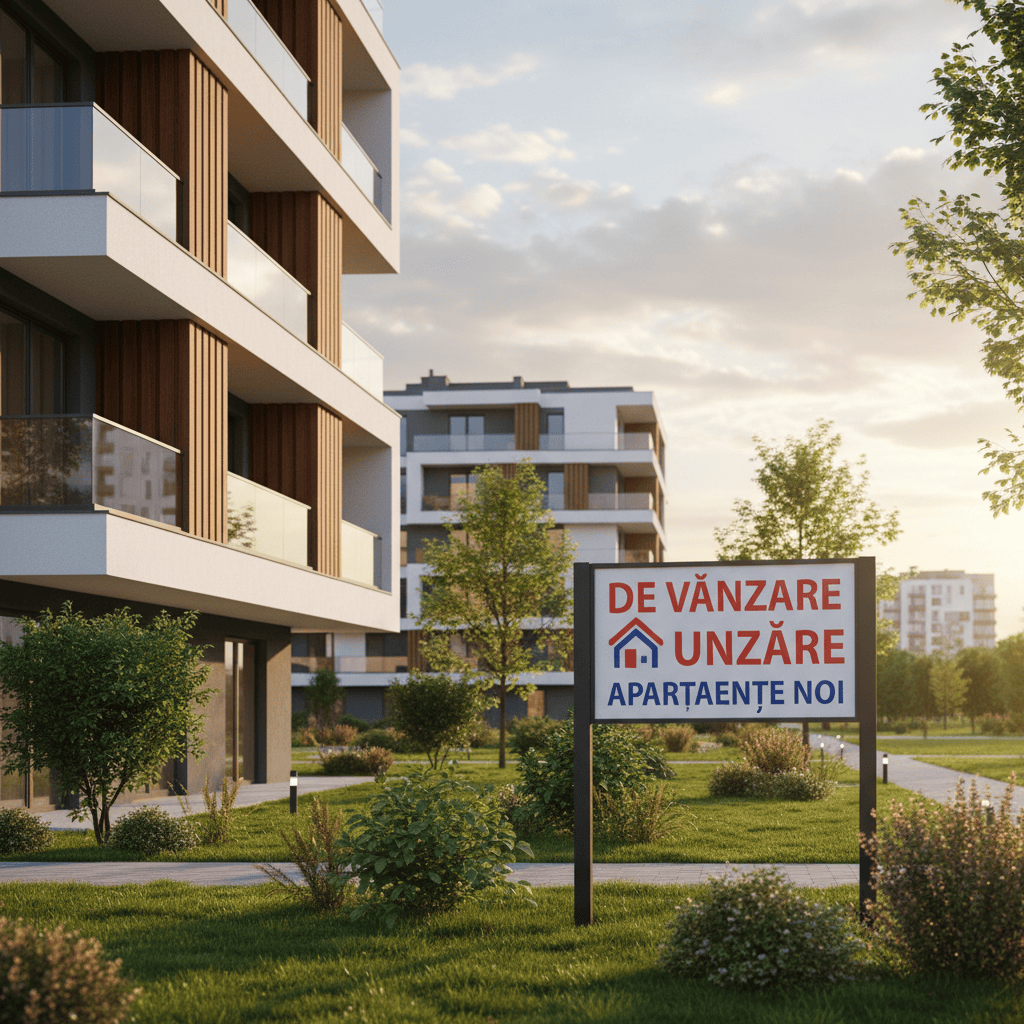
Romania's draft Golden Visa keeps the RBI real estate route open at a €400,000 investment, with a five-year temporary residence permit reportedly on offer.
Eligible assets include Romanian real estate, government bonds, approved funds, and Bucharest Stock Exchange shares—each at or above €400,000 and reportedly held for five years.
Despite European retrenchment on property-linked pathways (Spain and Portugal), Romania signals continued demand for property routes under investment migration scrutiny.
Expect rigorous AML and security vetting by Romanian authorities; prepare robust valuation, title, and source-of-funds files and governance against related-party risks.
Clear structuring, third‑party reports, and transaction sequencing can materially reduce execution risk and timelines.
Real estate still qualifies. Romania's draft residence-by-investment (RBI) framework keeps a property option alive at a reported €400,000 investment level—standing out as peers tighten or eliminate real estate routes. For counsel, that means RBI real estate transactions will require disciplined valuation, clean title, and airtight AML/source-of-funds packages under heightened investment migration scrutiny.
Table of Contents
Romania's Draft Golden Visa — Program Design
Romania is reportedly preparing a Golden Visa (residence-by-investment) program for third‑country nationals that would grant a five‑year temporary residence permit to investors who commit at least €400,000 into the Romanian economy and keep the qualifying asset for five years. The draft explicitly names real estate among eligible assets, in addition to government bonds, approved investment funds, and shares of Romanian companies listed on the Bucharest Stock Exchange, each meeting or exceeding the €400,000 threshold.
Romanian officials have framed the measure as attracting "real money" into productive sectors—real estate, companies, and treasury bonds—to support jobs and growth, underscoring its development rationale beyond mere migration facilitation.
| Romania (Draft) Golden Visa — At a Glance | |
|---|---|
| Minimum qualifying investment | €400,000 |
| Eligible assets | Real estate; Romanian government bonds; approved investment funds; shares in companies listed on the Bucharest Stock Exchange |
| Holding period | Reportedly 5 years |
| Permit validity | Reportedly 5 years (temporary residence) |
| Vetting | Security and AML screening by intelligence and AML agencies |
Residence Term and €400,000 Threshold
Reports indicate the permit would be a five‑year temporary residence, contingent on maintaining the qualifying asset for the full period. The program's minimum threshold is a €400,000 investment into specified Romanian assets—importantly including RBI real estate—rather than a donation or consumptive spend.
For investors exploring the Romania property route, the draft reportedly allows one or multiple properties whose combined acquisition value meets or exceeds the €400,000 investment, held for five years.
Eligible Investment Classes: Real Estate
Per public reporting, the draft defines four qualifying asset classes, each at or above the €400,000 investment level and subject to a five‑year hold:
- Real estate in Romania, acquired directly and held for five years.
- Romanian government bonds, implying a direct infusion into the sovereign financing channel.
- Units in approved investment funds authorized to receive such capital under the scheme.
- Shares of Romanian companies listed on the Bucharest Stock Exchange (BVB), offering an equity-market route.
This diversified menu—especially the retention of property—distinguishes Romania as other EU states pivot. Spain has moved to scrap its €500,000 property-linked Golden Visa, with 94% of its golden visas previously tied to real estate, and Portugal has removed real estate from its investor residence options.
Quick Comparison: Property-Linked RBI in Europe
| Jurisdiction | Property Route Status | Notes |
|---|---|---|
| Romania (draft) | Retained at €400,000 | Draft program maintains real estate option |
| Spain | Ending €500,000 property path | Moving to eliminate property-linked pathway |
| Portugal | Removed property from RBI | Real estate no longer qualifies |
Why Real Estate Remains Central — Government Framing of 'Real Money' and Economic-Development Objectives
Romania's legislative framing emphasizes channeling investor capital into tangible, growth-aligned assets—"real money" into real estate, productive companies, and treasury bonds—rather than passive or purely financialized instruments. For policymakers, property is not merely a migration tool; it is part of a development policy mix aimed at investment, construction activity, and employment.
This stance contrasts with a broader European recalibration driven by housing-market pressures and security concerns. Spain's move to scrap the real estate pathway and Portugal's removal of property from investor routes exemplify this shift. The European Commission has also scrutinized investor residence schemes for risks around security, money laundering, and tax evasion, signaling a compliance-first environment across the bloc.
Investor takeaway: Romania's property-linked option persists while supply tightens elsewhere. For sponsors and counsel, that means the Romania property route can meet client preferences for asset-backed exposure—so long as documentation and governance meet the bar set by today's investment migration scrutiny.
Due Diligence
Public reporting indicates that applications would undergo strict due diligence, including verification of the legal origin of funds and security screening by Romania's intelligence services (SRI, SIE) and the anti–money laundering office. For RBI real estate transactions, the following risk controls are decisive:
Transaction Hygiene and Evidence
- Valuation: Independent appraisal supporting arm's-length pricing, with photos, comparables, and methodology.
- Title and encumbrances: Land registry extract, cadastral plan, and encumbrance certificate; seller corporate docs if applicable.
- Source of funds and wealth: Banking trails, audited financials where relevant, sale contracts, dividend records; translation/legalization as needed.
- Sanctions/PEP checks: Up-to-date screening on applicant, UBOs, counterparties, and intermediaries (aligned with EU AML concerns).
Governance for Related-Party and Conflict Risks
- Related-party disclosure: Affirm whether buyer/seller share ownership, management, or familial links; include registers and org charts.
- Independence: Appoint independent valuers and counsel; document tendering (if any) and rationale for selection.
- Pricing safeguards: Use third-party valuation range as a ceiling; avoid circular financing or seller-provided loans that undercut "real money" policy intent.
Execution Sequencing (To Reduce Risk)
- Pre-clearance: KYC the asset and counterparties; draft SPA with RBI conditions precedent.
- Escrow mechanics: Stage payments into regulated escrow, released upon title transfer and proof of registry entry.
- Document finalization: Apostille/legalize key documents; certified translations.
- Regulatory filing: Submit the RBI application with full SOF pack, valuation, title, and tax receipts; anticipate agency inquiries.
How to Apply (Based on Current Public Reports)
- Select a qualifying asset class and structure an investment of at least €400,000 (e.g., one or more Romanian properties), aligned with the five‑year holding requirement.
- Assemble the due diligence file: identity, clean criminal record, proof of legal origin of funds, and asset documentation (valuation, title/registry records).
- Execute the investment with escrow and conditions precedent linked to title transfer and RBI eligibility criteria.
- File the application for the temporary residence permit; expect screening by the intelligence services (SRI, SIE) and the AML office, and respond to requests for additional evidence.
- Maintain the qualifying asset for five years to preserve status; track compliance and renewals as regulations may specify.
Note: The Romanian program is at draft stage; final terms, procedures, and guidance may differ once enacted. Always check the latest official texts before committing capital.
Key Risks to Monitor
- Policy changes or caps that alter eligible assets or thresholds.
- Housing-market sensitivities driving further EU-level scrutiny.
- AML/CTF enforcement tightening, especially for complex structures or offshore funding lines.
Conclusion
Romania's reported retention of the €400,000 property option signals that RBI real estate remains investable under the right compliance conditions. As Europe pares back property-linked visas, Romania's property route can serve investors seeking asset-backed exposure—provided robust SOF/AML, independent valuation, and airtight execution sequencing are in place.
