
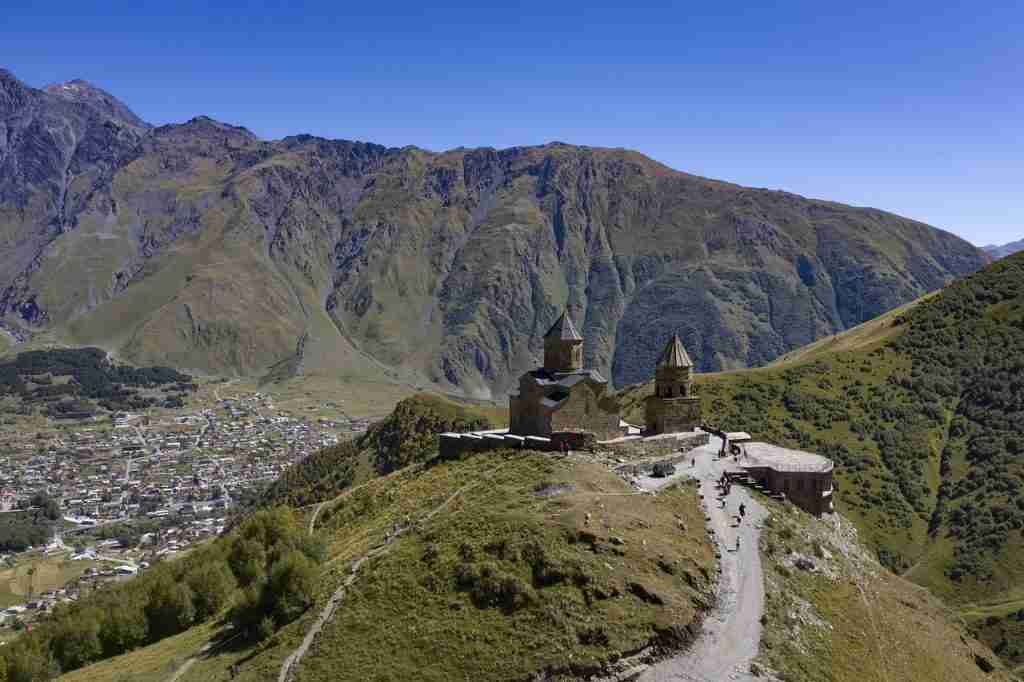
The Republic of Armenia, a landlocked country rich in history and tradition, holds the distinction of being the first country to adopt Christianity as its official religion in 301 AD. This monumental event, under the guidance of Gregory the Illuminator and King Tiridates III, established Armenia as the first Christian nation, a legacy that continues to shape the Armenian identity today. The Armenian Apostolic Church, a pillar of faith, remains central to the spiritual and cultural life of the Armenian people. Despite its Christian roots, Armenia upholds religious pluralism, with its Constitution guaranteeing freedom of religion, creating a harmonious environment for individuals of all faiths.
The Armenian Apostolic Church: A Pillar of Faith
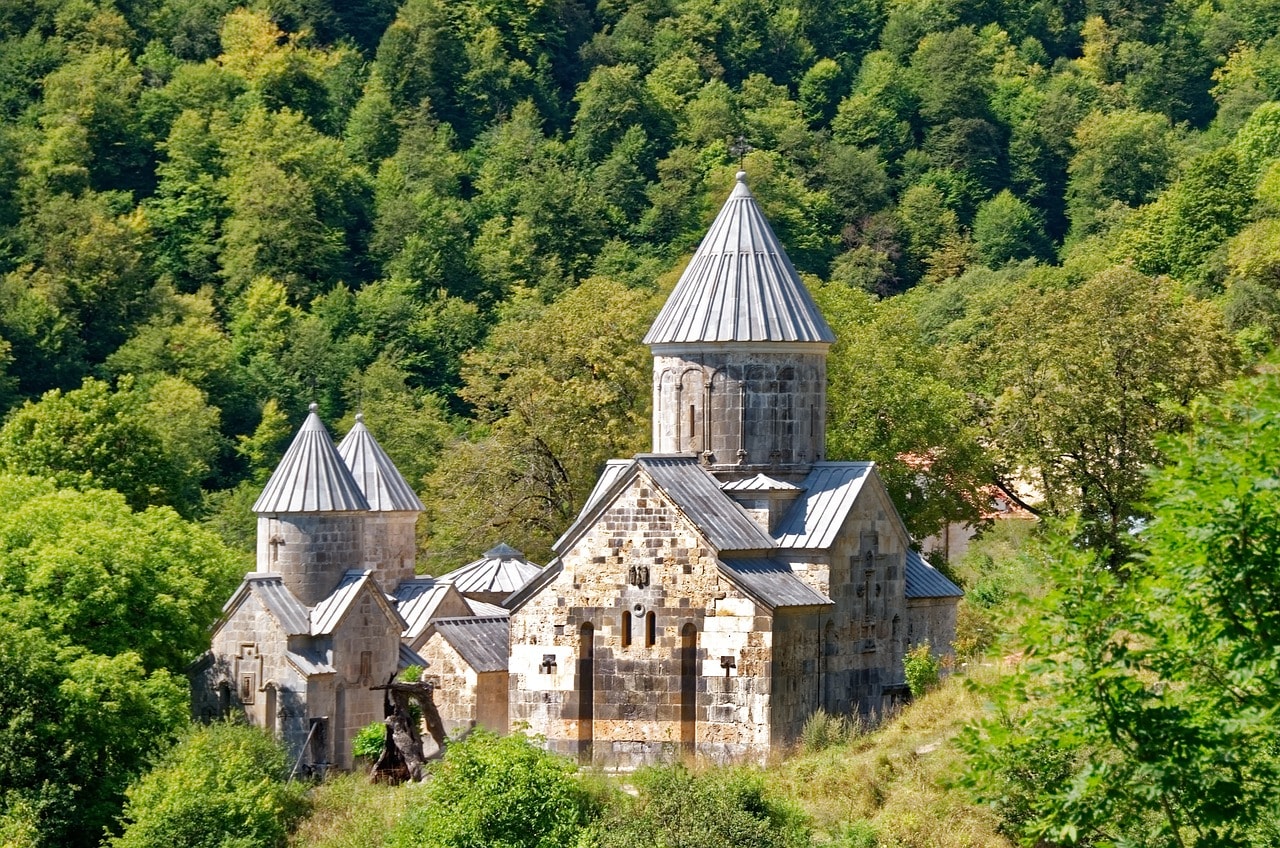
The Armenian Apostolic Church stands as the national church of Armenia and is deeply woven into the Armenian national identity. As a member of the Oriental Orthodox Churches, it adheres to miaphysitism, a doctrine affirming the one incarnate nature of Jesus Christ.
The Armenian Church, established during the early Christian era, also enjoys a unique constitutional status. The Constitution of Armenia explicitly recognizes it as the guardian of the Armenian cultural and spiritual legacy, highlighting its influence on Armenian literature, education, and arts.
The divine liturgy of the Armenian Church is a testament to its rich tradition, featuring elaborate rituals and sacred hymns. Major religious celebrations such as Easter, Christmas, and feasts commemorating Apostles Bartholomew and Thaddeus, who brought Christianity to Armenia, reflect the enduring faith of the Armenian people.
Beyond the Apostolic Faith: Religious Pluralism in Armenia
While the Armenian Apostolic Church remains dominant, Armenia is home to a diverse spiritual tapestry. Among the other denominations are the Armenian Catholic Church, various Protestant denominations, and the ancient Yazidi community, the largest non-Christian group in the country.
The Blue Mosque in Yerevan serves as a symbol of Armenia's religious tolerance and its recognition of Islamic heritage. Despite the Soviet Union’s influence, which sought to suppress religious practices, independent Armenia has re-embraced its Christian faith while fostering inclusivity.
Pilgrimage and Sacred Spaces for Armenian Christians
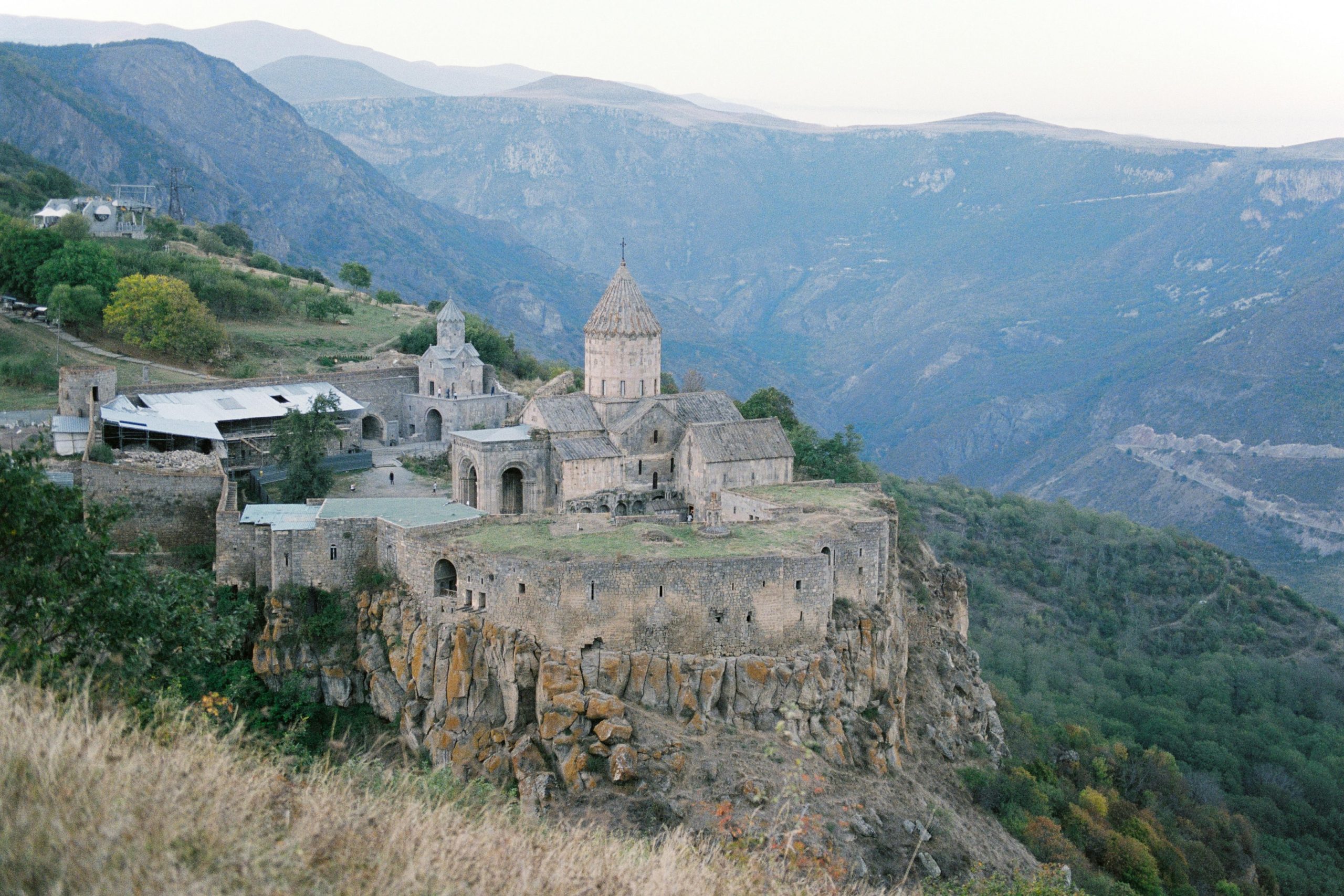
Armenia boasts a wealth of sacred sites that draw pilgrims and tourists alike. The Holy Etchmiadzin Cathedral, the spiritual center of the Armenian Apostolic Church, is revered as the first cathedral built in ancient Armenia. Similarly, the Geghard Monastery, a UNESCO World Heritage Site, carved partly out of a mountain, exemplifies the architectural and spiritual legacy of the Armenian Church.
Other notable sites include the Khor Virap Monastery, where Gregory the Illuminator was imprisoned, and Tatev Monastery, a jewel of medieval Armenian architecture. Pilgrimage to these sites allows the faithful to connect deeply with their spiritual roots and the history of Armenian Christianity.
Religious Festivals: A Symphony of Faith and Culture
Religious festivals in Armenia seamlessly blend Christian traditions, cultural heritage, and community celebration. Vardavar, a festival rooted in pre-Christian traditions but now celebrated as part of the Armenian Apostolic Church’s calendar, involves dousing others with water, symbolizing purification and renewal.

The Feast of the Holy Translators (Targmanchats) honors scholars who translated the Bible into Armenian, preserving the Armenian language and culture. Another cherished event, Grape Blessing Day (Khaghoghorhnek), is a vibrant ceremony in which the first fruits of the harvest are blessed, showcasing the intertwining of faith and agrarian traditions. These festivals reflect the unique identity of Armenian Christians and ensure the continuation of its rich cultural legacy.
Special Provisions for Armenian Citizenship
Recognizing the integral role of religion in Armenian heritage, the country offers pathways for individuals of Armenian origin to acquire citizenship. Among those who can apply for citizenship are Armenian Catholics and Armenian Evangelicals, both of whom have a distinct historical and cultural heritage within the broader Armenian Christian community. Those who can provide a baptismal certificate indicating their Armenian roots may apply for Armenian citizenship, reinforcing ties between the Armenian diaspora and their ancestral homeland.
This provision reflects Armenia’s commitment to preserving its Christian nation identity while embracing its global community. Many descendants of Armenians from the Ottoman Empire and Russian Empire find this process an accessible means to reconnect with their cultural and spiritual roots.
Registering Religious Organizations in Armenia
For those wishing to establish a religious organization in Armenia, certification from the Council of Religious Affairs is required. Organizations must demonstrate their traditional status, supported by canonical scriptures and historical continuity. A minimum membership of 200 individuals, excluding minors, is also necessary.
This framework, rooted in both historical and legal precedent, ensures that registered religious groups contribute meaningfully to Armenia’s spiritual and social fabric. For further guidance on registering a religious community, visit our website.
Conclusion: Faith as a Cornerstone of Armenian National Identity
Religion in Armenia is not merely a belief system but the heartbeat of its national identity. The Armenian Church's relationship with the Roman Catholic Church has also played a role in shaping its unique identity. From the adoption of Christianity as the state religion to the preservation of Eastern Orthodox and Oriental Orthodox traditions, the interplay of faith and culture continues to shape the Armenian Christian community.
As Armenia navigates its future, the Armenian Apostolic Church and its historical contributions, such as the Armenian alphabet and rich liturgical traditions, will remain pivotal. Armenia’s vibrant religious festivals, sacred spaces, and Christian heritage ensure the endurance of its unique identity, resonating both within the country and among its global diaspora.
If you are interested in learning more about Armenian immigration and corporate services, feel free to visit our website.

Anzhelika Hakobyan
Attorney
