
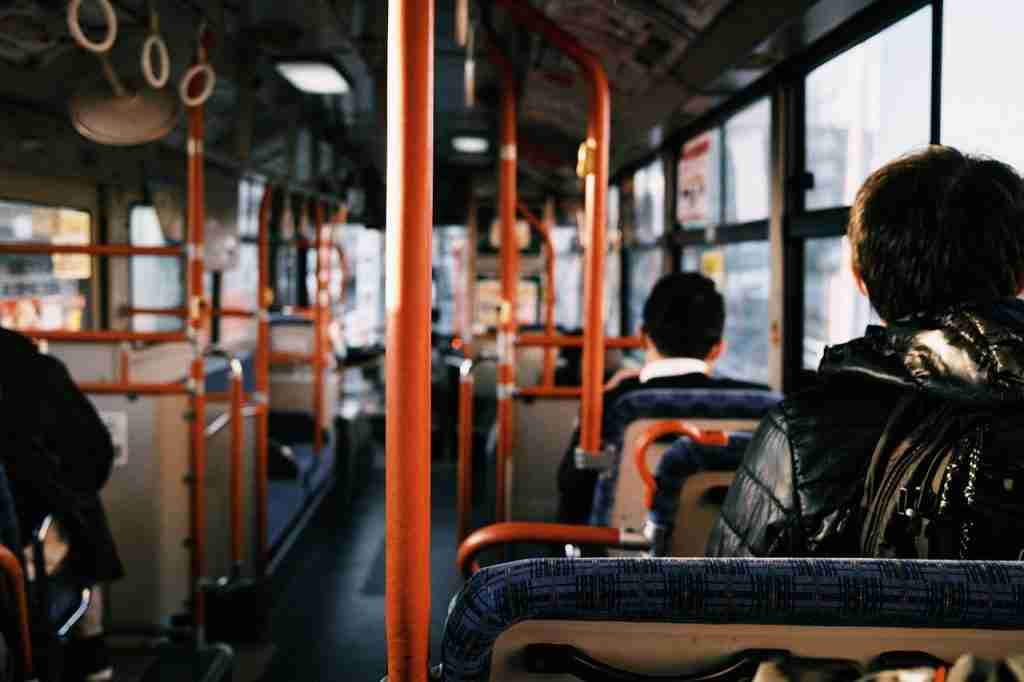
Armenia offers a variety of public transport options for both residents and visitors, making it relatively easy to explore the country’s rich cultural heritage and scenic landscapes. From city buses and the efficient metro system in Yerevan to long-distance trains and international flights, understanding the available transportation methods will help you make the most of your time in Armenia, ensuring a seamless and enjoyable travel experience.
Public Transportation
City Buses
In Yerevan, city buses serve as a primary mode of public transportation, covering extensive routes throughout the city center and connecting the suburbs. This comprehensive network offers an affordable way to get around, with fares set at 100 AMD (approximately $0.25 USD) per ride, and connects Yerevan to other cities and smaller towns across Armenia. Buses also connect major bus stations in Yerevan to smaller towns and cities across Armenia, making them a cost-effective choice for exploring beyond the capital.
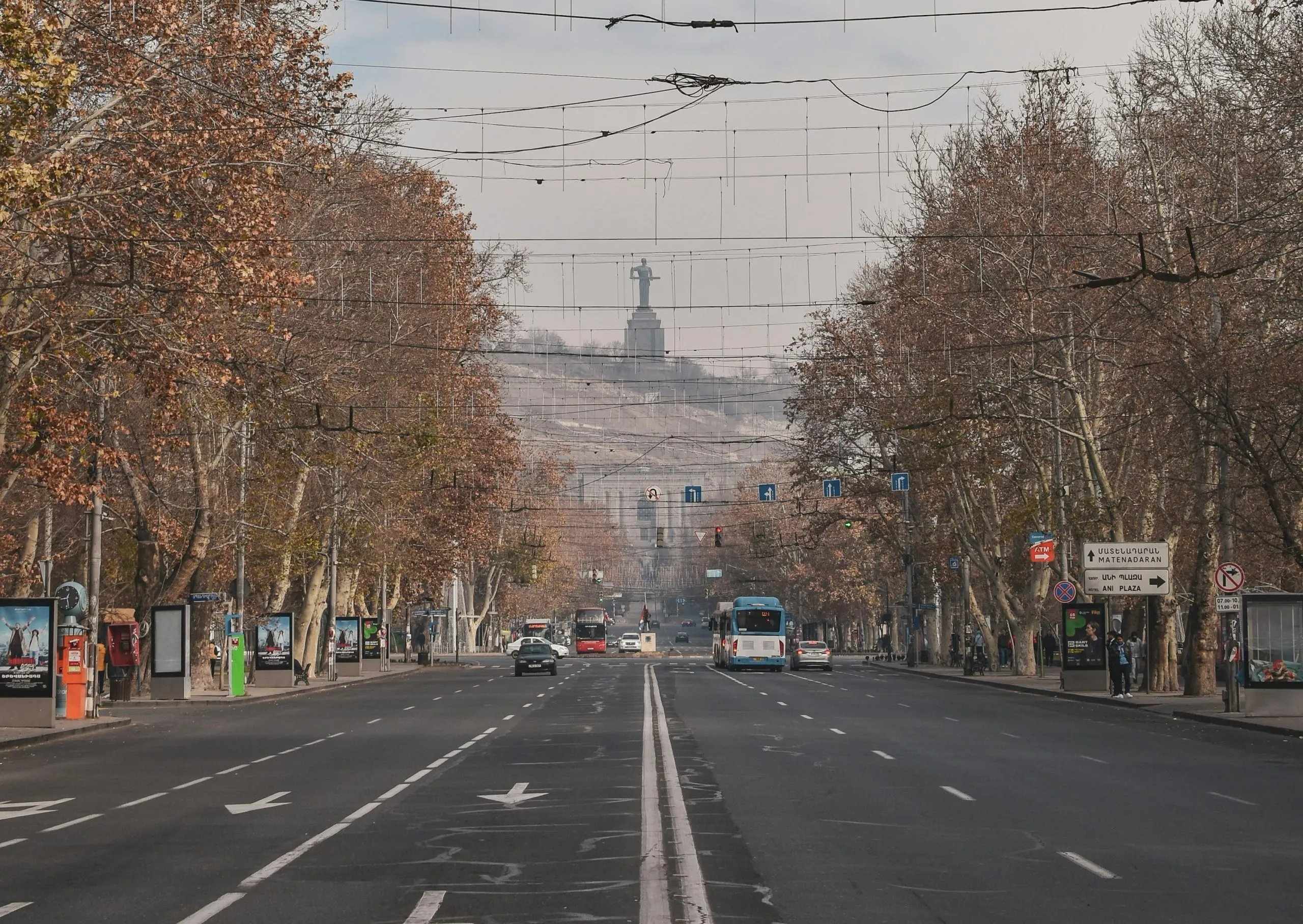
Passengers can conveniently pay the fare using the TelCell Wallet app via QR code, reducing the need for cash transactions and making it easier for both locals and tourists to travel. Additionally, apps like Yandex Maps are valuable tools for tracking arrival times, planning routes, and understanding the layout of bus stations around the city.
Trolleybuses
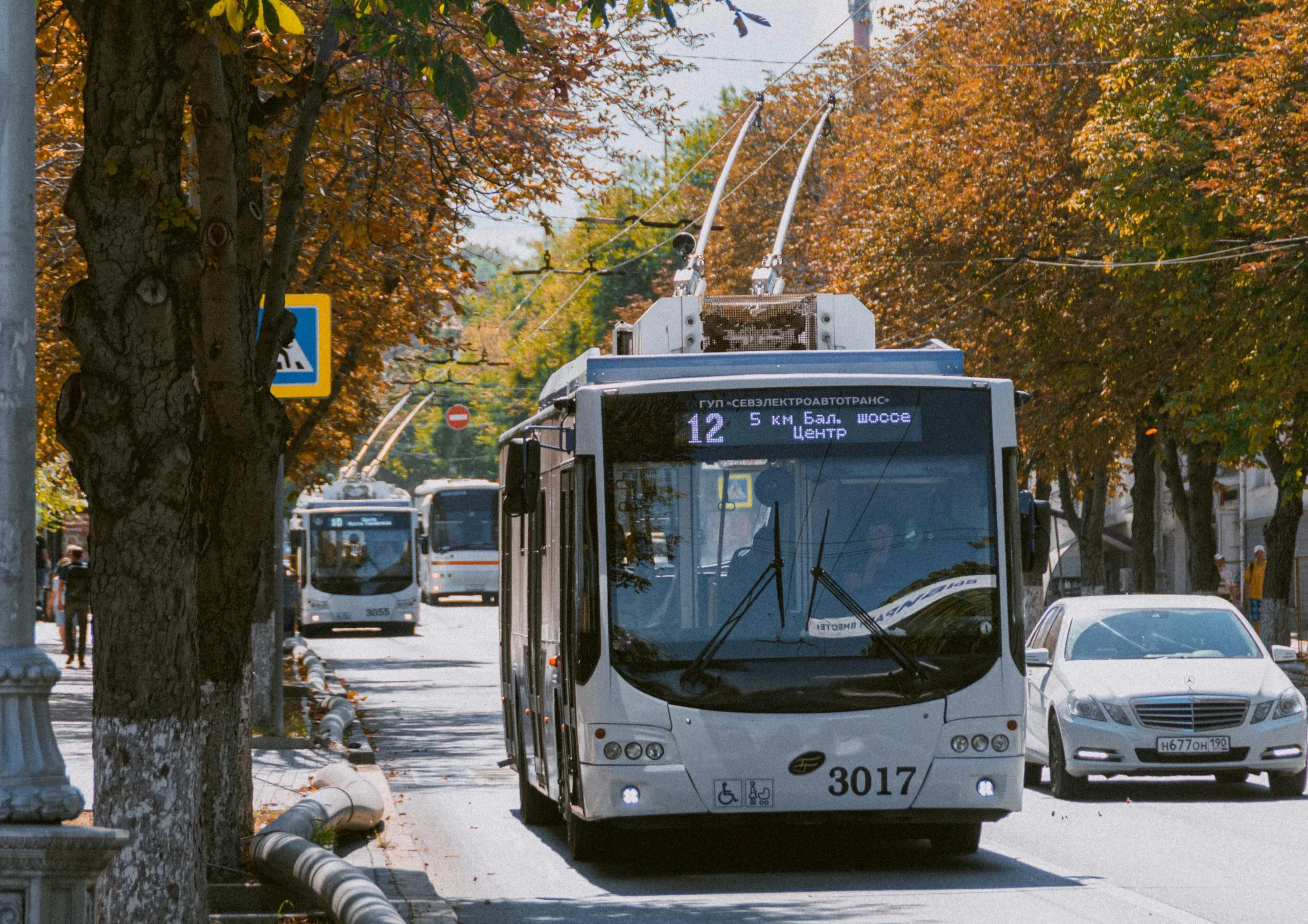
In addition to the bus system, Yerevan operates a network of eco-friendly trolleybuses, which are an affordable and sustainable way to get around the city center and surrounding neighborhoods. These trolleybuses, powered by electricity, contribute to Yerevan's push for greener public transportation. With a fare of just 50 AMD (around $0.13 USD), trolleybuses are one of the cheapest ways to travel, ideal for budget-conscious travelers.
Trolleybus routes are extensive and cover several neighborhoods, allowing easy access to shopping centers, cultural sites, and recreational areas. Many locals prefer trolleybuses because they are quieter than other options and reduce road congestion. It’s worth noting that not all stops on the routes are announced in English, so travelers might benefit from using a map or travel app to track their journey.
The Yerevan Metro System
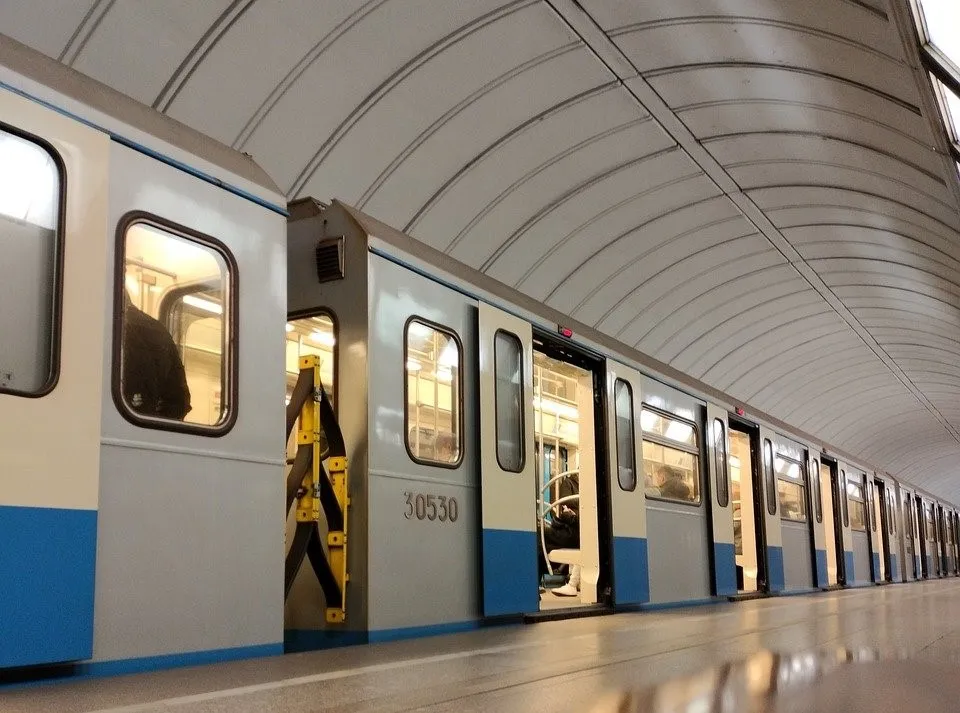
Yerevan boasts a clean, efficient, and safe metro system, often praised for its reliability and affordability. The metro has a single line with ten stations, which are strategically located to cover key areas across the city. Operating from early morning until late night, the Yerevan metro system provides a quick and dependable alternative to the bustling roads above, especially during rush hours.
For 100 AMD (about $0.25 USD), passengers can travel between destinations without the risk of traffic delays. The fare is payable using the TellCell Wallet app via QR code, making it convenient for users who prefer cashless transactions. Metro stations in Yerevan, such as the Republic Square station, are located near popular landmarks, including parks, shopping areas, and restaurants in the city center. Each station has its own unique design, with some even featuring Armenian art and architecture, providing a glimpse into local culture.
Taxis and Ridesharing Services
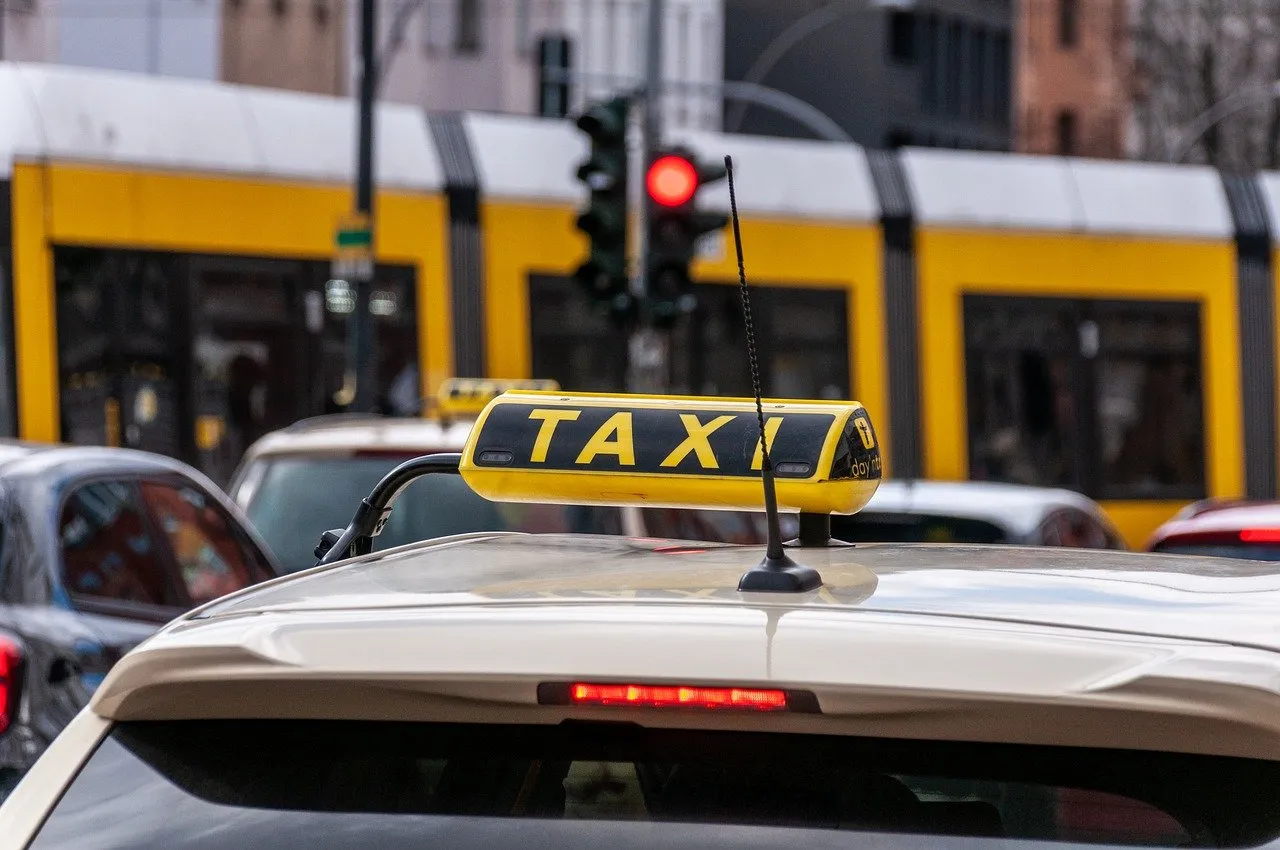
Taxis are readily available in Yerevan and other major cities. You can hail one on the street, book by phone, or use mobile apps like GG and Yandex. Ridesharing has become popular due to its convenience and affordability, especially compared to Western standards. In Yerevan, taxi fares start at around 600 AMD (approximately $1.50 USD) for short city trips, with additional charges based on distance and time. Yandex and GG apps offer price estimates and the option to pay with cash or card, giving passengers a transparent and flexible experience.
However, if you are outside Yerevan, especially in smaller towns or rural areas, you may find fewer taxis available, and ridesharing services may be limited. It’s advisable to agree on the fare in advance if you’re hailing a taxi without an app to ensure a fair price.
Intercity and Long-Distance Travel
For those looking to travel beyond Armenia, there are also connections to international destinations through various transportation options.
Armenian Railway System
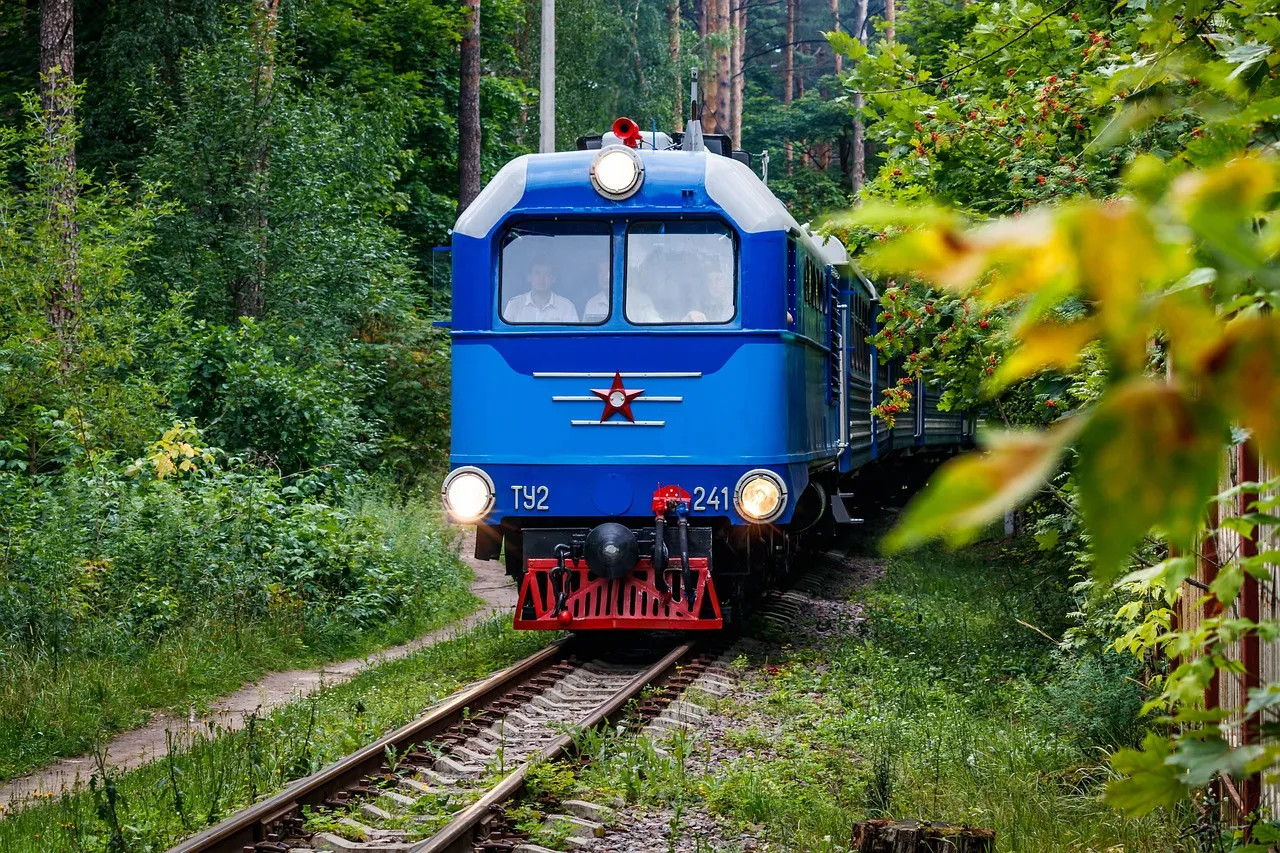
Armenia’s railway network provides an alternative for intercity travel, especially between major locations like Yerevan and Gyumri. Although limited in its coverage and speed compared to buses, the train offers a comfortable and scenic way to travel, with views of Armenia’s breathtaking landscapes, mountains, and valleys. The Yerevan-Gyumri route is the most popular, known for its affordable fares and relaxed pace, making it ideal for travelers who enjoy a scenic journey.
There is also an international train route connecting Yerevan to Tbilisi, Georgia, which is an appealing option for those planning to explore the Caucasus region. The train between Yerevan and Tbilisi runs a few times a week and can be a convenient choice for cross-border travel.
Bus Stations and Intercity Buses
For long-distance travel within Armenia, buses are among the most popular choices, especially for those traveling on a budget. Yerevan has several major bus stations where you can catch buses to destinations across the country. The most notable bus stations include:
Kilikia Bus Station
Serving routes to Vanadzor, Gyumri, and other northern cities.
Central Bus Station
Offering connections to Echmiadzin, Sevan, and various towns within the Ararat Valley.
Gai Bus Station
Primarily operating routes to southern regions, such as Kapan and Meghri.
Each bus station has scheduled departures, although exact times can vary, and it’s common for buses to leave once they are full. This flexibility is convenient for spontaneous trips, but for busy routes, it’s advisable to arrive early or book in advance if possible.
Private Buses and Marshrutkas
In addition to city buses, Armenia has an extensive network of private minibuses, known locally as "marshrutkas." These minibuses connect smaller towns and villages to the larger cities, offering an alternative for travelers who prefer road travel. Marshrutkas tend to be faster than traditional buses and make more frequent stops, allowing for a more flexible travel experience. However, they can also be more crowded, particularly during peak hours and holidays. Marshrutkas are an authentic and local way to travel, offering a glimpse into daily Armenian life.
International Travel Options
Zvartnots International Airport
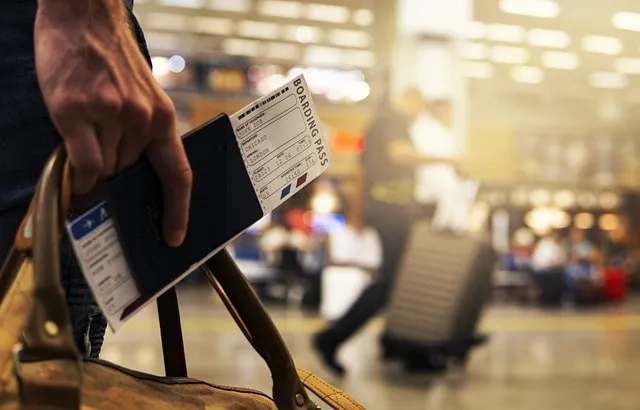
Armenia’s main international gateway, Zvartnots Airport, is located just 12 km from Yerevan’s city center and offers flights to multiple destinations worldwide. Zvartnots has seen a steady increase in passenger traffic in recent years, with major airlines like Aeroflot, Austrian Airlines, Qatar Airways, and Lufthansa operating routes to Moscow, Vienna, Doha, and Frankfurt. Zvartnots also offers domestic flights to small Armenian airports for those looking to avoid the road.
For travelers seeking affordable options, Wizz Air, a popular low-cost airline, provides flights from Yerevan to numerous European and Middle Eastern destinations. With flights to Vienna, Athens, Milan, Paris and Abu Dhabi, Wizz Air has opened Armenia to budget-friendly international travel, with ticket prices often starting at around 100 euros. Other airlines, such as FlyArna, also offer regional flights to neighboring countries, including Russia, Iran, and Georgia, allowing for easy regional exploration.
Alternative Transportation Options
While public transportation in Armenia is convenient and budget-friendly, there are several alternative options to consider for getting around. Renting a car is a great choice for those who want to explore the countryside or visit remote areas. However, be prepared for the challenges of driving in Armenia, especially in the busy streets of the capital city, Yerevan. Road conditions can vary, so a vehicle with higher clearance might be necessary for more rugged routes.
Travel Tips and Precautions
Traveling in Armenia is generally safe, but it’s always good to take some precautions. Be mindful of your surroundings, especially in crowded areas like bus stations and markets, where pickpocketing can occur. Keep your belongings secure and avoid displaying valuables.
Weather in Armenia can be unpredictable, especially in the mountainous regions. Pack accordingly and be prepared for sudden changes in temperature. To stay connected, consider purchasing a local SIM card or a portable Wi-Fi hotspot. This will help you access navigation apps, stay in touch with family and friends, and get real-time travel updates.
By following these tips and being prepared, you’ll be able to enjoy all that Armenia has to offer while ensuring a safe and pleasant trip.
If you are interested in learning more about Armenian immigration and corporate services, feel free to visit our website.

Astghik Pepanyan
Client Acquistion
Armenia transportation at a glance
- Unified fare (bus, metro, trolleybus): 150 AMD (~$0.38 USD) per ride
- Payment methods: Bank card tap, QR ticket, transport card, mobile app
- Taxi apps: GG and Yandex Go — cashless per-ride tax 4%, cash 5%
- Fleet renewal: 171 new buses, 60 trolleybuses, 250 electric buses planned
- Intercity rail: Yerevan–Tbilisi overnight train (~10 hours, ~$33–42 USD)
- Micro-mobility: YerevanRide bike-sharing and e-scooter platforms available
Getting around Armenia is straightforward once you know your options. Whether you are commuting in Yerevan, taking intercity buses to the regions, or connecting through Zvartnots Airport, this guide explains how local transportation works and what has changed as of 2026 so you can plan confidently.
Contents
Public transportation
Public transport is the easiest and most cost-effective way to get around Yerevan. Since February 2025, the city has operated a unified ticketing system across all modes — buses, trolleybuses, and the metro — with a single fare of 150 AMD (~$0.38 USD) per ride. The old 100 AMD bus fare and 50 AMD trolleybus fare have been permanently retired.
Buses and trolleybuses
Yerevan operates about 752 buses across roughly 64 routes, with 680–690 typically in service daily. The municipality also runs trolleybuses on key corridors — a quieter, electric option. The city has invested heavily in fleet renewal: 171 new 8.5-meter buses and 15 trolleybuses entered service in 2025, and 45 new Yutong trolleybuses (valued at AMD 4.3 billion / ~$10.9 million USD) are being delivered in 2026. An additional 250 electric buses are planned under an ADB-financed package worth AMD 98 billion (~$248 million USD).
The 2026 municipal budget allocates AMD 27.4 billion (~$69.4 million USD) in total operational subsidies across public transport: AMD 20.8 billion for buses, AMD 1.7 billion for electric transport (trolleybuses), and AMD 4.9 billion for the metro. This represents a substantial increase from the AMD 7.5 billion (~$19 million USD) allocated in 2024.
Metro
The Yerevan Metro is clean, reliable, and avoids surface traffic at peak times. Stations are located near major hubs and landmarks. Since January 1, 2026, the metro is fully digital — ticket offices at stations have been permanently closed, and all fares are paid through contactless bank cards, transport cards, QR tickets, or the mobile app. The fare is the same 150 AMD (~$0.38 USD) as buses and trolleybuses. An additional AMD 2.5 billion has been budgeted for metro modernization, plus AMD 2 billion for the construction of a new Ajapnyak station.
Paying fares: how the unified system works
The unified ticketing system, operational since February 2025, accepts multiple payment methods. A single ride costs 150 AMD (~$0.38 USD) across all modes, with a 180-minute multi-trip window — if you transfer between buses, trolleybuses, or the metro within 180 minutes, no additional fare is charged.
| Payment method | Where it works | Notes |
|---|---|---|
| Contactless bank card | Buses, metro, trolleybuses | Tap to pay, no commission |
| QR ticket | Buses, metro, trolleybuses | Via mobile app or Telcell terminals |
| Transport card | All modes citywide | Reloadable at Telcell or transport.yerevan.am |
| Mobile app | All modes citywide | Concession partner: Telcell |
If you plan to stay longer in Armenia, our overview of residence permits and practical tax considerations can help you prepare. Digital professionals may also want to explore the digital nomad visa.
Taxis and ridesharing services
Taxi apps such as GG and Yandex Go are widely used in Yerevan. They provide upfront pricing, card or cash payment options, and driver and vehicle details inside the app. Since 2024, Armenia has introduced tighter regulations for ride-hailing and online taxi platforms to improve service quality and fiscal transparency.
Current taxi regulations (as of 2026):
- Platform operators pay a 1,000,000 AMD (~$2,532 USD) state duty (license fee) to legally provide ride-hailing services.
- Per-ride tax for cashless payments: 4% (effective January 1, 2026). The rate increased from 1.5% in September 2024 to 2.5% in January 2025 to the current 4%.
- Per-ride tax for cash payments: 5% (effective January 1, 2026) — a 25% premium over cashless rates to encourage digital payment adoption.
- Mandatory e-receipts: all operators must interface with the State Revenue Committee’s electronic system and issue receipts for every ride. Fines for non-compliance: 500,000 AMD (~$1,266 USD) for operating without a license or failing to calculate the state duty; 200,000 AMD (~$506 USD) per ride without an e-receipt.
Rider checklist:
- Use a licensed app (GG or Yandex Go) and check the in-app fare estimate before confirming.
- Pay by card when possible — the per-ride tax is lower, and you get automatic e-receipts.
- If hailing off-app, agree on the fare before the ride and keep small cash for backup.
Planning to operate a transport business? See our guides to business registration in Armenia and key tax rules.
Intercity and long-distance travel
Intercity buses
Intercity buses and minibuses connect most regional towns and cities. Departure patterns vary by route and operator — some run on fixed timetables, while others depart when seats fill. For popular destinations like Gyumri, Vanadzor, Dilijan, and Sevan, services are frequent. For less-traveled routes, arrive early or ask locally about peak times. Yerevan has been gradually redesigning its urban routes (42 routes redesigned as of 2025) and phasing out marshrutkas in favor of larger, modern buses.
Rail
Armenia’s domestic rail network is limited but offers a comfortable alternative on certain routes, notably between Yerevan and Gyumri. Seats and schedules are more predictable than minibuses, and the journey offers scenic mountain views.
Yerevan–Tbilisi overnight train: A regular overnight service connects Yerevan and Tbilisi in roughly 10 hours. Train 372 (Yerevan → Tbilisi) departs at 21:30 on odd-numbered dates and arrives at 07:35 the next morning. Train 371 (Tbilisi → Yerevan) departs at 20:20 on even-numbered dates and arrives at 06:55. Fares range from approximately $33 USD for platzkart (open berth) to $42 USD for a modernized compartment. The service extends to Batumi seasonally in summer.
Kars–Gyumri corridor: In April 2026, Armenia and Turkey held a joint working group meeting to advance the rehabilitation of the Kars–Gyumri railway link. Armenian cargo is already moving via Turkish routes through the Georgia corridor as of May 2026, and Armenia is independently preparing the Akhurik checkpoint and rail junction for renovation. Passenger service along this route is anticipated within approximately one year of construction works beginning on the Armenian section.
International travel options
Yerevan’s Zvartnots International Airport is Armenia’s primary gateway, with connections across Europe, the Middle East, and the CIS. Low-cost and full-service carriers operate year-round and seasonally. For itinerary planning, consult airline sites or the airport’s official pages for current routes and frequencies.
Before you fly, confirm your entry requirements. Our resource on Armenia visas explains who needs a visa, e-visa options, and processing tips. Considering a longer stay? Review options for temporary or permanent residence and eventual citizenship.
Alternative transportation options
Car rental. Renting a car offers maximum flexibility for visiting monasteries, wineries, and national parks. Road conditions vary by region and season, especially in mountainous areas. In winter and early spring, check conditions frequently, carry chains when advised, and allow extra time.
Private drivers and tours. For day trips to Lake Sevan, Garni–Geghard, Dilijan, or Tatev, hiring a driver or booking a tour can be efficient and cost-effective, particularly for small groups.
Bike-sharing and e-scooters. YerevanRide operates a bike-sharing service in the city center with both classic and electric bikes. Pricing: AMD 25 start fee plus AMD 10 per minute for classic bikes; AMD 50 start fee plus AMD 35 per minute for e-bikes. A day plan costs AMD 1,000 (~$2.53 USD), and rides up to 45 minutes are included (AMD 300 / ~$0.76 USD per additional 15 minutes). Annual passes are available at approximately AMD 49,000 (~$124 USD). E-scooter platforms including Jet and Yandex Go’s integrated scooter rental also operate in Yerevan, with dynamic pricing.
Travel tips and precautions
- Payments: Tap your bank card on any bus, trolleybus, or metro terminal. No cash needed for public transport — the unified system is fully digital.
- Connectivity: Buy a local SIM for reliable data and use offline maps for rural areas.
- Safety: Public transport in Yerevan is widely used and generally safe. As in any city, keep valuables secure in busy stations and markets.
- Weather: Mountain weather changes fast — carry layers, water, and cold-weather gear in winter.
- Taxi receipts: Always keep your e-receipt from app-based rides — it is a regulatory requirement and useful for expense tracking or disputes.
Exploring options to relocate or invest? See our guides on Armenian real estate and special residency options.
Frequently asked questions
How much does public transport cost in Yerevan?
A single ride on any bus, trolleybus, or metro costs 150 AMD (~$0.38 USD). The unified system includes a 180-minute transfer window — if you switch between modes within that time, no additional fare is charged. The old 100 AMD bus fare and 50 AMD trolleybus fare were permanently retired when the unified system launched in February 2025.
How do I pay for buses and the metro in Yerevan?
You can pay by tapping a contactless bank card (no commission), scanning a QR ticket from the mobile app, using a reloadable transport card, or paying online through transport.yerevan.am or Telcell terminals. Cash is no longer accepted on public transport. The metro went fully digital on January 1, 2026, with all ticket offices at stations permanently closed.
What are the current taxi regulations in Armenia?
Online taxi platforms must pay a 1,000,000 AMD (~$2,532 USD) state duty, apply per-ride taxes of 4% for cashless and 5% for cash payments (effective January 1, 2026), and issue electronic receipts for every ride through the State Revenue Committee’s system. Fines for non-compliance reach 500,000 AMD (~$1,266 USD) for operating without proper licensing and 200,000 AMD (~$506 USD) per ride without an e-receipt.
Is there a train between Yerevan and Tbilisi?
Yes. An overnight train runs between Yerevan and Tbilisi in approximately 10 hours. Train 372 (Yerevan to Tbilisi) departs at 21:30 on odd-numbered dates; Train 371 (Tbilisi to Yerevan) departs at 20:20 on even-numbered dates. Fares start at about $33 USD for platzkart (open berth) and go up to approximately $42 USD for a modernized compartment. In summer, the service extends to Batumi.
Can I rent e-scooters or bikes in Yerevan?
Yes. YerevanRide offers bike-sharing in the city center with classic bikes (AMD 25 start + AMD 10/min) and e-bikes (AMD 50 start + AMD 35/min). Day plans cost AMD 1,000 (~$2.53 USD) with rides up to 45 minutes included. E-scooter platforms, including Jet and Yandex Go’s integrated scooter rental, also operate in the city with dynamic pricing.
Is public transport in Armenia safe?
Yes, public transport in Yerevan is widely used by locals and generally safe. Standard precautions apply: keep valuables secure in busy stations and markets, and stay aware of your surroundings. The modern fleet, digital ticketing, and regulated taxi services have improved the overall travel experience considerably in recent years.
Getting around Armenia is easier than ever. With a unified digital payment system, regulated ride-hailing, an expanding modern fleet, and improving intercity connections, you can focus on your trip rather than logistics. For tailored relocation or investment support alongside your travel planning, contact our team.
