

Introduction
Relocating abroad is increasingly appealing for individuals and families prioritizing a healthier, more sustainable lifestyle. Many expats seek residency in countries renowned for clean environments, robust healthcare systems, and high quality of life. This article compares some of the best countries for expat residency that offer clean air, safe water, green energy, abundant green spaces, organic food, effective waste management, as well as excellent healthcare and well-being. We also outline the visa pathways (work visas, investment programs, digital nomad visa, etc.) to residency and ultimately citizenship in these countries. Whether you’re looking for the greenest countries to live in or the healthiest places for expats, read on for data-driven insights and practical information. Affordable healthcare is also a significant factor that enhances the quality of life in various countries, making them attractive options for expats.

Environmental Quality Metrics Comparison
When evaluating a country’s environmental quality, key metrics include air purity, water cleanliness, sustainability efforts, green space, food quality, and waste management efficiency. The countries highlighted here consistently rank high on environmental performance and offer expats a breath of fresh air – literally.

Air Quality: The countries in our list boast some of the world’s cleanest air. For example, Finland and New Zealand have extremely low air pollution, with average PM2.5 particulate levels around just 3–5 µg/m³, well below WHO guidelines. Nordic nations like Finland, Sweden, and Norway top expat surveys for air purity – in Finland 95% of expats are satisfied with air quality, and Norway isn’t far behind with 93% satisfaction. These countries have minimal smog and excellent air indices year-round. Canada also ranks among the clean-air countries, with an average PM2.5 around 10 µg/m³ – dramatically cleaner than heavily populated nations. Clean air means fewer respiratory issues and a healthier day-to-day life for expat families.

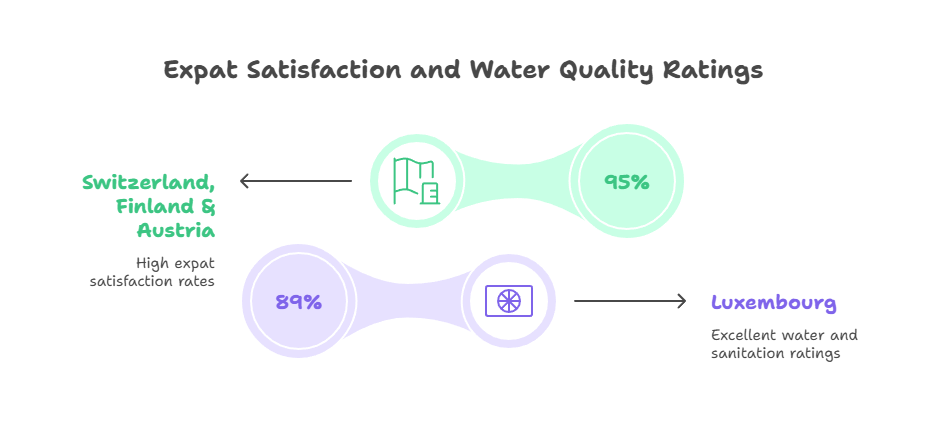
Water Quality & Sanitation: Access to clean drinking water and modern sanitation is virtually universal in the top green countries. Expats rate water quality in places like Finland, Switzerland, and Austria extremely high – e.g. 96% of expats in Finland praise the water and sanitation infrastructure. Switzerland similarly enjoys 95% positive ratings for water purity. In Luxembourg, expats noted the “quality of water and sanitation” is excellent (about 89% satisfied). In short, these nations have advanced water treatment and plumbing systems, so you can drink tap water with confidence. Clean water and effective waste water management protect public health and the environment.
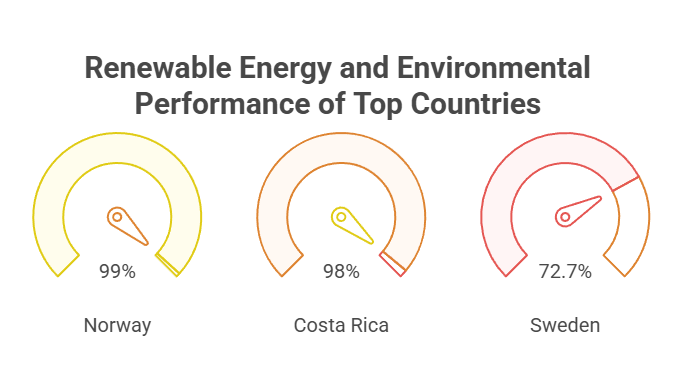
Sustainability & Green Energy: A strong commitment to sustainability is a hallmark of these countries. Many are at the forefront of renewable energy adoption and climate policies. For example, Norway gets about 98–99% of its electricity from renewable sources (mostly hydropower), and aims to drastically cut greenhouse emissions by 2050. Costa Rica is famous for running on 98% renewable electricity (primarily hydro and geothermal), proving that a modern grid can be clean. Sweden is a green innovation leader – it has an Environmental Performance Index (EPI) score of 72.7 and ~67% renewable power generation. Governments in these nations actively support environmental protection policies. In fact, 80–89% of expats in Finland, Sweden and Norway agree their host government prioritizes pro-environment policies. Choosing a country with green energy and climate-forward policies means your new home is actively working toward sustainability and low pollution, aligning with eco-conscious lifestyles.
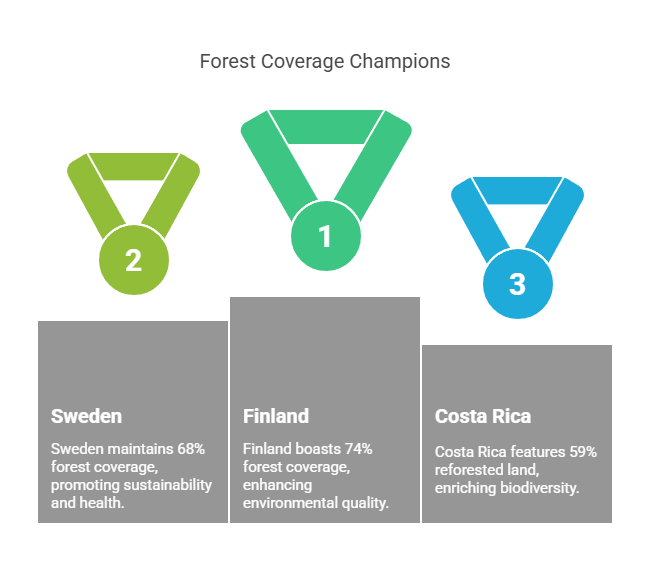
Green Spaces & Nature: Ample parks, forests, and green spaces contribute to cleaner air and a healthier lifestyle. These countries are blessed with natural beauty and they preserve it well. Finland and Sweden are blanketed by forests – roughly 74% of Finland’s land area is forested – offering countless opportunities for outdoor recreation like hiking and cycling. Costa Rica has reforested impressively; over 59% of its land is covered in forests, including protected rainforests teeming with biodiversity. Expats often highlight how easy it is to access unspoiled nature. In Switzerland, for example, a resident noted the “beautiful nature that is easy to access” with plentiful lakes and parks. Similarly, New Zealand is famed for its national parks, and Canada’s vast wilderness provides clean environments even near cities. Urban planning in places like Denmark and Germany also integrates green space – Copenhagen and Munich consistently rank as green, livable cities. Living amidst greenery not only improves air quality but also encourages an active lifestyle and reduces stress, boosting overall well-being.
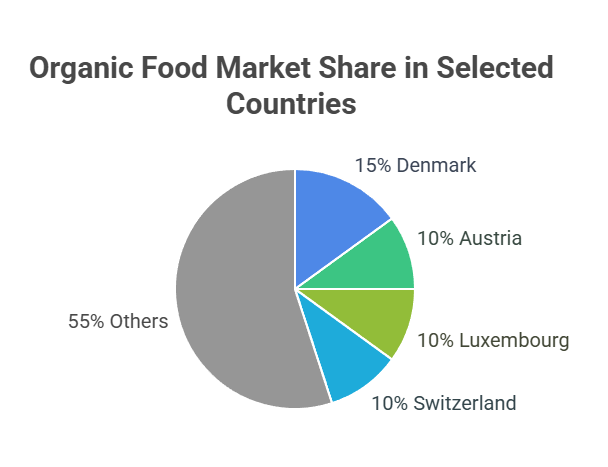
Organic Food & Agriculture: A clean environment extends to the food supply. Several of these countries lead the world in organic farming and farmers’ markets, meaning expats have ready access to organic, locally grown food. Denmark in particular is a trailblazer – over 15% of all food sales in Denmark are organic, the highest share globally. Other countries exceeding 10% organic market share include Austria, Luxembourg, and Switzerland. This reflects strong consumer demand and government support for organic agriculture. Even in countries where organic share is smaller, you’ll find widespread farmers’ markets and farm-to-table initiatives (for example, Finland and Germany have vibrant local food scenes). Eating organic, pesticide-free produce and hormone-free meats contributes to a healthier lifestyle for expats. As one South African expat in Denmark observed, “organic food and products are easily available” in daily life.
Waste Management & Recycling: Efficient waste management keeps the environment cleaner. Many of these countries have some of the highest recycling rates in the world. Germany, for instance, recycles roughly 67% of its municipal waste – the highest in Europe. Rigorous sorting of recyclables and innovative reuse programs are common there. Austria and Switzerland also recycle roughly half or more of their waste. Expats take note of this emphasis on recycling – 90% of expats in Austria and 83% in Switzerland are happy with local waste management efforts. Denmark too is praised for its recycling culture; 89% of expats in Denmark are satisfied with waste management. In these countries you’ll find convenient recycling bins, bottle deposit systems, and waste-to-energy plants that minimize landfill use. This means a cleaner community and the satisfaction of knowing your new home is serious about reducing waste and pollution.
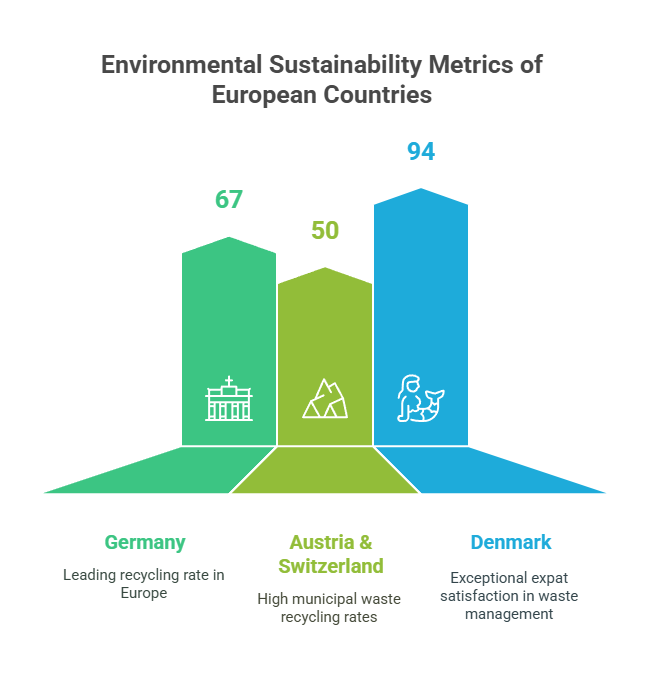
Overall, the countries in our comparison set a high bar for environmental quality. From crystal-clear air and water to strong climate action and green city design, they create an ideal setting for expats seeking a clean, eco-friendly place to live. The table below summarizes key environmental indicators for each country discussed:
Environmental Quality Indicators – Comparative Table
| Country | Air Quality (PM2.5 µg/m³) Lower = cleaner air | Forest Cover (% of land)<Green space | Renewable Energy (% of electricity)<Clean power | Waste Recycling Rate (%)Municipal waste |
|---|---|---|---|---|
| Finland | ~5 µg/m³ (among the cleanest) – Expats rate air 95% positive | ~74%(extensive forests) | ~45% of total energy from renewables (aiming 50% by 2030) | ~42% (high recycling, remainder often incinerated for energy) |
| Sweden | ~6–7 µg/m³ (very low) – Excellent air quality | ~68% (heavily forested) | ~67% renewable electricity (leader in wind, hydro) | ~50% (strong recycling programs; waste-to-energy used for rest) |
| Norway | ~7–8 µg/m³ (very low) – Clean air, little pollution | ~33% (vast wilderness; mountains) | ~98–99% renewable electricity(mostly hydro power) | ~42% (developed recycling; also high composting of organic waste) |
| Denmark | ~9–10 µg/m³ (low) – Clean air (94% expat satisfaction) | ~34% (lots of farmland, some forest) | ~75% renewable electricity (leading in wind power) | ~44% (ambitious recycling; also incinerates waste cleanly) |
| Switzerland | ~10–11 µg/m³ (low) – Fresh mountain air | ~31% (Alpine forests & meadows) | ~75% renewable electricity (hydro + solar; plus nuclear for rest) | ~50% (extensive recycling systems – glass, paper, etc.) |
| Austria | ~10 µg/m³ (low) – Alpine air, minimal smog | ~47% (Alpine forests) | ~80% renewable electricity (mostly hydro) | ~58% (one of Europe’s highest recycling rates) |
| Germany | ~11–12 µg/m³ (moderate in some cities, improving) | ~32% (significant forests & parks) | ~46% renewable electricity (rapidly increasing) | ~67% (#1 in world) (world-class recycling culture) |
| Canada | ~10 µg/m³ (low) – Generally very clean air | ~38% (massive forests nationwide) | ~65% renewable electricity (hydro in provinces; targeting more) | ~27% (recycling varies by province; improving gradually) |
| New Zealand | ~4 µg/m³ (extremely clean) – Pristine air | ~38% (extensive native forests) | ~84% renewable electricity (hydro, geothermal, wind) | ~35% (expanding recycling programs; low population density eases waste issues) |
| Costa Rica | ~7–8 µg/m³ (very low) – Tropical clean air | ~59% (rainforest and cloud forest) | ~98% renewable electricity (hydro & geothermal; nearly 100% green grid) | ~11% (recycling still developing, but improving with national programs) |
Healthcare, Health Insurance, and Well-Being

Environmental health goes hand-in-hand with human health. Beyond clean air and water, expats also seek countries with excellent healthcare systems, public health, and general well-being. The nations in our list are world leaders in healthcare quality, have robust wellness cultures, and score extremely high on well-being indices like the World Happiness Report.
Quality Healthcare Systems: The countries highlighted offer universal healthcare coverage and high-quality medical services, ensuring expats have peace of mind when it comes to health needs. The strength and quality of the healthcare system in these countries significantly contribute to the overall quality of life for residents and expats. According to a 2024 global index, Sweden, Canada, Norway, and Germany all rank among the top 10 countries for healthcare quality in the world. For example, Sweden’s healthcare is praised for its well-trained professionals and advanced hospitals, while Canada’s single-payer system provides broad access (with no-cost essential care). Most of these countries have a mix of public and private providers and are known for excellent outcomes in treating diseases. Preventative care is also emphasized – from widespread vaccinations to regular health screenings. An important factor for expats is that healthcare is accessible and affordable: in countries like Germany, Austria, or Finland you are typically required to have health insurance (often employers provide it), which gives access to comprehensive services. In others like Canada or New Zealand, residents benefit from government-funded healthcare for most needs.
Public Health Infrastructure: These nations invest heavily in public health. Clean drinking water and sanitation (as discussed) reduce disease. Additionally, food safety standards are high, and public spaces are generally very hygienic. You’ll find well-maintained parks, regular garbage collection, and low incidence of communicable diseases. Importantly, the healthcare infrastructure extends to emergency services – response times for ambulances are short and trauma care is top-notch in cities. Many of these countries also have high doctor-to-patient ratios and modern medical technology. For instance, Switzerland and Norway are known for cutting-edge medical facilities and high health expenditures per capita, which translates into better care for residents. Public health campaigns (on issues like smoking cessation, vaccinations, etc.) keep population health indicators strong.
Life Expectancy and Wellness: A tangible result of great environment and healthcare is longer life expectancy and higher life satisfaction. Life expectancy in these countries is among the highest globally – typically in the 81–83+ years range. For example, life expectancy at birth is about 82.9 years in Sweden and Norway, 83–84 years in Switzerland and similarly high in Canada, Austria, and New Zealand. This reflects not only good healthcare but also healthier lifestyles. Many of these societies encourage physical activity – cities are walkable and bike-friendly, and outdoor recreation is part of the culture (think of the Finnish love of sauna and swimming, or the Kiwi passion for hiking). Diet and nutrition are also relatively good; the availability of organic food as noted, plus generally balanced diets, contribute to better health. Mental health services and awareness are on the rise too, with countries like Finland and Canada integrating mental wellness into public healthcare. All these factors mean expats living in these countries can enjoy a healthy lifestyle and often report improvements in their own health and fitness.
Happiness and Well-Being Indicators: Well-being is about more than physical health – it includes happiness, work-life balance, and social support. Notably, the World Happiness Report consistently finds the top ranks filled by the Nordic countries (Finland, Denmark, Iceland, Sweden, Norway) as well as places like Switzerland, New Zealand, Canada, and Luxembourg. In 2024, for instance, Finland was rated the happiest country in the world for the sixth year running, with Denmark, Iceland, Sweden, and Norway all in the top seven. These rankings weigh factors like social support, trust in government, freedom, and low corruption – all areas where our highlighted countries excel. For expats, this translates to living in societies with low crime, political stability, gender equality, and strong community life. Austria and Australia (the latter just outside our core list) also score very high in happiness and quality of life. The balance between work and personal life is typically better in these nations than in many high-pressure economies. Europeans, for example, often enjoy generous paid vacations and reasonable work hours, giving more time for family, exercise, and leisure – key ingredients for mental well-being. Public spaces for exercise, extensive sports facilities, and a cultural emphasis on time in nature (like Norway’s “friluftsliv” or open-air life philosophy) further support a healthy lifestyle for expats.
Preventive Health and Wellness Culture: Another aspect is the strong fitness and wellness culture. In countries like Denmark and the Netherlands, cycling is a primary mode of transport – staying active is built into daily life. Finland and Sweden have high rates of gym usage and participation in sports clubs. You’ll also find wellness practices like yoga, meditation, and spa culture quite prevalent (think of thermal baths in Germany/Austria or yoga retreats in Costa Rica). Many employers in these countries incentivize wellness through subsidized gym memberships or midday exercise breaks. Additionally, air quality and green spaces we discussed contribute directly to better respiratory health and more opportunities for outdoor activities, which is reflected in lower rates of lifestyle diseases. The result is that expats often find it easy to maintain or improve their fitness and mental health after moving. It’s no coincidence that these countries not only have long life expectancies but also relatively high “healthy life expectancy” – meaning people remain vigorous and active into older age.
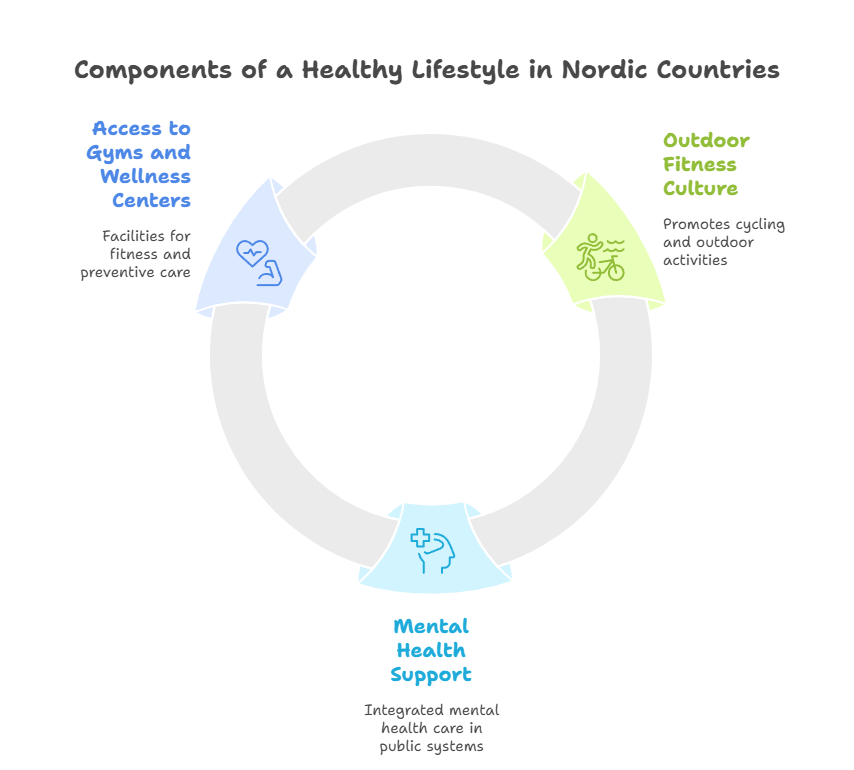
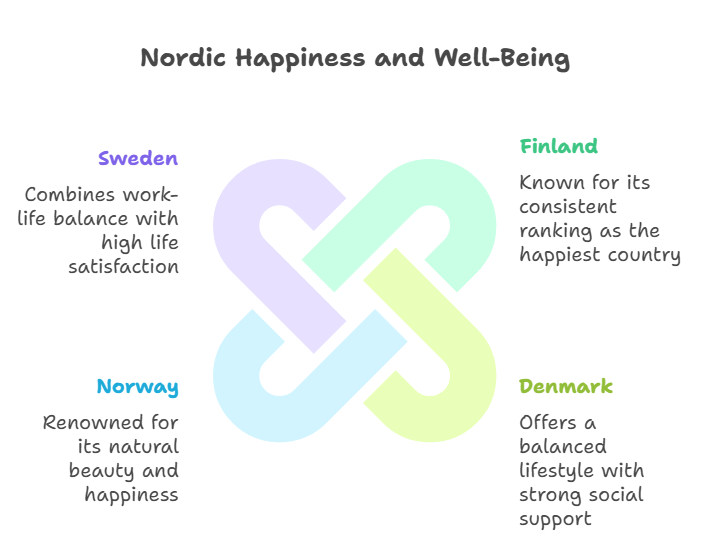
In summary, choosing an expat destination such as Finland, Canada, or New Zealand means gaining access to some of the best healthcare in the world, living among people who rank as the happiest and most satisfied globally, and benefiting from a social system that supports overall well-being. The combination of clean environment and strong healthcare forms a virtuous cycle: less pollution leads to better health outcomes, and effective healthcare further enhances quality of life.
Residency, Citizenship, and Golden Visa Program Pathways for Expats
Residency & Citizenship Pathways – Comparative Table

| Country | Skilled Work Visa | Investor/Golden Visa | Years to Permanent Residency | Years to Citizenship | Dual Citizenship |
|---|---|---|---|---|---|
| Finland | Yes – job offer required; EU Blue Card available. | No direct golden visa (startup/business visas available). | ~4 years (continuous residence) for Permanent Residence | 8 years (was 5) for citizenship(5 if married to a Finn) – language test required. | Yes (allows multiple citizenships) |
| Sweden | Yes – work permit for skilled workers (need a job & salary meeting threshold). | No formal investor visa (can obtain residence by starting a business and investing). | ~4 years on work permit to be eligible for permanent residence. | 5 years for citizenship (3 years if married to a Swede)no formal citizenship test (as of now). | Yes (dual allowed since 2001) |
| Norway | Yes – skilled worker visas; job offer and salary meeting criteria needed. | No official golden visa (entrepreneur visa possible for significant business investment). | 3 years for permanent residency (if holding work permits continuously) | ~7–8 years for citizenship(can be 6 years in certain cases; must pass Norwegian language and social studies tests). | Yes (as of 2020, Norway allows dual citizenship). |
| Denmark | Yes – Pay Limit Scheme (job with high salary) or Positive List (skills in shortage). | No golden visa (startup visas available under certain programs). | 8 years for permanent residence (can be 4 years if you meet strict requirements) | 9 years legal residence + 2 years PR = ~11 years for citizenshipmust pass Danish language and culture tests. | Yes (dual allowed since 2015). |
| Germany | Yes – EU Blue Card for university graduates (salary >€58,400 or €45,900 in shortage jobs), or regular work permit. | No direct golden visa, but entrepreneur visa if investing ~€250k+ in a new business. | 5 years for permanent residence (can be as short as 21–33 months with a Blue Card) | 8 years for citizenship (7 with integration course; 6 if exceptional integration)must pass German B1 and integration test. | Currently Limited – dual citizenship generally only allowed for EU/Swiss or if unable to renounce original, but reform to allow dual for all is in progress. |
| Austria | Yes – Red-White-Red Card (points-based for skilled workers, e.g. IT, engineers, with job offer or as self-employed key workers). | Yes – via significant investment: e.g. citizenship by investment (~€8M+ donation/investment) or Private Resident visa (financially independent with substantial income). | 5 years for permanent residence (if holding temporary residence and meeting integration/language requirements) | 10 years for citizenship (minimum)strict language (B1 German) and renunciation of prior citizenship usually required. | No (dual citizenship not allowed except special exemptions) |
| Switzerland | Yes – work permit (non-EU hiring is quota-based; specialized skills needed). | Yes – Golden Resident schemes: Lump-sum tax visa (negotiate annual tax ~CHF 200k+, or Investor visa (invest CHF 1M in a Swiss business) | 10 years for C Permit (permanent residence) in most cases (5 years for US/EU citizens in many cantons). | 10 years for citizenship (recent law) + meeting cantonal residency, language (B1 in a national language) and civic integration requirements. | Yes (allows dual citizenship). |
| Canada | Yes – numerous pathways (e.g. Express Entry for skilled workers, with PR granted upon approval; also work permits leading to PR via Provincial Nominee Programs). | Yes – Start-up Visa (innovators with funding) grants direct PR; provincial investor programs (entrepreneur streams) exist; Quebec Immigrant Investor (currently on hold). | 0 years if via direct PR (Express Entry) – you land as a permanent resident. Otherwise 1–3 years on work permit then PR. | 3 years of physical presence (as a PR within a 5-year span) for citizenship. Many obtain citizenship by year ~4–5 in Canada. Must pass a citizenship test (English/French required). | Yes (dual citizenship allowed freely). |
| New Zealand | Yes – Skilled Migrant Category (points system) and Essential Skills work visas; also Global Impact Visa for entrepreneurs. | Yes – Investor Visa (Active Investor Plus requires NZ$5 million+; previously Investor 1 and 2 categories), and Entrepreneur Work Visa for business startups. | Residents Visa after approval; 2 years after initial residence to get Permanent Resident Visa (requires meeting stay requirements). | 5 years of residency (240 days minimum per year) for citizenship. Must meet English requirement and basic knowledge test. | Yes (allows dual citizenship). |
| Costa Rica | Yes – work visas available but generally require employer sponsorship and are less common (many expats use investor/retiree routes instead). | Yes – Investor (Inversionista) Residency with $150,000 investmentPensionado (retiree) with $1,000/month pensionRentista (income of $2,500/month) | 3 years on temporary residency (e.g. investor, rentista, work) to be eligible for permanent residency | 7 years for citizenship(5 years if married to a Costa Rican). Must pass a Spanish language test and history exam. | Yes (dual citizenship is effectively allowed for naturalized citizens; no enforced renunciation). |
A beautiful, healthy country is only a true haven for expats if you can gain residency status and eventually put down roots. This section compares the immigration pathways – from work visas to “golden visas” – of our top countries, including how long it takes to obtain permanent residency (PR) and citizenship, and whether dual citizenship is permitted. The good news is that all these countries are open to foreign talent and investors, though the processes vary in ease and requirements:
Work Visas and Skilled Migration: Most expats move via employment visas or skilled worker programs. Countries like Canada and New Zealand have structured points-based systems that actively invite skilled immigrants. Canada’s Express Entry system, for example, lets qualified workers obtain permanent residency in as fast as six months after receiving an invitation, due to its efficient processing. This means a software engineer or healthcare professional could move to Canada and be a PR (green card equivalent) within a year of applying. New Zealand similarly offers a Skilled Migrant Category that scores applicants on factors like age, experience, and job offer; those meeting the points threshold can get a resident visa (typically leading to PR) relatively quickly. In Europe, the process often requires a job offer from a local employer first. Germany issues EU Blue Cards and work visas to those with in-demand skills – after 33 months (or 21 months with advanced language skills) on a Blue Card, you can get permanent residency in Germany. Sweden, Norway, Finland, and Denmark all have work permit schemes for skilled non-EU nationals, usually requiring a job contract and meeting a salary threshold. The timeline to permanent residence in these Nordic countries is around 4–5 years of continuous work residency (Norway is faster at 3 years for PR, Sweden typically 4 years, Finland 4 years) after which one can reside indefinitely. In Austria, the Red-White-Red Card program assigns points for education, work experience, and even German language; a qualified professional can get a 2-year residency that leads to a PR permit after 5 years. Each country has nuances – e.g. Denmark has a Positive List for occupations where foreigners are needed and a Pay Limit Scheme for high-income expats. Overall, for a skilled expat willing to work in sectors like IT, engineering, healthcare, or academia, all these countries offer a clear pathway to residency. English-speaking countries like Canada and New Zealand may be easier initially due to language, while European countries might require learning the local language for long-term settlement (and later citizenship tests).
Investment Programs (“Golden Visas”): For those who are entrepreneurs or have capital, investment visas can be a route to residency. Several of the countries offer so-called Golden Visas or investor residency permits:
Portugal (which nearly made our list for its clean environment and high quality of life) has been famous for its Golden Visa – a minimum €250,000–€500,000 investment (e.g. funds or business) could secure residency, with the option for permanent residence or citizenship after five years. (Portugal has recently updated this program, but it still exemplifies the concept of investment leading to quick residency).
Among our list, Austria technically allows citizenship by investment, but it’s very exclusive – usually requiring a direct investment of around €8 million or a significant business creation and an act of merit for the country. More common in Austria is a “financially independent person” visa, where you show substantial savings and income to live without work – quotas are small and German knowledge is needed, but it’s a path for retirees with means.
Switzerland offers an attractive but costly investor route: one option is the lump-sum taxation program, essentially a deal to pay a substantial annual tax (often EUR 207,000+ per year depending on canton) instead of normal income tax, which grants a residency permit. Another is the entrepreneurial investment route – invest at least EUR 1,000,000 in a Swiss business and create jobs. These Swiss “golden visas” are aimed at the very wealthy; they give temporary residency that can be renewed indefinitely, and after about 10 years one could pursue citizenship (Switzerland requires a longer integration period as we’ll note below).
Italy and Greece have popular golden visas too, but our focus is on countries with top environmental quality.
Costa Rica offers a refreshingly accessible investor program: an investment of $150,000 USD in a business or property qualifies you for the Inversionista visa. This threshold was lowered from $200k to $150k in 2023 to attract more foreign investors. The process is straightforward and allows one to include family members. After holding temporary resident status for 3 years, an investor can become a permanent resident in Costa Rica.
Canada and New Zealand have investment visa categories as well. Canada’s federal investor program is currently suspended, but provinces run entrepreneur visa programs (for example, investing in a business in Ontario or British Columbia can lead to a provincial nomination for PR). Canada also has the Start-up Visa for innovative entrepreneurs, which grants direct permanent residence to those with a funded startup idea. New Zealand recently introduced an Active Investor Plus visa – requiring NZ$5 million (approx. USD $3+ million) investment, with incentives if you invest in local startups. While costly, it’s a path to residency for high-net-worth individuals who want to base themselves in New Zealand’s clean, green environment.
Norway, Sweden, Finland, Denmark do not have classic “golden visa” programs for passive investment. However, they do allow business entrepreneur visas or self-employment visas. For instance, Sweden lets you move if you start a new business and have sufficient funds to invest and support yourself; Denmark has a Startup Denmark program for innovative entrepreneurs. These typically require a solid business plan rather than a set cash amount, and they grant temporary residency that can lead to PR if the business succeeds.
Family Reunification: All of these countries provide pathways for family reunification, which is crucial for expats who have family ties. If you have a spouse, parent, or child who is a citizen or permanent resident of one of these countries, you can often obtain a residence permit relatively easily to join them. For example, Germany and Canada both allow citizens to sponsor immediate family members for residency. Family visas generally bypass labor market tests, though some countries require proof of sufficient income to support the family. It’s also worth noting that marrying a citizen can expedite citizenship or residence in many cases: marrying an EU/EEA citizen allows you to live and work anywhere in the EU under freedom of movement, and in countries like Denmark or Finland, the residency requirement for citizenship is reduced if you are married to a local (Denmark reduces from 9 years to around 6–8 in some cases; Finland from 8 to 5 years). Costa Rica even allows immediate application for permanent residency if you marry a Costa Rican. Overall, families are welcomed – dependent spouses and children can typically be included in your work or investment visa, and once you have permanent residency, your close family members are usually eligible as well.
Permanent Residency (PR) Timelines: Gaining permanent resident status means you no longer need to renew temporary visas and you have the right to stay indefinitely (akin to a “green card”). The time to qualify for PR varies:
Canada stands out because many immigrants arrive as PRs (through economic programs). If you come on a work visa, you can often apply for PR in 1–2 years. Canada’s advantage is that PR is accessible relatively quickly, granting expats full settlement rights including healthcare and the ability to live anywhere in the country.
In the EU countries (Sweden, Germany, Austria, etc.), it generally takes about 5 years of continuous legal residence to be eligible for a long-term permanent residence permit (this is aligned with EU regulations). There are exceptions: Norway allows PR after 3 years of residence with work permits. Denmark is stricter – typically 8 years of legal residence are required for PR (though if you meet certain integration criteria, it can be 4 years). Denmark’s policy is one of the more stringent, requiring language skills and self-sufficiency for PR.
Sweden usually grants permanent residency after 4 years on work permits (recently, Sweden made PR slightly harder to get automatically; one must apply and meet conditions like having a stable income). Finland issues an initial residence permit (usually 1–4 years) and after a cumulative 4 years of continuous residence (with an A type permit), you can get a Permanent Residence Permit.
Austria and Germany: both around 5 years. In Austria, for instance, after 5 years on temporary residence (like the Red-White-Red card and subsequent extensions), you can get a “Daueraufenthalt” (long-term residence). Germany’s Niederlassungserlaubnis is attainable after 5 years of working (or even quicker for Blue Card holders as noted).
Switzerland is a special case: it typically grants a “C permit” (permanent residence) after 10 years of continuous stay (or as little as 5 years for citizens of certain countries like the US and Canada due to bilateral agreements). Swiss PR confers near-equal rights to citizens except voting.
New Zealand uses a different terminology: you first get a Resident Visa, and after 2 years of meeting residency conditions (e.g. spending enough time in NZ), you can get a Permanent Resident Visa, which has no expiry. So effectively 2 years to PR in New Zealand for most skilled or investor migrants.
Costa Rica requires 3 years in a temporary category (work, pensionado, etc.) to be eligible for permanent residency. This is relatively fast. Once you have Costa Rican permanent residency, the travel requirement drops to just visiting the country once a year to maintain status.
Citizenship & Naturalization: For expats aiming to fully integrate and even get a second passport, the timeframe and requirements for citizenship are key considerations. Here’s how the countries compare:
Fast-track examples: Canada is one of the quicker pathways to citizenship – after 3 years of physical presence in Canada as a permanent resident (within a 5-year window), you can apply for Canadian citizenship. Many expats become citizens around their 4th or 5th year in Canada. Canada also freely allows dual citizenship.
New Zealand allows citizenship after 5 years of residence (with a minimum days per year threshold). This is a straightforward path and NZ also permits dual citizenship.
Australia (while not on our core list, it’s similar to NZ/Canada in environment and has a 4-year residency, 1 year PR requirement for citizenship).
Most European countries require around 5 years of residency before you can naturalize, but often this is counted after obtaining permanent residency. For example, Portugal stands out with a relatively short requirement – just 5 years of legal residence (temporary or permanent) to qualify for citizenship, and you don’t need to forsake your original citizenship. This has made Portugal popular among expats (Portuguese naturalization also requires a basic A2 language exam in Portuguese).
Sweden requires 5 years of continuous residency for citizenship (and as of now, no formal language test, though that may change). Belgium and Ireland also are around 5 years in many cases. Finland until recently was 5 years, but as of 2024 Finland extended it to 8 years for standard naturalization (with 5 years still possible in special cases like marriage). Norway generally requires 8 years of residence (or 6 years in some scenarios). Denmark has one of the longest: typically 9 years of residency and you must have at least 2 years as a permanent resident before applying, effectively making it ~10-11 years total. So there is wide variation.
Germany currently requires 8 years of residency (which can be reduced to 7 with integration courses, or even 6 for special integration achievements). However, Germany is planning reforms to reduce this to 5 years in many cases and to allow dual citizenship more broadly – a significant change to note for the near future.
Austria is notably strict: 10 years of continuous residence is the standard for naturalization, and Austria is one of the few that generally does not allow dual citizenship. An Austrian passport is hard-earned – you’ll need to speak German well and usually renounce your previous citizenship (exceptions are rare).
Switzerland recently reduced its requirement to 10 years of residence (down from 12). Swiss citizenship also demands living in the same canton/community for a few years, passing language (usually B1 level in a national language) and civics tests, and local approval – it’s a more involved process reflecting Switzerland’s direct-democracy traditions. But Switzerland does allow dual citizenship, as do the other European countries mentioned (Denmark, Norway, Sweden, Finland all permit dual citizenship now, after reforms in the last two decades).
Costa Rica allows one to apply for citizenship after 7 years of legal residency (5 years if married to a Tico/a). Interestingly, while Costa Rican law technically prefers single citizenship, in practice dual citizenship is allowed for naturalized citizens – they are not forced to renounce their original citizenship. Applicants must demonstrate basic Spanish proficiency and knowledge of Costa Rican history, which is a common type of requirement.
Dual Citizenship Policies: For many expats, keeping their original citizenship is important. Most of the countries in our list allow dual citizenship, meaning you can become a citizen without giving up your first passport. For instance, Canada, New Zealand, Finland, Sweden, Denmark, Norway, and Costa Rica all permit dual nationality. Germany is moving towards fully allowing dual citizenship (previously it was restricted, except for EU citizens or those who couldn’t renounce original nationality). Switzerland and Luxembourg also have no issue with dual citizenship. The notable exception is Austria, which, as mentioned, generally does not allow dual citizenship except in special circumstances (like birth to parents of different nationalities, or if granted honorary citizenship). If obtaining an Austrian passport, one typically must renounce the previous one. Expats should always verify the current laws, as policies can change (for example, Denmark only started allowing dual citizenship in 2015, and Norway in 2020).
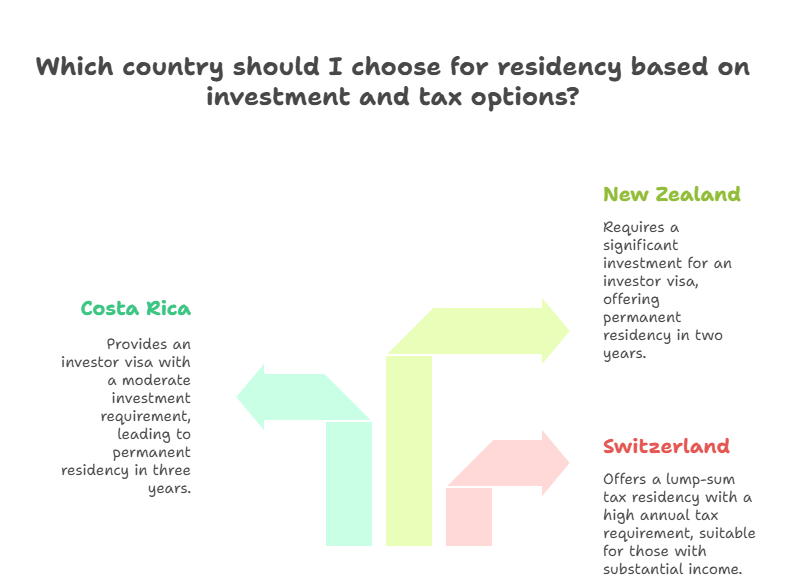
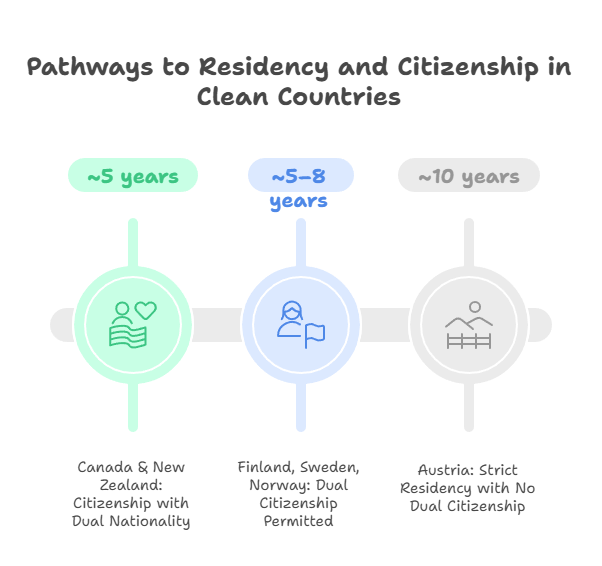
As seen above, expats have multiple pathways to make these healthy, green countries their long-term home. For skilled professionals, employment visas are the ticket – and many countries are actively seeking talent in IT, healthcare, engineering, and sciences. For entrepreneurs and investors, options like Switzerland’s lump-sum tax deal or Costa Rica’s investor visa offer a chance to reside in exchange for economic contribution. Retirees aren’t left out either: the Costa Rica Pensionado visa requiring just $1,000/month income is one of the most attainable retiree residencies in the world, and countries like Canada, New Zealand, and Spain also have retirement visa options or welcome retirees under certain programs.
Importantly, after fulfilling residency requirements, expats can usually naturalize as citizens, gaining the right to vote and a passport from a country known for its stability and freedom. With a second citizenship, you and your family have added security and global mobility. All the countries discussed (except Austria) impose either minimal or no restrictions on dual citizenship, meaning you can hold two passports and enjoy the benefits of both. For example, an American who becomes a Finnish citizen can keep their U.S. passport – Finland explicitly permits dual nationality. Similarly, a person from India (which doesn’t allow dual citizenship) who naturalizes in Canada could benefit from Canada’s dual-friendly policy, though they might lose their Indian citizenship – so always consider both your origin and destination country rules.
Conclusion

Relocating to a new country is a life-changing decision – choosing the right destination can vastly improve your health, happiness, and future opportunities. The countries compared in this article exemplify the best country choices for expats who value clean air, pure water, sustainable living, and top-tier healthcare. From the Nordic utopias of Finland and Sweden, to the alpine serenity of Switzerland and Austria, to the New World comforts of Canada and New Zealand, and the eco-paradise of Costa Rica, each country offers a unique mix of environmental quality and livability.
Crucially, they also provide viable residency pathways – whether through employment, investment, or family ties – allowing you to not just live there temporarily but truly settle and integrate. Many expats have successfully obtained residency and even citizenship in these nations, attracted by policies that favor skilled migrants and investors and by the welcoming, safe atmosphere. Expat communities in cities like Prague and Barcelona play a significant role in easing the transition for newcomers, helping them acclimate and build networks in their new environments.

For those seeking an expat life focused on health and sustainability, these countries stand out as ideal choices. Certain countries, like Malta and Paraguay, offer tax advantages by not taxing foreign income, attracting wealthy individuals and retirees who wish to retain their overseas earnings while enjoying residence in these nations. You could be cycling to work in Copenhagen, enjoying fresh organic produce in Vienna, breathing mountain air in Vancouver, or taking a weekend hike in a Finnish forest, all while knowing that you have a secure status in the country and access to world-class healthcare if needed. The data and comparisons provided here should help you make an informed choice and navigate the journey to your new, greener home.
In summary, the best countries for expats to gain residency in a cleaner and healthier environment tend to be in Northern and Western Europe, North America, and Oceania, joined by a few progressive Latin American examples. They combine stringent environmental protections with high quality of life and accessible immigration routes. By aligning your relocation plans with these factors, you’ll be well on your way to a life that is not only more prosperous, but also healthier and more fulfilling for you and your family – truly embodying the dream of living in a clean, green, and happy country abroad.
