
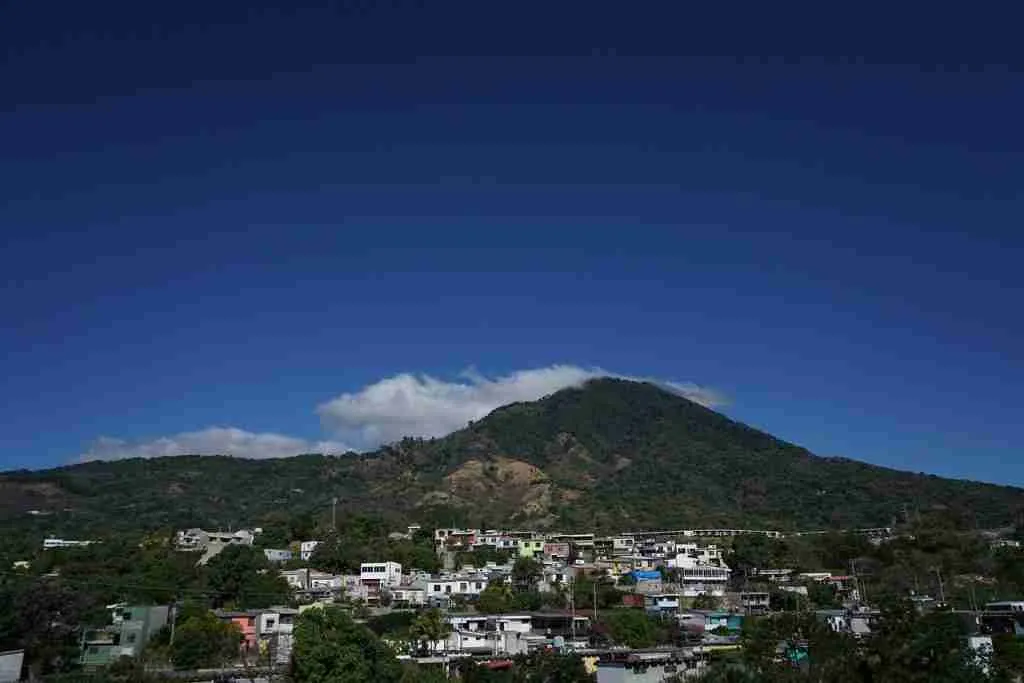
El Salvador stands out among Central American countries due to several key factors. First, its adoption of the US dollar as legal tender provides economic stability and eliminates the need for currency exchange for those earning in USD. Second, the country has made remarkable progress in improving safety and security, with a significant reduction in homicide rates in recent years. Finally, El Salvador has embraced a cryptocurrency-friendly environment, becoming the first country to adopt Bitcoin as legal tender. This forward-thinking approach has attracted international attention and investment, creating new opportunities in the technology and finance sectors.
Residency in El Salvador
El Salvador offers several residency options for foreigners, each with its own set of requirements and benefits. Here are three of the most common paths to residency:
Rentista Visa
The Rentista visa is designed for individuals with a stable foreign income source who wish to reside in El Salvador without engaging in local employment. To qualify, you must demonstrate a monthly income of at least four times the minimum wage in the commerce and services sector. This income can be derived from various sources, such as rental income, investments, or pensions from another country. The Rentista visa allows you to bring your spouse, children, and parents as dependents.
Required Documentation:
- Proof of income (certified and apostilled)
- Letter of application for registration
- Taxpayer ID (NIT)
- Criminal background check from your home country (apostilled)
- Original passport and photographs
- Birth certificate (apostilled)
- Marriage certificate, if applicable (apostilled)
- Affidavit confirming financial support for family members
Pensionado Visa
The Pensionado visa, also known as the Pensioner visa, is tailored for retirees who receive a guaranteed monthly pension of at least $1,100 USD from a public or private source. Like the Rentista visa, it allows you to include your spouse, children, and parents in your application.
Required Documentation:
- Proof of pension income (certified and apostilled)
- Letter of application for registration
- Taxpayer ID (NIT)
- Criminal background check from your home country (apostilled)
- Original passport and photographs
- Birth certificate (apostilled)
- Marriage certificate, if applicable (apostilled)
- Affidavit confirming financial support for family members
Residency Through Company Formation
For those who don't have passive income from investments or pensions, El Salvador offers a residency option for entrepreneurs. This involves establishing a local corporation and employing yourself. The corporation then applies for a work permit on your behalf. You will need to pay yourself at least the minimum wage and fulfill tax obligations.
General Requirements for Residency
Regardless of the specific visa you pursue, certain general requirements apply to all residency applications:
- Passport: Your passport must have at least six months of validity remaining.
- Visa Application Form: You'll need to complete and sign the official visa application form, which can be processed online or by mail if there is no embassy in your country.
- Financial Stability: You must provide evidence of sufficient funds to support yourself during your stay in El Salvador. This can be demonstrated through bank statements or other financial documents.
- Criminal Record Check: You'll need to provide a clean criminal record check from your home country, and potentially from El Salvador if you've spent a significant amount of time there.
- Medical Insurance: You'll need to have a valid medical insurance plan that covers your stay in El Salvador.
- Apostille: Any documents you submit, such as birth certificates, marriage certificates, or police records, must be apostilled in your home country. An apostille is a certification that authenticates the origin of a public document, allowing it to be recognized in another country that is a party to the Hague Apostille Convention.
- Medical Report: You must provide a medical report from a Salvadoran physician stating that you do not have a contagious disease.
- Document Validity: All documents submitted for residency must be issued within the last 60 days.
Application Process
The residency application process typically involves the following steps:
- Schedule an appointment: Contact the nearest Embassy of El Salvador or apply online or by mail if there is no embassy in your country.
- Submit your application: Complete the application form and gather all the required documents.
- Wait for approval: The processing time can take up to two months.
Permanent Residency

Temporary residency permits are typically valid for 1 or 2 years and can be renewed indefinitely . Once you have maintained your temporary residency status for three years, you can apply to convert it into permanent residency. Permanent residency grants greater rights, including indefinite stay in El Salvador and, in many cases, the ability to work without restrictions in the country.
Citizenship in El Salvador
After fulfilling certain residency requirements, you can apply for citizenship in El Salvador. Here are the main paths to citizenship:
Naturalization
To become a citizen of El Salvador through naturalization, you must meet the following requirements:
- Residency: You must have lived in El Salvador for a specific period on a valid residency permit:
- Citizens of Spanish-speaking countries: 1 year with permanent residency.
- Foreigners of other nationalities: 5 years in total, combining temporary and permanent residencies.
- Spouses of Salvadorans: 2 years of residency.
- Age: You must be at least 18 years old.
- Language: You must be able to speak Spanish.
- Criminal Record: You must have a clean criminal record.
- Loyalty Oath: You must declare your intention to be a Salvadoran citizen and swear an oath of loyalty to El Salvador.
Citizenship by Investment
El Salvador recently introduced a new citizenship by investment program called the "Freedom Passport". This program offers a fast-track path to citizenship for individuals who make a substantial investment in the country. The program is limited to 1,000 participants per year and aims to attract investors and prominent individuals, especially from the technology and cryptocurrency sectors.
Investment Options:
- Donation: A one-time donation of US$1 million in USD or Bitcoin to the national treasury. This donation is non-refundable, and there is an initial application fee of US$999.
- Real Estate: El Salvador plans to introduce a real estate investment option for residency in the future.
Benefits of the Freedom Passport:
- Fast Processing Time: Citizenship can be obtained in approximately 4-6 weeks. The average processing time for applications is six weeks .
- No Physical Presence Requirement: You are not required to reside in El Salvador to maintain your citizenship.
- Visa-Free Travel: A Salvadoran passport provides visa-free access to approximately 140 countries.
- Family Inclusion: The program allows you to include your spouse and children under 18 in your application for a fee of US$999 per family member.
Considerations for the Freedom Passport:
While the Freedom Passport offers a valuable path to citizenship with numerous benefits, it's essential to consider the high cost and limited availability of the program.
Citizenship by Descent
If you have a parent who is a Salvadoran citizen, you may be eligible for citizenship by descent . You will need to provide documentation to prove your relationship to your Salvadoran parent, such as a birth certificate.
Citizenship Test
Applicants for citizenship may be required to take a citizenship test to assess their knowledge of El Salvador and its history, as well as their ability to speak and write in Spanish.
Dual Citizenship
El Salvador allows dual citizenship. This means you can hold Salvadoran citizenship while retaining your citizenship in another country.
Losing Citizenship
It's important to note that Salvadoran nationality can be lost under certain circumstances. For those who acquired citizenship through naturalization, this can occur due to residing for more than two consecutive years in your country of origin, absence from El Salvador for more than five consecutive years without authorization, or by an enforceable sentence in cases determined by law.
Cost of Living in El Salvador
One of the main attractions of El Salvador is its low cost of living. While expenses can vary depending on your lifestyle and location, here's a general overview of common costs:
Expense Category | Estimated Cost (USD) |
|---|---|
Restaurants | |
Meal, Inexpensive Restaurant | $2.50 - $15.00 |
Meal for 2, Mid-range Restaurant | $25.00 - $60.00 |
Markets | |
Milk (regular, 1 gallon) | $5.30 - $13.25 |
Loaf of Fresh White Bread (1 lb) | $0.91 - $2.72 |
Rice (white, 1 lb) | $0.27 - $1.00 |
Eggs (regular, 12) | $1.80 - $3.84 |
Chicken Fillets (1 lb) | $1.02 - $3.00 |
Beef Round (1 lb) | $2.72 - $6.00 |
Apples (1 lb) | $0.81 - $1.92 |
Transportation | |
One-way Ticket (Local Transport) | $0.35 - $1.00 |
Monthly Pass (Regular Price) | $10.50 - $35.00 |
Taxi Start (Normal Tariff) | $3.00 - $7.00 |
Utilities (Monthly) | |
Basic (Electricity, Heating, Cooling, Water, Garbage) for 915 sq ft Apartment | $45.33 - $120.00 |
Internet (60 Mbps or More, Unlimited Data, Cable/ADSL) | $35.00 - $56.00 |
Rent Per Month | |
Apartment (1 bedroom) in City Centre | $520.00 - $900.00 |
Apartment (1 bedroom) Outside of Centre | $350.00 - $900.00 |
Apartment (3 bedrooms) in City Centre | $500.00 - $1,200.00 |
Apartment (3 bedrooms) Outside of Centre | $500.00 - $1,000.00 |
It's worth noting that appliances and electronics can be relatively expensive in El Salvador compared to the US.
Benefits of Living in El Salvador
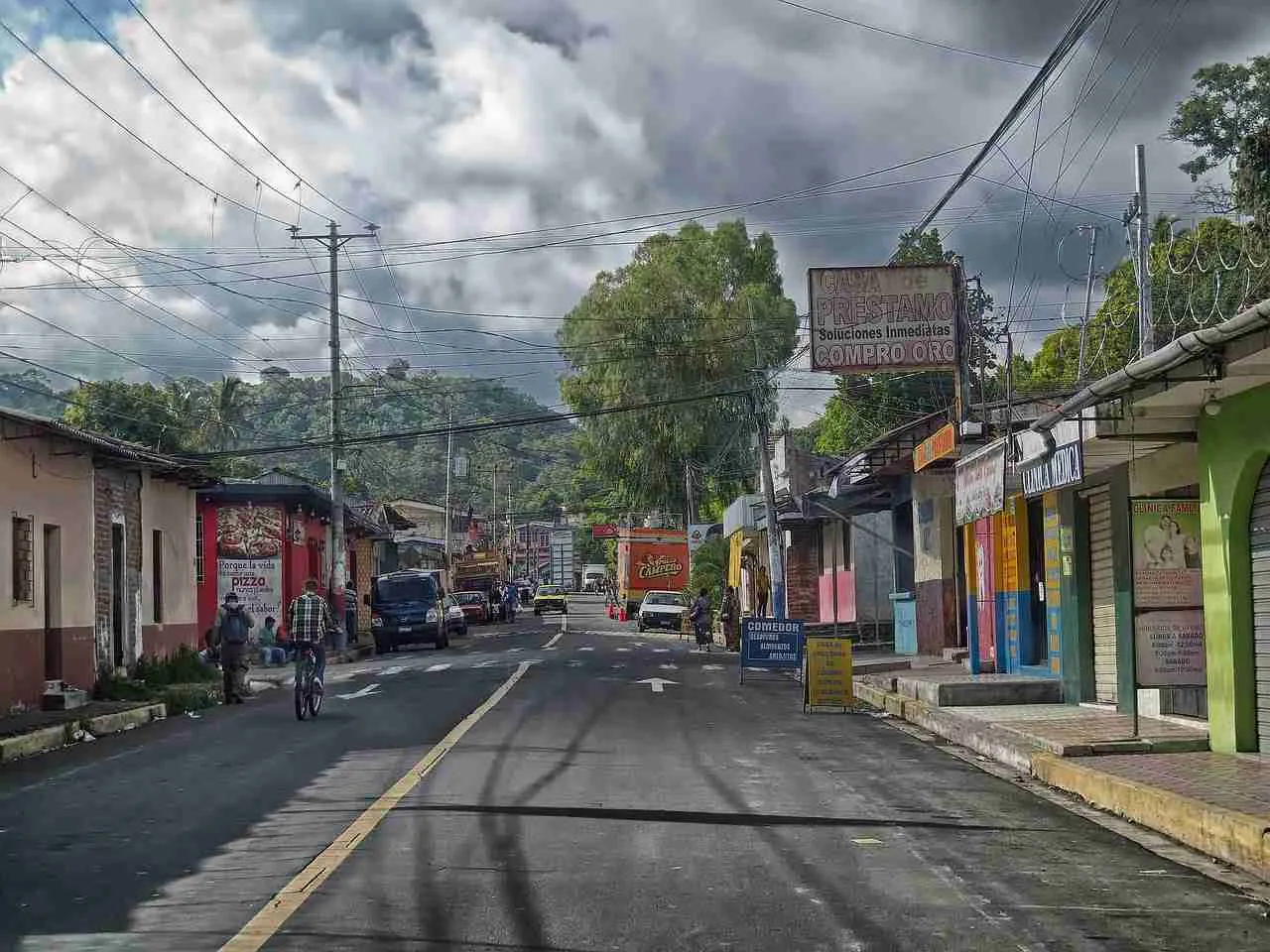
In addition to the low cost of living, El Salvador offers a variety of benefits for expats:
- Tropical Climate: Enjoy warm weather year-round with beautiful beaches and lush landscapes.
- Rich Culture: Immerse yourself in the vibrant Salvadoran culture with its festivals, music, and traditions. Respecting local customs and traditions is crucial for a positive experience.
- Improving Infrastructure: El Salvador has been investing in infrastructure development, including roads, airports, and internet connectivity.
- Growing Expat Community: Connect with a welcoming and supportive expat community.
- Safety: El Salvador has made significant strides in improving safety and security in recent years. President Bukele's security measures have led to a dramatic decrease in homicide rates, making it one of the safest countries in the region.
- Tax Benefits: El Salvador has a territorial tax system, meaning that foreign-sourced income is not subject to local taxes. This can be a significant advantage for expats who continue to earn income from abroad.
Potential Challenges of Living in El Salvador
While El Salvador offers many advantages, it's essential to be aware of potential challenges:
- Language Barrier: While many people in urban areas speak some English, Spanish is the official language. Learning Spanish will greatly enhance your experience and integration.
- Infrastructure Limitations: While infrastructure is improving, some areas may have limited access to reliable public transportation or healthcare facilities.
- Potential for Natural Disasters: El Salvador is prone to earthquakes and volcanic activity. It's important to be prepared for such events.
- Social and Economic Inequality: El Salvador faces challenges with poverty and inequality, which can be visible in certain areas.
- Water Shortages: In some areas, water shortages can occur.
- Job Market: The job market can be challenging for both Salvadorans and expats, with low wages and a scarcity of jobs in certain sectors.
Testimonials from Expats
Many expats have shared their positive experiences of living in El Salvador. One expat, who moved his company to El Salvador, described the country as having a "different spirit" and a youthful energy that he found inspiring. He also highlighted the stunning natural beauty, recounting his experience in the village of Ataco with its breathtaking views and vibrant markets. Another expat emphasized the affordability, stating that "streetside pupusas oozing hot cheese or crisp cold bottles of beer set you back mere pennies". This sentiment is echoed by many expats who appreciate the low cost of living and the ability to enjoy a comfortable lifestyle on a smaller budget.
Conclusion
El Salvador presents a compelling opportunity for those seeking a low-cost lifestyle in a beautiful and culturally rich environment. With its various residency and citizenship options, affordable living expenses, and numerous benefits, El Salvador is an attractive destination for individuals and families looking to relocate to Central America. While it's crucial to be aware of the potential challenges, the country's recent progress in safety, economic development, and its welcoming attitude towards foreigners make it a promising choice for those seeking a change of pace and a more affordable way of life. If you're intrigued by the prospect of living in El Salvador, take the next step by researching the specific visa options that align with your circumstances and consulting with an immigration lawyer to guide you through the process.

Lusine Sargsyan
Attorney
At a glance
- El Salvador overhauled its immigration system in late 2024 with a unified Migration and Foreigners Law that replaces prior rules and centralizes residency and citizenship pathways.
- A fast-track to permanent residency for foreign investors or donors in government-approved programs took effect in May 2025 under Art. 152, numeral 13.
- Decreto 531, enacted March 31, 2026, reduced the minimum physical presence requirement from nine months to 90 calendar days per year.
- From March 2024, foreign-source passive income (dividends, interest, capital gains) is exempt from Salvadoran income tax.
- A Digital Nomad Visa allows remote workers to stay up to two years with a $1,460/month income threshold and income tax exemption.
- Standard residency pathways include rentista ($1,500/month passive income) and pensionado ($1,100/month pension) categories.
Last updated May 21, 2026
El Salvador has positioned itself as a destination for globally mobile investors, remote workers, and top talent. If you are exploring residency and citizenship in El Salvador, the 2024–26 reforms—combining immigration simplification, investor fast-tracks, a digital nomad visa, and tax exemptions—are significant. Below is the evidence-led guide to what changed, who qualifies, and how to position your application.
Why consider El Salvador now
Several policy shifts make El Salvador newly competitive for expats and international founders:
Tax relief on offshore investments. From March 2024, El Salvador exempts foreign-source passive income—dividends, interest, capital gains—from income tax. This is material for residents with global portfolios.
Unified immigration framework. A single Special Migration and Foreigners Law was approved in late 2024, streamlining prior immigration and passport rules into a rights-based system.
Investor fast-track. Art. 152, numeral 13, enables permanent residency for foreigners investing or donating to government-prioritized programs. The annual fee is $690.
Relaxed presence rules. Decreto 531, enacted March 31, 2026, reduced the minimum physical presence from nine months to 90 calendar days per year—a major change for mobile professionals.
Digital Nomad Visa. Remote workers can obtain a visa for up to two years with a $1,460/month income requirement and income tax exemption on their earnings.
Context: residency activity is accelerating. In 2025, 1,915 definitive (permanent) residences were granted—a 44.5% increase over the prior year. Nationality grants reached 500 in 2024, up from 461 in 2023.
If you are benchmarking options across jurisdictions, compare the structure of residency permits, your long-term citizenship goals, and cross-border tax planning considerations with a licensed advisor.
What changed in 2024–26
Late 2024: New Special Migration and Foreigners Law. El Salvador approved a comprehensive immigration statute consolidating previously fragmented migration and passport rules. The law emphasizes streamlined procedures and a unified rights-based approach for foreigners.
May 2025: Art. 152 investor fast-track takes effect. The Legislative Assembly approved a reform enabling residencia definitiva (permanent residency) to be granted to foreigners who invest in, or donate to, state-prioritized programs and projects. No prior temporary residence is required, and holders are exempt from the standard absence limits.
March 2024: Foreign-source income exemption. The Legislative Assembly approved a reform exempting foreign-source passive income from income tax, effective March 22, 2024. This remains in effect as of 2026.
April 2026: Decree 544 (Art. 158 Tax Code). Eliminated the 3% withholding on non-resident returns from the local stock exchange.
March 31, 2026: Decreto 531 enacted. The minimum physical presence requirement under Article 119 was reduced from nine months to 90 calendar days per year. This is a significant change for internationally mobile residents who previously struggled to meet the nine-month threshold.
Standard residency pathways
Beyond the investor fast-track, El Salvador offers several conventional residency categories:
Temporary residence
Available to workers, family members, students, missionaries, rentistas, and business operators. Temporary residence lasts one to two years and is renewable. Fees range from approximately $30 to $205 depending on nationality and duration. Since Decreto 531, holders must spend at least 90 calendar days per year in-country.
Definitive (permanent) residence — standard route
The standard path to permanent residency requires approximately three years of prior temporary residence. Fees are $135 for Central American nationals and $345 for non-Central Americans.
Rentista visa
For those with passive income of at least $1,500 per month from dividends, trusts, rental income, or royalties. This is a popular pathway for remote-income professionals and early retirees.
Pensionado visa
Retirees with pension income of at least $1,100 per month qualify for residency under the pensionado category.
For comparison with Armenian residency structures, see our guide to temporary and permanent residence permits.
Investor fast-track (Art. 152)
Art. 152, numeral 13, took effect on May 13, 2025. It directs the migration authority to grant permanent residency to foreigners who make qualifying investments or donations into government-approved initiatives. The annual fee is $690.
What the law enables
Direct path to permanent residency for qualifying investors and donors—no prior temporary residence required. Holders are exempt from Art. 154 absence limits. The law is designed to grant residence in an agile and efficient manner, with specific program criteria set by the competent authorities.
Specific investment thresholds and eligible sectors are program-based rather than fixed in the statute. No statutory dollar amount has been published as of May 2026.
How to apply
- Confirm eligibility: Identify a government-prioritized project or program that qualifies under the amendment.
- Document your contribution: Prepare evidence of funds, transfer proofs, and compliance documentation.
- File residency request: Submit your application to the Salvadoran migration authority under the Special Migration and Foreigners Law, referencing the Art. 152 fast-track basis.
- Comply with due diligence: Expect identity, security, and source-of-funds checks prior to adjudication.
- Receive decision: Permanent residency is granted if the investment or donation and personal checks meet criteria.
Strategy tip: coordinate immigration steps with asset structuring and tax residency planning early, especially if you hold diversified offshore portfolios benefiting from El Salvador’s foreign-source passive income exemption. For broader context on investment program design, see our investment and visa resources.
Digital Nomad Visa
El Salvador offers a dedicated Digital Nomad Visa for remote workers employed by companies or clients outside the country. The visa is valid for up to two years (typically issued for one year, renewable).
Requirements
- Monthly income of at least $1,460 from remote work performed for clients or employers outside El Salvador
- Valid passport
- Clean criminal record (covering the last two years)
- International health insurance
Tax benefit
Digital Nomad Visa holders receive an income tax exemption on their remote work earnings. Combined with the foreign-source passive income exemption, this makes El Salvador particularly tax-efficient for remote workers with diversified income streams.
For comparison, see our guide to the Armenia Digital Nomad Visa.
Freedom Passport and citizenship by investment
The Freedom Passport is a separate citizenship-by-investment program requiring a $1,000,000 investment in Bitcoin or USDT. Key features include a cap of 1,000 passports per year, approximately two-month processing time, and access to 130+ visa-free destinations. Recipients receive full Salvadoran citizenship.
This program is distinct from both the Art. 152 investor fast-track (which grants permanent residency, not citizenship) and the earlier “Visa de la Libertad” crypto investor program.
Crypto “Visa de la Libertad” — status check
Despite publicity around a crypto-investor residency launched in late 2023, as of mid-2024 migration authorities had no recorded applicants or passports issued. No formal legal basis has been published. Treat marketing claims cautiously until documented processing data is available.
Skilled Migrant Passport Program (2024)
In April 2024, El Salvador’s President announced a “5,000 free passports” initiative for highly skilled professionals—scientists, engineers, doctors, and other in-demand experts—granting full citizenship rights and tax exemptions.
As of early 2026, no official application portal has been launched and no confirmed issuances have been reported. The application process has not been fully disclosed. This remains a political initiative without confirmed operational status.
Pathway comparison
| Pathway | Status | What you get | Target audience | Cost |
|---|---|---|---|---|
| Investor fast-track (Art. 152) | In force (May 2025) | Permanent residency | Investors and donors | $690/year |
| Freedom Passport (CBI) | Operational | Full citizenship | High-net-worth investors | $1,000,000 BTC/USDT |
| Skilled Migrant Passports | Announced (no portal) | Citizenship (5,000 cap) | Scientists, engineers, doctors | Free |
| Digital Nomad Visa | Operational | Temporary stay (up to 2 years) | Remote workers | $1,460/month income |
| Rentista | Operational | Temporary residence | Passive-income earners | $1,500/month income |
| Pensionado | Operational | Temporary residence | Retirees | $1,100/month pension |
| Crypto “Visa de la Libertad” | No confirmed processing | Unclear | Crypto investors | Unknown |
If your objective is residency and eventual citizenship, ensure the path aligns with statutory reality rather than marketing headlines. For broader naturalization strategy and timelines, see our guidance on citizenship.
Tax regime for residents
El Salvador’s tax framework has become increasingly favorable for internationally mobile residents. The key features as of 2026:
Foreign-source income exemption. Since March 22, 2024, foreign-source passive income—dividends, interest, and capital gains earned outside El Salvador—is fully exempt from income tax. This remains in effect.
Domestic income tax brackets (2025–26): 0% on income up to $6,600; 10% on $6,600–$9,142; 20% on $9,142–$22,857; and 30% above $22,857. Non-domiciled individuals pay a flat 30% on Salvadoran-source income.
High-Value Investor regime. Investments exceeding $2,000,000 qualify for full income tax exemption on profits, dividends, and capital gains.
Bitcoin and cryptocurrency. Bitcoin is legal tender in El Salvador. Capital gains on Bitcoin transactions are exempt from tax. Combined with the territorial system and the 2024 reform, crypto-derived income from foreign sources is also exempt.
International compliance. El Salvador is not on the FATF blacklist (confirmed February 2026). The country has essentially no double taxation treaties with the US, EU, or CIS—primary relief comes via the territorial system.
For comparison with Armenia’s tax environment, see our detailed guide on taxes in Armenia.
Cost of living
For a single expat in San Salvador, expect a mid-range monthly budget of $1,300–$1,500. Here is a typical breakdown:
| Category | Monthly cost (USD) |
|---|---|
| Rent (1-bed, decent area) | $500–$600 |
| Food and groceries | $300–$350 |
| Transportation | $50–$80 |
| Healthcare and insurance | $80–$200 |
| Other expenses | $200–$300 |
| Total | $1,130–$1,530 |
El Salvador uses the US dollar as legal tender, which eliminates currency exchange risk for USD-denominated earners. The dollarized economy is a practical advantage often cited by expats.
Dual citizenship
El Salvador permits dual and multiple nationality under Article 91 of its Constitution. Salvadorans by birth retain their citizenship even when acquiring another nationality. For naturalized foreigners, dual citizenship depends on the terms of applicable international treaties (Article 93). The Freedom Passport program explicitly allows holders to maintain their existing citizenships.
