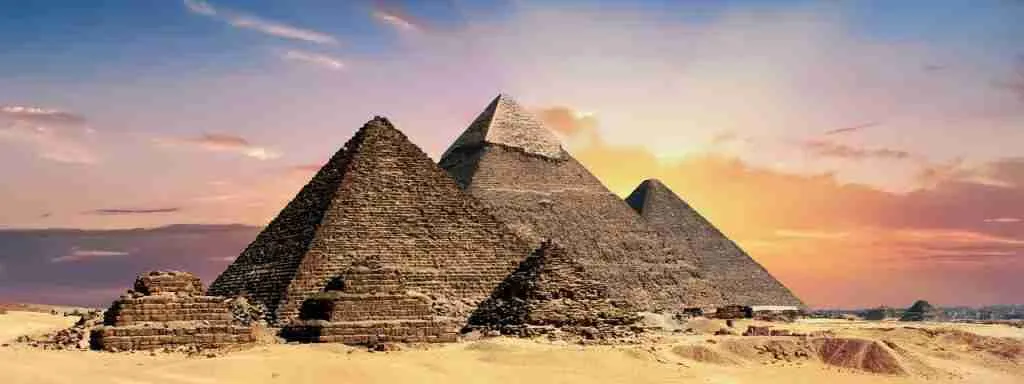
Residency in Egypt: Your Gateway to Affordable Living
Egypt offers several avenues for obtaining residency, each with specific requirements:
1. Marriage to an Egyptian Citizen:
One of the most common paths to residency is through marriage to an Egyptian citizen. However, certain conditions apply, particularly concerning religious differences. While Egyptian men have the freedom to marry women of any faith, Egyptian women cannot legally marry non-Muslim men. After two years of marriage, the foreign spouse can apply for Egyptian citizenship. It's crucial to remember that only officially registered marriages are recognized by Egyptian law.
2. Family Ties:
If you have close family ties with an Egyptian resident who has lived in Egypt for five years or more, you might be eligible for residency through the family reunification program. This program extends to various relatives, including children, parents, grandparents, and siblings. To initiate the process, the Egyptian resident must provide an official invitation, clearly stating the nature of the relationship, the purpose of your visit, and financial guarantees to support your stay. Additionally, health assurances are required to confirm the absence of any contagious diseases.
3. Real Estate Investment:
For those seeking a more stable investment, consider the real estate route. By investing a minimum of $100,000 in one or more properties in Egypt, you can secure a renewable residency card valid for three years. If your investment reaches $200,000 or more, you'll be granted a renewable residency card with a five-year validity. This option allows you to own a piece of this beautiful country while enjoying the benefits of residency.
4. Bank Deposit:
If you prefer a more liquid investment, a bank deposit can also pave the way to residency. A deposit of $50,000 in an Egyptian bank will grant you a one-year residency permit. For a longer-term commitment, a deposit of $100,000 secures a renewable residency card. This option provides flexibility and allows you to maintain access to your funds while residing in Egypt.
5. Work or Employment:
Securing a job offer from an Egyptian employer can also lead to residency. This typically involves obtaining a work-based residence visa. To be eligible, you'll need to present your educational and professional qualifications, a valid employment contract, and a work permit. The work permit application process can be complex, often requiring clearance from relevant authorities in Egypt and an HIV test. Your employer will usually guide you through the paperwork and procedures involved in securing the work permit.
6. Retirement:
Egypt welcomes retirees seeking a tranquil and affordable lifestyle. The country offers a retirement residence option for foreigners who meet specific age and financial requirements. You'll need to provide evidence of a stable income source, such as a pension or savings, to demonstrate your ability to support yourself financially during your retirement in Egypt.
General Requirements for Residency:
While each pathway has specific requirements, some general documents are commonly needed for residency applications:
- A valid passport with at least six months of validity remaining.
- A completed visa application form.
- Passport-sized photos.
- Proof of income or financial stability.
- Health insurance.
- A clean criminal record certificate from your home country.
Important Notes:
- Unless you are from a visa-exempt country, you may need to enter Egypt on a valid visa before applying for residency.
- Health checkups, including a COVID-19 test and an HIV test, may be required upon arrival.
- Be prepared to provide biometric data, such as fingerprints, as part of the application process.
- Interviews may be required for certain permit categories.
- Adhering to Egyptian laws and regulations is crucial to maintain your residency status.
- Ensure you obtain the appropriate entry visa that aligns with your purpose of visit, whether for work, study, or personal reasons.
Visa Options: Your Entry Point to Egypt
Before delving into residency, it's essential to understand the various visa options available for entering Egypt. These options cater to different purposes and durations of stay:
- Tourist Visa: This visa is typically granted for short-term stays, allowing you to explore the country's attractions and experience its culture.
- Work Visa: If you have a job offer from an Egyptian employer, you'll need to obtain a work visa to legally work in the country. This often requires sponsorship from your employer and proof of your qualifications.
- Student Visa: For those pursuing educational opportunities in Egypt, a student visa is required. This usually involves acceptance into an Egyptian educational institution and proof of financial support.
- Other Visas: Egypt offers various other visa categories, such as business visas, family visit visas, and investor visas, each with its own set of requirements.
It's crucial to research the specific visa requirements based on your nationality and purpose of visit to ensure a smooth entry into Egypt.
Citizenship in Egypt: Becoming Part of the Fabric
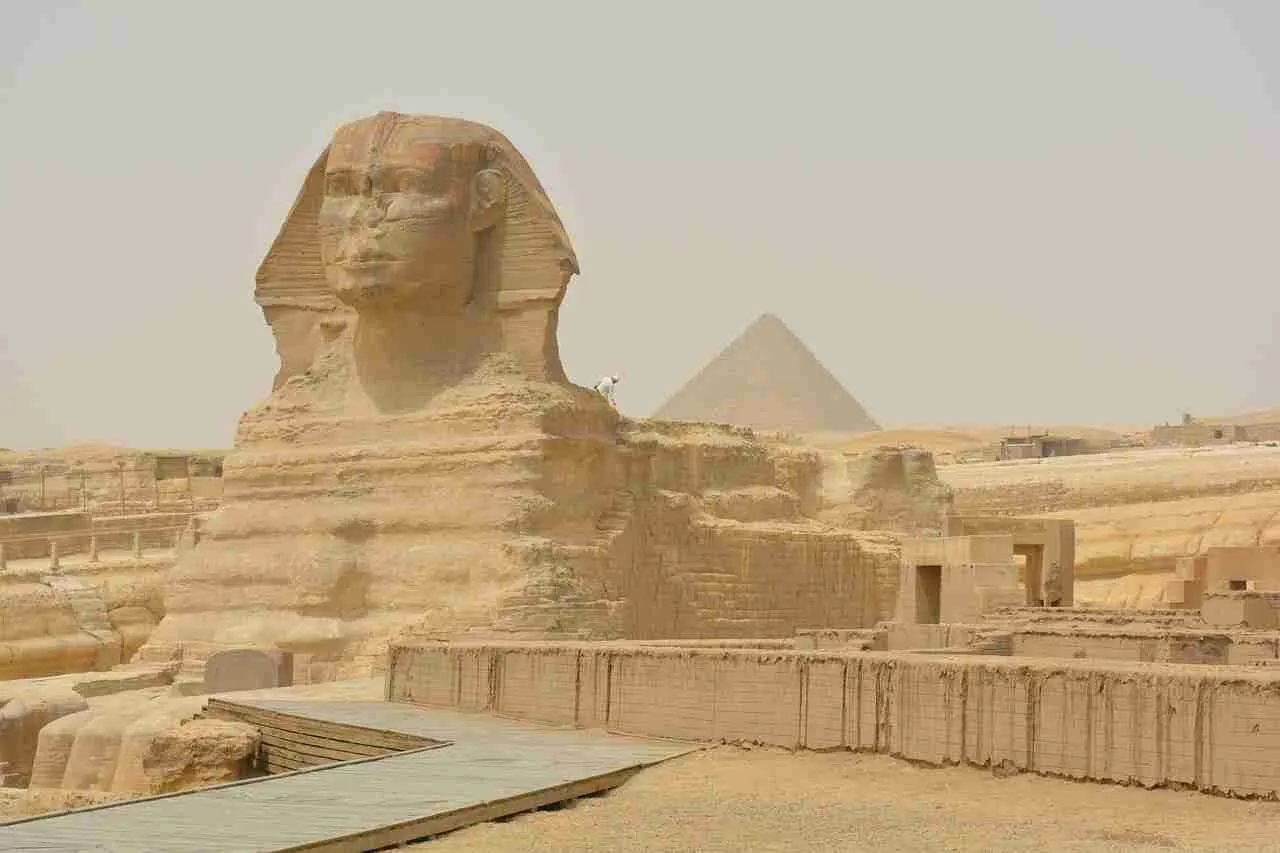
While residency allows for an extended stay, citizenship grants you full rights and privileges as an Egyptian national. Here are the primary pathways to acquiring Egyptian citizenship:
1. By Descent:
If you have an Egyptian parent or grandparent, you may be eligible for citizenship by descent. This requires providing concrete evidence of your Egyptian ancestry, typically through birth certificates or other official documents that establish your lineage. The application process involves gathering the necessary documents, such as birth certificates, national ID or passport of the Egyptian ancestor, and any additional proof of their Egyptian nationality. You'll need to complete a nationality application form and submit it along with the required documents to the Egyptian Ministry of Interior or the Egyptian consulate if applying from abroad. The authorities will then conduct a background check to verify the authenticity of your documents and your eligibility.
2. By Marriage:
Marrying an Egyptian citizen can also lead to citizenship, although the process differs for men and women. A foreign woman married to an Egyptian man can acquire Egyptian citizenship after two years of marriage, provided certain conditions are met. These conditions include a legally registered marriage, good moral conduct, and national security approval. For foreign men married to Egyptian women, the process is generally more restrictive, with each application evaluated on a case-by-case basis.
3. By Naturalization:
If you've resided in Egypt for an extended period, you can apply for citizenship through naturalization. This pathway generally requires ten years of continuous residency in Egypt. In addition to residency, you'll need to demonstrate good character, have no criminal convictions, be in good mental and physical health, prove your ability to be economically self-sufficient, and have a good understanding of the Arabic language.
4. Investment:
For those seeking a faster route to citizenship, Egypt offers a Citizenship by Investment Program. This program provides several investment options, each with its own minimum investment amount:
- Real Estate Investment: Invest a minimum of USD 300,000 in one or more properties.
- Company Establishment: Invest USD 350,000 in establishing a company in Egypt and make an additional non-refundable contribution of USD 100,000 to the government.
- Donation: Make a non-refundable donation of at least USD 250,000 to the Central Bank of Egypt treasury.
- Bank Deposit: Deposit USD 500,000 in an Egyptian bank account. This deposit is refundable after three years in Egyptian currency without accruing interest.
Exceptional Service to the Nation:
In addition to the pathways mentioned above, Egyptian nationality can also be granted to individuals who have performed exceptional services to the nation. This includes individuals who have made significant contributions in fields such as science, arts, culture, or sports, or those who have played a vital role in promoting Egypt's interests on the international stage.
Dual Nationality: Maintaining Your Ties
Egypt generally permits dual nationality, allowing you to retain your original citizenship while becoming an Egyptian citizen. However, it's crucial to confirm whether your home country also allows dual nationality to avoid any legal complications. Holding dual nationality can offer various advantages, such as ease of travel, access to benefits in both countries, and the ability to pass on citizenship to your children.
The Cost of Living in Egypt: Where Your Money Goes Further
One of the most appealing aspects of living in Egypt is its remarkably low cost of living. Compared to Western countries, your expenses will be significantly lower, allowing you to enjoy a comfortable lifestyle without straining your budget.
Accommodation:
Rent in Egypt is considerably affordable, especially when compared to major cities in Europe or North America. The cost varies depending on the location and type of accommodation. In Cairo, a one-bedroom apartment in the city center can range from EGP 4,000($79) to EGP 18,000 ($356) per month, while outside the center, you can find similar apartments for EGP 2,250 ($44.62) to EGP 15,000 ($297). In smaller cities and towns, rent can be even lower.
Food:
Food expenses in Egypt are also quite reasonable. Eating out is incredibly affordable, with a full meal at a local restaurant costing around EGP 70($1.39) to EGP 150 ($2.97). Traditional Egyptian dishes like koshary and foul are not only delicious but also very filling and budget-friendly. Groceries are also inexpensive, especially if you shop at local markets where you can find fresh produce at very low prices.
Transportation:
Egypt has an efficient and affordable public transportation system, making it easy to get around without spending a fortune. This includes government-operated buses and the metro, with ticket prices ranging from 1 to 5 Egyptian pounds ($0.020-$0.099). Private transportation options like minibuses are also available and cover a wider range of areas. If you prefer to drive, fuel costs are relatively low compared to many other countries.
Utilities:
Basic utilities, such as electricity, heating, cooling, water, and garbage collection, are also reasonably priced in Egypt. For a 915 sq ft apartment, these utilities typically cost around EGP 786 ($15.59) per month. Internet and mobile phone plans are also readily available at competitive prices.
Healthcare:
Healthcare in Egypt is generally affordable, with both public and private options available. Public healthcare is accessible to all residents, while private healthcare offers higher quality care and shorter wait times. Many expats opt for private healthcare, especially in major cities where modern private hospitals with English-speaking doctors are readily available.
Education:
Education costs in Egypt vary depending on whether you choose public or private schools. Public education is generally free or low-cost, making it accessible to all residents. Private schools, especially international schools, can be more expensive, with annual fees ranging from 10,000 to 30,000 Egyptian pounds . For preschool, the average cost in a private institution is around EGP 2,114.84 ($41.94) per month for a single child.
Overall:
The average monthly cost of living in Egypt for an individual, excluding rent, is approximately EGP 15,229 ($302.02). This is significantly lower than the cost of living in many Western countries, making Egypt an attractive option for budget-conscious individuals. However, it's important to note that Egypt's economy faces challenges like inflation and fluctuating commodity prices, which can affect the cost of living.
Average Salary in Egypt: Finding Your Financial Footing
While the cost of living in Egypt is relatively low, it's essential to consider average salaries to ensure you can maintain a comfortable lifestyle.
The average monthly salary in Egypt is around EGP 13,244 (approximately $428). However, salaries can vary significantly based on factors such as profession, experience, industry, and location.Minimum, Median, and Maximum Salaries:
- Minimum Wage: EGP 3,500 (approximately $113) 21
- Median Salary: EGP 7,870 (approximately $255) 21
- Maximum Salary: EGP 41,100 (approximately $1,330) 21
Why Egypt is a Good Outsourcing Destination:
Egypt has become an attractive outsourcing destination due to several factors:
- Skilled Workforce: The country has a large pool of skilled and educated workers, particularly in fields like technology and engineering.
- Favorable Business Environment: Egypt offers a relatively stable business environment with supportive government policies.
- Competitive Costs: Labor costs in Egypt are significantly lower compared to many other countries, making it a cost-effective outsourcing destination.
It's crucial to research salaries in your specific field and location to gain a realistic understanding of your earning potential in Egypt. Websites like SalaryExpert and PayLab can provide valuable insights into salary trends and comparisons.
Best Places to Live in Egypt for a Low-Cost Lifestyle
Egypt offers a diverse range of cities and towns, each with its own unique charm and cost of living. Here are a few of the best places to consider for an affordable and fulfilling lifestyle:
Hurghada:
This vibrant coastal city on the Red Sea is a haven for beach lovers and water sports enthusiasts. With its pristine beaches, crystal-clear waters, and stunning coral reefs, Hurghada offers a relaxed and laid-back atmosphere. The city has a thriving expat community, making it easy to connect with like-minded individuals. Monthly expenses in Hurghada are relatively low, and you can find affordable accommodation options ranging from cozy apartments to luxurious villas.
Luxor:
Step back in time and immerse yourself in history in the ancient city of Luxor. Known as the world's greatest open-air museum, Luxor is home to iconic monuments like the Valley of the Kings, Karnak Temple, and Luxor Temple. The city offers a slower pace of life and a unique cultural experience. Housing in Luxor is very affordable, with traditional homes and apartments available for under $40,000.
Alexandria:
Experience the Mediterranean charm of Alexandria, Egypt's second-largest city. With its beautiful coastline, historic landmarks, and vibrant cultural scene, Alexandria offers a blend of urban and coastal living. The city has a rich history and a cosmopolitan atmosphere. While slightly more expensive than Luxor or Hurghada, Alexandria still offers a relatively affordable lifestyle, especially if you choose to live outside the city center.
El Gouna:
For those seeking a luxurious and sustainable lifestyle, El Gouna is an excellent choice. This eco-friendly town on the Red Sea is designed with a focus on environmental responsibility and offers a high quality of life. El Gouna boasts private beaches, world-class medical care, and a vibrant community. While more expensive than other options, El Gouna caters to those who prioritize sustainability and a premium lifestyle.
Ismailia:
Escape the hustle and bustle of larger cities and embrace the tranquility of Ismailia. Located on the Suez Canal, Ismailia offers a relaxed atmosphere and a lower cost of living compared to major cities like Cairo or Alexandria. The city has a rich history and a diverse culture. Ismailia is a great option for those seeking a peaceful and affordable lifestyle away from the crowds.
Choosing the Right Pathway:
Selecting the best place to live in Egypt depends on your individual preferences, lifestyle, and budget. Consider factors such as proximity to amenities, cultural attractions, job opportunities, and the overall atmosphere of the city or town.
Pros and Cons of Living in Egypt
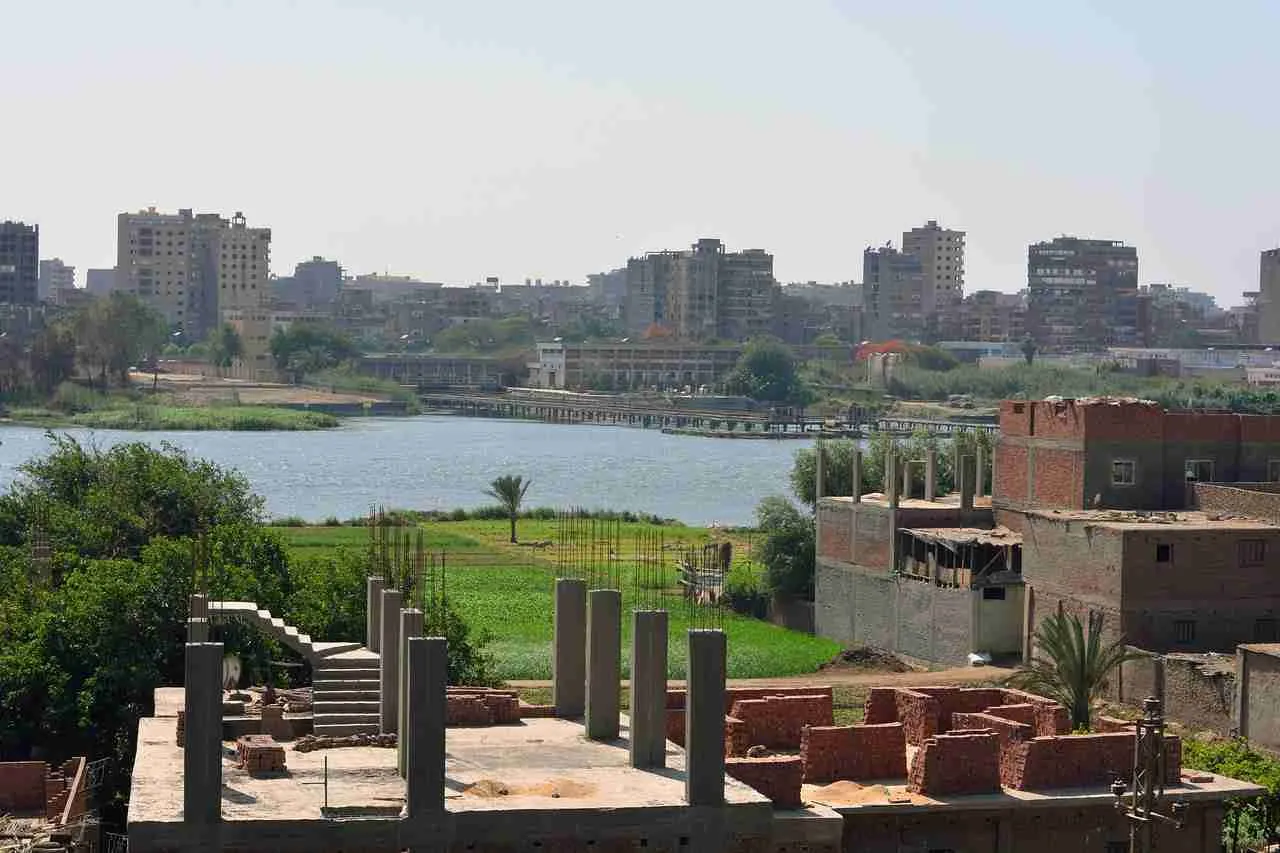
While Egypt offers a captivating lifestyle, it's essential to weigh the pros and cons before making the move:
Pros:
- Low cost of living: Enjoy a comfortable lifestyle on a modest budget. This allows you to stretch your savings further and potentially achieve financial freedom.
- Rich history and culture: Immerse yourself in ancient wonders and vibrant traditions. Explore iconic sites like the pyramids, temples, and museums, and experience the unique cultural heritage of Egypt.
- Warm hospitality: Egyptians are known for their warm and welcoming nature. You'll likely experience a strong sense of community and find it easy to connect with locals.
- Beautiful scenery: From stunning beaches and deserts to lush oases and historical sites, Egypt offers diverse and breathtaking landscapes.
- Diverse expat community: Connect with like-minded individuals from around the world24. Share experiences, learn from each other, and build lasting friendships within the expat community.
Cons:
- Bureaucracy: Navigating visa and residency processes can be time-consuming and require patience. Be prepared for paperwork and potential delays.
- Cultural differences: Adapting to conservative social norms may require adjustments. Dress modestly, be mindful of religious practices, and respect local customs.
- Traffic congestion: Major cities like Cairo can experience heavy traffic congestion, especially during peak hours. This can make commuting challenging and time-consuming.
- Air pollution: Air quality can be an issue in some areas, particularly in densely populated cities. This can be a concern for individuals with respiratory problems.
- Language barrier: While English is spoken in tourist areas and among educated Egyptians, learning Arabic is highly beneficial for daily life and deeper cultural immersion.
- Disparities in service quality: There can be significant differences in the quality of services and infrastructure between urban and rural areas.
- Environmental challenges: Egypt faces environmental issues such as pollution and traffic congestion, which can impact the quality of life in certain areas.
- Hot summers: Egypt experiences very hot summers, which can be challenging for those unaccustomed to such high temperatures.
Egyptian Culture and Customs: Embracing the Local Way of Life
To truly thrive in Egypt, it's essential to understand and appreciate the local culture and customs. Here are a few key aspects to keep in mind:
- Religion: Islam is the dominant religion in Egypt, and religious practices and beliefs play a significant role in daily life. Dress modestly, be respectful of religious observances, and avoid sensitive topics in conversations.
- Social Etiquette: Egyptians are generally warm and hospitable. Greet people with a smile, show respect to elders, and be mindful of personal space.
- Family Values: Family is highly valued in Egyptian culture. Maintain strong family ties, and be respectful of family traditions and customs.
- Food: Egyptian cuisine is rich and diverse. Embrace the opportunity to try traditional dishes and experience the local culinary delights.
- Language: While English is spoken in tourist areas, learning Arabic is highly beneficial for daily life and cultural immersion. Even a few basic phrases can go a long way in building relationships and navigating everyday situations.
Best Resources for Expats in Egypt
Navigating a new country can be challenging, but thankfully, there are numerous resources available to help expats settle into life in Egypt:
Online Communities:
- Online forums and Facebook groups dedicated to expats living in Cairo provide valuable advice, support, and a sense of community. These platforms offer a space to connect with other expats, share experiences, and ask questions.
- Join Cairo-related expat groups on Facebook to get real-time advice and insights from those who have already navigated the challenges of living in Egypt.
Co-working Spaces:
- Co-working spaces like The District, Greek Campus, and RiseUp Hub offer modern workspaces with high-speed internet, meeting rooms, and a community of like-minded professionals. These spaces provide a productive and collaborative environment for remote workers and entrepreneurs.
Healthcare:
- Egypt has a well-developed healthcare system with both public and private options.
- Hospitals like As-Salam International Hospital and Dar Al Fouad Hospital are popular choices for expats seeking high-quality medical care.
- Egypt is also a popular destination for medical tourism due to its competitively priced healthcare services. Many hospitals in Cairo offer state-of-the-art medical care for a fraction of the cost of similar treatments in the West.
- For expats, the Ministry of Health in Cairo offers comprehensive health insurance plans, including coverage for hospitalization, outpatient care, and prescription drugs.
- International health insurance providers like Morgan Price, VUMI, Now Health, and Cigna offer comprehensive coverage for expats in Egypt.
- The Egyptian government offers a variety of free health services to those in need, including vaccinations, preventive care, and emergency services.
- Travel insurance is also a great option to avoid inconveniences such as longer wait times for public healthcare.
- In case of an emergency, call 123 for an ambulance. However, due to traffic congestion, it might be faster to arrange personal transport to a nearby private hospital or contact the hospital directly for an ambulance.
- If you are in a remote location where medical treatment is unavailable for a serious illness or injury, consider including a medical evacuation (medevac) benefit on your international health insurance policy.
Dental Care:
- Dental care in Egypt is generally affordable and of good quality. Many dentists are fluent in English and have received international training.
- Popular dental clinics in Egypt include Helio Dental Clinic in Cairo, Dr. Bassem Samir Dental Clinic in Cairo, and Royal Dental Clinic in Alexandria.
Entertainment and Leisure:
- Cairo offers a vibrant entertainment and leisure scene with various options to suit different interests.
- Enjoy a movie at the cinema, explore museums and art galleries, attend cultural events, or dine out at one of the many restaurants offering diverse cuisines.
Essential Documents:
- When moving to Egypt, it's essential to bring certain documents with you:
- Medical documents, including a card specifying any medical conditions and medications.
- International identity cards for students or faculty members.
- An international driver's license.
- A marriage license, especially if you and your spouse have different family names.
- A birth certificate.
- Academic credit and transcripts if you plan to continue your education in Egypt.
- Voting registration cards if you wish to vote in your home country's elections while abroad.
- Tax papers and information on how to file your taxes while residing in Egypt.
Educational Resources:
- The American University in Cairo (AUC) provides resources and support for expats, including information on living in Cairo, cultural adaptation, and essential services.
- Language schools offer Arabic courses to help you integrate into the local culture and improve your communication skills.
Government Websites:
- The Egyptian Ministry of Interior provides information on visa and residency requirements, application procedures, and relevant regulations.
Climate and Weather: Adapting to the Egyptian Sun
Egypt has a predominantly desert climate, characterized by hot summers and mild winters. Summers can be extremely hot, with temperatures often exceeding 100°F (38°C) in many parts of the country. Winters are generally mild and pleasant, with cooler temperatures and occasional rainfall. Coastal areas like the Sinai Peninsula and Alexandria experience more frequent rainfall compared to inland regions.
Conclusion: Embracing the Egyptian Dream
Gaining residency or citizenship in Egypt opens the door to a unique and affordable lifestyle. By carefully considering the various pathways, understanding the requirements, and embracing the local culture, you can make Egypt your new home and experience the magic of this ancient land. Remember to manage your expectations around traffic congestion and air pollution, seek out expat-friendly neighborhoods, and leverage the expat community for support and guidance. Explore Cairo from both a local and an expatriate perspective to gain a full and enriching experience. With an open mind and a spirit of adventure, you can embrace the Egyptian dream and create a fulfilling life in this captivating country.

Lusine Sargsyan
Attorney