
The Armenian Genocide of 1915 is often recognized as the first genocide of the 20th century, marking one of history’s most profound tragedies. The systematic extermination of 1.5 million Armenians by the Ottoman Empire not only decimated a people but also shaped the collective identity and resilience of Armenians worldwide.
Over a century later, the importance of remembrance remains undiminished, serving as a testament to the human capacity for survival, justice, and cultural preservation.
In this post, we explore the historical context, the enduring culture of memory, and the resilience that continues to define the Armenian community today.
The Historical Context of the Armenian Genocide
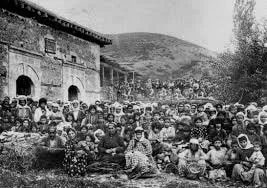
The Armenian Genocide was a systematic extermination of 1.5 million Armenians by the Ottoman government during World War I. The genocide began with the arrest and killing of Armenian intellectuals in 1915, which escalated into widespread massacres and deportations throughout the Ottoman Empire.
What Happened During the Armenian Genocide?
The Armenian Genocide, also known as Medz Yeghern (“The Great Crime”), was a state-sanctioned campaign of ethnic cleansing conducted by the Ottoman Empire during World War I.
It officially began on April 24, 1915, with the arrest and execution of prominent Armenian intellectuals and community leaders in Constantinople (modern-day Istanbul).
This act of violence initiated a series of events aimed at the complete eradication of Armenians from their ancestral lands, constituting one of the most horrific mass atrocities of the 20th century.
Key Events and Policies
● Forced Deportations: Armenian families were forcibly removed from their homes and sent on death marches into the Syrian Desert. Deprived of food, water, and shelter, countless perished along the way.
● Mass Killings: Able-bodied men were often separated and executed. Women, children, and the elderly were subjected to extreme violence, including torture, starvation, and massacres, as part of the mass atrocities committed during the genocide.
● Cultural Erasure: The genocide extended beyond physical annihilation. Armenian churches, schools, libraries, and cultural monuments were destroyed or repurposed to erase any trace of Armenian heritage.
International Reaction
While the world was embroiled in World War I, accounts of the atrocities reached Western nations through diplomats, missionaries, and journalists. Despite this, meaningful intervention was largely absent.
Notable figures such as U.S. Ambassador Henry Morgenthau Sr. documented the horrors, raising awareness of the genocide’s scale and severity.
The Culture of Memory
Memorializing the Past
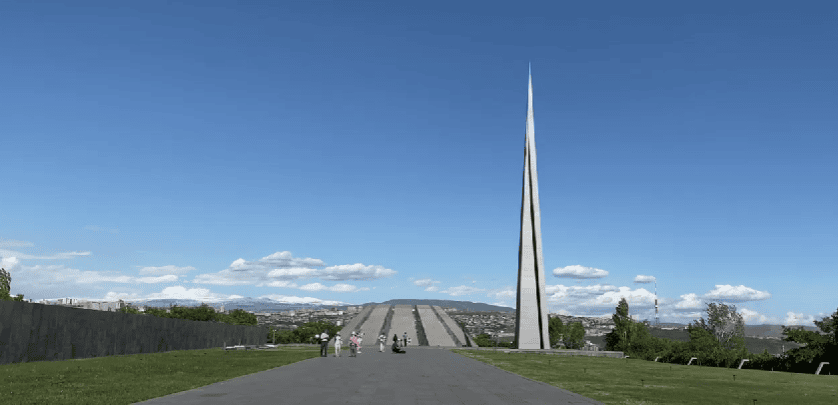
The memory of the Armenian Genocide is preserved through a robust culture of commemoration, ensuring that future generations understand the magnitude of the tragedy and its impact on Armenian identity.
Key Memorial Sites
● Tsitsernakaberd Memorial Complex: Located in Yerevan, Armenia, this iconic site includes a towering monument and an eternal flame. Each year, thousands gather on April 24 to pay tribute to the victims by laying flowers and participating in solemn ceremonies, in a display of unity and remembrance.
● Armenian Genocide Museum-Institute: Adjacent to the Tsitsernakaberd memorial, this museum provides a comprehensive account of the genocide through historical documents, photographs, and survivor testimonies.
● Diaspora Memorials: Across the globe, Armenian communities have erected memorials to commemorate the genocide. Notable examples include the Armenian Genocide Martyrs Memorial in Montebello, California, and the Komitas Monument in Paris.
Education and Awareness
Education plays a pivotal role in genocide remembrance. Armenian schools worldwide incorporate genocide studies into their curricula, ensuring that young generations understand their history.
Additionally, international organizations like the Genocide Education Project provide resources for teaching about the Armenian Genocide in broader historical contexts.
Art and Literature
Artistic expressions have been instrumental in preserving the memory of the genocide. Works such as Franz Werfel’s novel The Forty Days of Musa Dagh, which recounts the heroic resistance of Armenians against Ottoman forces, have become seminal texts.
Similarly, films like Ararat by Atom Egoyan bring the genocide’s story to a global audience.
Music, visual art, and poetry also serve as powerful mediums for commemorating the victims and celebrating Armenian resilience.
Resilience and Rebuilding
The Diaspora’s Role
The Armenian Genocide resulted in one of the largest diasporas in the world, with survivors and their descendants establishing communities across Europe, the Americas, the Middle East, and beyond.
These communities have played a crucial role in preserving Armenian culture and advocating for genocide recognition.
Community Organizations
Organizations such as the Armenian General Benevolent Union (AGBU) and the Armenian Revolutionary Federation (ARF) have been instrumental in supporting Armenian communities.
They provide funding for schools, churches, and cultural centers while promoting advocacy efforts for genocide recognition.
Advocacy for Recognition
The Armenian diaspora has been at the forefront of efforts to achieve official recognition of the genocide. As of today, over 30 countries, including France, Canada, and Germany, have formally recognized the Armenian Genocide.
In the United States, decades of advocacy culminated in official recognition by Congress in 2019.
Economic and Cultural Contributions
Despite the trauma of the genocide, Armenians have made remarkable contributions to their host countries. From pioneering innovations in technology and science to enriching global arts and culture, Armenians have demonstrated resilience and success.
Notable individuals include inventor Garry Kasparov, singer Charles Aznavour, influential businessman and philanthropist Kirk Kerkorian, and many others.
The Relevance of Armenian Genocide Remembrance Day Today
Lessons for Humanity
The Armenian Genocide serves as a stark reminder of the consequences of intolerance, hatred, and indifference. By remembering this tragedy, the international community can work toward preventing future atrocities and fostering a culture of human rights.
Genocide Denial and Its Consequences
Denial of the Armenian Genocide remains a significant challenge. The Turkish government’s refusal to acknowledge the events as genocide perpetuates historical injustice and hinders reconciliation efforts.
Addressing denial is crucial for achieving long-term healing and understanding.
Bridging Divides
Efforts toward Armenian-Turkish dialogue have gained momentum in recent years, with initiatives like the “Armenia-Turkey Normalization Process” fostering conversation and cooperation. While progress remains slow, such initiatives are essential for building trust and mutual understanding.
Vardanyan and Partners’ Contribution
At Vardanyan & Partners, we take pride in supporting the Armenian diaspora and others interested in Armenia. Our expertise in citizenship, residency, and business law enables us to assist clients in reconnecting with their heritage and contributing to Armenia’s growth.
Whether it’s helping individuals gain Armenian citizenship or establishing businesses that strengthen the local economy, we are dedicated to fostering resilience and progress.
Attracting Donations and Investments
Vardanyan & Partners also contributes significantly to Armenia’s development through the Residence by Donation Program. This initiative allows foreign individuals to obtain residency in Armenia by making charitable contributions that directly support rural development projects.
The program is designed to address critical needs in rural areas, such as education, infrastructure, and community-building initiatives. By participating, donors not only secure a pathway to residency but also make a meaningful impact on the lives of Armenia's rural communities, fostering sustainable growth and improved opportunities.
This program exemplifies our dedication to linking global citizens with Armenia's future prosperity.
FAQ Section
What was the Armenian Genocide?
The Armenian Genocide was the systematic extermination of 1.5 million Armenians by the Ottoman Empire between 1915 and 1923. It involved forced deportations, mass killings, and cultural erasure.
Why is it important to remember the Armenian Genocide?
Remembering the genocide honors the victims, educates future generations, and promotes awareness to prevent future atrocities. It also underscores the resilience of the Armenian people.
How can I learn more about the Armenian Genocide?
Visiting memorial sites, reading survivor accounts, and exploring educational resources such as museums and online archives are excellent ways to deepen your understanding.
How does your firm help the Armenian diaspora?
We provide legal assistance for Armenian citizenship, residency, and business opportunities. Our services help individuals reconnect with their Armenian roots and contribute to Armenia’s development.
What can I do to support genocide remembrance?
You can participate in commemorative events, advocate for recognition, and educate others about the genocide. Supporting organizations dedicated to raising awareness and promoting justice is another impactful way to contribute.
The Armenian Genocide is a powerful reminder of the resilience and strength of a people who endured unimaginable suffering. By fostering a culture of memory, Armenians honor their past while building a brighter future for their community.
At Vardanyan & Partners, we are committed to supporting individuals and businesses as they navigate opportunities in Armenia. Whether you seek to reconnect with your heritage or explore new ventures, our team is here to guide you every step of the way.
Contact us today through our website or email, and subscribe to our newsletter for updates on Armenian history, culture, and legal services.

Seda Soghomonyan
Client Acquisition
