

Overview and Introduction of Residency in Armenia and Georgia
Armenia and Georgia, two neighboring countries in the South Caucasus region, offer distinct and appealing residency options for foreign nationals seeking a new home. Both nations boast vibrant cultures, deep-rooted histories, and breathtaking landscapes, making them attractive destinations for individuals and families alike. Armenia and Georgia’s respective residency paths offer a glimpse into their distinct yet complementary approaches.
Each country’s residency options are shaped by its population demographics, economic goals, and history. Armenia and Georgia provide foreign nationals with a secure base in the region and an opportunity to immerse in the rich cultural fabric of the Caucasus. These two nations, with their unique blend of tradition and modernity, have become increasingly attractive to potential residents.
This comparative analysis delves into the nuances of residency options, investment pathways, family policies, and citizenship eligibility, helping prospective residents make informed decisions based on their unique preferences and goals.
Comparison Table
| |||||||||||||||||||||||||||||||||||||||||||||||||||||||||||||||
Benefits of Georgian Residency
Georgia presents a variety of advantages for those seeking residency, whether for personal, professional, or investment reasons.
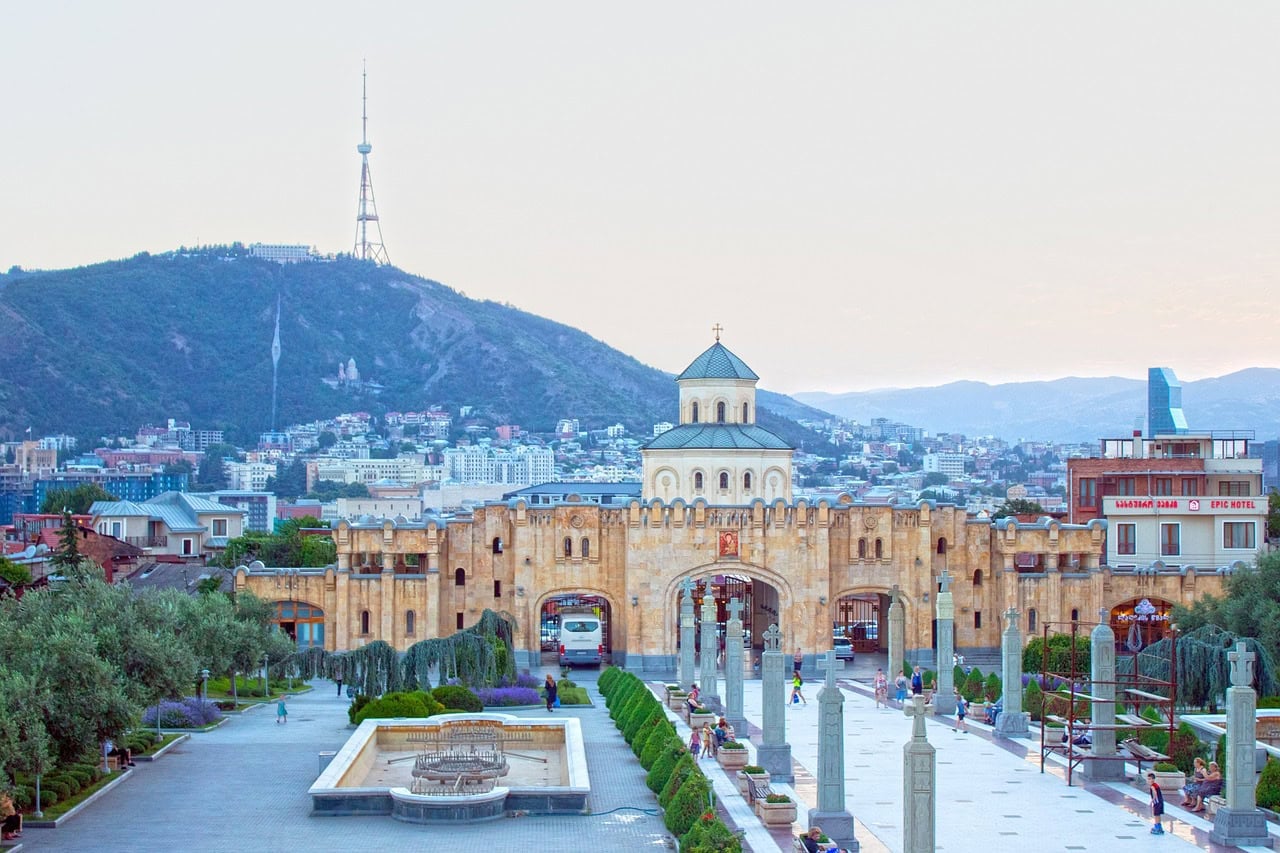
No Frequent Border Crossings: Residency in Georgia eliminates the need for frequent travel to maintain legal status. Residence permits can be renewed without needing to leave and re-enter the country, providing greater stability for long-term residents.
Pathway to Permanent Residency and Citizenship: Over time, temporary residents can apply for permanent residency. After 10 years of continuous legal residency, applicants become eligible for Georgian citizenship.
Pension Eligibility After 10 Years: After 10 years of continuous residency, foreign nationals become eligible for a Georgian pension, offering long-term financial security for those planning to retire in the country.
Family Reunification: Residency holders can invite family members to join them in Georgia. Immediate family, including spouses and minor children, are eligible for their own residence permits, allowing families to live together without restrictions.
Benefits of Armenian Residency
Armenia offers a broad range of benefits for individuals and families seeking residency, particularly those interested in long-term investment and a potential pathway to citizenship.
Pathway to Citizenship: Armenia offers a faster pathway to citizenship, enabling individuals to apply after just three years of residency. For those with Armenian heritage, the process is even more streamlined, allowing them to apply for citizenship immediately. Additionally, individuals married to an Armenian citizen can apply for citizenship after maintaining residency or a registered address in Armenia for one year. The country’s dual citizenship policy is especially advantageous for those who want to retain their original citizenship while obtaining Armenian citizenship.
Family Inclusion: Residency permits can be extended to a wide range of family members, including not just spouses and children, but also parents, siblings, grandchildren and grandparents.
Legal and Social Rights: Armenian residents have much easier access to important services such as healthcare, education, and banking. Residency makes it easier to open bank accounts and get certain types of loans. Safe environment: For example, Armenia is often ranked among the top 10 safest countries in the world.
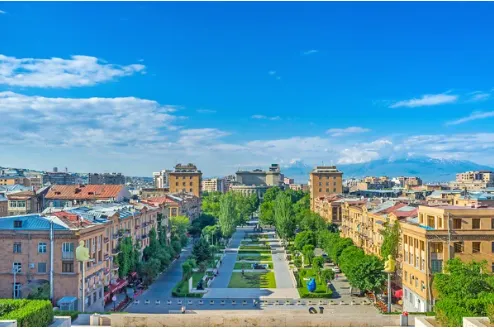
Comparative Analysis Between Residency Options in Armenia and Georgia
Georgia
Georgia’s residency permits cater to varied needs, including those of investors, property owners, students, and professionals. Residency in Georgia allows foreign nationals to live and work in major cities like Tbilisi and Batumi. These urban centers offer a vibrant mix of Soviet-era architecture, modern infrastructure, and a welcoming atmosphere.
With a residency system that reflects Georgia’s open economic policies, the government has prioritized attracting foreign investment, which has grown substantially in recent years. Each residency type encourages economic and social integration within Georgia’s community, fostering a stable and dynamic environment for residents. The World Bank has noted improvements in business transparency in Georgia and recommends further economic policies to sustain growth.
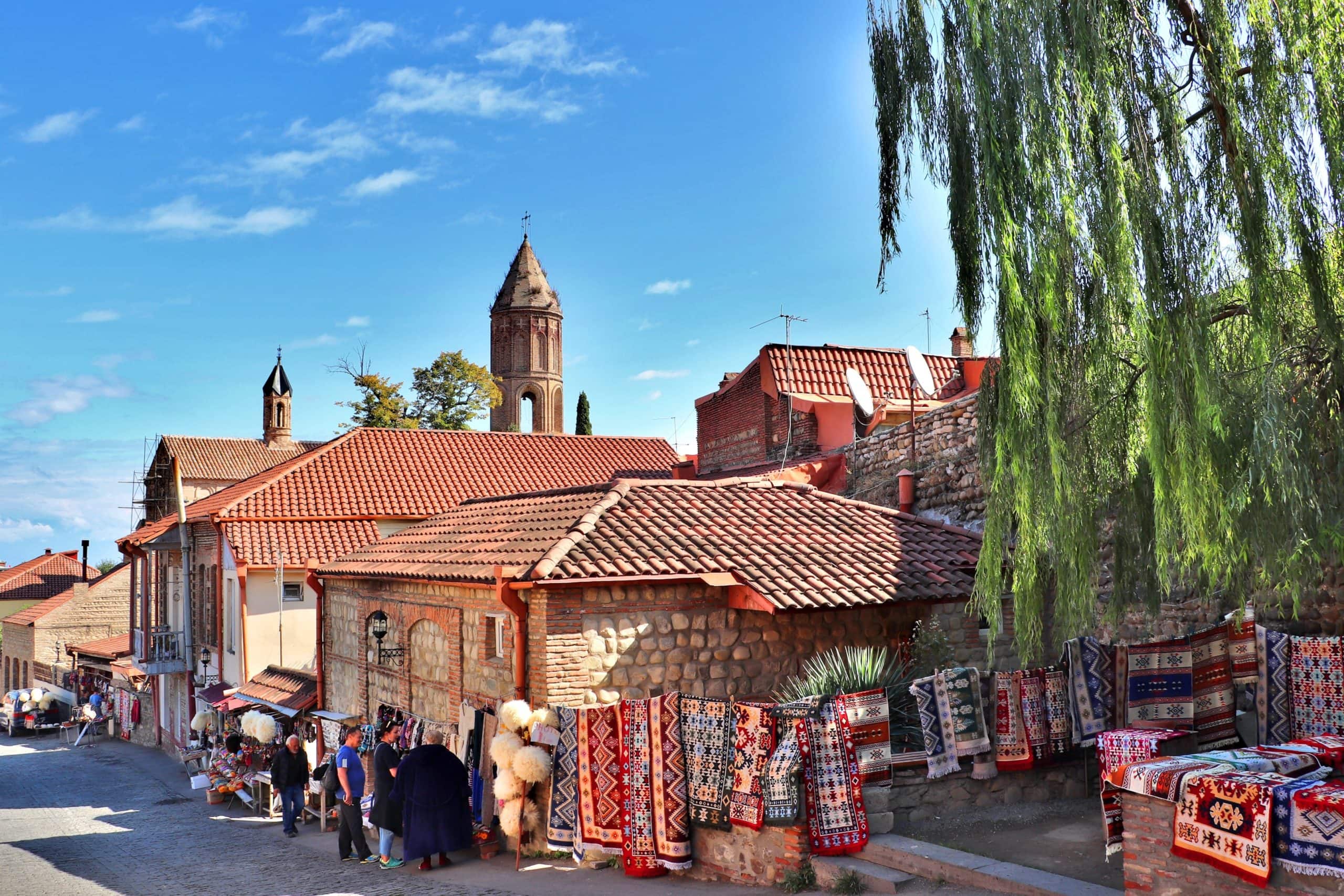
Armenia’s Residency Options
Armenia provides three primary types of residence permits: temporary, permanent, and special, each accommodating different demographics, including business owners, ethnic Armenians, and those with family ties.
Armenia provides three types of residence permits:
Temporary Residence Permit (1 year): Available to business owners, investors, employees and/or volunteers, students, family members of individuals who own Armenian citizenship or residence permit and ethnic Armenians.
Permanent Residence Permit (5 years): Offered to ethnic Armenians, business owners, and those with family members in Armenia, provided they have lived in Armenia legally for three years and can demonstrate both adequate housing and financial means.
Special Residence Permit (10 years): Granted to ethnic Armenians or individuals involved in significant business or cultural activities in Armenia.
Residency Based on Investment and Business Activity
Georgia’s investment residency is one of the most straightforward residency options, allowing foreign nationals to obtain a five-year residence permit with a minimum investment of 300,000 USD in GEL. To obtain an investment residence permit in Georgia, the market value of the property must be determined by a certified assessor affiliated with a body accredited by the Georgian Accreditation Centre.
Family members of an individual granted an investment residence permit in Georgia are also eligible for residence permits. This includes the person's spouse, minor children, fully dependent disabled individuals, and fully dependent persons.
Additionally, if the individual can demonstrate the following annual turnover thresholds during their business activities, they may apply for a permanent residence permit (with an unlimited term) after five years:
At least USD 50,000 (equivalent in 140,000 GEL) in the first year.
At least USD 100,000 (equivalent in 280,000 GEL) in the second year.
At least USD 120,000 (equivalent in 336,000 GEL) for the third, fourth, and fifth years.
Thus, Georgia offers clear investment thresholds for obtaining residency, providing predictability in eligibility.
While Armenia doesn't have investment thresholds for obtaining residency, business investors in Armenia enjoy the opportunity to establish their own companies, join other companies as a shareholder or register as a Private Entrepreneur (PE), allowing them to conduct business for several months and apply for residence permits. Notably, Armenia sets itself apart from many neighboring countries by offering residency benefits without imposing rigid capital thresholds.
This approach has fostered a dynamic and welcoming environment in Yerevan and other cities, attracting both local and international businesses. Investors and entrepreneurs can apply for residence permits with durations of 1, 5, or 10 years, depending on the scale of their contributions to the Armenian economy and the operational history of their businesses. This framework highlights Armenia's commitment to creating a vibrant ecosystem for business growth and investment.
Armenia’s residency through investment options offer flexibility in terms of capital requirements, making them attractive for entrepreneurs. By encouraging FDI across sectors like technology, agriculture, and real estate, Armenia has created an environment ripe for growth and innovation. Residency can often be obtained with significantly lower investments—typically 10 to 20 times less than in Georgia.
Residency through Property Ownership
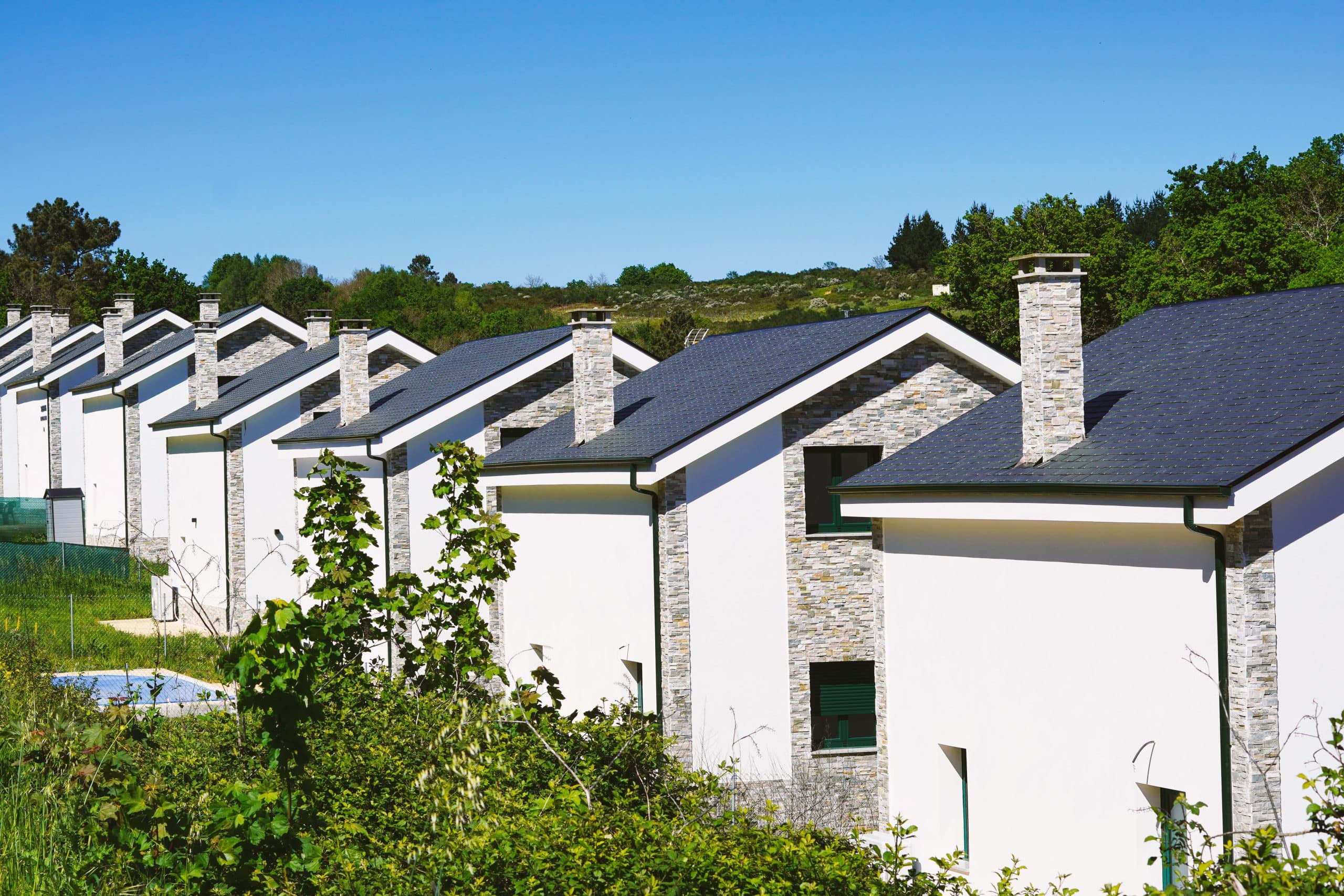
Property ownership is a popular residency pathway in Georgia, as the government encourages investment in real estate. By purchasing property valued at 100,000 USD in GEL or more, foreign nationals can secure a short-term residence permit. This permit becomes invalid if the property is sold. An individual who has invested in Georgian property valued at over USD 300,000 (equivalent in GEL) may apply for a permanent residence permit (with an unlimited term) after five years of having a Georgian residency.
Family members of the residence permit holder are also eligible for residence permits, including their spouse, minor children, fully dependent disabled individuals, and other fully dependent persons.
Armenia does not offer a direct pathway to residency through real estate investment. However, individuals can purchase real estate in Armenia, rent it out, and generate income, which may qualify them to apply for a residence permit based on business activity in the country.
For those specifically seeking residency through direct real estate investment, Georgia remains the clear choice, as this option is not available in Armenia.
Residency Based on Employment
The Work Residence Permit in Georgia is suitable for those looking for employment in the country. This permit requires a valid employment contract of at least six months and registration in the Ministry of Labor’s database. Applicants must also demonstrate sufficient funds for their stay.
The sponsoring business must meet a minimum turnover per foreign employee, set at 135,000 GEL, roughly 50,000 USD. For those in education or healthcare, the required turnover is 95,000 GEL, roughly 35,000 USD per foreign employee. This approach ensures applicants are financially stable while contributing to Georgia’s workforce, especially in majority sectors like tourism and finance.
In Armenia, employees, workers, and volunteers may apply for a one-year residence permit if they have a potential registered employer (employer registration typically is completed within a single business day) who can provide a confirmation letter stating their intention to hire the foreign citizen. For citizens of the Eurasian Economic Union (EAEU), including Russia, work permits are not required, which simplifies the process. The straightforward application process is conducted through an electronic platform. Thus, in Armenia, any registered employer can apply for a residence permit for a foreign employee without needing to meet any financial criteria.
Residency for Family Members
The spouse, minor child, and fully dependent beneficiaries of a Georgian residence permit holder may obtain a residence permit valid for a duration of 6 months to 1 year.
In the case of real estate or business investors in Georgia, their spouse, minor child, and fully dependent beneficiaries are eligible for residence permits issued for periods of 1 year or 5 years, respectively.
Additionally, the spouse and minor child of a Georgian citizen may apply for a permanent residence permit.
Armenia’s residency policies are notably inclusive, extending permits to a wide range of family members. Residency permits are available not only for spouses and children but also for siblings, grandparents, and grandchildren, reflecting Armenia’s strong cultural emphasis on family.

Spouses, children, and parents of individuals holding a 1-year Armenian residence permit, as well as spouses, children, parents, siblings, grandchildren, and grandparents of Armenian citizens or holders of 5- or 10-year residence permits, may apply for a 1-year residence permit.
Additionally, spouses, children, parents, siblings, grandchildren, and grandparents of Armenian citizens or residence permit holders who have legally resided in Armenia for three years and have an established place of residence in the country and have necessary financial means are eligible to apply for a 5-year residence permit. Armenia extends residency benefits to a wider range of family members, including spouses, children, parents, siblings, grandchildren and grandparents of Armenian citizens or residency holders. This inclusiveness makes Armenia an excellent choice for those prioritizing family reunification.
Students
Students attending authorized Georgian educational institutions are eligible to apply for a residence permit, which is issued for a duration of 6 months to 1 year.
Students enrolled at educational institutions in Armenia may apply for a one-year residence permit, which can be extended for each year of their studies. In most cases, the educational institutions submit the application on behalf of the students. To receive a residence permit, students must be included in the institution's list of foreign students submitted to the MCS. Armenia offers a more convenient process by allowing educational institutions to manage student applications, reducing administrative burden. The one-year permit with annual renewal aligns with the academic cycle, making it practical for long-term students.
Former citizens of Georgia, Georgian Residents, Stateless and Trafficked persons and Persons with Armenian Ancestry
Former citizens of Georgia may apply for and receive a residence permit valid for 6 years. Additionally, a permanent residence permit may be granted to stateless individuals whose Georgian citizenship was terminated due to renunciation, those who have permanently resided in Georgia since March 31, 1993, or those who have not been recognized as Georgian citizens but maintained their permanent registration in Georgia after that date.
Individuals who have resided in Georgia for the last 10 years under temporary residence permits may apply for a permanent residence permit.
Other categories, such as stateless persons and victims of trafficking, are eligible to apply for residence permits with validity periods of 3 years and 6 years, respectively.

Armenian Ancestry
Individuals of Armenian descent may apply for a residence permit for a duration of 1, 5, or 10 years, depending on their preference. Armenia provides residency options for individuals of Armenian descent, further strengthening its ties with the global Armenian diaspora. Additionally, Armenia offers residency to trafficked, persecuted, or stateless individuals under specific provisions.
Renewal
Temporary residence permits in Georgia (excluding those issued to stateless persons) can generally be renewed for a maximum period of 12 years. For individuals seeking permanent residency, specific pathways and criteria apply, particularly for business investors and property owners.
Business Investors: Individuals who maintain active business operations in Georgia can apply for permanent residency after five years, provided they meet the following annual turnover requirements in Georgian Lari (GEL) or USD equivalent:
Year 1: At least $50,000
Year 2: At least $100,000
Years 3–5: At least $120,000 per year
Property Investors: Applicants who invest over $300,000 USD (in GEL equivalent) in Georgian real estate are also eligible to apply for permanent residency.
These opportunities highlight Georgia's commitment to fostering long-term economic contributions and rewarding investors with a pathway to permanent residency.
Armenian residence permits can be renewed multiple times, each for the same duration as initially granted, either 1, 5 or 10 years.
Other factors to consider when choosing the Armenian or Georgian Residency
Pathway to Citizenship
Georgia, requires ten years of continuous residency before individuals become eligible for citizenship.
Armenia offers a faster pathway to citizenship, enabling individuals to apply after just three years of residency. For those with Armenian heritage, the process is even more streamlined, allowing them to apply for citizenship immediately. Additionally, individuals married to an Armenian citizen can apply for citizenship after maintaining residency or a registered address in Armenia for one year. There are additional grounds under which an individual may apply for Armenian citizenship earlier than the general timeline stipulated by law.
This flexible approach underscores Armenia's commitment to fostering connections with its diaspora and supporting family reunification.
Taxation and Financial Implications
When it comes to taxation, Georgia and Armenia present different landscapes for businesses and investors.
Georgia is known for its favorable tax environment, featuring a standard flat corporate tax rate of 15%, which is particularly attractive for foreign direct investment. The streamlined process for obtaining residency and citizenship further enhances Georgia’s appeal to international investors. Georgia also offers special tax regimes for its residents.
Armenia, on the other hand, has a standard corporate tax rate of 18%. While this may pose a higher tax burden on businesses, Armenia offers flexibility in its residency through investment options, making it an appealing destination for entrepreneurs willing to navigate its tax landscape.Armenia’s financial sector has been experiencing growth, driven by the country’s expanding economy. Armenia also offers special preferential tax regimes for small businesses, High-tech companies, and entities operating in special tax zones.
Healthcare and Education
Georgia offers a public-private mix of healthcare providers, with a larger number of hospitals and medical facilities, ensuring a high standard of medical care. Georgia’s education system is featuring a great number of universities and institutions of higher learning, which attract students from across the region.
Armenia’s healthcare system is primarily public, with also private hospitals and medical facilities. In Armenia, efforts are continuously being made to always better healthcare services across the country.
Armenia’s education system has increasing opportunities for higher education and vocational training.
In summary, both Georgia and Armenia offer unique advantages and challenges in healthcare and education. The choice between the two countries will ultimately depend on individual preferences and priorities, whether it be the more developed infrastructure of Georgia or the close-knit, family-oriented society of Armenia.
Both Armenia and Georgia offer distinctive paths for foreign nationals seeking to establish residency, each catering to different lifestyles, professional goals, and cultural preferences. Georgia’s structured investment pathways and modern infrastructure make it attractive for high profile investors. Meanwhile, Armenia’s inclusive policies, rich historical ties, and accelerated citizenship pathway appeal to families and entrepreneurs looking for a deep connection to the region. Each country offers a unique experience, welcoming newcomers into their communities and providing a fulfilling lifestyle enriched by the beauty, culture, and opportunities of the South Caucasus.
For more information on Armenian immigration and corporate services, feel free to visit our website.

Arman Batikyan
Attorney
