
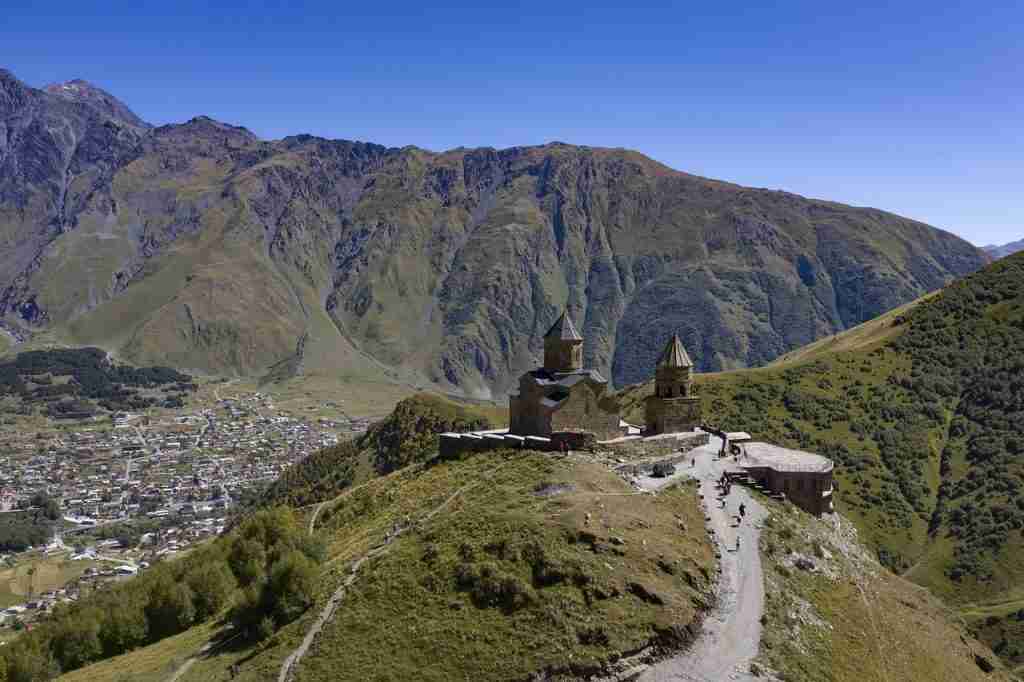
جمهوری ارمنستان، کشوری محصور در خشکی و غنی از تاریخ و سنت، اولین کشوری است که مسیحیت را به عنوان دین رسمی خود در سال 301 پس از میلاد پذیرفته است. این رویداد تاریخی، تحت هدایت گریگوری روشنگر و پادشاه تیریدات سوم، ارمنستان را به عنوان اولین کشور معرفی کرد. ملت مسیحی، میراثی که همچنان به شکل دادن به آن ادامه می دهد هویت ارمنی امروز کلیسای حواری ارمنی، ستون ایمان، در حیات معنوی و فرهنگی مردم ارمنی نقش اساسی دارد. با وجود ریشه های مسیحی، ارمنستان از کثرت گرایی مذهبی حمایت می کند و قانون اساسی آن آزادی مذهب را تضمین می کند و محیطی هماهنگ برای افراد از همه ادیان ایجاد می کند.
کلیسای حواری ارمنی: ستون ایمان
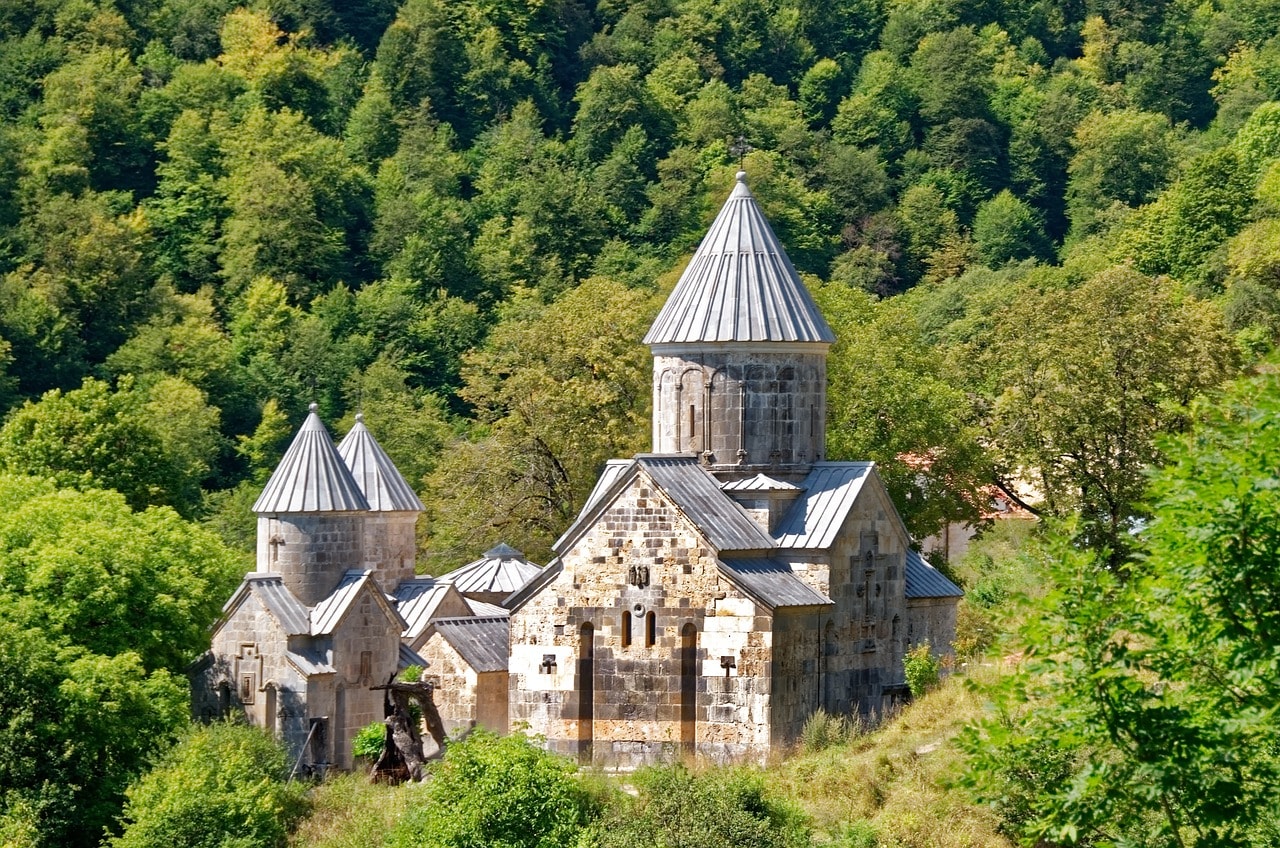
کلیسای حواری ارمنی به عنوان کلیسای ملی ارمنستان ایستاده است و عمیقاً در هویت ملی ارمنی تنیده شده است. به عنوان عضوی از کلیساهای ارتدوکس شرقی، به میافیزیتیسم، آموزهای که بر ماهیت یگانه تجسم عیسی مسیح تأیید میکند، پایبند است.
کلیسای ارمنی که در دوران اولیه مسیحیت تأسیس شد نیز از وضعیت منحصر به فردی برخوردار است. قانون اساسی ارمنستان صراحتاً آن را به عنوان نگهبان میراث فرهنگی و معنوی ارمنستان می شناسد و تأثیر آن را بر ادبیات، آموزش و هنر ارمنی برجسته می کند.
عبادت الهی کلیسای ارمنی گواهی بر سنت غنی آن است که شامل آیین های مفصل و سرودهای مقدس است. جشنهای مذهبی مهمی مانند عید پاک، کریسمس و اعیاد بزرگداشت حواریون بارتولمیو و تادئوس که مسیحیت را به ارمنستان آوردند، نشاندهنده ایمان پایدار مردم ارمنی است.
فراتر از ایمان رسولی: پلورالیسم مذهبی در ارمنستان
در حالی که کلیسای حواری ارمنی همچنان مسلط است، ارمنستان خانه ملیله های معنوی متنوعی است. از دیگر فرقه ها می توان به کلیسای کاتولیک ارمنی، فرقه های مختلف پروتستان و جامعه باستانی ایزدی، بزرگترین گروه غیر مسیحی در کشور اشاره کرد.
مسجد آبی در ایروان به عنوان نمادی از تساهل مذهبی ارمنستان و به رسمیت شناختن میراث اسلامی در ارمنستان عمل می کند. علیرغم نفوذ اتحاد جماهیر شوروی که به دنبال سرکوب اعمال مذهبی بود، ارمنستان مستقل ایمان مسیحی خود را دوباره پذیرفته و در عین حال فراگیری را تقویت کرده است.
زیارت و فضاهای مقدس برای مسیحیان ارمنی
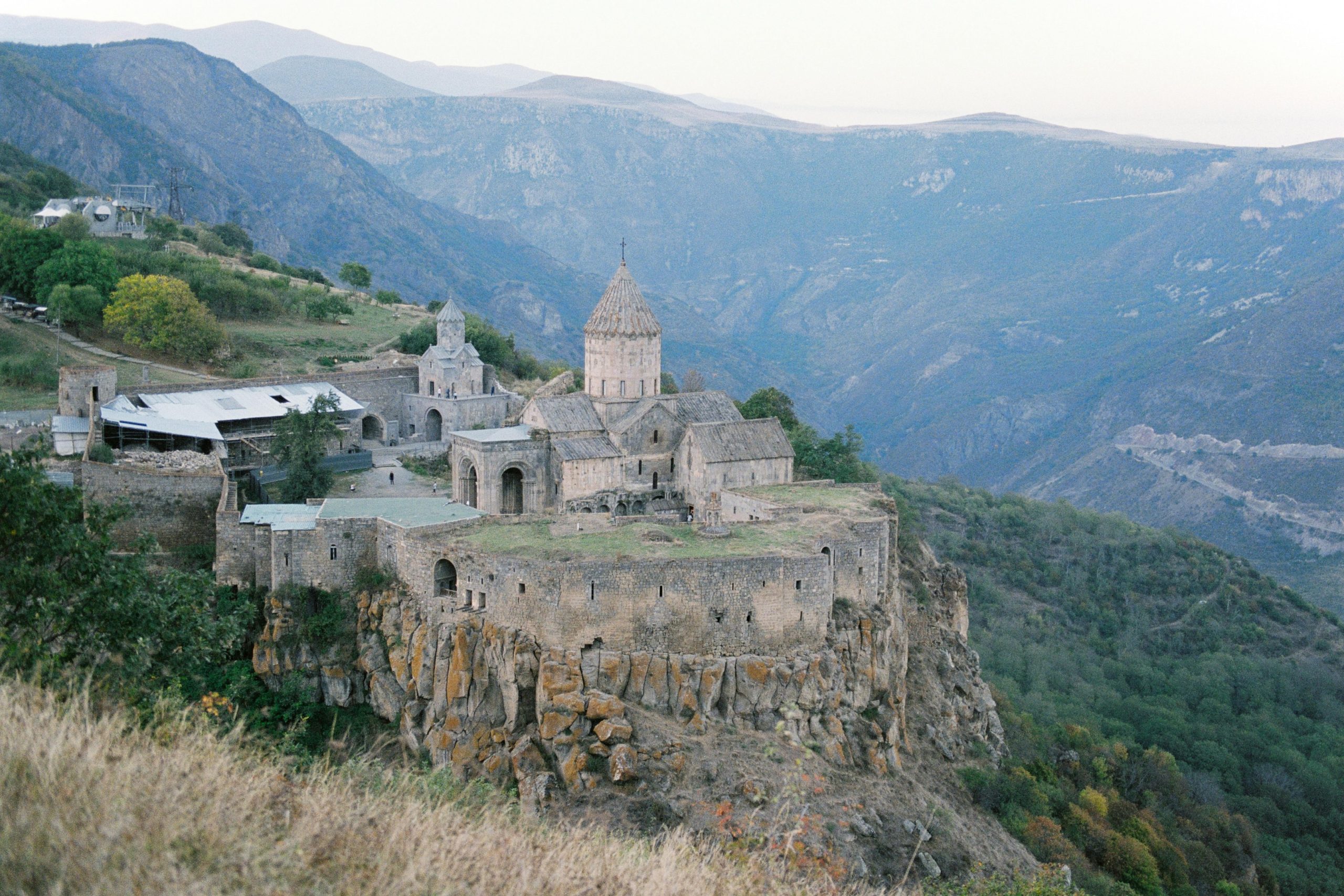
ارمنستان دارای مکانهای مقدس فراوانی است که زائران و گردشگران را به یک اندازه جذب میکنند. کلیسای جامع اچمیادزین، مرکز معنوی کلیسای حواری ارمنی، به عنوان اولین کلیسای جامع ساخته شده در ارمنستان باستان مورد احترام است. به همین ترتیب، صومعه گغارد، الف میراث جهانی یونسکوکه بخشی از کوه کنده شده است، نمونه ای از میراث معماری و معنوی کلیسای ارمنی است.
سایر مکانهای قابل توجه عبارتند از صومعه خور ویراپ، جایی که گریگوری روشنگر در آن زندانی بود، و صومعه تاتف، جواهری از معماری ارمنی قرون وسطی. زیارت این مکان ها به مؤمنان اجازه می دهد تا عمیقاً با ریشه های معنوی خود و تاریخ مسیحیت ارمنی ارتباط برقرار کنند.
جشنواره های مذهبی: سمفونی ایمان و فرهنگ
فستیوال های مذهبی در ارمنستان به طور یکپارچه سنت های مسیحی، میراث فرهنگی و جشن های اجتماعی را در هم می آمیزند. وارداوار، جشنی که ریشه در سنتهای پیش از مسیحیت دارد اما اکنون به عنوان بخشی از تقویم کلیسای حواری ارمنی جشن گرفته میشود، شامل آب پاشیدن دیگران با آب است که نماد پاکسازی و تجدید است.
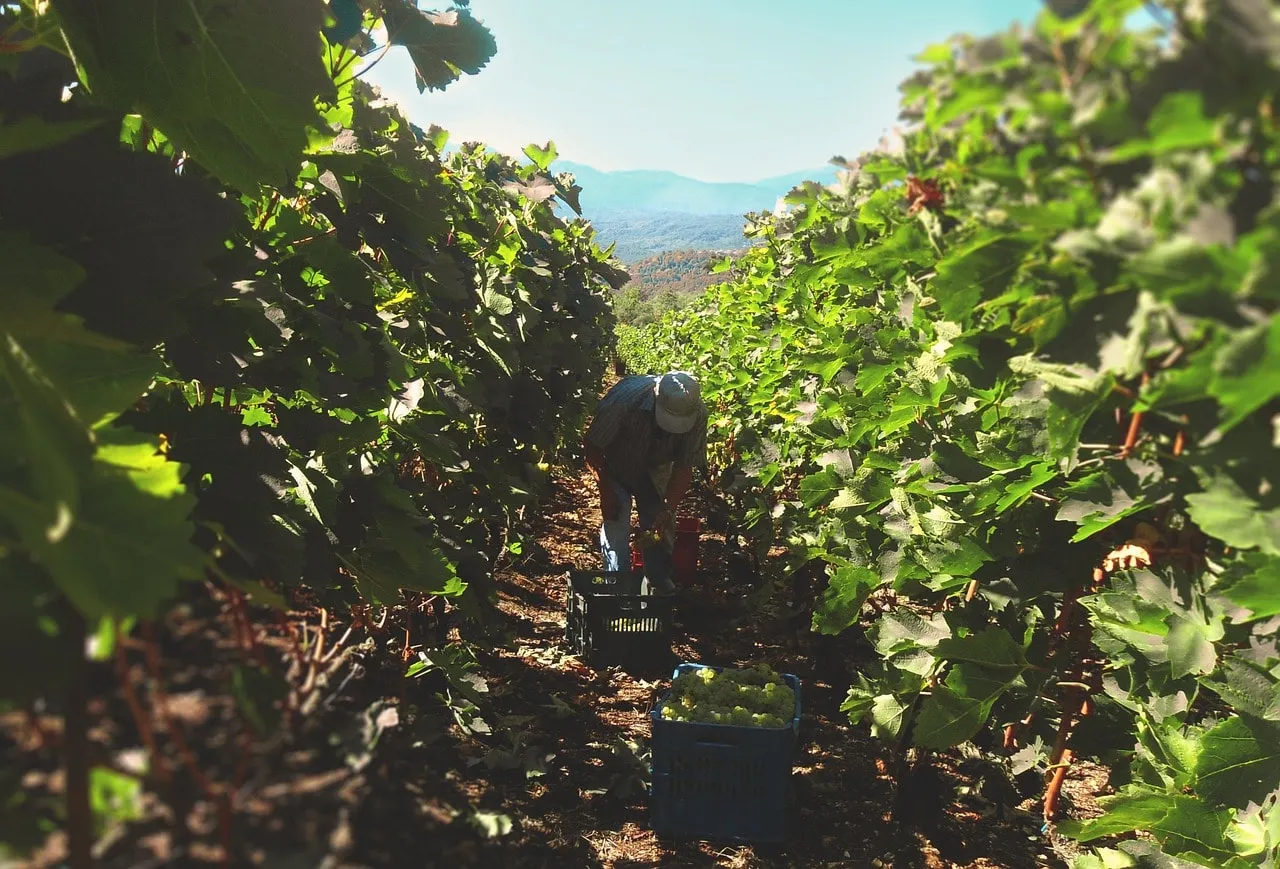
عید مترجمان مقدس (Targmanchats) از دانشمندانی که با حفظ زبان و فرهنگ ارمنی انجیل را به ارمنی ترجمه کردند، تجلیل می شود. یکی دیگر از رویدادهای گرامی، روز برکت انگور (خاقوغورهنک)، مراسم پر جنب و جوشی است که در آن اولین میوه های برداشت برکت داده می شود و درهم آمیختگی ایمان و سنت های کشاورزی را به نمایش می گذارد. این جشنواره ها نشان دهنده هویت منحصر به فرد مسیحیان ارمنی است و تداوم میراث فرهنگی غنی آن را تضمین می کند.
مقررات ویژه برای شهروندی ارمنستان
این کشور با به رسمیت شناختن نقش جدایی ناپذیر دین در میراث ارمنی، راه هایی را برای افراد ارمنی الاصل به دست می آورد. شهروندان. در میان کسانی که می توانند برای شهروندی درخواست دهند، کاتولیک های ارمنی و انجیلی های ارمنی هستند که هر دو دارای میراث تاریخی و فرهنگی متمایز در جامعه گسترده مسیحی ارمنی هستند. کسانی که می توانند گواهی غسل تعمید ارائه دهند که ریشه ارمنی آنها را نشان می دهد، می توانند برای شهروندی ارمنی درخواست دهند و روابط بین دیاسپورای ارمنی و سرزمین اجدادی آنها را تقویت کنند.
این ماده نشان دهنده تعهد ارمنستان به حفظ هویت ملت مسیحی خود و در عین حال پذیرش جامعه جهانی آن است. بسیاری از نوادگان ارمنیهای امپراتوری عثمانی و امپراتوری روسیه این فرآیند را وسیلهای در دسترس برای ارتباط مجدد با ریشههای فرهنگی و معنوی خود میدانند.
ثبت سازمان های مذهبی در ارمنستان
برای کسانی که مایل به تاسیس یک سازمان مذهبی در ارمنستان هستند، گواهی شورای امور مذهبی مورد نیاز است. سازمانها باید وضعیت سنتی خود را نشان دهند که توسط متون مقدس متعارف و تداوم تاریخی پشتیبانی میشود. عضویت حداقل 200 نفر، به استثنای افراد زیر سن قانونی، نیز ضروری است.
این چارچوب، که ریشه در سابقه تاریخی و قانونی دارد، تضمین میکند که گروههای مذهبی ثبتشده به طور معناداری به بافت معنوی و اجتماعی ارمنستان کمک میکنند. برای راهنمایی بیشتر در مورد ثبت جامعه مذهبی، از وبسایت ما دیدن کنید.
نتیجه گیری: ایمان به عنوان سنگ بنای هویت ملی ارمنی
دین در ارمنستان صرفاً یک نظام اعتقادی نیست، بلکه ضربان قلب هویت ملی آن است. رابطه کلیسای ارمنی با کلیسای کاتولیک رومی نیز در شکل گیری هویت منحصر به فرد آن نقش داشته است. از پذیرش مسیحیت به عنوان دین دولتی تا حفظ سنتهای ارتدوکس شرقی و ارتدوکس شرقی، تأثیر متقابل ایمان و فرهنگ به شکلگیری جامعه مسیحی ارمنی ادامه مییابد.
همانطور که ارمنستان در آینده خود حرکت می کند، کلیسای حواری ارمنی و مشارکت های تاریخی آن، مانند الفبای ارمنی و سنت های مذهبی غنی، محوری باقی خواهند ماند. جشنواره های مذهبی پر جنب و جوش، فضاهای مقدس، و میراث مسیحی ارمنستان، ماندگاری هویت منحصر به فرد آن را تضمین می کند، که هم در داخل کشور و هم در میان مهاجران جهانی آن طنین انداز می شود.
اگر علاقه مند به کسب اطلاعات بیشتر در مورد خدمات مهاجرتی ارمنستان و خدمات شرکتی هستید، در صورت تمایل به بازدید از آن مراجعه کنید وب سایت ما.

آنژلیکا هاکوبیان
وکیل
در یک نگاه
- Armenia is overwhelmingly Christian: about 97.5% of declared believers identify with the Armenian Apostolic Church, with Yazidi, Armenian Catholic, Jewish, Protestant, and Muslim communities making up the remainder.
- The Constitution guarantees freedom of religion (Article 41) while recognizing the Armenian Apostolic Church’s “exceptional mission” in national identity (Article 18).
- Population is approximately 3.097 million (January 2026), with a far larger diaspora of 5–9 million globally.
- The Yazidi community is Armenia’s largest non-Christian minority, numbering over 32,000 people concentrated in Armavir and Aragatsotn provinces.
- Religious organizations seeking official registration must meet a minimum membership threshold, though ethnic minority groups are exempt.
- UNESCO recognizes several Armenian faith-linked traditions, including the pilgrimage to the Saint Thaddeus Monastery and the Kochari dance.
آخرین به روز رسانی ژوئن 2026
Armenian religion is central to the country’s history and nationhood. Understanding the belief systems of Armenia helps explain how faith shapes identity at home and across a vast diaspora, and how today’s legal framework protects pluralism while honoring the Armenian Apostolic Church’s cultural role.
فهرست
- Religious landscape and demographics
- Armenian Apostolic Church: faith, history, and national role
- Sacred sites and pilgrimage
- Religious festivals and celebrations
- Church–state relations and education
- Religious minorities in Armenia
- Legal framework for religious organizations
- Citizenship and the diaspora
- سوالات متداول
Religious landscape and demographics
Armenia’s population stands at approximately 3.097 million as of January 2026 (Armstat), while the Armenian diaspora is estimated at 5–9 million worldwide, underscoring the global reach of Armenian identity and traditions.
Religiously, Armenia is highly homogeneous: an estimated 97.5% of declared believers identify as Armenian Apostolic Christians according to the 2022 national census, as cited in the U.S. State Department’s 2023 International Religious Freedom report. Several minority communities contribute to the country’s pluralism, including over 32,000 Yazidis, approximately 17,884 Armenian Catholics, a Jewish community of 500–1,000 people, and various Protestant and Muslim congregations.
| اجتماع | اندازه تقریبی | یادداشت |
|---|---|---|
| کلیسای رسولی ارمنی | 97.5% of declared believers | 2022 census, cited in 2023 IRF report |
| Yazidi community | بیش از 32,000 | 2022 census; primarily in Armavir and Aragatsotn provinces |
| کلیسای کاتولیک ارمنی | 17,884 (0.61٪) | 2022 census figure; corrects older 14,000 estimate |
| جامعه یهودی | 500-1,000 | Primarily in Yerevan; one synagogue |
| Protestant denominations | Small congregations | Evangelical, Pentecostal, and other groups |
| جامعه مسلمان | ~800–1,000 in Yerevan | Blue Mosque is the only active mosque in Armenia |
مبانی حقوقی
Freedom of religion is guaranteed by the Constitution (Article 41). The Armenian Apostolic Church’s cultural “exceptional mission” is explicitly recognized in Article 18. Both provisions remain in force under the 2015 Constitution as of June 2026.
If you are exploring long-term stays in Armenia for study, community work, or ministry, see our guides on ویزای و محل اقامت.
Armenian Apostolic Church: faith, history, and national role
The Armenian Apostolic Church is the national church and a central component of Armenian identity. Armenia adopted Christianity as its state religion in 301 AD, making it the first nation to do so. The Constitution explicitly acknowledges the Church’s “exceptional mission” in preserving national culture and values (Article 18), while affirming freedom of religion (Article 41) for all communities.
The Church is headed by the Catholicos of All Armenians, whose seat is at the Mother See of Holy Etchmiadzin near Yerevan. The Church belongs to the Oriental Orthodox family of churches and maintains its own distinct liturgical traditions, calendar, and theological heritage. Its influence extends well beyond Armenia’s borders through dioceses serving the global diaspora.
Sacred sites and pilgrimage
Armenia’s faith life is expressed through centuries-old sacred sites and traditions, several of which hold international recognition.
سایت های میراث جهانی یونسکو
کلیسای جامع اچمیادزین is the spiritual headquarters of the Armenian Apostolic Church and part of the UNESCO World Heritage inscription “Cathedral and Churches of Echmiatsin and the Archaeological Site of Zvartnots.” It is the primary pilgrimage center for Armenians worldwide and the seat of the Catholicos.
صومعه گغارد, inscribed as “Monastery of Geghard and the Upper Azat Valley,” features remarkable rock-cut churches dating to the medieval period. It remains a major pilgrimage and tourist destination.
Major pilgrimage destinations
خر پنجم is among the most visited pilgrimage shrines in Armenia, associated with Saint Gregory the Illuminator’s imprisonment and the subsequent Christianization of the country. Its location near the Turkish border with views of Mount Ararat adds to its spiritual significance.
صومعه تاتو is a large medieval monastery complex in southern Armenia, accessible via the Wings of Tatev aerial tramway. It is a flagship site in Armenia’s religious tourism strategy.
UNESCO also inscribed the annual pilgrimage to the Saint Thaddeus Apostle Monastery on the Representative List of the Intangible Cultural Heritage of Humanity. Note that this is a three-day pilgrimage held annually in northwestern Iran, carried out mainly by Armenian communities in Iran. The Kochari dance, performed at religious and community celebrations, is also recognized by UNESCO for its role in social cohesion and identity.
مسجد آبی
The Blue Mosque (Goy Masjid) in central Yerevan is the only active mosque in Armenia. Restored and reopened in 1999, it serves as both a functioning religious mosque for the city’s small Muslim community and a cultural visitor site. The mosque is open daily and stands as a reminder of the historical Muslim presence in the region.
Religious festivals and celebrations
Armenian religious festivals follow the Armenian Apostolic Church calendar and differ in some dates from Western Christian traditions. Key celebrations for 2026 include:
| جشنواره | تاریخ 2026 | اهمیت |
|---|---|---|
| Christmas and Theophany | ژانویه 6 | The AAC celebrates Nativity and Baptism of Christ together; a public holiday |
| Easter (Zatik) | آوریل 5 | Feast of the Glorious Resurrection |
| Vardavar (Transfiguration) | جولای 12 | Official Transfiguration feast with traditional water-splashing; one of the most popular celebrations |
| Assumption and Grape Blessing | اوت 16 | Grapes and fruits are blessed after Divine Liturgy; widely observed |
| Feast of Holy Translators | اکتبر 10 | Honors Saints Sahak and Mesrop, creators of the Armenian alphabet |
وردآور is particularly distinctive. Rooted in pre-Christian tradition, it is celebrated 14 weeks after Easter with people of all ages splashing water on each other in public spaces. It has become one of Armenia’s most joyful and widely participated celebrations, blending ancient custom with Christian meaning.
Church–state relations and education
The relationship between the Armenian Apostolic Church and the state is constitutionally defined. The 2015 Constitution guarantees freedom of religion and equal legal protections for all denominations (Article 41), while acknowledging the Armenian Apostolic Church’s special cultural role (Article 18). Both provisions remain in force as of mid-2026.
Developments in 2025–2026
The institutional relationship between the government and the Armenian Apostolic Church has come under significant strain in 2025–2026. Reports indicate that the Head of the Penitentiary Service banned AAC clergy from prisons and hired state-approved clergy directly, and that the National Security Service issued directives relating to Church restructuring. These developments have drawn international attention, including concern expressed by the UK All-Party Parliamentary Group on Freedom of Religion or Belief.
While the constitutional text protecting religious freedom remains unchanged, these events highlight the evolving dynamics between church and state in Armenia. A new constitutional referendum is planned for 2026 and is expected to retain recognition of the Armenian Apostolic Church.
مطالعات دینی و اعتقادی
During the 2023 school year, Armenia removed the standalone mandatory “History of the Armenian Church” course from the national curriculum, integrating its content into broader Armenian studies. This change was made partly in response to concerns raised by minority religious groups about the mandatory nature of church-specific instruction.
Religious minorities in Armenia
While the Armenian Apostolic Church constitutes the vast majority, several minority communities contribute to Armenia’s evolving religious life.
Yazidi community
The Yazidi community is Armenia’s largest non-Christian minority, with over 32,000 members recorded in the 2022 census. Yazidis are concentrated primarily in Armavir province (approximately 17,665 people, or 43.5% of all Yazidis in Armenia), Aragatsotn province (6,405), and Ararat province (5,940). Their villages cluster around Mount Aragats and the Ararat plain. The Yazidi faith is a distinct monotheistic religion with ancient roots, and the community maintains its own traditions, language (Kurmanji), and social structures.
Armenian Catholics
The Armenian Catholic Church has deep historical roots and maintains communion with the Holy See. The 2022 national census recorded 17,884 Catholics in Armenia, representing 0.61% of the population. This figure updates older estimates of approximately 14,000 that were based on the 2011 census. The community maintains cultural and liturgical traditions in the Armenian rite.
جامعه یهودی
Armenia’s Jewish community numbers between 500 and 1,000 people, primarily in Yerevan, with a small presence in Vanadzor. The community operates one synagogue in the capital and provides opportunities for community education. The World Jewish Congress (late 2024) estimates approximately 500 members, while U.S. State Department reporting suggests the figure may be as high as 1,000.
Protestant denominations
Protestant communities, including Evangelical and Pentecostal congregations, are present in Armenia as part of the country’s religious mosaic. They benefit from the same constitutional protections enjoyed by all faiths, though they have historically faced social pressure in some communities.
جامعه مسلمان
Armenia’s Muslim community is small, with an estimated 800–1,000 people in Yerevan. The Blue Mosque (Goy Masjid), located in central Yerevan, is the only active mosque in the country. Restored and reopened in 1999, it serves as both a place of worship and a cultural site open to visitors.
Legal framework for religious organizations
Armenia’s legal framework for religion rests on two constitutional pillars: Article 41 guarantees freedom of religion for all individuals and communities, and Article 18 acknowledges the Armenian Apostolic Church’s “exceptional mission” in preserving national culture. These provisions coexist with specific legislation governing the registration and operation of religious organizations.
شرایط ثبت نام
Under Armenian law, religious organizations seeking official registration must meet a minimum membership threshold of 200 members. Registration is required for organizations that wish to own property, employ staff, or operate officially. Ethnic minority religious organizations — including Yazidi, Jewish, and Assyrian communities — are exempt from this threshold. The Venice Commission has noted concerns about the impact of this requirement on smaller, non-traditional religious groups.
Citizenship and the diaspora
For members of the Armenian diaspora considering a legal connection to the Republic, citizenship by descent hinges on proving Armenian ancestry — not religious denomination. Government-recognized church baptismal certificates and other family records can serve as evidence in a descent-based application.
- Confirm eligibility for citizenship by descent and gather proof of Armenian ancestry (government-recognized baptismal or parish records, civil registry certificates). See our guide to proving Armenian ancestry.
- Obtain certified copies and, where required, apostille/legalize and translate documents.
- Submit your application via Armenian diplomatic missions or in Armenia, following the latest procedural instructions. See our مرور کلی شهروندی.
If you plan to relocate after citizenship or before it is granted, review pathways for اقامت موقت یا دائم و حق ویزا برای اقامت شما
نتیجه
Armenian religion remains a cornerstone of national identity. The Armenian Apostolic Church encompasses the great majority of believers, while the constitutional framework protects pluralism and supports minority communities — from the Yazidi villages of Armavir to the Jewish congregation in Yerevan and the Blue Mosque’s small Muslim community. UNESCO-recognized traditions and a vast diaspora keep the belief systems of Armenia vibrant and global. If you are exploring ties to Armenia through study, service, residence, or citizenship by descent, our team can guide your next steps. تماس با ما برای شروع.
سوالات متداول
What is the dominant religion in Armenia?
Approximately 97.5% of declared believers in Armenia identify with the Armenian Apostolic Church, according to the 2022 national census as cited in the U.S. State Department’s 2023 International Religious Freedom report.
Does the Constitution protect freedom of religion?
Yes. Article 41 of the Constitution guarantees freedom of religion for all individuals and communities, and Article 18 recognizes the Armenian Apostolic Church’s cultural mission. Both provisions remain in force under the 2015 Constitution.
Who are the Yazidis in Armenia?
The Yazidi community is Armenia’s largest non-Christian minority, with over 32,000 members recorded in the 2022 census. They follow a distinct monotheistic faith and are concentrated primarily in Armavir and Aragatsotn provinces, with villages around Mount Aragats and the Ararat plain.
How large are the Armenian Catholic and Jewish communities?
The 2022 census recorded 17,884 Armenian Catholics (0.61% of the population). The Jewish community numbers between 500 and 1,000 people, primarily in Yerevan, with one active synagogue.
What are the main religious festivals in Armenia?
Key Armenian religious festivals include Christmas and Theophany (January 6), Easter (Zatik), Vardavar or Transfiguration (a summer celebration with traditional water-splashing), the Assumption and Grape Blessing, and the Feast of Holy Translators honoring the creators of the Armenian alphabet.
Can baptismal certificates help with Armenian citizenship by descent?
Yes. Government-recognized church baptismal certificates can be used to prove Armenian ancestry in descent-based citizenship applications. Other family records such as civil registry certificates are also accepted.
