

Moving abroad for an affordable cost and low-cost life is more popular than ever as remote work and retirement lifestyles go global. Picking the right country can offer not only a cheaper cost of living but also the perks of legal residency or even a second passport. In this comprehensive comparison, we’ll explore countries known for affordable living and relatively accessible residency or citizenship pathways. Let’s dive in.
Introduction: Why Low-Cost Living and Second Residencies?
Relocating to a country with a lower cost of living can dramatically improve quality of life. Everyday expenses – from rent and groceries to healthcare – can be a fraction of what you’d pay at home. For retirees, digital nomads, and adventurous families alike, these savings mean you can live comfortably on a modest budget, sometimes under $1,500 or $2,000 per month, all while experiencing new cultures.
Beyond saving money, obtaining residency or citizenship abroad comes with added benefits. Residency often provides the right to live long-term in a country, access local healthcare and banking, and sometimes tax advantages. Citizenship (and that coveted second passport) goes even further – granting you voting rights and consular protection, and often visa-free travel to many countries.
Residency Options Overview (Eligibility & Financials)
Country | Easiest Residency Path | Financial Requirement | Initial Duration | Years to Permanent |
Mexico | Temporary Resident (solvency) | ~$4,000/mo income or ~$68k savings | 1 year (extend to 4) | 4 (or Direct Permanent if ~$6.8k/mo) |
Panama | Pensionado (Retiree) Visa | $1,000/mo pension | Permanent immediately | – (already permanent) |
Friendly Nations Visa (FNV) | Old: $5k bank deposit (removed); Now usually property $200k+ or job | 2 years (then perm) | 2 (FNV leads to perm) | |
Colombia | Retirement (M-11) Visa | 3x minimum wage ≈ $975/mo | 3 years (temp) | 5 (to resident visa) |
Rentista (income) Visa | ~10x min wage ≈ $3,250/mo | 3 years (temp) | 5 (to resident) | |
Ecuador | Pensionado Visa | ~$1,275/mo pension (indexed to wage) | 2 years (temp) | 2 (temp) + 1 (perm) = 3 total for perm |
Investor Visa | $45,000 in real estate or CD | 2 years (temp) | 2 + 1 = 3 years | |
Peru | Rentista (Retiree) Visa | $1,000/mo pension/income | Permanent (no renewals) | – (already immigrant resident) |
Argentina | Pensionado Visa | ~ARS 30,000 ≈ $1,500/mo (varies) | 1 year (temp) | 2 (eligible for citiz.) |
Rentista Visa | $2,000–$2,500/mo income | 1 year (temp) | 2 (citizenship eligible) | |
Paraguay | Permanent Residency | Old: $5,000 deposit (not req. now); Now show income or small invest | Permanent (immediate) | 3 (law change in progress to 5) |
Dom. Republic | Pensionado Visa | $1,500/mo pension (+$250 per dep.) | 1 year (temp) | 1 (fast-track to perm) |
Rentista Visa | $2,000/mo income (5-year guarantee) | 1 year (temp) | 1 (fast-track to perm) | |
Thailand | Retirement (O-A) Visa | 800,000 THB in bank ($25k) OR 65k THB/mo ($1.85k) | 1 year (renewable) | – (no easy perm; PR after 3-5 yrs work visas) |
Malaysia | Sarawak MM2H | ~RM150k ($35k) fixed deposit + $800/mo income (50+) | 5 years | – (renewable 5-yr) |
DE Rantau Nomad Pass | $24,000/yr income (~$2k/mo) | 1 year (extend to 2) | – (no PR via this) | |
Indonesia | Retirement KITAS | $1,520/mo pension (age 55+) | 1 year (renewable) | 5 (then eligible for KITAP perm) |
Second Home Visa | Proof of $130,000 in bank | 5 or 10 years | – (valid long-term visa) | |
Vietnam | Investor Visa (DT3) | ≈ US$130,000 investment in business | 3 years (temp residence) | 5-10 (to be eligible for PR) |
(Tourist/EVisa) | N/A (no long-term retire visa) | 3 months (e-visa) | – (no direct path to PR) | |
Philippines | SRRV Classic (50+) | $10k deposit + $800 pension ($1k couple) | Indefinite (lifetime visa) | – (permanent from start) |
SRRV (no pension, 35-49) | $50k deposit (no monthly income req) | Indefinite | – | |
Turkey | Short-term Residence | Rent apartment (no min income officially) | 1-2 years (renewable) | 8 (for Long-Term residence) |
Citizenship by Investment | $400,000 in real estate | – (gets citizenship ~3-6 mos) | – (citizenship immediate) | |
Georgia | Visa-free Entry (USA/EU etc.) | N/A (no requirements) | 1 year (visa-free stay) | 10 (for PR via residence) |
Investment TR | $100,000 property purchase | 1 year (renewable) | 10 (to PR) | |
Portugal | D7 Passive Income Visa | ~€760/mo (€9,120/yr) income | 2 years (then +3) | 5 (to PR or citizenship) |
Residency Options: Eligibility, Costs, and Duration
Many countries welcome foreign residents through special visa programs. Below we outline accessible residency options in 20 of the most affordable countries. We detail who qualifies, financial requirements (income, savings, or investment), and how long the residency is valid (and if/when it can convert to permanent residency). Each country in this list is known for relatively low living costs and a reputation for foreigner-friendly residency rules.
Mexico
Residency Options: Mexico offers a Temporary Resident Visa (up to 4 years) and a Permanent Resident Visa (indefinite) from the outset. The easiest route is through financial solvency. As of 2025, you must prove about $4,000 USD in monthly income or $68,000 USD in savings for a temporary residency. Some consulates have slightly lower thresholds, especially for retirees or if applying as a couple. Permanent residency without first having temporary status requires a higher income (~$6,800/month) or sizable assets.
Mexico City, the capital city, offers a mix of historical significance and modern amenities, making it an attractive destination for expatriates.
Permit Duration: Temporary residency is granted for 1 year initially, then can be renewed (usually up to 4 years total). After 4 consecutive years, you become eligible for permanent residency. Permanent residents can live in Mexico indefinitely without renewing visas. Notably, Mexico’s residency doesn’t require actual residence in Mexico (you can keep it while living abroad, as long as you don’t let your visa expire by making brief visits or renewing on time).
Ease of Access: Mexico’s financial requirements have risen recently, but it remains a popular choice due to the country’s proximity to the US/Canada and relatively straightforward process. There are also other routes: having a Mexican spouse or child, or investing ~$210,000 in property, can qualify you with different criteria.
Panama
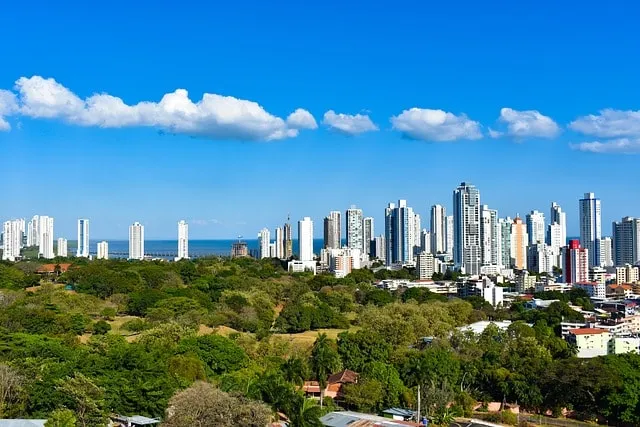
Residency Options: Panama is famed for its Friendly Nations Visa (FNV) and Pensionado (Retiree) Visa. The Friendly Nations program offers permanent residency to citizens of dozens of designated countries (including USA, Canada, EU countries, etc.) who either establish a local business or obtain a job or make a small investment in Panama. Previously, simply depositing $5,000 in a Panamanian bank was enough, but rules changed in 2021. Now, typically one must either buy real estate (at least $200,000) or set up a Panamanian corporation and show some economic activity. The Pensionado Visa, on the other hand, requires a lifetime pension of at least $1,000 per month (e.g. Social Security or a military pension). There is no age minimum for the Pensionado; if you have the pension, you qualify.
Permit Duration: The Friendly Nations Visa now usually grants temporary residency (valid 2 years) that converts to permanent residency afterward. The Pensionado Visa grants immediate lifetime permanent residency – a huge perk – though it does not lead to citizenship directly (you can still naturalize after 5 years). Panama stands out for being very fast – you can get an FNV residency approval in just a few months.
Ease of Access: Very easy, especially for retirees. The $1,000 pension requirement is one of the lowest in the world for a retiree visa, making Panama extremely accessible to many pensioners. The Friendly Nations route has become slightly more involved (with the investment requirement), but Panama’s overall process remains efficient and welcoming, with no minimum stay requirement to keep your residency. You don’t even have to live in Panama full-time to maintain it.
Colombia
Residency Options: Colombia extends a warm welcome with its M-11 retirement visa (formerly TP-7). It’s intended for retirees with a pension. The income threshold is quite low – about 3 times the Colombian minimum wage. In 2024, that came to roughly $975 USD per month required. Even private retirement income or annuities can qualify if they meet the minimum. Another popular option is the Rentista (annuity) visa, requiring about 10 times minimum wage ($3,250/month) from investments or rental income. Additionally, Colombia has an investment visa if you invest in real estate or a business ($150,000 USD and up, depending on type).
Permit Duration: Retirement and rentista visas are issued for 3 years at a time (renewable). After 5 years of continuous residency (in most visa categories) you become eligible for a resident visa (which is permanent). Notably, Colombia’s recent rule changes allow going straight to a 5-year resident visa if you invest sufficiently (around $170,000 in real estate), bypassing temporary stages.
Ease of Access: The retirement visa’s income requirement (~$975) is relatively easy to meet – one of the lower ones in Latin America. Many find Colombia’s visa process to be straightforward, and you don’t need to hire expensive lawyers. A potential catch: the retirement visa only allows passive income (pension); you can’t legally work in Colombia on that visa, although volunteering or remote online work is okay. But with the low cost of living, many retirees are fine not working.
Ecuador
Residency Options: Ecuador’s Pensionado visa is another retiree-friendly program. The official requirement has fluctuated but is around $1,275 USD per month in stable pension income (this is indexed to Ecuador’s minimum wage – some sources still cite $800, but as of 2025 it’s roughly $1,410 for new applicants). Ecuador also offers a “Rentista” visa for those with non-pension passive income, requiring similar financial proof ($1,275+/month from investments). An Investor Visa is available if you invest about $45,000 USD in local real estate or Certificate of Deposit in an Ecuadorian bank. That investment amount is pegged to 100 times the minimum wage.
Permit Duration: These visas start as temporary residency valid for 2 years. After 21 months, you can apply for permanent residency, provided you’ve spent at least 180 days per year in Ecuador during the temporary period. Permanent residency lets you come and go freely with no minimum stay (great for “snowbird” retirees).
Ease of Access: Ecuador is considered very accessible. The retiree income requirement (around $1,300) is modest by US/EU standards. In fact, it was once as low as $800/month a few years ago. Even now, it remains within reach for many. The cost to invest ($45k) is also lower than many other countries’ investor visas. Ecuador’s government has actively wooed foreign retirees and expats – evidenced by their efficient visa offices and clear requirements. Just be prepared for a bit of paperwork (all documents like birth certificate, proof of pension, etc., need apostilles).
Peru

Residency Options: Peru might fly under the radar, but it offers a Retiree Visa (“Rentista”) that is among the easiest. You need to show a permanent monthly income of $1,000 USD (pension or investment income). This visa is unique because it actually grants permanent residency immediately – no renewals needed. The catch: you cannot earn local income on this visa (it’s truly for retirees or those living off savings). Peru also has investment visas (invest about $30,000 in a Peruvian business) and work visas, but those are more involved.
Permit Duration: The Rentista visa is indefinite/permanent from day one. However, if you leave Peru for more than 183 days in a year without permission, you can lose it. So there is a residency requirement if you want to maintain it long-term – basically you should stay at least half the year in Peru or file for an exception when leaving for longer.
Ease of Access: The $1,000 income hurdle is quite low, making Peru a gem for budget-minded retirees. The process is relatively quick (a few months) and you end up with permanent resident status. One very attractive feature is the pathway to citizenship after only 2 years of residency, which Peru offers. So Peru can be a stepping stone to a second passport in short time. Keep in mind, some Spanish language ability will be needed for dealing with authorities, but Peruvians are generally helpful to expats.
Argentina
Residency Options: Argentina welcomes two main groups: retirees and those with passive income. The Pensionado (Retiree) Visa requires an ongoing pension of at least roughly $1,500 USD per month (many sources cite around $2,000 as a safe figure). The Rentista Visa (for independent income) requires showing about $2,000–$2,500 USD per month from investments, rentals, or business income. There is also a path if you invest ~$100k in Argentina or buy real estate, but the income-based visas are easiest. Another interesting option: simply staying on a tourist visa and renewing is common in Argentina (90-day entry, extendable to 180 days; many “perpetual tourists” did this in the past, though it’s less tolerated now).
Permit Duration: The retirement or rentista visa is typically a temporary residency for 1 year, renewed annually. After 2 years of legal residency, you become eligible to apply for Argentine citizenship – which is astonishingly fast (more on this later). Technically, one should apply for permanent residency after 3 years of temp status, but many just skip to citizenship at year 2.
Ease of Access: The paperwork and income proof are fairly straightforward, and Argentina does not impose hard age restrictions or huge financial demands. Argentina’s greatest advantage is its short residency requirement for citizenship (only 2 years) – the shortest in the world alongside a couple of other countries. This makes it very popular for those seeking a quick second passport.
Paraguay
Residency Options: As of October 2022, Paraguay updated its immigration law and removed the $5,000 deposit option. Now, you can still obtain residency through other means: proof of a certain income (around $1,300/month), investing about $70,000 in Paraguay (which can be over 10 years), or via a parent/spouse who is Paraguayan. The good news is that Paraguay still grants permanent residency right away to approved applicants – there’s no temporary visa stage.
Permit Duration: Permanent residency in Paraguay is valid for up to 10 years (after which you renew the ID card). It’s essentially a lifelong residency as long as you don’t stay out of Paraguay for more than 3 years continuously (or else it could be deemed abandoned).
Ease of Access: Even without the $5k deposit shortcut, Paraguay remains relatively easy. The process might involve hiring a local lawyer to help, but it can often be completed within a few months and only requires one trip to Paraguay. Paraguay’s low population and desire for immigrants means the officials are generally cooperative. It’s also noteworthy for having no minimum stay requirement to keep your residency – you could technically become a Paraguayan resident and not live there at all (as long as you visit at least once every few years).
Dominican Republic
Residency Options: The Dominican Republic (D.R.) offers a Pensionado visa and a Rentista visa under its fairly accessible program. For retirees, you need a monthly pension of at least $1,500 USD (plus $250 per dependent). Uniquely, they even accept early retirees with private income (not necessarily official pensions) under a Rentista category, which requires $2,000 USD per month for five years or a large deposit generating interest. There’s also an investor residency if you invest $200,000 in property or business. After getting temporary residency, the D.R. allows you to apply for permanent residency in as little as 6 months through an expedited process for retirees and investors.
Permit Duration: Standard procedure is: Temporary Residence (1 year, renewable), then Permanent Residence after the first year. For those on the retiree or rentista programs, you can often jump to permanent status faster than the usual 5-year wait – sometimes after just 2 years total. The D.R. aims to fast-track qualified pensioners.
Ease of Access: The income bar of $1,500 is moderate and the country is known to be quite open to foreign retirees (plenty of communities of American and Canadian expats exist). The process does involve paperwork and some bureaucracy, but it isn’t overly strict. One very attractive feature: after holding permanent residency for 2 years, you can apply for citizenship.
Thailand

Residency Options: Thailand is a hugely popular low-cost destination. For long-term residency, the go-to option for many is the Retirement Visa (the Non-Immigrant O-A or O-X). Applicants must be 50 years or older. The financial requirement is either a Thai bank account with 800,000 baht (approx $25,000 USD) or a monthly income/pension of 65,000 baht (about $1,850 USD), or a combination of savings + income that equals 800,000 baht (about $23,785 USD) over a year. There’s also the Thailand Elite Visa, essentially a residency buy-in program (starting ~$18,000 USD for a 5-year visa), which is popular among non-retirees who want ease but it’s not “cheap”. For those working remotely, Thailand currently doesn’t have a formal digital nomad visa (its new LTR “Long Term Resident” visa for professionals requires very high income or investment). Thus, most <50 year-old expats use a combination of tourist visas, education visas (study Thai language), or business visas through a local employer. But for simplicity, the Retirement visa is the main pathway we’ll highlight.
Permit Duration: The retirement visa is typically 1 year at a time, renewable inside Thailand. (The O-X variant can be a 5-year multi-entry, but requires more money in the bank). With each renewal, you must meet the financial criteria again. Thailand doesn’t automatically lead you to permanent residence or citizenship via this route; in fact, Thai permanent residency is a separate, difficult application (you must live in Thailand several years and be one of a few hundred people granted PR annually). So, most expats just keep renewing their 1-year retiree permit. You also must check in every 90 days with immigration (a simple online form or in person) to report your address.
Ease of Access: For those over 50 with some savings or pension, Thailand’s requirements are quite straightforward. The process has some bureaucratic hoops (like getting an affidavit of income from your embassy, if using income method), but it’s routine. The main limitation is age – if you’re not 50 yet, you can’t use the retiree program. But Thailand’s extremely low living costs and great healthcare make it worth consideration when you do hit that age.
Malaysia
Residency Options: Malaysia has been a top pick for expats due to its high quality of life and English-speaking environment. As a Southeast Asian nation, Malaysia offers a unique blend of cultural diversity and economic opportunities. The traditional route was the Malaysia My Second Home (MM2H) program, which for years required roughly $150,000 in liquid assets and a monthly income of $2,500. However, West Malaysia drastically raised MM2H requirements in 2021 (now requiring about $300,000 in assets and $10,000 monthly income, putting it out of reach for many). Fortunately, the state of Sarawak in Malaysian Borneo runs a separate “Sarawak MM2H” with far lower requirements ($100,000 in assets and $800 income for 50+). Another new option is the “DE Rantau” Digital Nomad Pass, launched in 2022, which allows remote workers to stay 12 months (renewable to 24) if they earn at least $24,000 USD per year ($2,000/month). Malaysia also introduced a 10-year Premium Visa Program for wealthy investors, but that’s not an “affordable” route.
Permit Duration: The S-MM2H (Sarawak) visa is 5 years, renewable (and you only need to spend 15 days a year in Sarawak). The West Malaysia MM2H is 5 years as well but with tougher renewal rules. The DE Rantau nomad visa is 1 year + 1 year extension. None of these directly lead to permanent residency or citizenship, but they are long-term residency permits. In Malaysia, typically only those who reside 10+ years and fulfill strict criteria get permanent residency.
Ease of Access: If you qualify for Sarawak’s lower MM2H or the digital nomad pass, it’s quite accessible and gives you an easy, comfortable base in Asia. However, the federal MM2H’s new rules are a con – we’d categorize that as hard to access due to the high financial bar. Still, Malaysia deserves inclusion for its digital nomad visa and Sarawak option which keep it an affordable residency choice.
Indonesia (Bali)
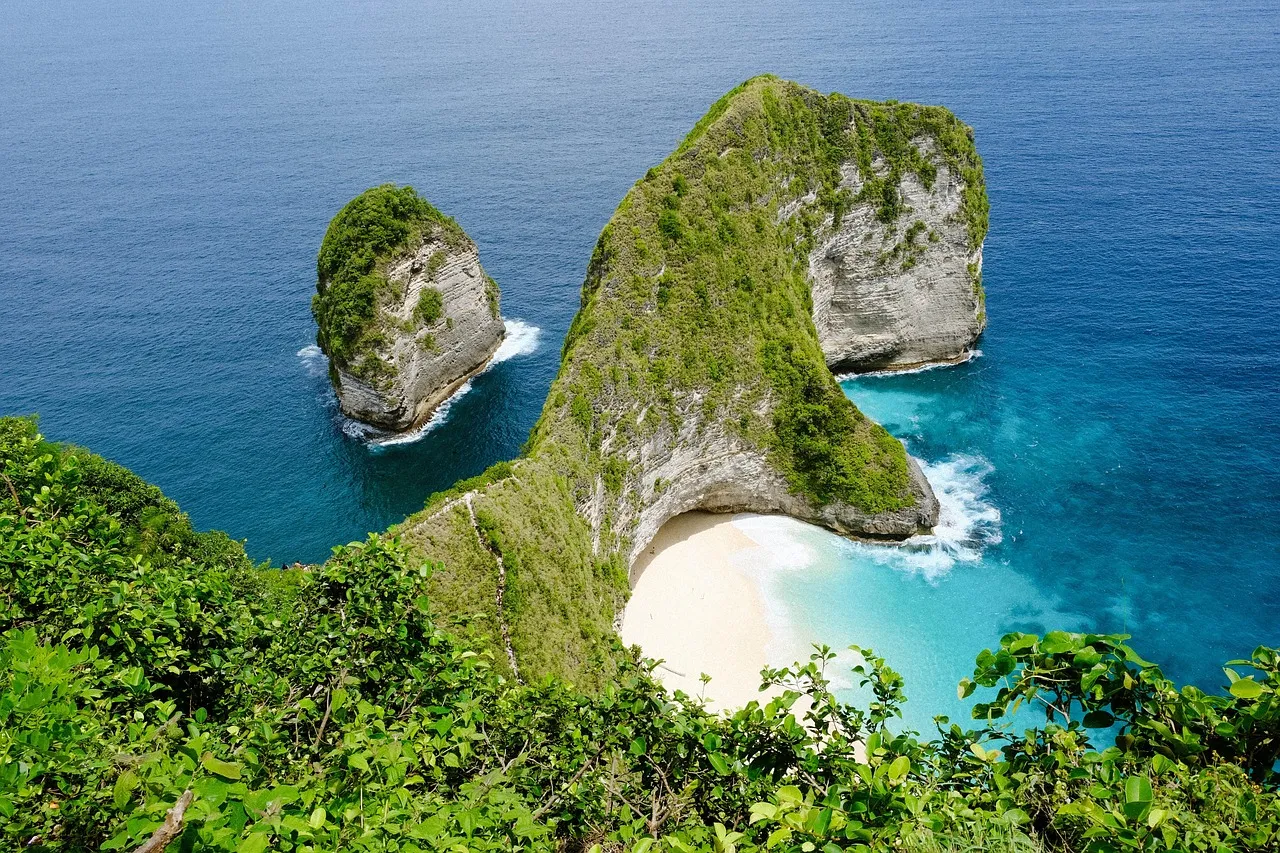
Residency Options: In late 2022, Indonesia announced a Second Home Visa – a 5 or 10-year stay for those who keep about $130,000 USD in a local bank account. This is aimed at wealthy retirees or digital nomads with means, and it doesn’t require any monthly income proof, just the asset deposit. For a more budget option, many expats in Bali still rely on Social-Cultural Visas or Business Visas: e.g., a B211A socio-business visa which can be extended to 6 months, then you do a quick visa run and repeat. These aren’t official “residency” but allow staying long periods.
Permit Duration: The Second Home Visa gives 5 or 10 years straight away (remarkably long) but again requires a large cash collateral in country. The existing limited stay (KITAS) permits, such as a Retirement KITAS, allow one year at a time for age 55+ with $1,520/month income and hire of a local sponsor agent. That retirement KITAS is renewable annually and can convert to permanent after 5 years. However, note that Indonesia’s retirement visa currently is not available to remote workers under 55; it’s strictly a retiree program.
Ease of Access: If you are truly looking at affordable, the most common way people “reside” in Bali cheaply is by continuously using extendable tourist visas via local agents – which is a gray area but widely practiced. The government is trying to streamline more official paths. For a legitimate, hassle-free long stay: if you have the means to park, the 5-year visa is straightforward. Indonesia’s bureaucracy can be complex, so many expats hire visa agents to handle things.
Vietnam
Residency Options: Vietnam does not yet have a dedicated retirement visa or nomad visa, making it one of the more challenging countries on this list for long stays. Most foreigners who aren’t working for a Vietnamese company or married to a local use either 1) Tourist visas (now Vietnam offers a 90-day e-visa that is multi-entry, which can be renewed by leaving and re-entering) or 2) Investor visas (if you start a business in Vietnam or invest a certain amount). The Investor (DT) visa categories allow 1 to 10 year stays depending on investment size – the lowest tier requires about a $130,000 USD investment in a Vietnamese company, which grants a 3-year temporary residence. Another route: the Vietnam work visa/temporary residence card, if you get hired or set up your own company and hire yourself. There is also the Dependent TRC if you marry a Vietnamese citizen (that leads to 3-year residency cards easily).
Permit Duration: Without a formal retirement visa, many retirees simply do consecutive 3-month stays. The new 90-day e-visa (introduced in 2023) allows you to stay 3 months, exit for a day (even a border run to Cambodia) and come back for another 3 months. It’s a bit of a churn but not too bad. If you go the investor or work route, you can get 1-year, 2-year, or 3-year residence cards and renew them as needed. Permanent residency is rare and usually only given to those who have a Vietnamese spouse or significant Vietnamese heritage, and even then after several years.
Ease of Access: Vietnam is slightly harder in terms of legal residency. Since there’s no low-cost “pensionado” program, you either continuously extend tourist status or commit to an investment or local business. The upside is Vietnam’s cost of living is incredibly low – so some are willing to deal with visa runs for that benefit.
Philippines
Residency Options: The Philippines stands out for its Special Resident Retiree’s Visa (SRRV), a program specifically for foreign retirees that’s very flexible. There are different SRRV options: the most common, SRRV Classic, requires age 50 or above with either (a) $10,000 USD deposit in a Philippine bank if you have a guaranteed monthly pension of $800 (single) or $1,000 (couple), or (b) $20,000 USD deposit if you have no pension. That deposit isn’t a fee; it’s your money kept in a Philippine bank, and it can even be used to purchase a condo or long-term lease, under certain conditions. For ages 35-49, they offer SRRV with a higher deposit ($50,000). The SRRV is essentially a privileged indefinite visa. Separately, the Philippines also issues 13A spouse visas (permanent residence if married to a Filipino), and has various work visas, but SRRV is the easiest for those who qualify.
Permit Duration: The SRRV is indefinite; you pay an annual fee of $360 to keep it active, but you don’t have to renew or reapply for visas. It’s like permanent residency – you can live there as long as you want. You even get a special ID card. If you choose to withdraw your deposit and give up the visa, you can (minus some processing fees). The 13A marriage visa gives a 1-year temporary, then 10-year permanent card, which is also quite generous.
Ease of Access: The Philippines is considered very friendly to foreign retirees. The age 50 requirement for the easiest SRRV track is something to plan for, but the financial criteria ($10k deposit + modest pension) are extremely favorable. Even without a pension, a $20k deposit for permanent residency is one of the best deals around. The application process is relatively quick (a few weeks to a couple months). English is an official language in the Philippines, making paperwork and integration much easier.
Turkey
Residency Options: Turkey offers both easy residency and an attractive citizenship-by-investment. For residency, most foreigners go for a 1-year renewable residence permit (short-term) by renting or buying property. If you rent an apartment, you can apply for a residence permit with your lease and proof of finances. Recently, Turkey restricted residency in certain over-saturated districts, but in most places it’s still accessible. An alternative is the Turkish Tourist Residence permit, which is essentially the same short-term residency based on “to explore the country” or long-term tourism – many use this to stay year-to-year. Then there is the fast track: Turkey’s well-known Citizenship by Investment (CBI) program grants citizenship (and thus residency) within months if you purchase at least $400,000 USD in real estate (or invest $500k in business, bonds, etc.).
Permit Duration: Short-term residency permits are usually granted for 1 or 2 years and can be renewed. After 8 years of continuous residency, one can apply for Long-Term Residency (indefinite), which has no expiration and nearly full rights (except voting). If someone goes the CBI route, they get citizenship directly in 3-6 months, which includes full residency rights of course.
Ease of Access: Turkey’s short-term residency is quite easy to get as long as you apply properly. There’s no specific income requirement; you just declare you have sufficient funds (they may expect a few thousand dollars in a bank account per year of stay, but not strictly enforced). Many expats simply show they have a valid rental contract and health insurance and that’s it. The process takes a few weeks for approval.
Georgia

Residency Options: The Republic of Georgia (in the Caucasus) has a remarkably open border policy – many nationalities, including Americans and most Europeans, can stay in Georgia visa-free for 365 days. That means you could live in Georgia for a full year without any visa at all. If you want official residency, Georgia offers a Property Purchase Residency: buying real estate worth about $100,000 USD or more qualifies you for a 1-year temporary residency, renewable each year as long as you hold the property. There are also Work Residence permits if you get employed by a Georgian company or start a business (you’d need to show some company earnings or salary, and the bar for that can be low, a few hundred dollars a month). Additionally, Georgia has no age limit for retirement residency – if you simply show stable income (like $2,000/month, not fixed in law but generally expected) or sufficient savings, they often approve residency on a case-by-case basis.
Permit Duration: Temporary residence permits are usually issued for 1 year at a time (sometimes 2 years) and can be renewed. After living in Georgia for 10 years on temporary residency, you can apply for permanent residency (which is an actual permanent card). There’s also a category of Short-term permanent residency if you invest a lot (over $300k) – that gives immediate permanent status.
Ease of Access: Georgia is extremely accessible. Staying visa-free for a year is practically unheard of elsewhere, making it ideal for testing out life there with no paperwork. The $100k property threshold for residency is comparatively low (cheaper than many other investor visa schemes). The process to get a residence card if you qualify is quick (a couple of weeks) and not expensive. Georgia is also attractive for its low taxes (flat 1% tax on small business turnover for many expats, for instance) and its welcoming stance – the government literally launched a campaign called “Remotely from Georgia” inviting digital nomads.
Portugal
Residency Options: Portugal has gained fame through its Golden Visa program, but that involves hefty investments (€280k–€500k typically). For a budget-friendly path, the D7 Passive Income Visa is the star. Often called the “retiree” or “digital nomad” visa, the D7 requires proof of a passive income or savings equal to Portugal’s minimum wage. In 2024, that is about €9,120 per year (≈ $9,700 USD) for the main applicant, which is €760 per month. You can qualify via pension, rental income, dividends, remote work income, or substantial savings that could realistically yield that amount. Essentially, if you have about $1,000 a month coming in (and possibly a bit more for spouse/dependents), you likely qualify. Compared to other European countries, Portugal offers a relatively low cost of living and high quality of life. Portugal also introduced a Digital Nomad Visa in 2022 which requires a higher income (~€3,040 per month, which is 4x minimum wage). But the D7 remains the most popular for those with modest means.
Permit Duration: The D7 visa gives you an entry permit to Portugal, then you get a residence permit valid for 2 years. It can be renewed for another 3 years. After 5 years of legal residency, you can apply for permanent residency or directly for citizenship. Portugal is unique in that it does not require living in-country year-round – to keep your residency, you should spend at least 6-8 months per year in Portugal (or 8 months total out of each 2-year period). Citizenship at 5 years also requires passing a basic Portuguese language exam (A2 level).
Ease of Access: Among EU countries, Portugal is one of the easiest for non-EU citizens to move to. The income requirement of ~€760/mo is very manageable – much lower than Spain’s or Italy’s equivalents. Portugal is quite friendly in its application process, though it does take a few months and some document gathering (e.g., background check, proof of income, rental accommodation in Portugal, etc.). Another advantage: once you have Portuguese residency, you can travel freely in Europe’s Schengen area.
Citizenship Pathways & Benefits
Country | Years to Naturalize | Requirements for Citizenship | Dual Citizenship | Passport Strength |
Mexico | 5 years residency (2 if married) | Basic Spanish; culture test; physical presence | Allowed | Strong (visa-free ~158 countries) |
Panama | 5 years residency | Spanish test; must show ties; Renunciation formally required | Not officially (but often kept) | Good (visa-free ~142) |
Colombia | 5 years (or 2 if married/child) | Intermediate Spanish; history test; physical presence | Allowed | Good (visa-free ~132, Schengen) |
Ecuador | 3 years after PR (≈5 total) | Basic Spanish; some presence (<=180 days/year out) | Allowed | Fair (visa-free ~95, now Schengen) |
Peru | 2 years residency | Spanish test; civics test | Allowed | Good (visa-free ~135, incl. Schengen) |
Argentina | 2 years residency | Spanish (no formal exam but court eval); judge approval | Allowed | Very Strong (visa-free ~170, incl. EU, US ESTA) |
Paraguay | ~3 years residency (law changing to 5) | Spanish/Guarani basics; minimal presence | Allowed (de facto) | Fair (visa-free ~130, no EU) |
Dom. Republic | 2 years PR | Spanish interview; proof of income | Allowed | Fair (visa-free ~140, incl. EU Schengen) |
Thailand | 10+ years (5 yrs PR, after 5 yrs temp) | Fluent Thai; integration; renounce current | Not allowed (for naturalized) | Fair (visa-free ~80) |
Malaysia | 12+ years (10 PR + 2) | Fluent Malay; strict quotas; renounce | Not allowed | Very Strong (visa-free ~179) |
Indonesia | 5 years PR (or 10 intermittent) | Fluent Indonesian; renounce foreign | Not allowed | Fair (visa-free ~72) |
Vietnam | 5 years PR (difficult to get) | Fluent Vietnamese; renounce | Not allowed | Weak-Fair (visa-free ~54) |
Philippines | 10 years (5 if married) | English accepted (official language); basic civics; some presence | Allowed | Fair (visa-free ~67) |
Turkey | 5 years residency | Basic Turkish; continuous presence (<6 mos away in 5 yrs) | Allowed | Good (visa-free ~110; E-2 treaty with US) |
Georgia | 10 years residency | Georgian language; history test | Case-by-case (allowed for exceptional merit) | Fair (visa-free ~115) |
Portugal | 5 years residency | A2 Portuguese; basic integration | Allowed | Very Strong (visa-free ~188, EU freedom) |
Cost of Living Comparison: Housing, Utilities, Food, Healthcare
All the countries we’re discussing are known for lower living costs than North America or Western Europe. Below, we highlight typical expenses in each, focusing on monthly budgets for a single or couple.
Country | Rent (1BR, Monthly) | Utilities (Monthly) | Food (Groceries + Dining Out) | Healthcare (Private Insurance or Public Fees) | Estimated Monthly Cost (Single) | Estimated Monthly Cost (Couple) |
Mexico | $400-$800 | $30-$50 | $250-$400 | $60 (IMSS) / $20-30 per visit | $1,500-$2,500 | $2,500-$3,500 |
Panama | $900-$1,500 | $50-$100 | $300-$500 | $40 per visit | $2,000-$2,500 | $2,500-$3,500 |
Colombia | $300-$600 | $50-$70 | $200-$350 | $20-$30 public plan / $40 specialist | $1,200-$1,500 | $2,000-$2,500 |
Ecuador | $400-$600 | $20-$40 | $200-$400 | $80 per couple / $30 per visit | $900-$1,500 | $1,500-$2,200 |
Peru | $300-$800 | $30-$50 | $150-$300 | $30 per visit | $1,000-$1,500 | $1,500-$2,000 |
Argentina | $300-$500 | $20-$50 | $150-$300 | $30 per visit | $800-$1,500 | $1,500-$2,500 |
Paraguay | $300-$500 | $30-$50 | $150-$300 | $25 per visit | $800-$1,200 | $1,500-$2,000 |
Dominican Rep. | $500-$800 | $40-$100 | $200-$400 | $30-$50 per visit | $1,500-$2,500 | $2,000-$3,000 |
Thailand | $300-$800 | $30-$80 | $150-$300 | $50-$100 | $1,000-$1,500 | $1,500-$2,500 |
Malaysia | $500-$700 | $50-$80 | $150-$300 | $50 per visit | $1,000-$1,500 | $1,500-$2,500 |
Indonesia (Bali) | $300-$800 | $40-$100 | $150-$350 | $50 per visit | $1,000-$1,500 | $1,500-$2,500 |
Vietnam | $300-$500 | $20-$50 | $100-$250 | $30 per visit | $700-$1,500 | $1,200-$1,800 |
Philippines | $400-$800 | $50-$100 | $200-$400 | $50 per visit | $1,200-$1,500 | $1,800-$2,500 |
Turkey | $400-$800 | $30-$50 | $200-$400 | $50 per visit | $1,000-$1,500 | $1,500-$2,500 |
Georgia | $250-$500 | $50-$80 | $150-$300 | $50 per visit | $800-$1,200 | $1,200-$1,800 |
Portugal | $800-$1,200 | $100-$150 | $300-$500 | $50-$100 per visit | $1,500-$2,500 | $2,000-$3,000 |
Mexico: Mexico’s cost of living ranges from very cheap in small towns to moderate in big cities/resort areas. Rent for a one-bedroom apartment can be $400–$800 in many cities (Mexico City and beach areas like Playa del Carmen will be on higher end, while provincial towns are lower). Groceries and produce are inexpensive: for example, a kilo of avocados is about $3.25 in Mexico, and a hearty set lunch (comida corrida) might cost just $4–$8. Utilities like electricity can run $30-$50/month (more if A/C usage is high), and high-speed internet about $25-$40. Healthcare is very affordable: many expats join the national insurance (IMSS) for under $60/month, or pay out-of-pocket (a doctor visit ~$20-30). Overall, a couple could live well in Mexico on $1,500 – $2,500 per month depending on location and lifestyle (cities/beach higher, small towns lower). It’s often cited that healthcare in Mexico is 50-70% cheaper than the U.S..
Panama: Panama City is somewhat pricier but still cheaper than a comparable U.S. city. A modern one-bedroom may rent for $900–$1,500 in the capital, while smaller towns (like Boquete or Coronado) offer places for $600–$800, and some thrifty expats even find $500 or less. Utility bills can run $50–$100 if using A/C; in cooler highlands, you might not need it at all. Water typically costs under $20, and the internet is around $40. Groceries (especially local produce and fish) are reasonable, though imported American brands cost extra. A local restaurant meal might be $5–$10, whereas nicer spots in the city can reach $30+. Healthcare includes public clinics and private hospitals, with a specialist visit around $40. Many expats pay just a few hundred dollars yearly for insurance. Retired couples often spend $2,000–$2,500 per month, less if they own property. A major perk is Panama’s Pensionado program, granting steep discounts (like 10–20% off healthcare, 25% off utilities, 50% off entertainment) that help stretch budgets further.
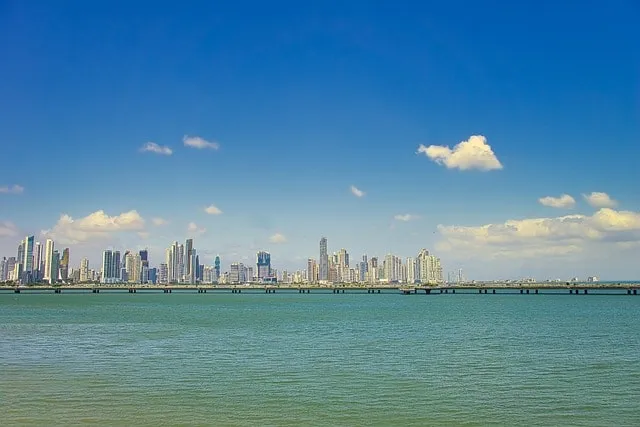
Colombia: Colombia is known for big-city amenities at low cost. In cities like Medellín, Bogotá (outside the most upscale zones), a one-bedroom rent can be $300 – $600. For instance, in a nice area of Bogotá, a one-bedroom might average $400 (1.5 million COP), and in a smaller city, even cheaper. Utilities for an apartment (electric, gas, water) often run $50-$70 combined, thanks to Colombia’s stratified utility billing (middle-class areas subsidize lower-class areas slightly). Local fruits, veggies, and staples are very cheap; imported items (European cheeses, etc.) are costly. An almuerzo (set lunch) is $3-$5. A fancy dinner might be $20. Colombia’s healthcare is high-quality and low-cost – many expats join the public EPS insurance for a small monthly fee (sometimes $20-$30 per person), or pay out-of-pocket which is still modest. In summary, a single person can live well on $1,200/month, and a couple on $2,000/month in Colombia.
Ecuador: Ecuador might be among the cheapest. In cities like Cuenca or Quito, you can find nice one-bedroom apartments for $400 – $600, or local-style housing for even less ($250-$300). A frugal single in Cuenca could live on <$1,000/month, while a couple with more dining out and entertainment might spend $1,500-$1,800. Many expat couples report $1,600 – $2,200 is plenty for a very comfortable life. Utilities are low (mild climate in highlands means no A/C or heat needed; typical electric might be $20, gas for cooking $5, water $10). Internet $30-$40. Local markets offer amazingly cheap produce (you might get a week’s vegetables for $15). Beef and imported snacks are pricier. A local lunch is $3. Public healthcare is available and very cheap (residents can join IESS system for a small monthly payment, like $80/month per couple). Private doctors: $30-$40 a visit. Overall, value for money in Ecuador is excellent – you can enjoy a modern lifestyle on a small pension. Coastal Ecuador is cheaper than the cities but infrastructure is less developed.
Peru: Outside of Lima’s affluent districts, Peru is very affordable. In cities like Arequipa or Trujillo, rents can be $300-$500 for a nice place. Lima has a wide range; in upscale Miraflores a 2-bedroom might be $800, whereas in a more local area it could be $400. Peruvian cuisine is world-class and fortunately street food and local eateries are cheap – you can get a menu lunch for $2-$4. Plenty of local fruits, potatoes, corn, etc. Eating like a local, a single person’s food budget could be $150 a month. Decent private clinics charge maybe $30 for a visit; prescriptions are inexpensive. Peru’s private healthcare is improving and still low-cost. Public transport in cities is a bit chaotic but cheap (buses ~$0.50). Taxis in cities are a few dollars for most rides. Many expats say they live on $1,000 to $1,500 per month in Peru quite comfortably, especially outside Lima. Even in Lima, $2,000/month can afford a high standard of living. Inflation has ticked up some prices, but it remains one of the cheaper South American locales.
Argentina: Argentina’s currency swings make living costs extremely low for anyone with a stable dollar income. In Buenos Aires, a decent one-bedroom can cost as little as $300 if you pay in pesos, and a steak dinner with wine might be $10–$15. Everyday groceries (produce, meat, bread) are cheap, though imports are pricey. Electricity and gas are subsidized (around $20), but rapid inflation means prices change often. Even so, a couple might spend just $1,500 per month for a fairly luxurious life, and $1,000 covers basics. Public healthcare is free and private clinics are affordable (about $30 for a specialist visit), with private insurance at $50–$100/month. The value is excellent, but the unstable economy complicates long-term planning, and imported goods can be exorbitant. Despite that, daily expenses remain remarkably low for the high quality of life.
Paraguay: Paraguay is one of the cheapest countries in the world. Asunción (capital) is very affordable: Rent for a modern apartment in a good area might be $300-$500. Outside the capital, housing can be ridiculously cheap (some expats buy homes for under $50k or rent houses for $200). Electricity is relatively cheap (Paraguay has abundant hydropower), maybe $30-$50. Internet in cities is $30 for high speed. Lots of local beef – you can get a steak in a restaurant for $5-$10. Fresh produce is plentiful and pennies on the dollar at markets. A loaf of bread might be $0.50. The public system is basic, but there are good private hospitals in Asunción which charge low fees (doctor visit $25, dental cleaning $20). Prescription meds are inexpensive too. A single person could live on $800 a month in Paraguay if being frugal, and very well on $1,200. A couple living on $1,500-$1,800 would not feel lacking. One caveat: imported consumer goods (like a new iPhone or imported car) are pricey due to import costs. But locally produced goods are very cheap.
Dominican Republic: The Dominican Republic’s costs differ greatly between tourist hubs and more local areas. In Santo Domingo or Santiago, a decent apartment might be $500–$800, while $300 can secure something in smaller towns. Resort hotspots like Punta Cana are pricier, but many retirees find lower-cost options in north coast locations such as Sosúa or Las Terrenas. Electricity can hit $100 with an aircon, but only $40 otherwise. Staple foods—rice, beans, plantains, fruit—are very cheap; a local lunch is around $4, and groceries can be $200/month for a couple if sticking to local items. Healthcare includes affordable private clinics ($30–$50 per visit), with optional insurance for a few hundred dollars yearly. Altogether, a couple may spend $1,500–$2,500 monthly depending on location and how often they eat out.
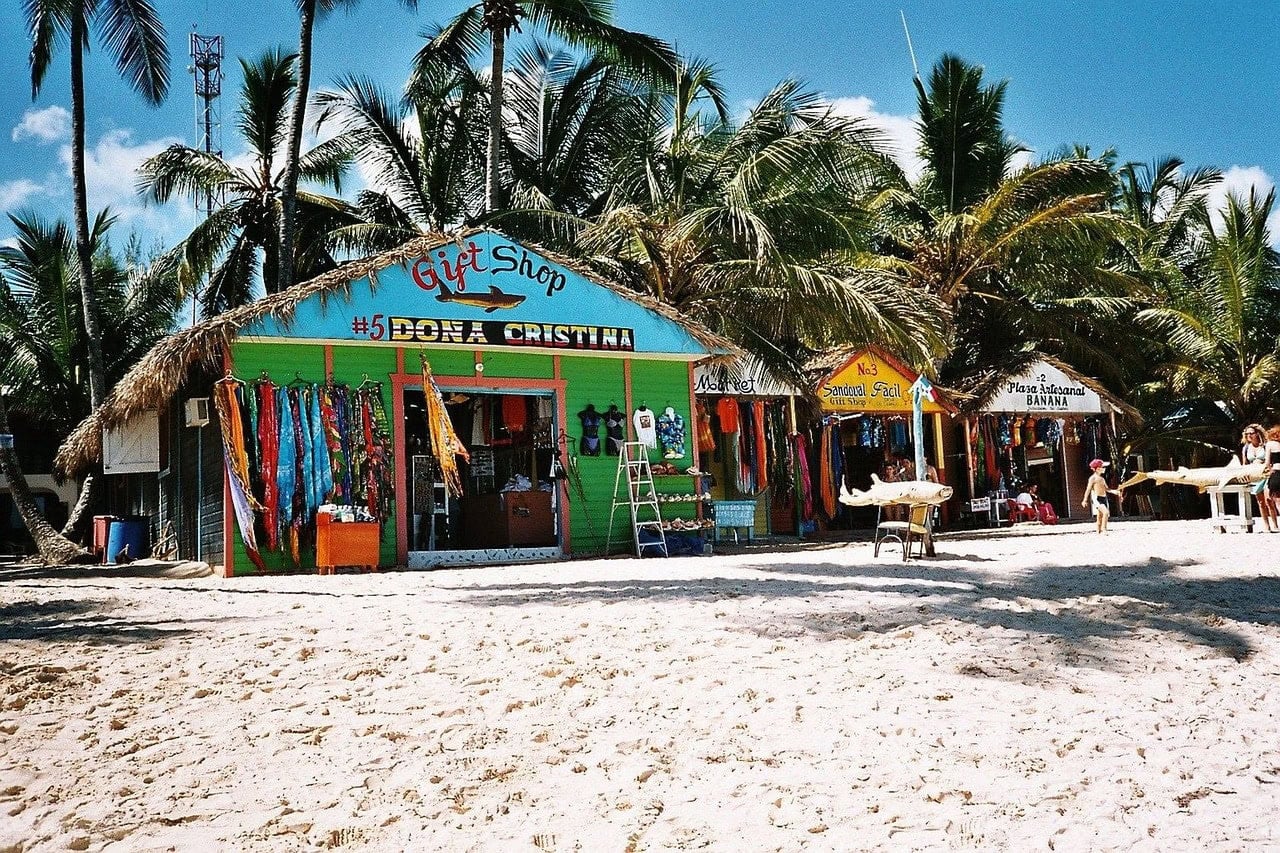
Thailand: Thailand is often cited as one of the best cost-of-living values. In Chiang Mai (a northern city popular with expats), you can rent a modern studio for $300 or a house for $500. In Bangkok, prices vary widely – a downtown condo might be $800, but go a bit out and it’s $400. Smaller towns and rural areas, housing can be $200. If you eat Thai food at street stalls and markets, you could spend only $5-7 per day on all meals. Western food or fancy restaurants cost more but still cheaper than the West. In cooler northern Thailand, electricity might be $30; in Bangkok with A/C it might hit $50-$100. Internet mobile plans are cheap ($10 for lots of data). Home broadband $20-$30. One of Thailand’s strengths – excellent private hospitals at modest prices. Doctors visit is $15-$30, many medications over-the-counter, dental cleaning- $25. Many expats don’t even get insurance because paying as you go is affordable; others get local insurance for a few hundred a year. All in all, a single person can live very comfortably in Thailand on $1,500/month (some do on $1,000), and a couple on $2,000-$2,500.
Malaysia: Malaysia combines a high standard of living with moderate expenses. In Kuala Lumpur, a comfortable one-bedroom in an expat-friendly area often costs $500–$700, typically in a condo development with amenities. Rents can be even lower in Penang or smaller cities, where a furnished three-bedroom may be around $610. Electricity might reach $50–$80 if you use air conditioning heavily, but otherwise remains moderate. Internet is both cheap and reliable ($30 for high-speed fiber), and mobile plans can be $10. Diverse local cuisine—Malay, Chinese, Indian—allows hawker meals for $2–$3, while groceries are also inexpensive if you stick to local produce. Private healthcare is excellent and affordable: a clinic visit might be $10, a specialist $40, and medications are often cheap generics. An expat couple typically spends $1,800–$2,500 per month, and a frugal single can manage on about $1,200.
Indonesia (Bali): Bali’s living costs can vary significantly depending on lifestyle. A local-style apartment might cost $300–$500 monthly (often around $350 for a one-bedroom in areas like Canggu or Ubud), while foreigner-oriented villas with pools typically rent for $700–$1,500. Meals at local warungs go for $1–$3, whereas Western restaurants or trendy cafés often charge $5–$10. Local produce is extremely affordable, but imported goods (e.g., cheese, wine) can be costly. Electricity averages around $40, and many rentals include security or maintenance. Healthcare is fine for basic issues ($20 clinic visits), though serious cases might require trips to Singapore or Bangkok. Overall, a frugal single can manage on about $1,000/month, while a more comfortable expat budget is around $1,500–$2,000. Families renting nicer villas and dining out often can see expenses double that.
Vietnam: Vietnam remains one of the cheapest destinations in Asia. In cities like Da Nang or Nha Trang, you can get a new one-bedroom for $300-$400 easily. Even in Ho Chi Minh City (Saigon), if you stay outside District 1, there are great apartments for $500. Smaller cities or towns, rents drop to $200 or less for local housing. You can eat incredible street food for $1-$2 a dish. Even nicer sit-down restaurants often under $10 per meal. Local markets are very cheap; if you avoid imported packaged foods, you might spend only $100-$150/month on groceries. Electricity can run $50 if using A/C; otherwise maybe $20. Internet $10-$15 (Vietnam has very good fiber coverage). Mobile with unlimited data $5-$10. Big cities have international clinics; a GP visit might be $30. Without insurance, you could pay out-of-pocket due to low costs (e.g., an MRI for $200). It’s totally feasible for a single person in Vietnam to live on $1,000 a month and not feel deprived. In fact, some manage on $700-$800 by living local-style. A more lavish life with frequent travel and dining might go up to $1,500. Two people could live very comfortably on $1,500-$1,800 combined.

Philippines: The Philippines can be quite cheap, though electricity and imported goods may inflate costs. In Cebu or Davao, a nice condo might rent for $500, while a basic apartment could be $250. Manila is pricier (e.g., $800+ in upscale areas) but you can still find $400 units in middle-class neighborhoods. Some retirees choose smaller cities or islands, where $300 can rent a beachside house. Electricity is high—often $100+ with aircon—while internet is about $30 (quality varies). Local eateries (carinderias) serve meals for $2, and groceries like rice, chicken, and produce are cheap, though imported snacks cost more. Healthcare is affordable: a doctor visit might be $15, and PhilHealth insurance is under $300/year for public hospital coverage. A frugal single can get by on $1,200–$1,500/month, while a more comfortable budget with extra perks (e.g., domestic help) is around $2,000—enough for a couple in most cities.
Turkey: Turkey’s cost of living is currently a bargain for those earning in foreign currency. In Istanbul, a decent two-bedroom runs around $500–$700 monthly; smaller coastal cities or towns often cost $300 or so. Groceries are very cheap: produce is just a few dollars per bag, and subsidized bread costs $0.20. Utilities average $30–$50, internet $15–$20, and public transit $0.50–$1 per ride. Healthcare is affordable, with public insurance at around $100/month for a family, and private medical procedures costing a fraction of Western prices. Overall, a single person can get by on about $1,000/month outside Istanbul (around $1,300 in the city), and $1,500–$2,000 for a couple seeking a middle-class lifestyle.
Georgia: Georgia uses its own currency (lari), which has been stable. Tbilisi, the capital, is quite affordable. A one-bedroom in Tbilisi city center might be $400, while outside the center $250. Some expats buy property because it’s cheap (new apartments for $50k), eliminating rent. Tbilisi gets hot summers and cold winters, so you have both A/C and heating (usually natural gas heating). Electric, gas and water might run $50 on average. The Internet is very cheap and high-speed (~$20). You can get khachapuri (cheese bread) for $1, or dine at a nice restaurant for $10. Groceries for a month for one might be $150 if mostly local items (veggies, chicken, grains). Wine is famously cheap and good (a decent bottle for $4) since Georgia is a wine country. Georgia has an improving private healthcare sector. Routine things are cheap (a doctor visit $20, blood test $15). More complex care you might want to travel to Turkey or EU, but plenty of expats use Georgian hospitals too, which are affordable compared to the West. If insured, local insurance is inexpensive (a few hundred per year). In total, a single person in Tbilisi can live on $800-$1,200 per month, depending on lifestyle. A couple maybe $1,500-$1,800.
Portugal: Portugal is among the pricier options here but still cheaper than the US/UK. In Lisbon or Cascais, a one-bedroom can exceed $1,000 monthly, though $600–$800 is possible in smaller cities or inland areas (e.g., the Algarve). Utilities for a larger apartment average $100–$150 (Portugal’s electricity costs are relatively high), while internet/phone packages run about $50. Groceries are generally reasonable (local produce, bread, fish, wine), but dining at a mid-range restaurant can be $20–$30 per person. A coffee is about $1 and a pastry $1.50 in local cafés. Public healthcare is largely low-cost for residents (small copays), with many expats adding private insurance for $50–$100/month. A frugal single might manage on $1,500 (especially outside Lisbon), while $2,000–$2,500/month is more comfortable for a couple wanting to enjoy travel and dining out.

In most of these countries, a couple can live on $1,500-$2,500 per month quite comfortably, which is a huge motivation for retirees on fixed incomes. A few outliers: Portugal might push a bit higher budget, whereas places like Paraguay, rural Vietnam can be done for under $1k if really needed.
Conclusion: Top Picks for Cost, Access, and Benefits
Choosing the right country for residency or citizenship depends on your personal priorities – be it stretching a retirement budget, obtaining a second passport quickly, or enjoying a certain lifestyle.
The Global Peace Index can also be a useful tool in evaluating the safety levels of these countries.
For maximizing purchasing power on a small budget, countries like Paraguay, Vietnam, Ecuador, and Bolivia often come up. Paraguay stands out – for its ultra-low costs (dirt cheap housing, utilities, food) combined with an easy permanent residency. Ecuador and Colombia also deserve mention: both offer a lot for very little money – for example, a couple living in Cuenca, Ecuador on $1,600/month or in Medellín, Colombia on $1,800/month will live very well by local standards. These places are ideal for retirees on limited pensions or adventurous nomads who want to save money. One could also include Georgia for low costs (especially given no visa fuss) and Thailand for value (Thailand might cost slightly more than Cambodia/Vietnam, but the quality of life you get at that price is exceptional).
In summary, there is no one-size-fits-all, but thanks to these countries, there are a plethora of options to suit almost every need – whether it’s sipping wine in a Portuguese village, enjoying jazz in a Colombian café, or walking through ancient temples in Thailand – all without breaking the bank. The world is more accessible than ever for those seeking low-cost living and the freedom of residency or citizenship abroad, and with careful consideration of the factors we’ve covered, you can find the option that offers the best blend of affordability, ease of access, and life-enhancing benefits for your next chapter abroad.

Lusine Sargsyan
Attorney
